Marco Polo famously called Hangzhou "the City of Heaven." After spending three days there, I realized he wasn't talking about the architecture; he was talking about the lifestyle.
In a country known for its frantic speed, Hangzhou is a deep breath. My "Hangzhou tour" wasn't about ticking off sights; it was about learning the art of leisure. It’s a city where the willow trees dip their branches into the water as if they are testing the temperature, and where sipping tea is considered a productive way to spend an afternoon.
West Lake: A Painting in Motion
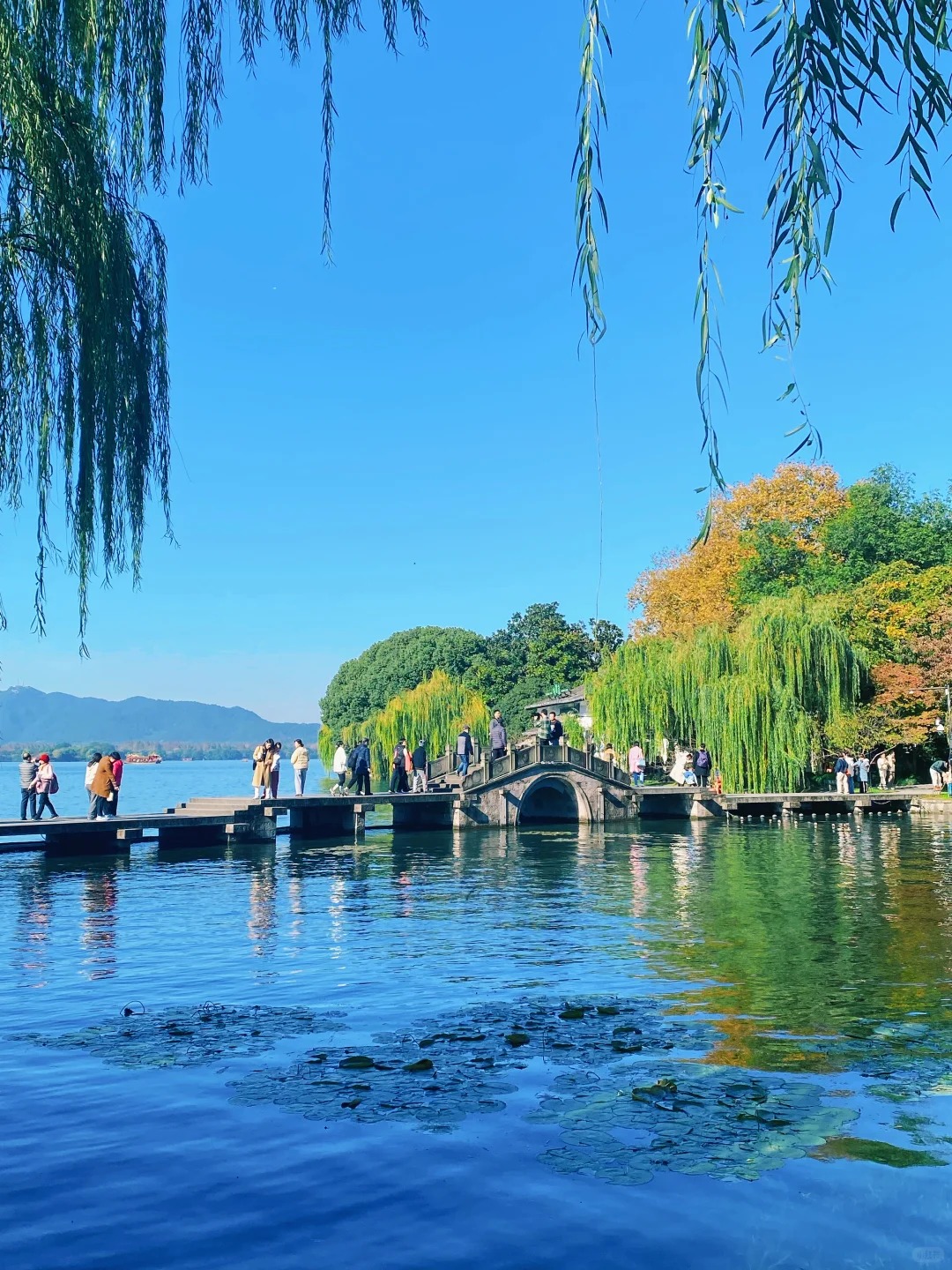
You cannot separate Hangzhou from West Lake. It is the city's liquid heart. I arrived at the lake early in the morning, just as the mist was lifting off the water. The famous "Su Causeway" cut a green line across the grey water, lined with peach blossoms and willows.
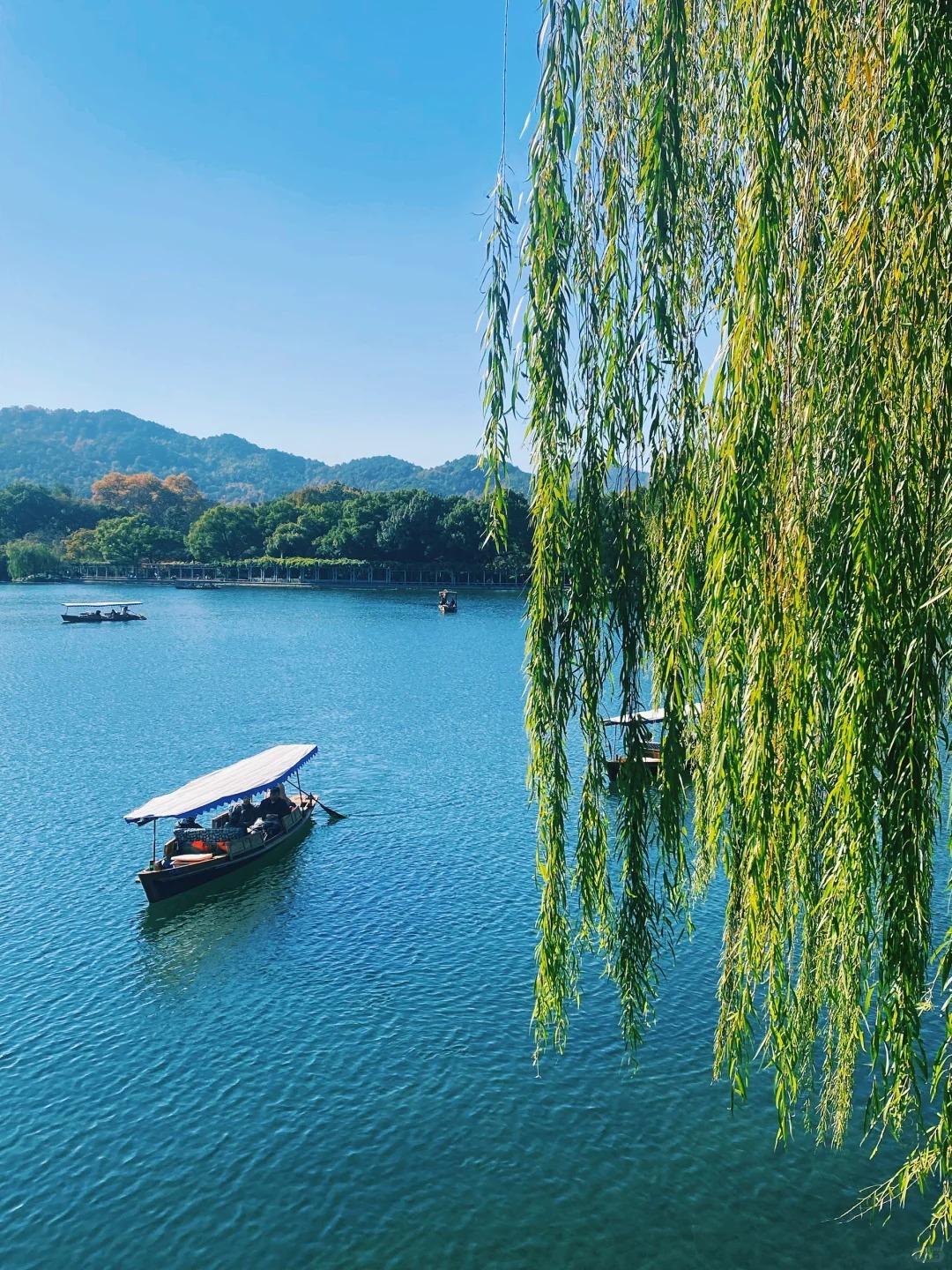
I rented a small wooden hand-rowed boat. My boatman, Mr. Chen, was a man of few words but strong arms. As he rowed, the only sound was the splash-creak of the oar.
"Look," he said, pointing to the Leifeng Pagoda in the distance. "That is where the White Snake Lady was trapped."
He told me the legend of the white snake spirit who fell in love with a mortal man. In Hangzhou, every bridge, every pavilion has a story of love or loss. We drifted past the "Three Pools Mirroring the Moon," stone pagodas that are printed on the back of the 1 RMB banknote. On the water, away from the electric tour boats, time felt fluid. The landscape looked exactly like a traditional ink-wash painting—monochrome, soft, and impossibly romantic.
Longjing: The Pilgrimage of the Leaf
From the water, I headed to the hills. Hangzhou is the birthplace of Dragon Well (Longjing) Tea, the champagne of green teas.
I took a taxi up to Longjing Village, nestled in the mountains southwest of the lake. The air here was cooler and smelled intensely of chlorophyll. The hillsides were terraced with neat rows of tea bushes.
I met a tea farmer who invited me into her home. She showed me how to pick the leaves—"two leaves and one bud," she instructed. Then came the roasting. She pressed the fresh leaves into a hot wok with her bare hands, flattening them against the metal to stop the oxidation.
She brewed a glass for me. Note: a glass, not a cup, so you can watch the leaves dance. The tea was pale green and smelled of roasted chestnuts and orchids. The taste was subtle—sweet, nutty, and refreshing. Sitting there on her porch, watching the clouds snag on the tea terraces, I understood why emperors used to have this water shipped to Beijing. It tasted like spring itself.
The Taste of the Scholar
Hangzhou cuisine is known for being light, fresh, and slightly sweet. For dinner, I went to a historic restaurant to try Beggar’s Chicken.
The waiter brought out a lump of hard clay. "You have to break it," he said, handing me a mallet. I cracked the clay shell open to reveal a lotus leaf wrapper. Inside was a whole chicken, cooked in its own juices until the meat was falling off the bone. The aroma of the lotus leaf had permeated the meat. It was rustic yet sophisticated.
I also tried Dongpo Pork, named after the poet Su Dongpo. It was a square of pork belly, braised in soy sauce and wine until it was a deep, glistening red. It wobbled on the chopstick. It was rich, fatty, and melted in the mouth like savory butter.
Lingyin Temple: A Moment of Zen
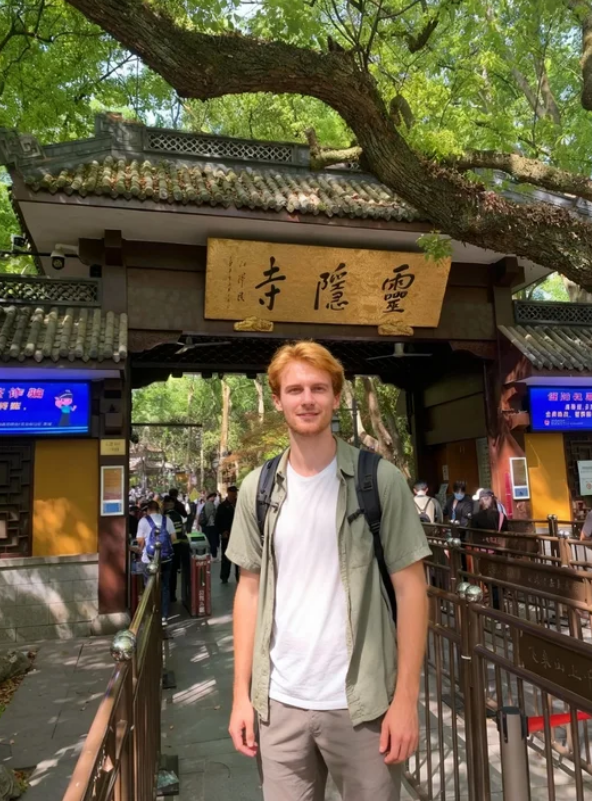
My trip ended at Lingyin Temple (Temple of the Soul's Retreat). Hidden in a valley, it is one of the largest and wealthiest Buddhist temples in China. But the real magic is the Feilai Feng grottos outside—hundreds of Buddha statues carved directly into the limestone cliffs.
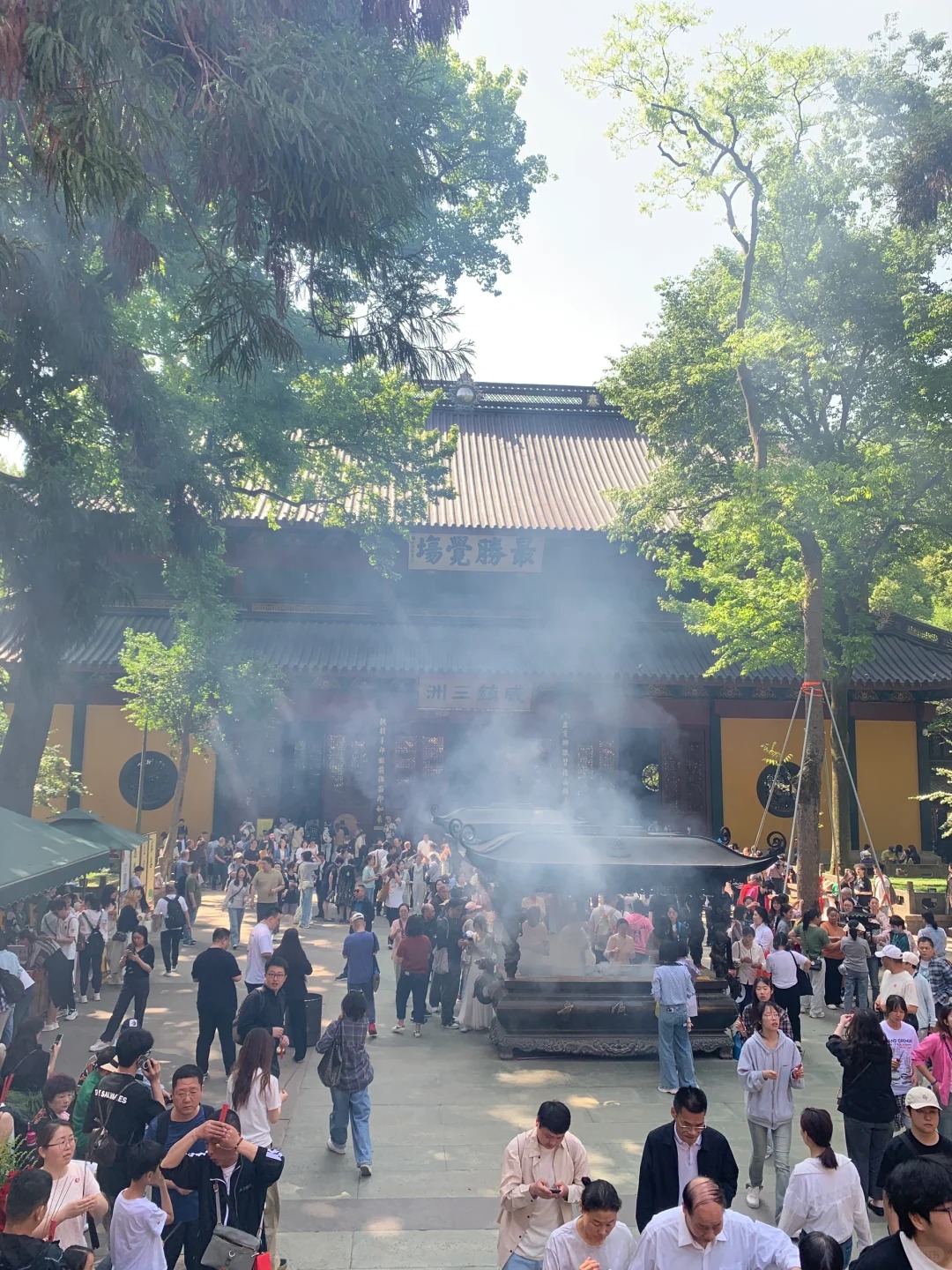
I saw the famous "Laughing Buddha," his belly exposed, his face crinkled in eternal joy. I lit a bundle of incense, bowed three times, and placed it in the large cauldron. The smoke spiraled up into the ancient trees.
Why You Must Go
A "Hangzhou tour" is a lesson in aesthetics. It teaches you to appreciate the curve of a roof, the reflection of a moon in the water, and the complex flavor of a simple leaf. It is a city that doesn't just want you to look at it; it wants you to feel it.