To understand Yu Garden, or the Garden of Happiness, in Shanghai, you have to understand the concept of contrast. Shanghai is a city that screams the future. It is a forest of skyscrapers, neon lights, and hyper-speed trains. Yet, tucked away just a few minutes’ walk from the soaring Jin Mao Tower and the bustling shopping district of Nanjing Road, lies a pocket of serenity that dates back to the Ming Dynasty. This is where I found myself one humid afternoon, seeking refuge from the sensory overload of the city.
The garden was built in 1559 by Pan Yunduan, a government official, to please his aging parents and provide them with a peaceful place to enjoy their old age. The name “Yu” means “peace and health,” and you can feel that intention in every stone. Entering the garden feels like stepping through a portal. The noise of the traffic is suddenly replaced by the sound of water cascading over rocks and the rustle of bamboo.
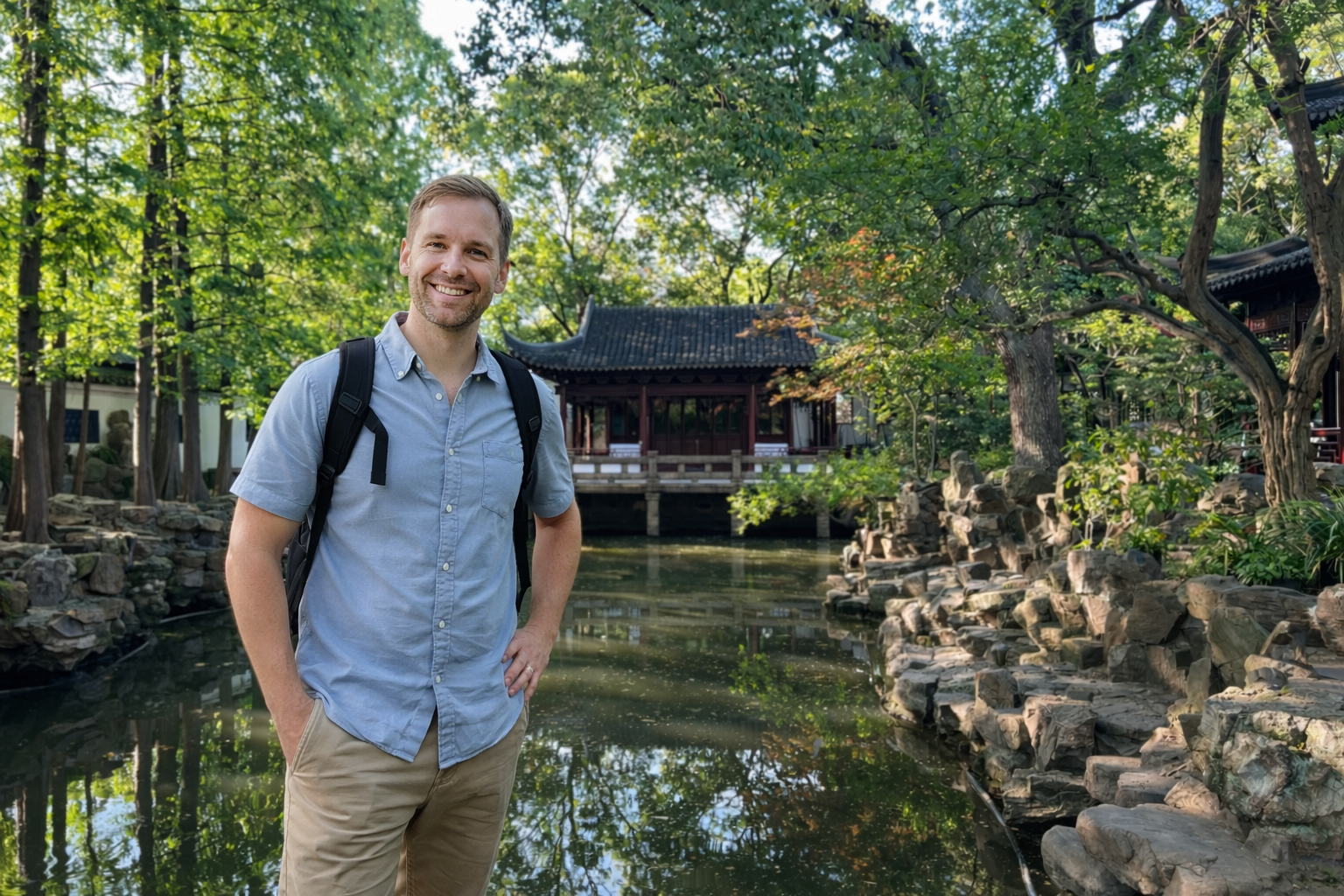
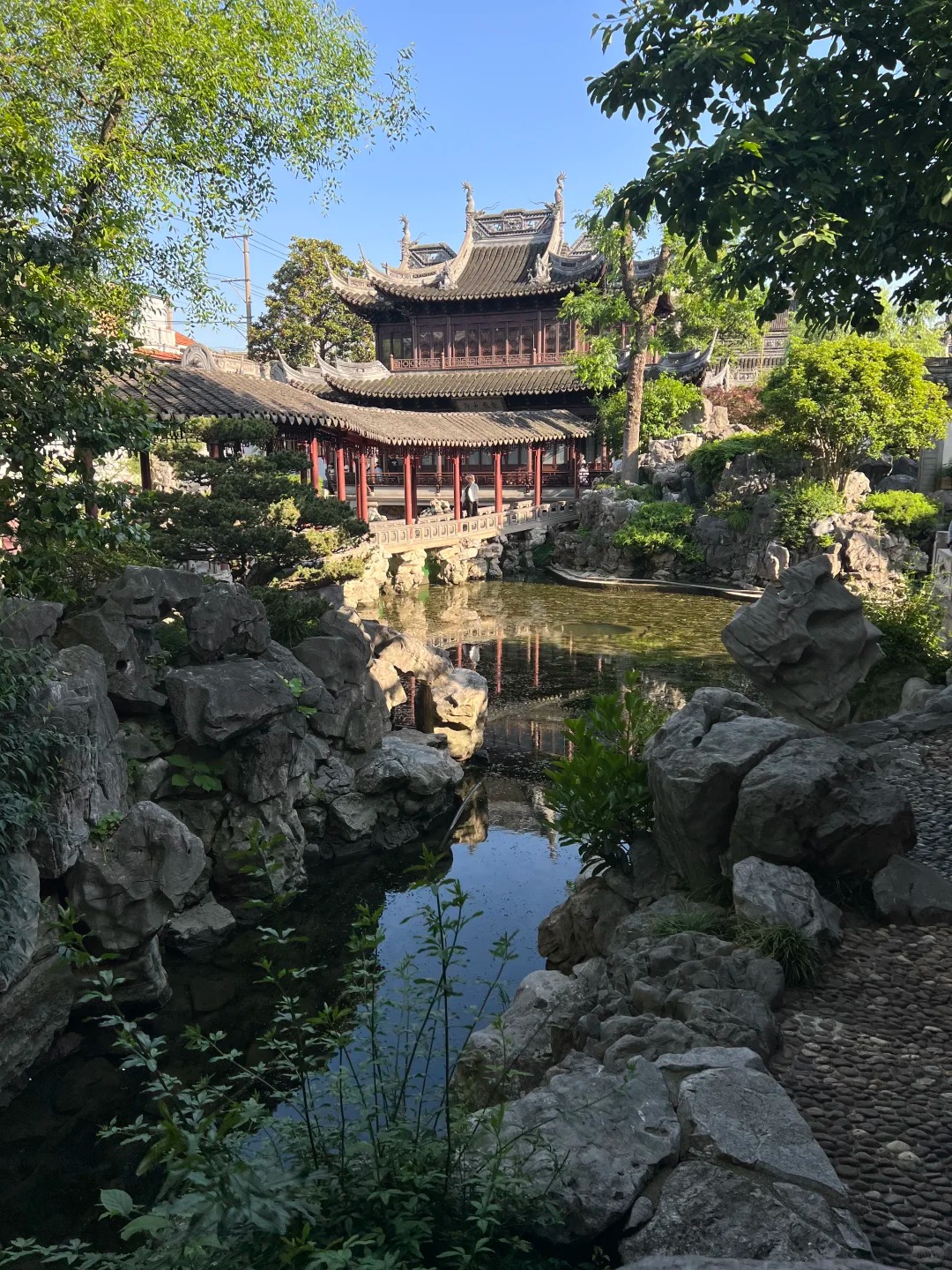
I remember the layout being surprisingly complex. It’s not a big garden, covering only about five acres, but it feels like a labyrinth. It is designed to surprise you. As you walk, the path winds back and forth, never allowing you to see the whole picture at once. This is a classic technique in Chinese garden design—to create a sense of vastness in a small space. I found myself turning a corner and suddenly stumbling upon the “Inner Garden,” a miniature masterpiece separated from the outer garden by a dragon wall.
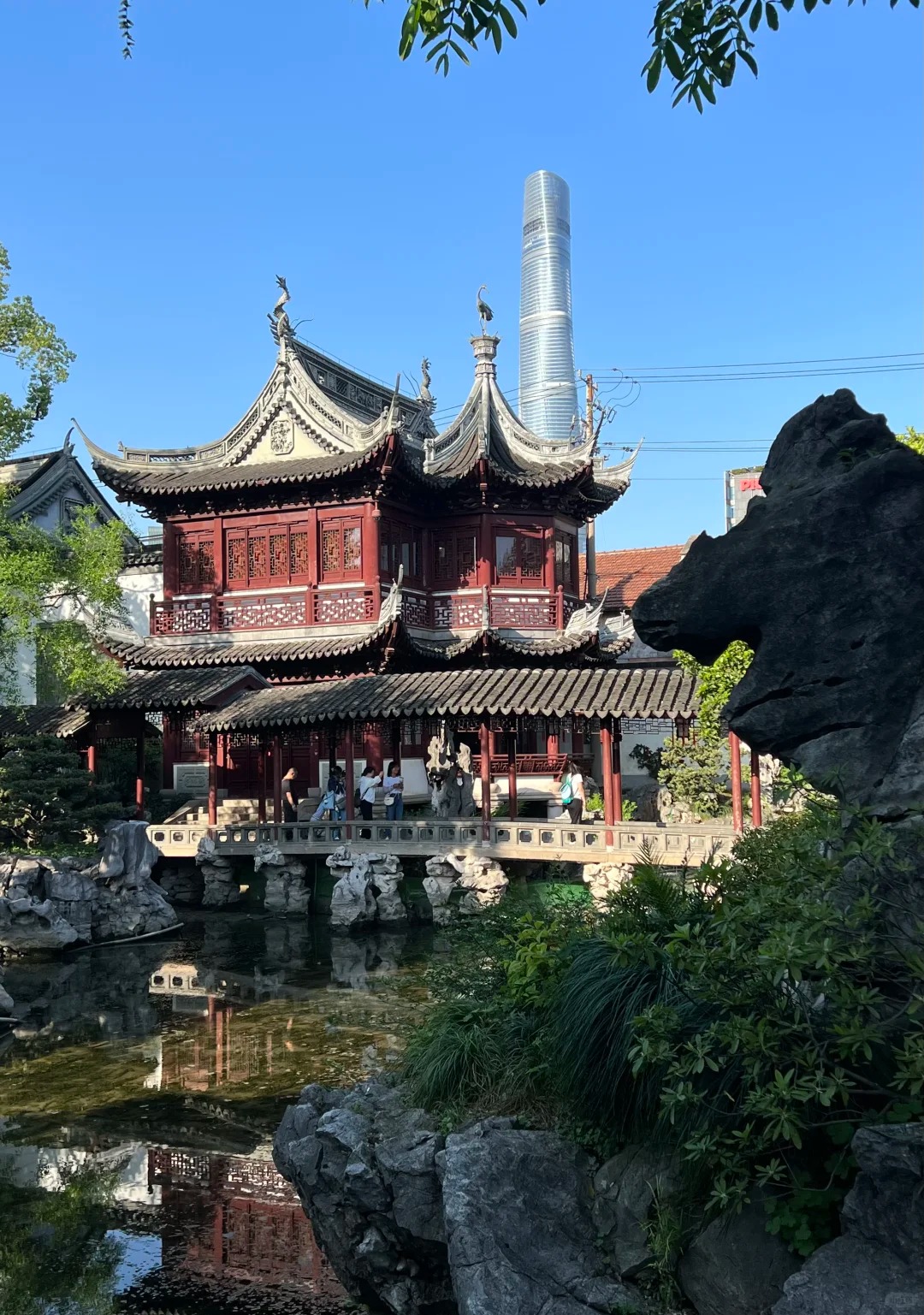
The rockeries in Yu Garden are legendary. They are made of yellow stone, and they are massive. I climbed to the top of the Great Rockery, the largest in southern China. It stands about fourteen meters high. From the summit, you can look down over the pavilions and the jagged peaks of the rocks below. Standing there, I tried to imagine Pan Yunduan standing in the same spot four hundred years ago. The view of the garden is beautiful, but the view of the surrounding city is jarring. Looking out, you see the towering modern skyscrapers of Lujiazui looming over the ancient tiled roofs. It’s a visual clash that creates a unique tension—the ancient past standing firm against the futuristic present.
One of my favorite spots was the Exquisite Jade Rock. It’s a piece of porous rock, about five meters high, riddled with holes. The legend goes that if you burn incense under the rock, the smoke will float out of all the holes at the top. It is a geological curiosity, but to me, it looked like a piece of abstract art. It sat in the center of a courtyard, surrounded by delicate windows and moon gates. I sat there for a long time, just watching the shadows move across the rock’s surface.
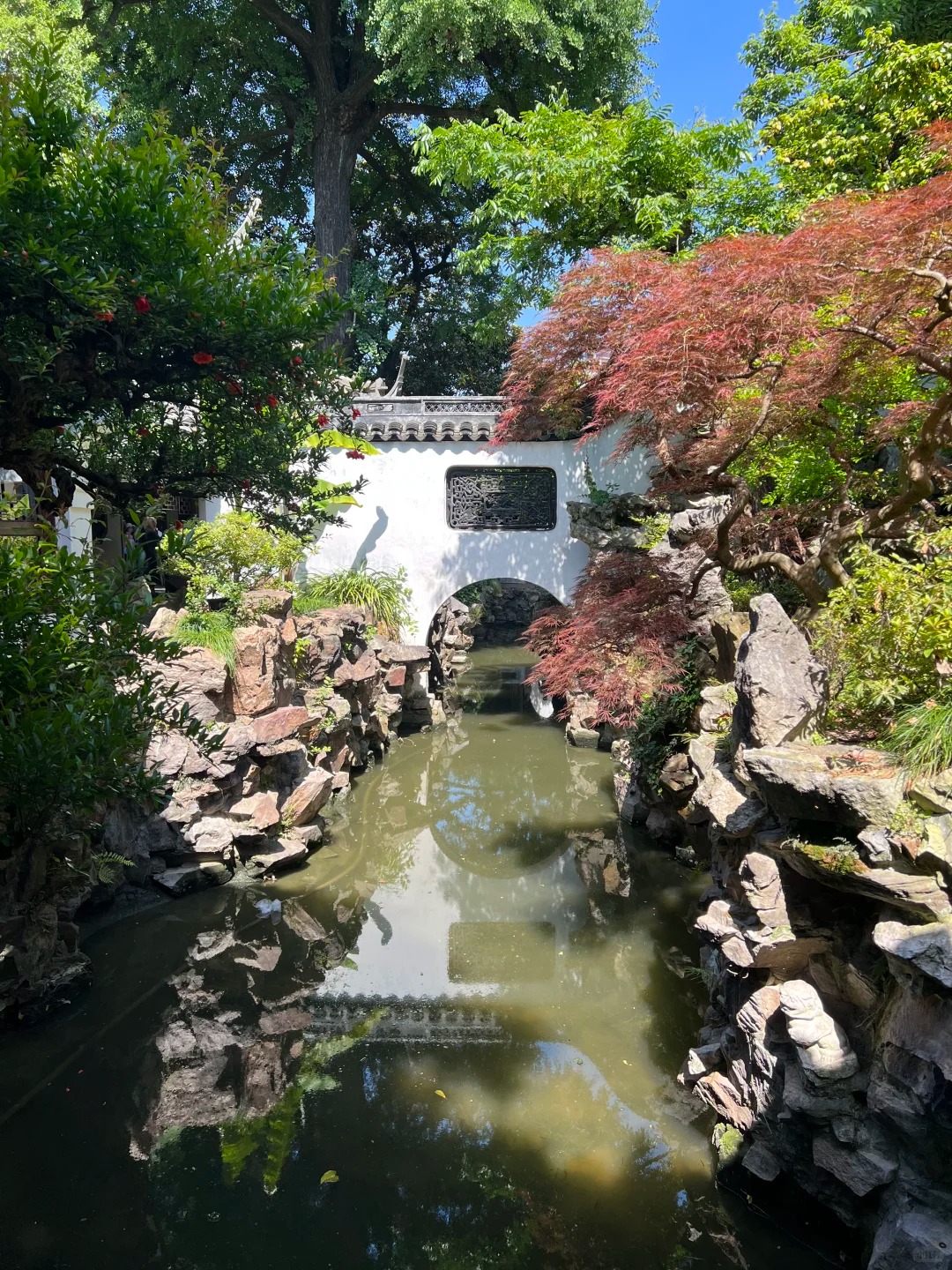
The details in the architecture are mind-boggling. The roofs of the pavilions curve up at the corners, adorned with dragons and phoenixes. The eaves are decorated with intricate clay sculptures depicting scenes from Chinese folklore and the Opera. Every beam and every tile seems to tell a story. I recall walking through the “Nine-Turn Bridge” in the nearby Huxinting Teahouse area. This zigzag bridge was designed to ward off evil spirits, who, according to legend, can only walk in straight lines. It’s charming to think that such a functional architectural feature is rooted in a mythical belief.
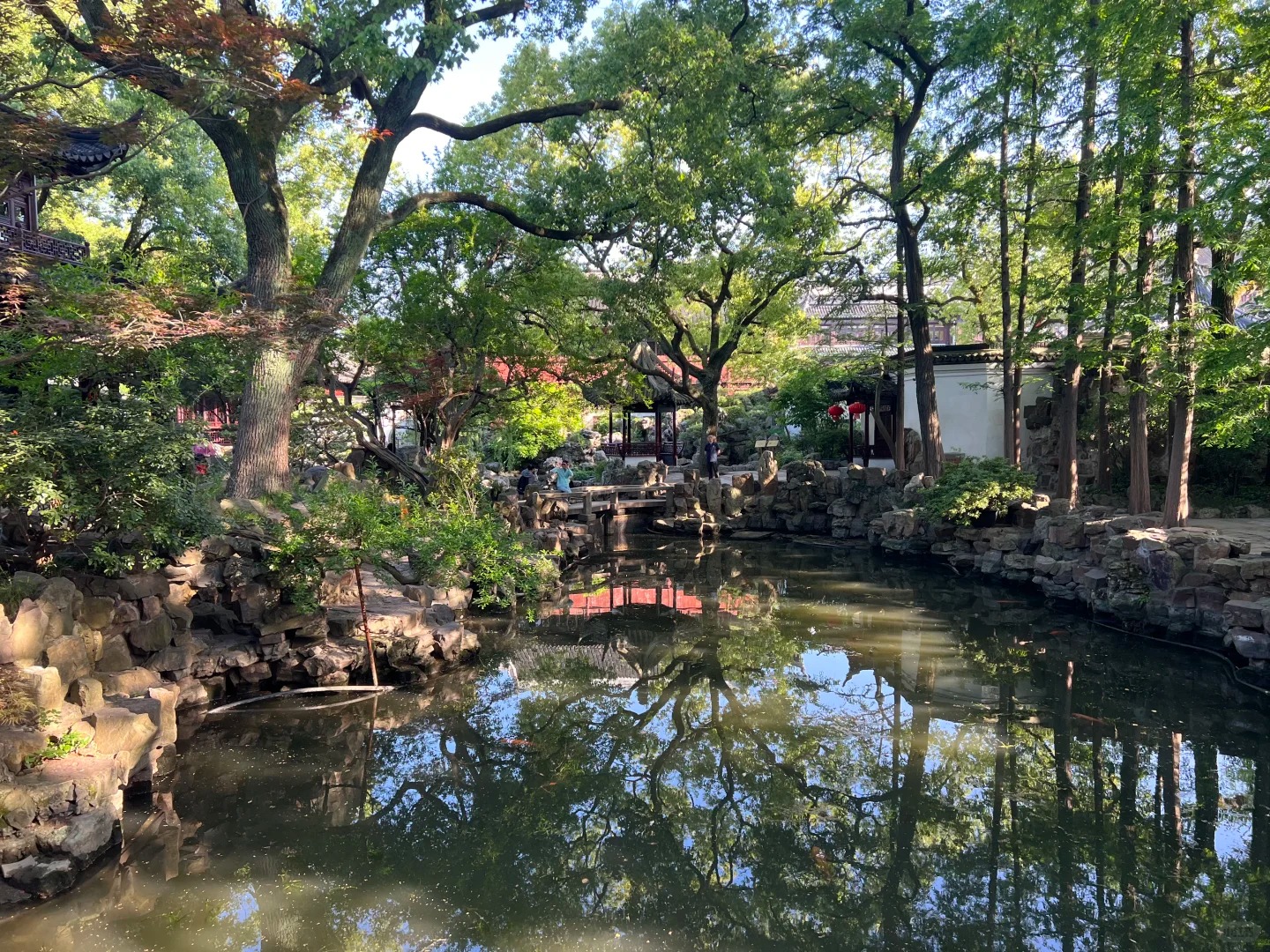
I ended my visit at the Huxinting Teahouse, which sits in the middle of a lotus pond right next to the garden. It is possibly the most famous teahouse in China, known for its appearance on postcards and travel guides. I sat by the window, sipping a cup of Biluochun tea. The tea leaves are green and spiral-shaped, dancing in the hot water. The tea was refreshing, grassy, and slightly sweet. Outside the window, koi fish jostled for food near the surface of the water.
Leaving Yu Garden, I walked straight back into the chaos of the Yuyuan Bazaar, a tourist market filled with vendors selling silk, dumplings, and souvenirs. The transition was jarring. But I carried that sense of “Yu”—peace and health—with me. The garden taught me that in the middle of the fastest-paced city in the world, it is possible to carve out a space of silence. It is a testament to the enduring power of filial piety and the human need for nature. It wasn’t just a garden I visited; it was a sanctuary I borrowed for a few hours. If you find yourself in Shanghai, overwhelmed by the noise and the crowds, do yourself a favor: step through the gate of Yu Garden, and for a moment, step out of time.