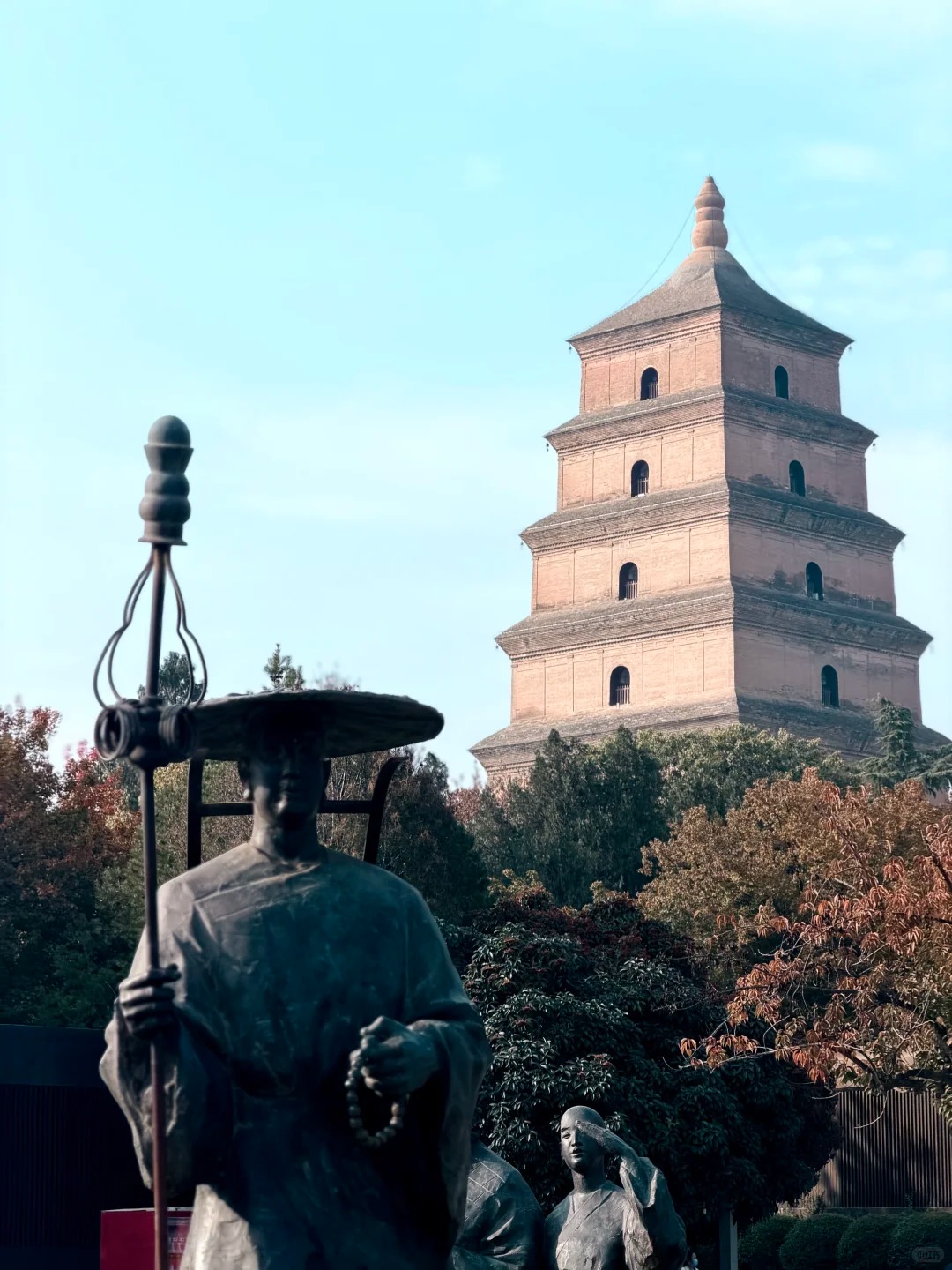
Today's Xi'an is a bustling modern metropolis, but beneath its skyscrapers lies Chang'an—one of the greatest cities in human history. To walk through Xi'an is to walk in the footsteps of a global capital. My pursuit of Tang Dynasty Chang'an began at the Giant Wild Goose Pagoda, built to house Buddhist sutras brought from India by the monk Xuanzang. Climbing its narrow, ancient stairways, I looked out over the city. The modern grid, I realized, still faintly echoes the magnificent, meticulously planned layout of the Tang capital, which was over eight times the size of contemporary Byzantine Constantinople.

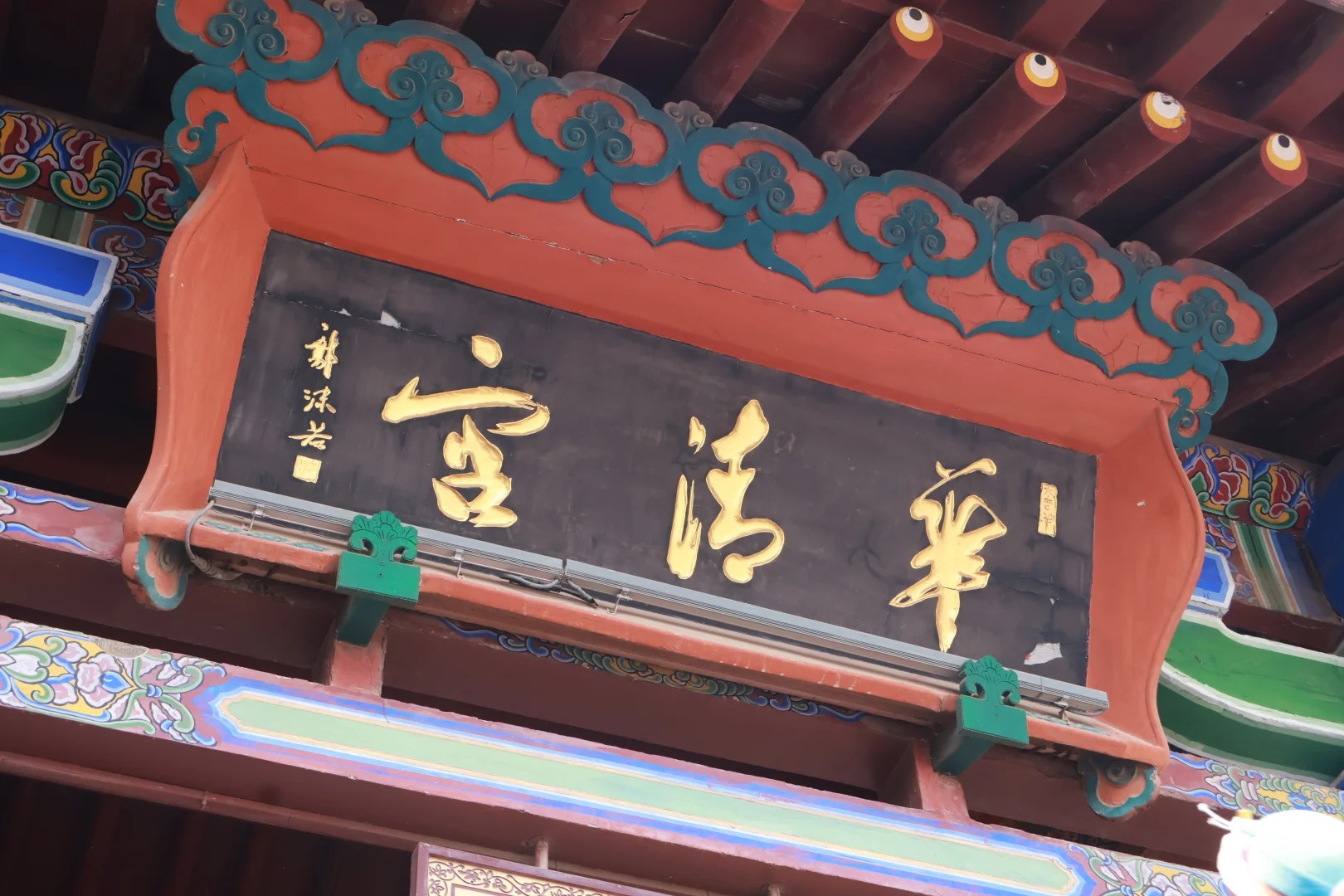
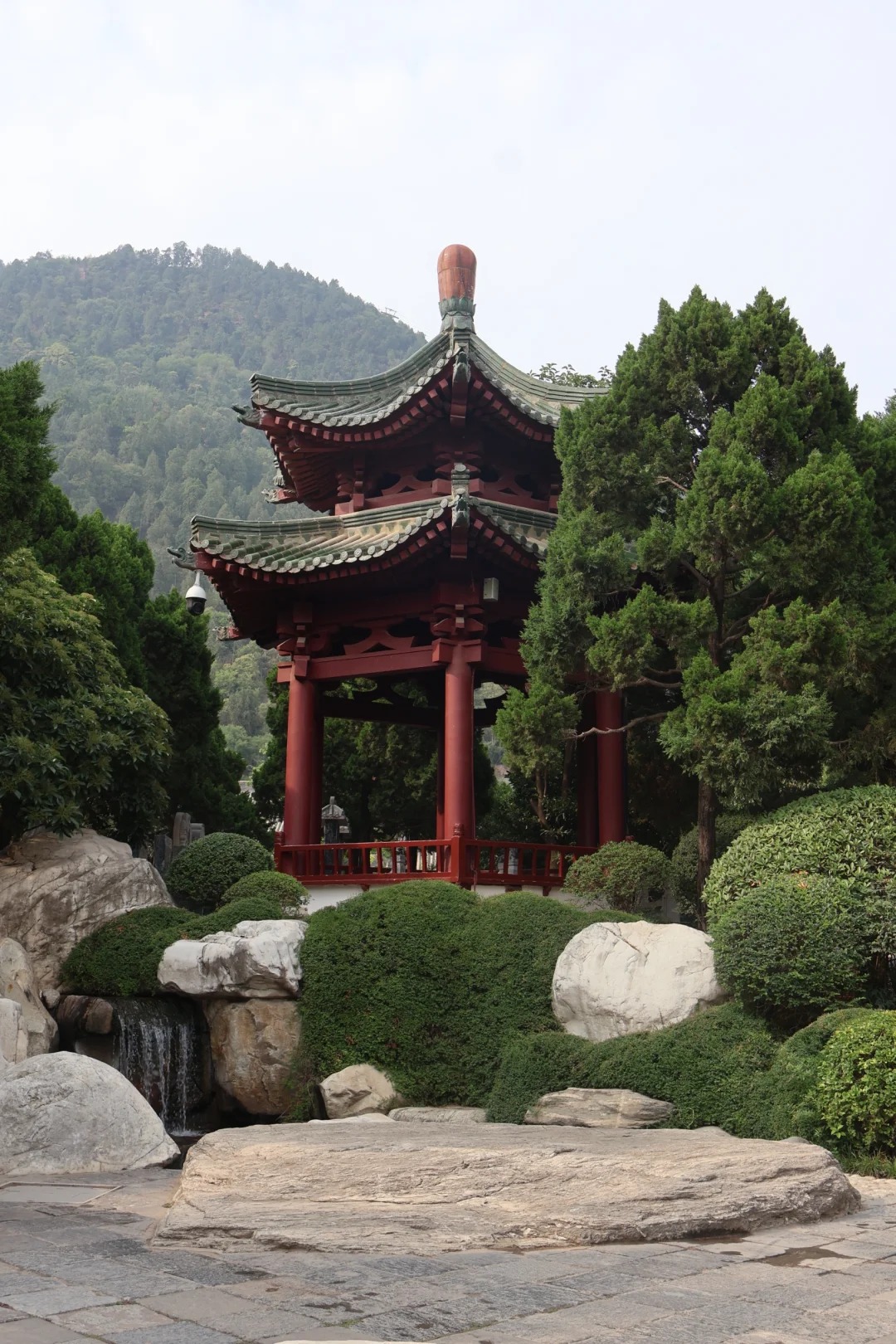
The grandeur of that era is palpable at the Huaqing Palace pools at the foot of Mount Li. Here, Tang emperors, most famously Xuanzong with his beloved Consort Yang, retreated to bathe in the hot springs. Standing by the restored marble pools, surrounded by tranquil gardens, it was easy to imagine the scene of courtly luxury, political intrigue, and poetic inspiration that once flourished here. This was the era of China's golden age of poetry, where giants like Li Bai and Du Fu drank wine and composed verses that are still memorized today.
To truly grasp Chang'an's global scope, I spent an afternoon in the Stele Forest Museum. Among hundreds of stone tablets, one monument stopped me cold: the Nestorian Stele. Carved in 781 AD, it documents 150 years of Christian activity in China, with text in Chinese and Syriac. Nearby, tablets bear inscriptions in languages I couldn't recognize—a silent testament to the diversity of the city. Chang'an was a true cosmopolis, with dedicated quarters for Persians, Arabs, Koreans, Japanese, and Uighurs. Its markets sold spices from Indonesia, jade from Khotan, and glass from Syria.
This international exchange was not just commercial but intellectual and spiritual. The Great Mosque in the Muslim Quarter, with its beautiful fusion of Chinese pavilion architecture and Arabic calligraphic decoration, stands on a site established in the Tang Dynasty. Different faiths and ideas coexisted and cross-pollinated in Chang'an's vibrant intellectual climate.
The legacy of Chang'an is not confined to museums. It's in the spirit of openness and cultural confidence that still permeates Xi'an. As a historian at the Shaanxi History Museum told me, "Chang'an didn't just welcome the world; it digested it, learned from it, and made it Chinese." That transformative power is the enduring gift of the city once known as Chang'an.