You cannot understand the scale of the Three Gorges Dam from a photograph.
You have to stand on the 185 Platform, named for its height in meters above sea level, and feel the concrete vibrate beneath your feet.
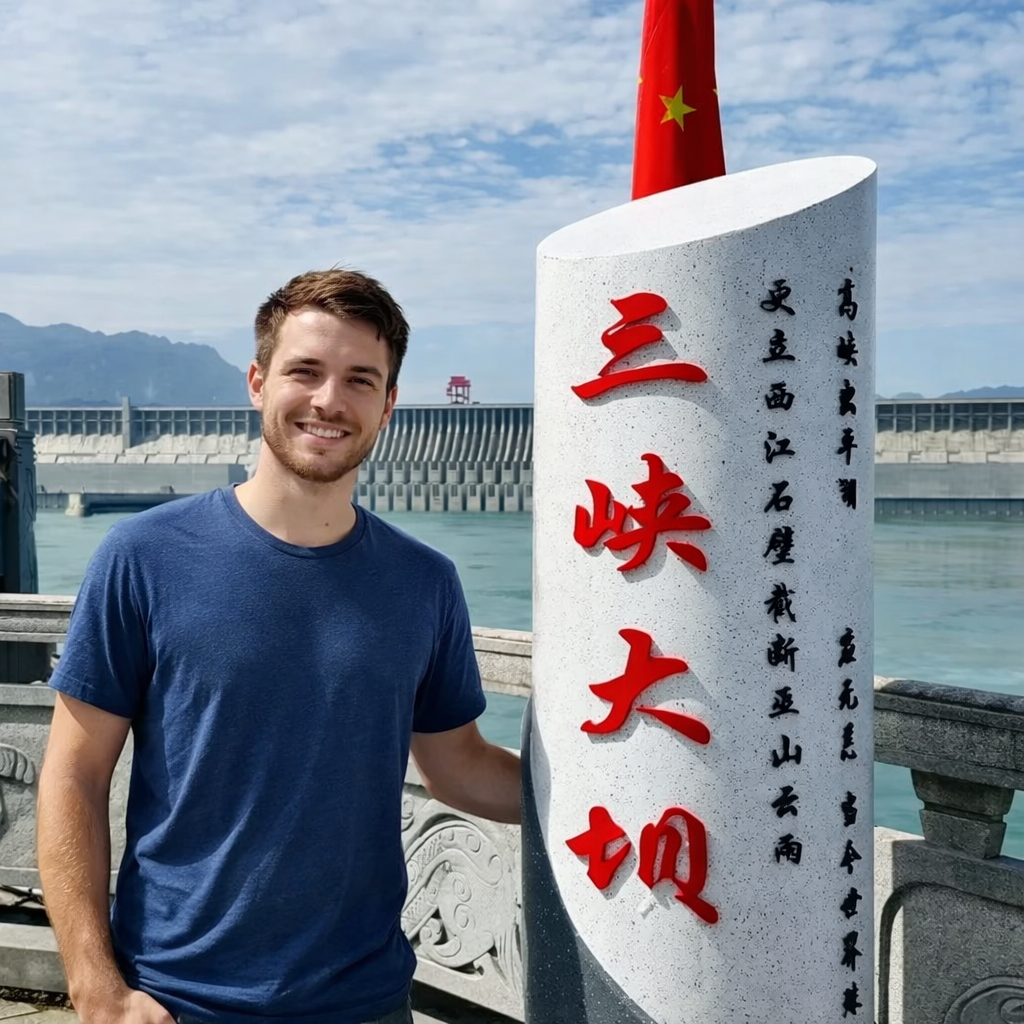
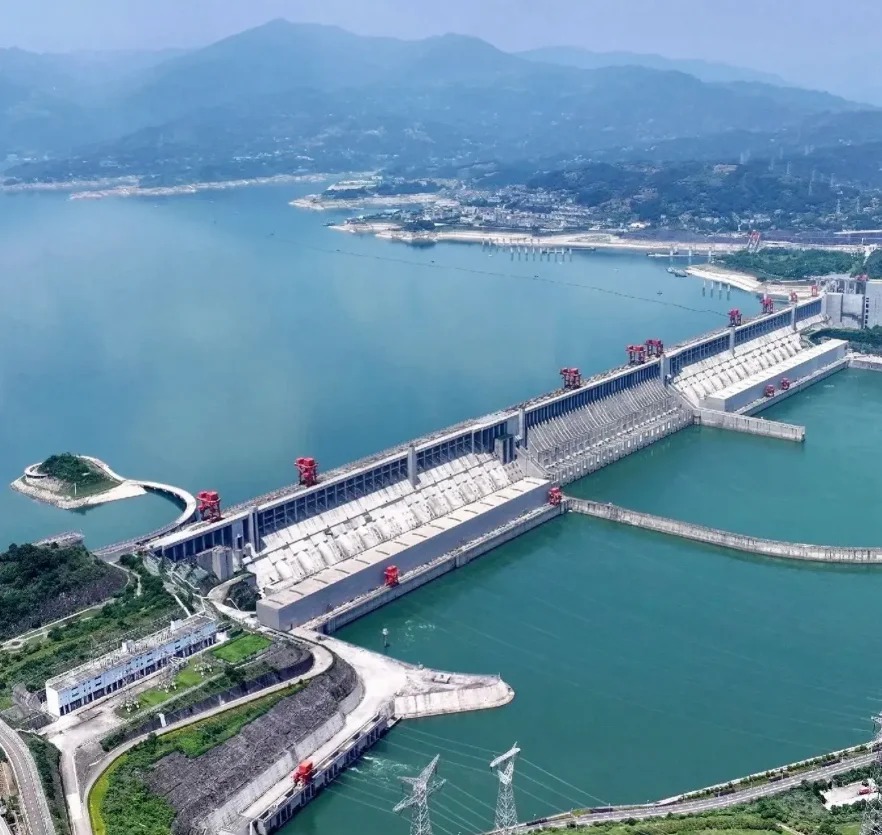
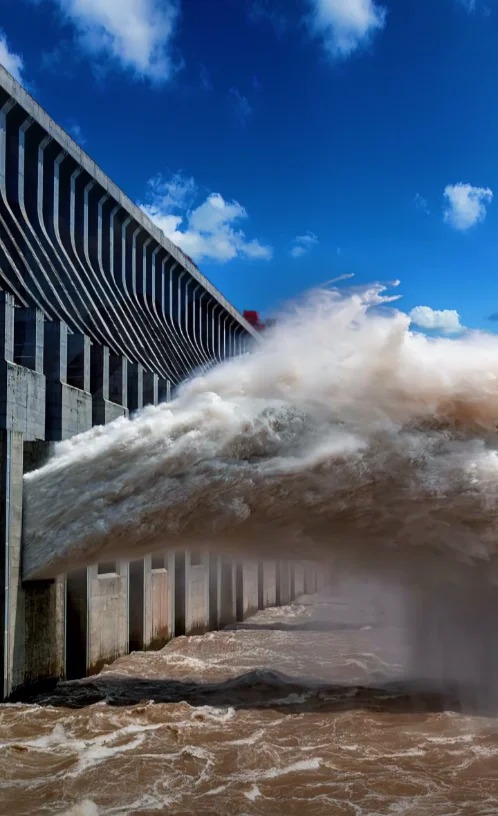
I stood there, dwarfed by the sheer mass of the structure. To my right, the reservoir stretched out like a calm, emerald sea, "cutting off the clouds and rain of Wushan," as Mao Zedong's poem predicted. To my left, the water roared through the spillways, a man-made waterfall that crashed down with the force of a thousand thunderstorms. The spray rose hundreds of meters into the air, creating a permanent rainbow.
But the highlight wasn't the dam wall itself; it was the Ship Lift.
I boarded a sightseeing boat to experience it. This isn't a lock; it's an elevator. A literal elevator for ships.
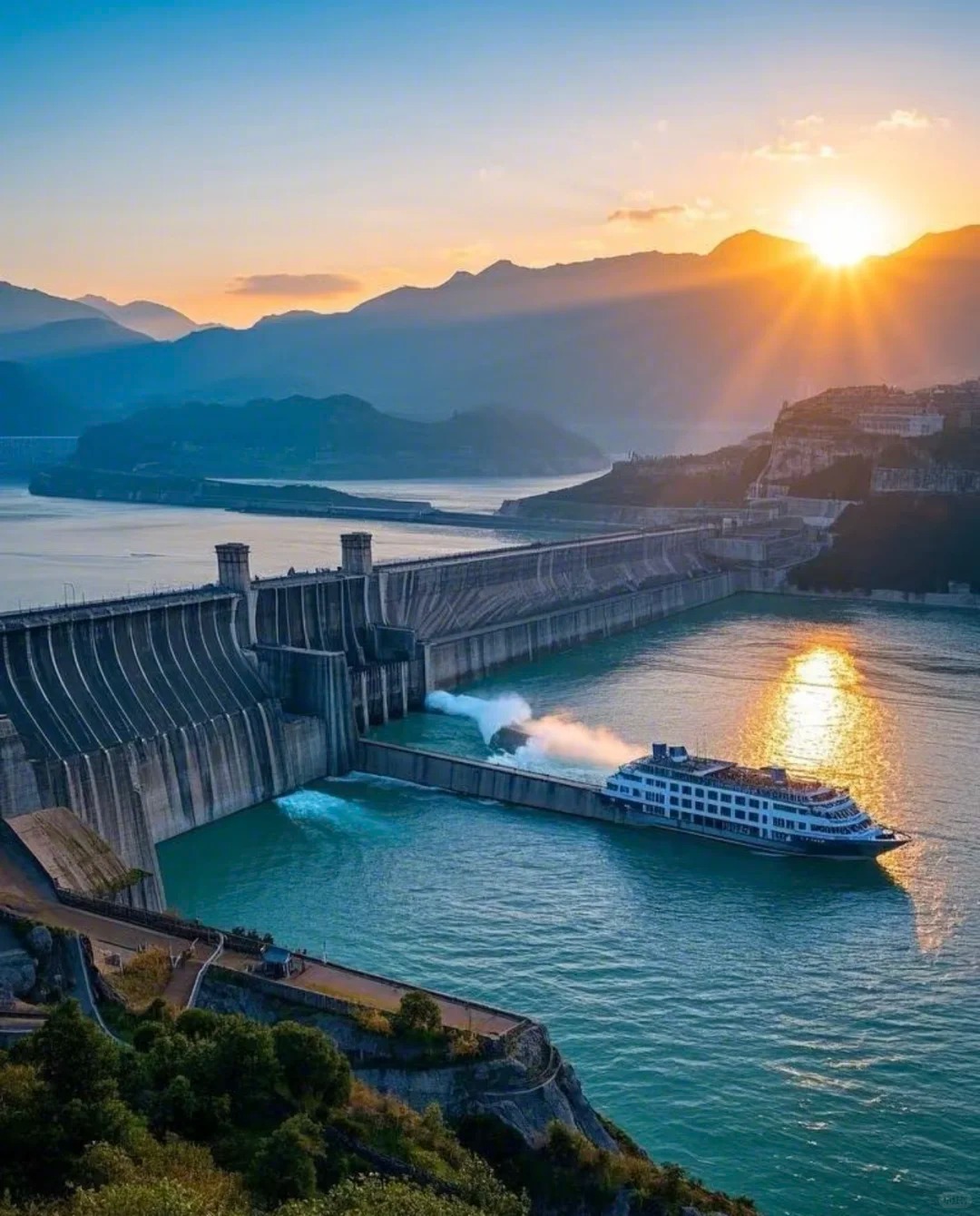
We floated into a massive water-filled chamber. The heavy metal gates closed behind us, sealing us in. Then, with a surprisingly smooth hum, the entire chamber—water, boat, and all—began to rise.
We were being lifted 113 meters (about 370 feet) straight up. I looked at the concrete walls gliding past. It felt like being inside a sci-fi movie. In the old days, ships had to wait four hours to pass through the five-stage ship locks.
We made the ascent in 40 minutes.
When the top gates opened and we sailed out onto the high reservoir level, the passengers erupted in applause. It was a moment of pure engineering awe.
Later, I visited the interception memorial park. Seeing the massive tetrahedron stones used to block the river during construction, I felt a complicated mix of emotions. The dam is controversial, yes. It changed
the ecosystem and displaced millions. But standing there, witnessing the control of such immense natural power, I felt a deep, begrudging respect for the human will to survive and engineer its environment. It is a modern Great Wall, written in concrete and water.