The moment I stepped through the South Gate of Huizhou Ancient City, the noise of the modern world faded away. The cobblestone streets were worn smooth by centuries of footsteps, and the air smelled of osmanthus and soy sauce from the nearby food stalls. I slowed my pace, letting the rhythm of the ancient city wash over me. This wasn’t just a tourist spot—it was a living, breathing place, where locals still went about their daily lives amid the historic buildings. Huizhou Ancient City, one of China’s four great ancient cities, is a window into Huizhou culture, and I was eager to step through it.
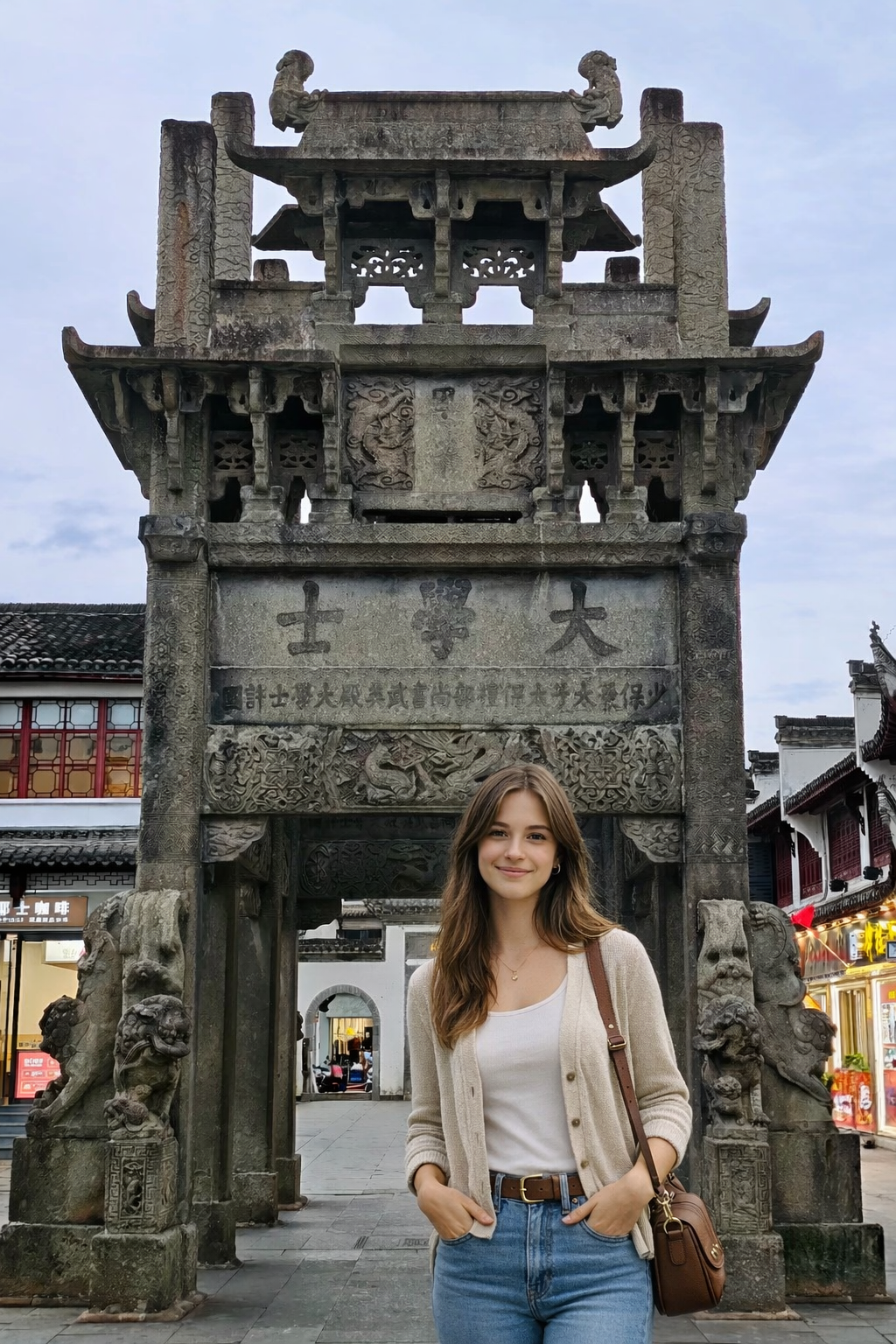
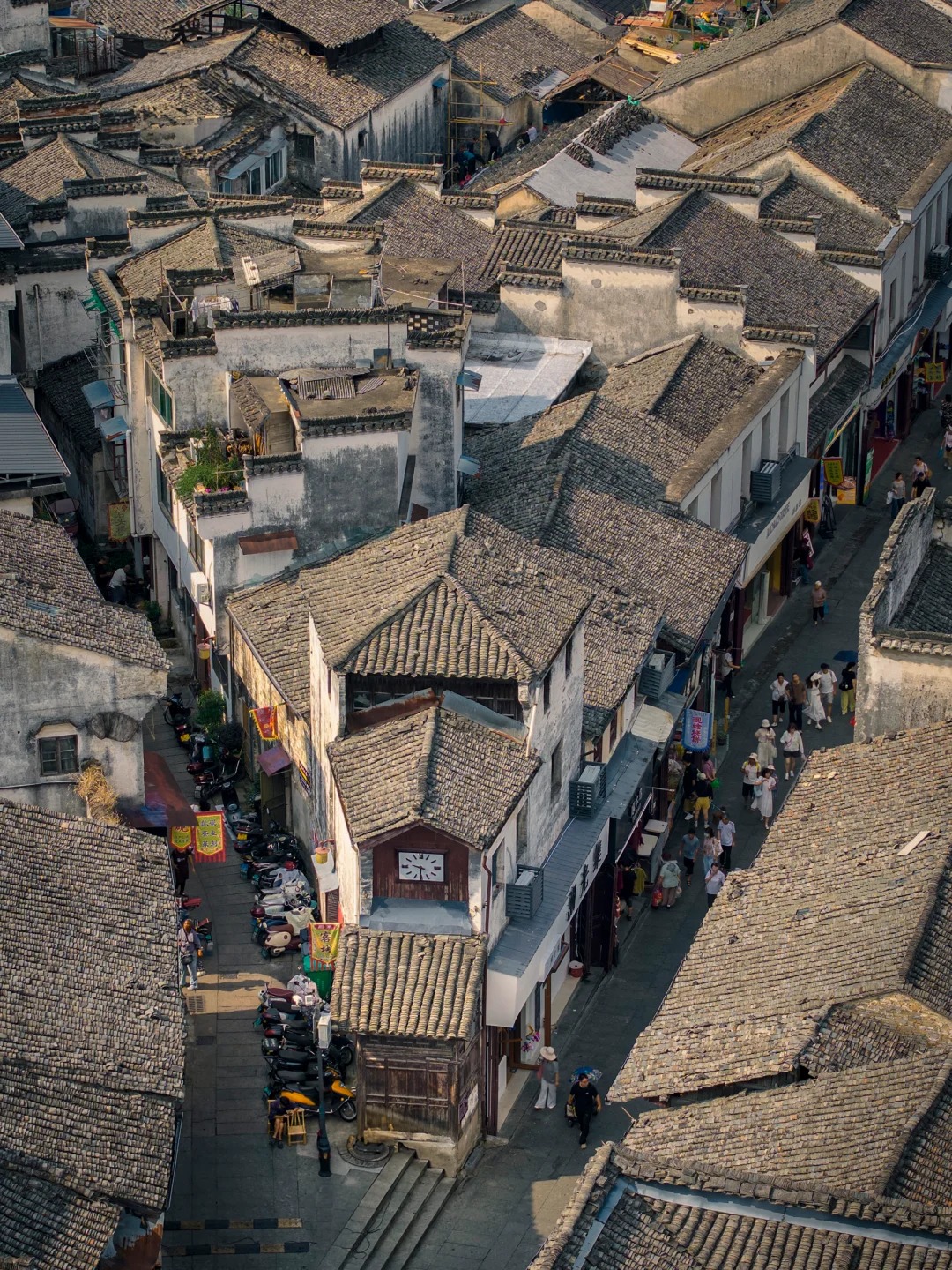
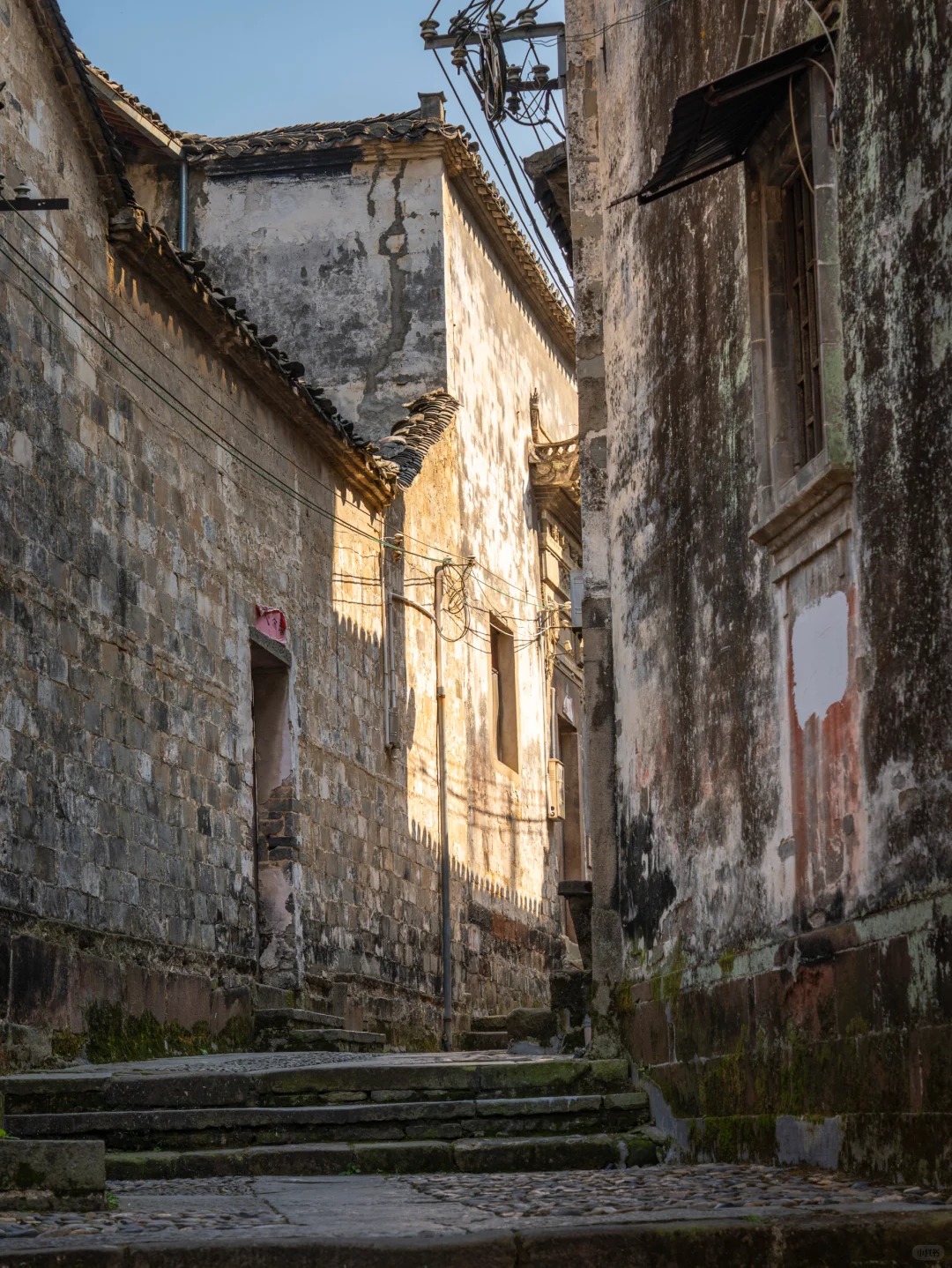
Located in She County, Huangshan City, Anhui Province, Huizhou Ancient City has a history of over 2,200 years. It was the political, economic, and cultural center of the Huizhou region during the Ming and Qing dynasties, and its architecture reflects the unique Huizhou style—white walls, black tiled roofs, and intricate wood carvings. The city is surrounded by 8-kilometer-long ancient walls, which are still well-preserved. I started my exploration by walking along the walls, climbing the stone steps to the top. From there, I had a bird’s-eye view of the entire city: rows of traditional houses with sloping roofs, small courtyards, and narrow alleyways that twisted and turned like a maze.
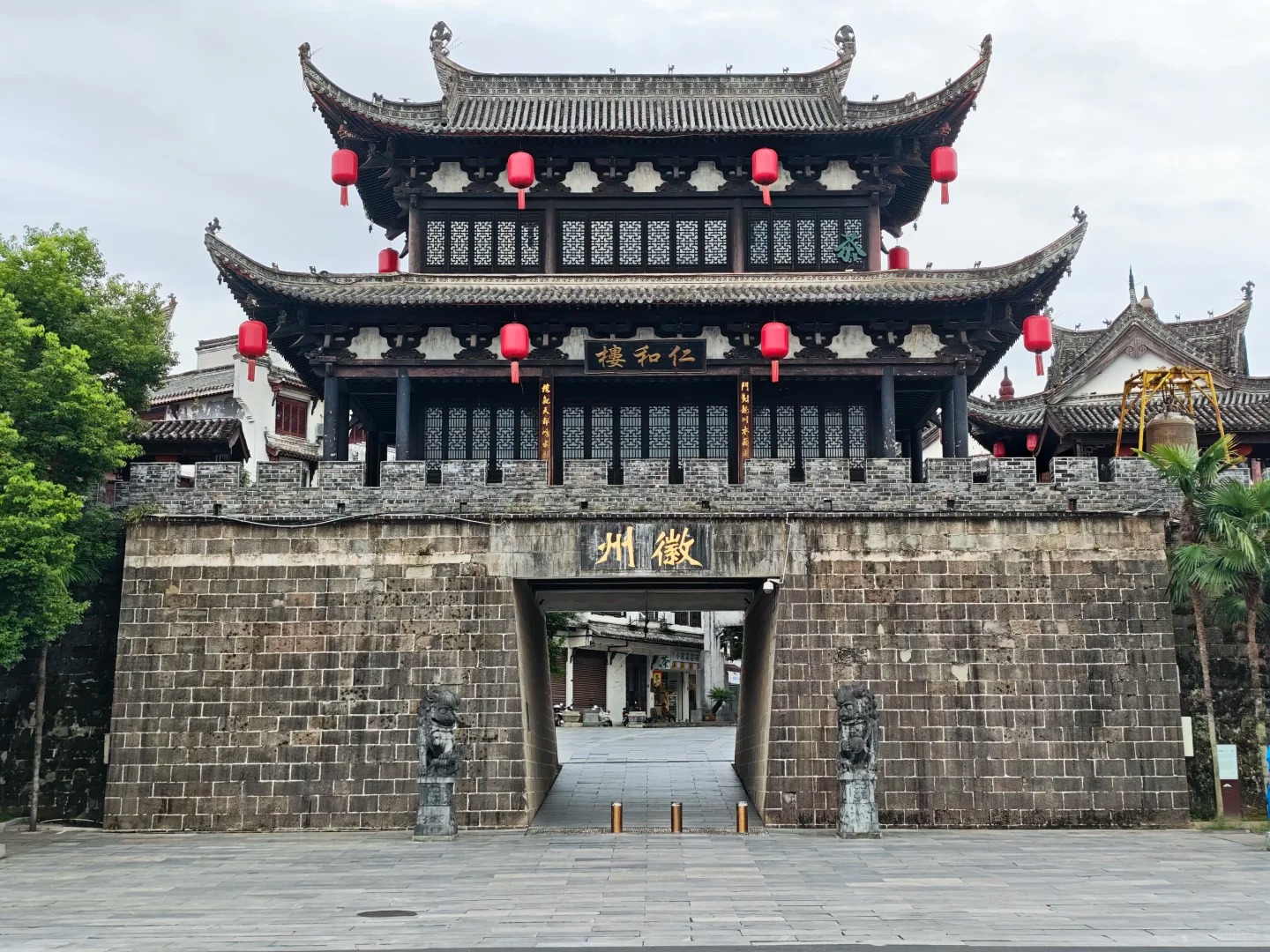
The South Gate, or Nancheng Gate, is the main entrance to the city, and it’s a magnificent structure. Built during the Ming Dynasty, the gate has a tall tower with a curved roof, and the wooden beams are carved with dragons and phoenixes. I stood at the gate for a while, watching locals go about their day—an old man riding a bicycle loaded with vegetables, a woman hanging laundry outside her house, children chasing each other through the streets. A street vendor nearby was selling Huizhou sesame cakes, and the sweet smell made my stomach growl. I bought one, and it was warm and crispy, with a sweet sesame filling that melted in my mouth.
Next, I visited the Huizhou Government Office, which was the seat of local government during the Ming and Qing dynasties. It’s one of the best-preserved ancient government offices in China, and walking through its courtyards felt like stepping back in time. The main hall, Daxing Hall, is a grand building with a high ceiling and red pillars. Inside, there are ancient wooden desks and chairs, and wall paintings depicting scenes from ancient Chinese life. A guide told me that the government office was where officials handled local affairs, held trials, and met with local leaders. “This was the heart of Huizhou’s governance,” she said. I imagined the officials in their robes, discussing matters of state, and it was easy to feel the weight of history in the air.
As I wandered deeper into the city, I stumbled upon a small alleyway lined with craft shops. One shop sold Huizhou ink sticks and She ink stones, which are famous throughout China. The owner, an elderly man with a long beard, showed me how to make ink by grinding the ink stick against the stone with water. “Huizhou ink is known for its rich color and smooth texture,” he said. “It’s been used by calligraphers and painters for centuries.” I bought a small ink stick and ink stone as a souvenir, and he even wrote my name in calligraphy on a piece of rice paper for me.
Lunch was at a small family restaurant hidden in a courtyard. The owner cooked me Huizhou-style braised pork, which is a local specialty. The pork was tender and juicy, cooked in a sweet and savory sauce with soy sauce, sugar, and star anise. I also had stir-fried water spinach and a bowl of rice porridge. The food was simple but delicious, and it tasted like home-cooked meal. The owner told me that her family has been running the restaurant for three generations, and they still use the same recipes passed down from her grandmother. “We don’t change the recipes,” she said. “That’s the taste of Huizhou.”
After lunch, I visited the Chengkan Village, which is part of the Huizhou Ancient City scenic area. The village is known for its well-preserved Ming and Qing dynasty buildings and its unique layout, which is based on the principles of Feng Shui. The streets are narrow and winding, and every house has a small courtyard with a garden. I walked through the village, admiring the intricate wood carvings on the windows and doors. A local woman invited me into her home, which was built in the 18th century. She showed me her family’s ancestral hall, which had a wall covered with photos of her ancestors. “This house has been in our family for seven generations,” she said. “We take good care of it.” It was fascinating to see how the village has preserved its traditional way of life.
In the afternoon, I visited the Huizhou Culture Museum, which showcases the history and culture of the Huizhou region. The museum has a large collection of artifacts, including ancient clothing, furniture, calligraphy, and paintings. One exhibit was about Huizhou merchants, who were famous for their business acumen during the Ming and Qing dynasties. The merchants traveled all over China, trading tea, silk, and salt, and they brought back wealth to Huizhou, which they used to build magnificent mansions and temples. I learned that Huizhou culture is deeply influenced by Confucianism, and that family and education are highly valued.
As the sun began to set, I walked back to the South Gate. The golden light of the sunset painted the white walls and black roofs of the ancient city, making it look even more beautiful. Locals were gathering in the square outside the gate, dancing and chatting. I joined them for a while, watching the dancers move to the sound of traditional Chinese music. It was a lively scene, and it showed that Huizhou Ancient City isn’t just a relic of the past—it’s a vibrant community.
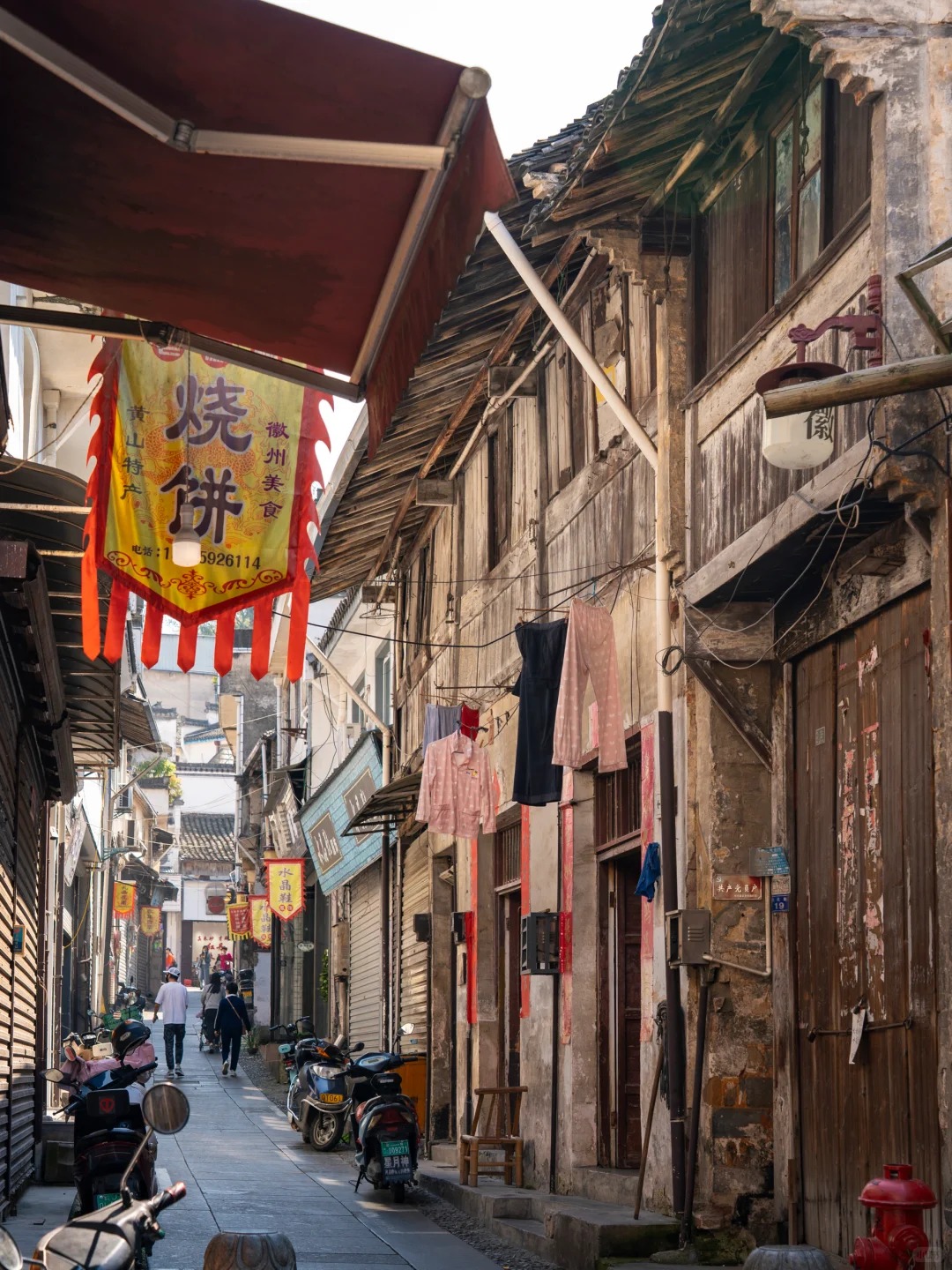
When I left Huizhou Ancient City that evening, I felt a sense of nostalgia. I’d only spent one day there, but I’d fallen in love with its historic charm, its delicious food, and its friendly people. This ancient city is more than just a collection of old buildings—it’s a living museum of Huizhou culture, where the past and present coexist harmoniously. If you’re interested in Chinese history and culture, Huizhou Ancient City is a must-visit. It will transport you back in time and give you a deeper understanding of China’s rich heritage.