I’d always been drawn to mountains with a mix of natural beauty and spiritual significance, so when I heard about Qiyun Mountain Scenic Area—known as “the most magical mountain in southern Anhui”—I knew I had to visit. The drive to the scenic area was through rolling green hills and small villages, and as I got closer, the mountain appeared on the horizon, its peaks shrouded in a light mist. There was something ethereal about it, and I could feel my excitement growing.
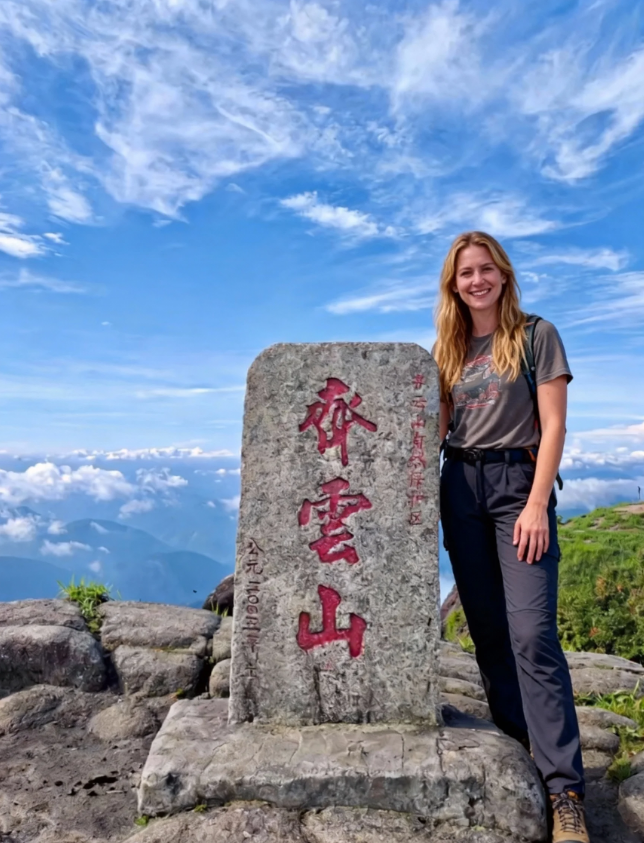
Qiyun Mountain Scenic Area is located in Xiuning County, Huangshan City, Anhui Province, covering an area of over 110 square kilometers. It’s a famous Taoist mountain, and it’s also known for its unique red sandstone peaks and karst landforms. Unlike other sacred mountains that feel imposing, Qiyun Mountain has a gentle, magical quality—its peaks are not the tallest, but they’re incredibly beautiful, with strange shapes that look like animals and mythical creatures. The scenic area is divided into several parts, including the main mountain area, the Hengjiang River area, and the ancient villages at the foot of the mountain.
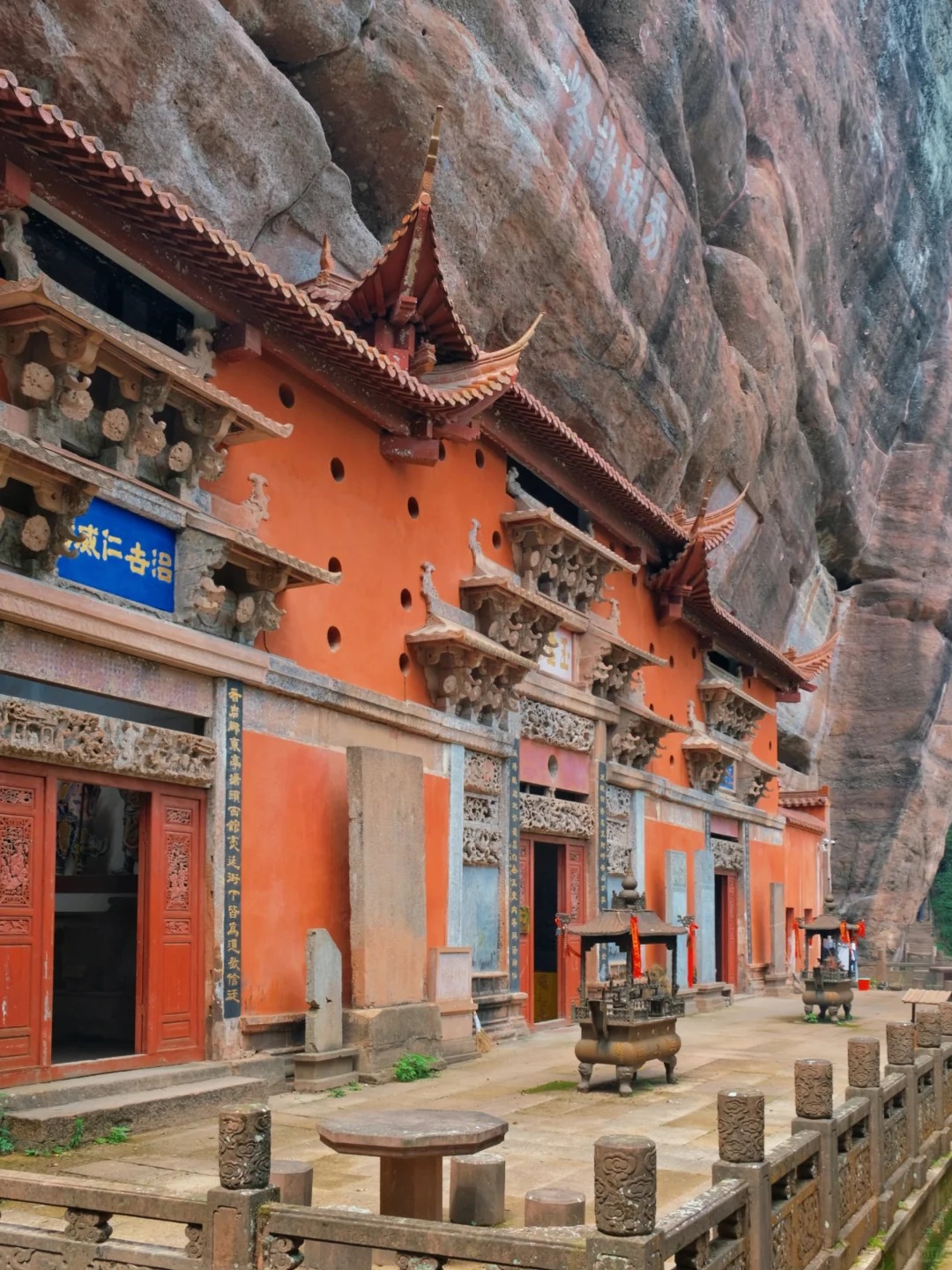
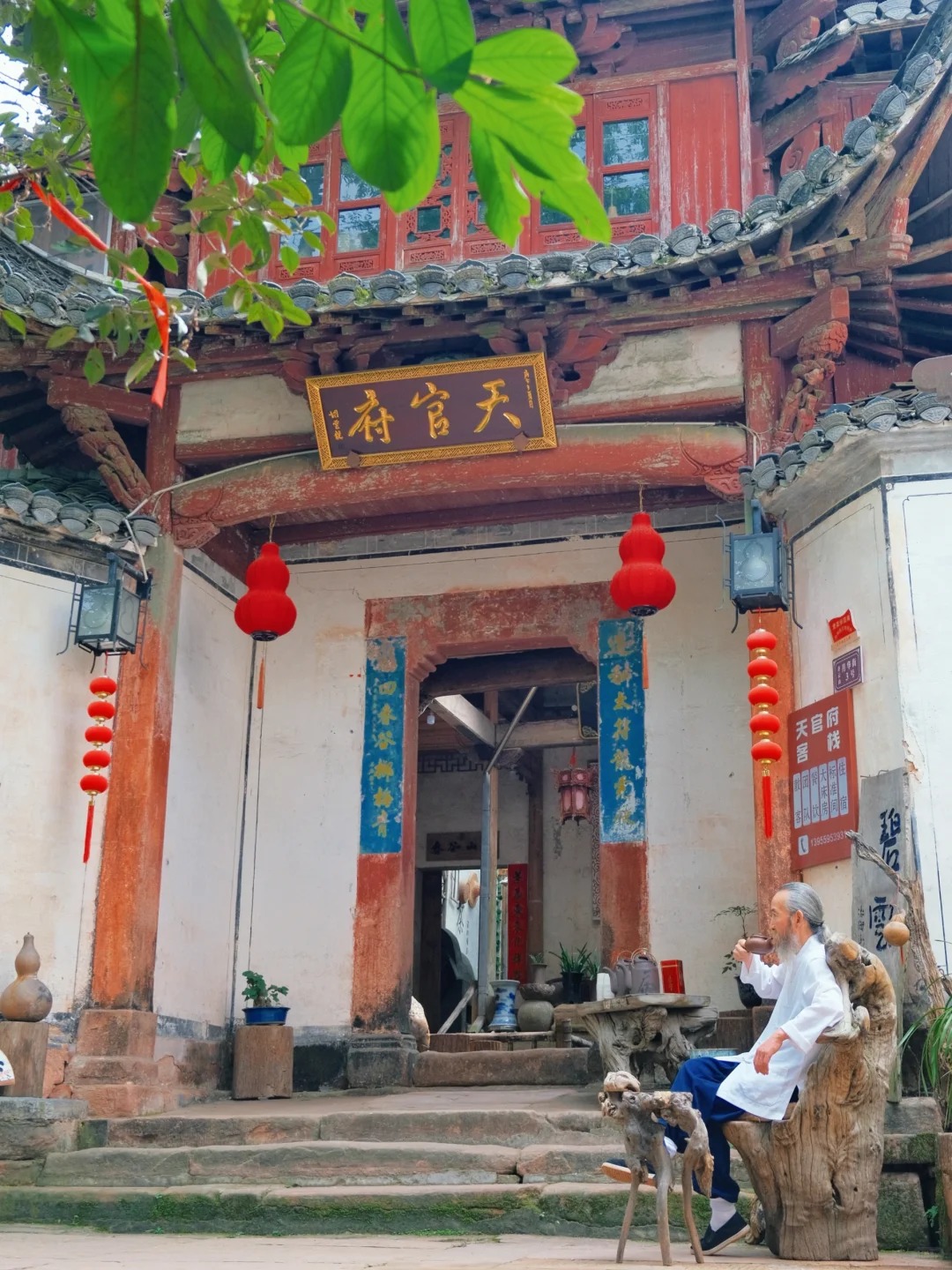
My first stop was the Yuquan Temple, located at the foot of the mountain. It’s a Taoist temple built during the Tang Dynasty, and it’s surrounded by ancient pine trees. The temple’s architecture is simple but elegant, with red walls and gray tiles. Inside, there are statues of Taoist immortals and stone inscriptions from ancient scholars. A Taoist priest showed me around, and he told me that Qiyun Mountain has been a Taoist sacred place for over 1,600 years. “Taoists come here to meditate and seek enlightenment,” he said. “The mountain’s energy is very pure.” I sat in the temple’s courtyard for a while, listening to the wind rustle through the pine trees, and felt a sense of peace.
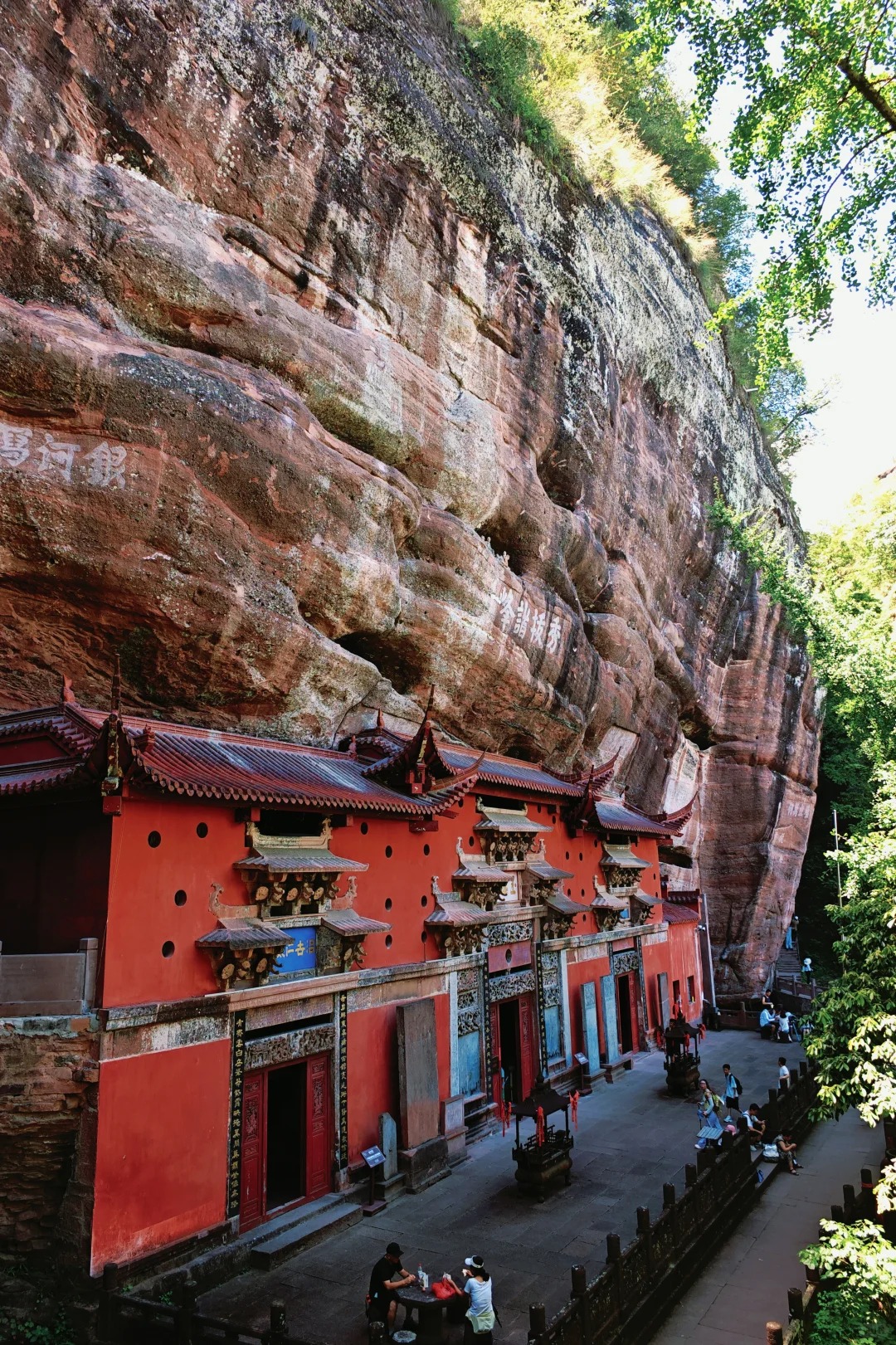
Next, I took the cable car up to the main mountain area. The cable car ride offered stunning views of the red sandstone peaks and the surrounding countryside. As we ascended, I could see the unique rock formations more clearly—there was a peak that looked like a giant turtle, another that looked like a flying phoenix, and one that looked like a Taoist immortal sitting cross-legged. The names of the peaks were as magical as their shapes, and they added to the mountain’s charm.
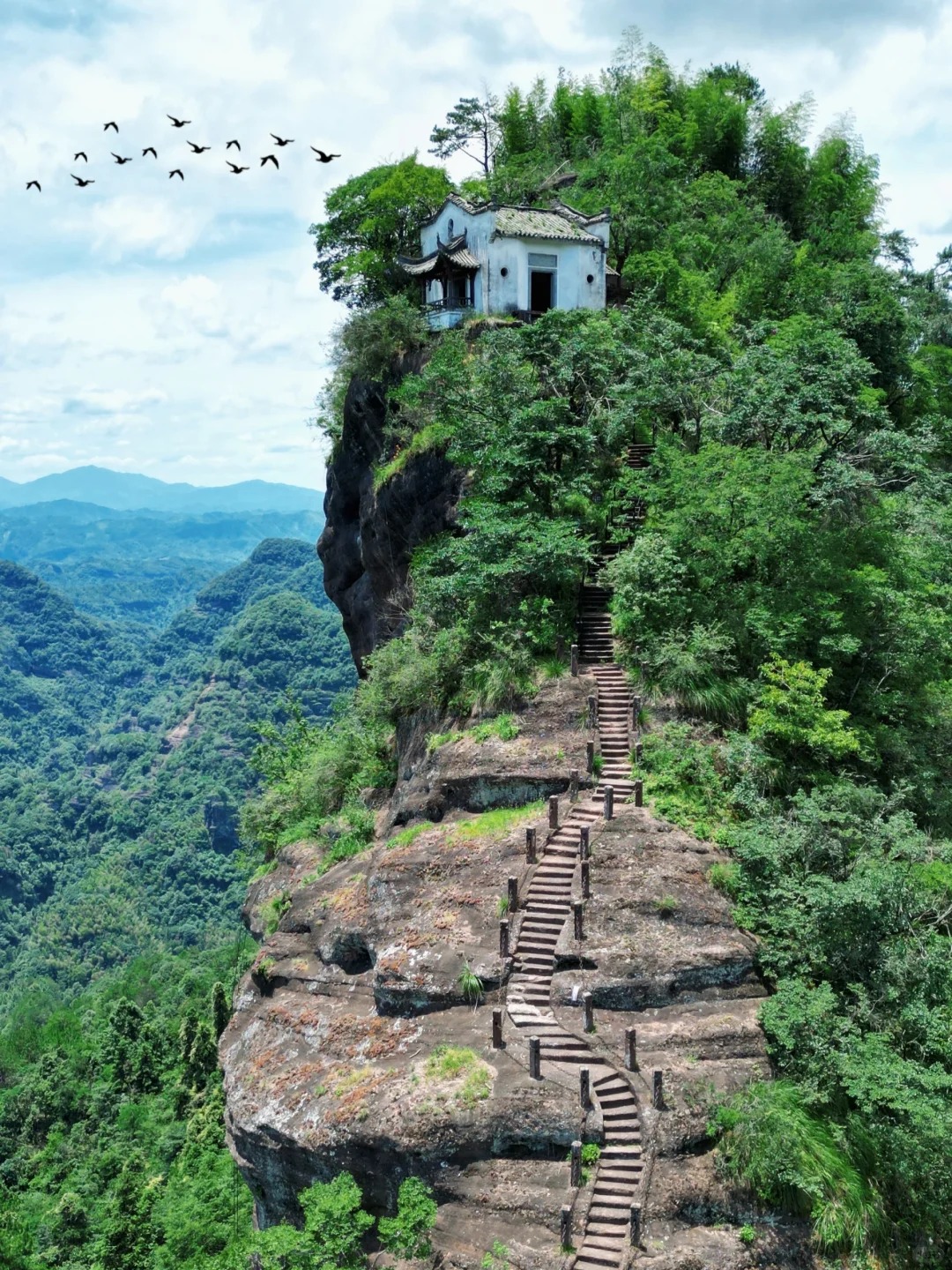
Once I reached the top, I started hiking along the plank road that winds around the mountain. The plank road is built on the side of the cliff, and it’s suspended in some places, offering breathtaking views of the valleys below. I walked slowly, holding onto the handrail, and stopped every few meters to take photos. The red sandstone cliffs glowed in the sunlight, and the mist drifted between the peaks, creating a fairy-tale-like atmosphere. I passed by several small Taoist temples and pavilions along the way, each with its own unique style.
One of the highlights of the scenic area is the Yunu Peak, or Jade Maiden Peak. It’s the most beautiful peak on Qiyun Mountain, with a slender shape that looks like a maiden standing on the mountain. From the viewing platform near the peak, I had a panoramic view of the entire scenic area. The red sandstone peaks stretched out in every direction, and the Hengjiang River flowed like a silver ribbon at the foot of the mountain. I stayed there for a long time, watching the mist change shape and the sunlight play on the peaks.
In the afternoon, I visited the Hengjiang River area, which is part of the scenic area. The river is clear and calm, and it reflects the red sandstone peaks like a mirror. I took a bamboo raft down the river, which was a relaxing and enjoyable experience. The raft was paddled by a local fisherman, who told me stories about Qiyun Mountain and the Hengjiang River. He pointed out hidden caves and waterfalls along the riverbank, and he told me that the river is home to many kinds of fish. As we floated down the river, I felt the cool breeze on my face and listened to the sound of the water—the perfect way to relax after a morning of hiking.
The food at Qiyun Mountain Scenic Area is a mix of Taoist vegetarian cuisine and local Huizhou cuisine. I ate at a small restaurant near the Yuquan Temple, and I tried Taoist vegetarian noodles, which were made with fresh vegetables and tofu from the mountain. The noodles were chewy and flavorful, and the soup was light and refreshing. I also tried a local dish called braised pork with chestnuts, which was a Huizhou specialty. The pork was tender, and the chestnuts added a sweet flavor that complemented the pork perfectly. The owner of the restaurant told me that the chestnuts are picked from the hills around the mountain, and they’re only available in autumn.
I also visited the ancient village of Hengcun at the foot of the mountain. The village has a history of over 800 years, and it’s known for its well-preserved Ming and Qing dynasty architecture. The village is built along the Hengjiang River, and its streets are paved with stone. I walked through the village, admiring the traditional houses and the small bridges over the river. A local elder told me that the village has been home to the same families for generations, and they still keep their traditional customs. “We celebrate the same festivals as our ancestors,” he said. “And we still make our own tofu and pickles.”
As the sun began to set, I headed back to the foot of the mountain. The sunset painted the red sandstone peaks in shades of orange and red, making them look even more magical. I stopped at a small pavilion and watched the sunset, reflecting on my day. Qiyun Mountain Scenic Area had exceeded my expectations—it was beautiful, peaceful, and full of history and culture. It’s not just a scenic area; it’s a place where nature and spirituality come together.
When I left Qiyun Mountain Scenic Area, I felt a sense of gratitude. I’d had an amazing day, and I’d made many unforgettable memories. The mountain’s natural beauty, its spiritual atmosphere, and the kindness of the locals had left a deep impression on me. If you’re looking for a mountain that combines natural wonders with spiritual significance, Qiyun Mountain Scenic Area is the perfect choice. It will enchant you with its magic and leave you wanting more.