If Changbai Shan is the majestic father of Jilin, Beishan Park (North Hill Park) is the quirky, fun-loving uncle.
Located right in the northwest of Jilin City, this isn't just a park; it’s a sprawling complex of temples and pagodas crammed onto a single hill. It’s a religious melting pot. You have Taoist temples, Buddhist nunneries, and folk shrines all jostling for space. It’s chaotic, incense-filled, and absolutely fascinating.
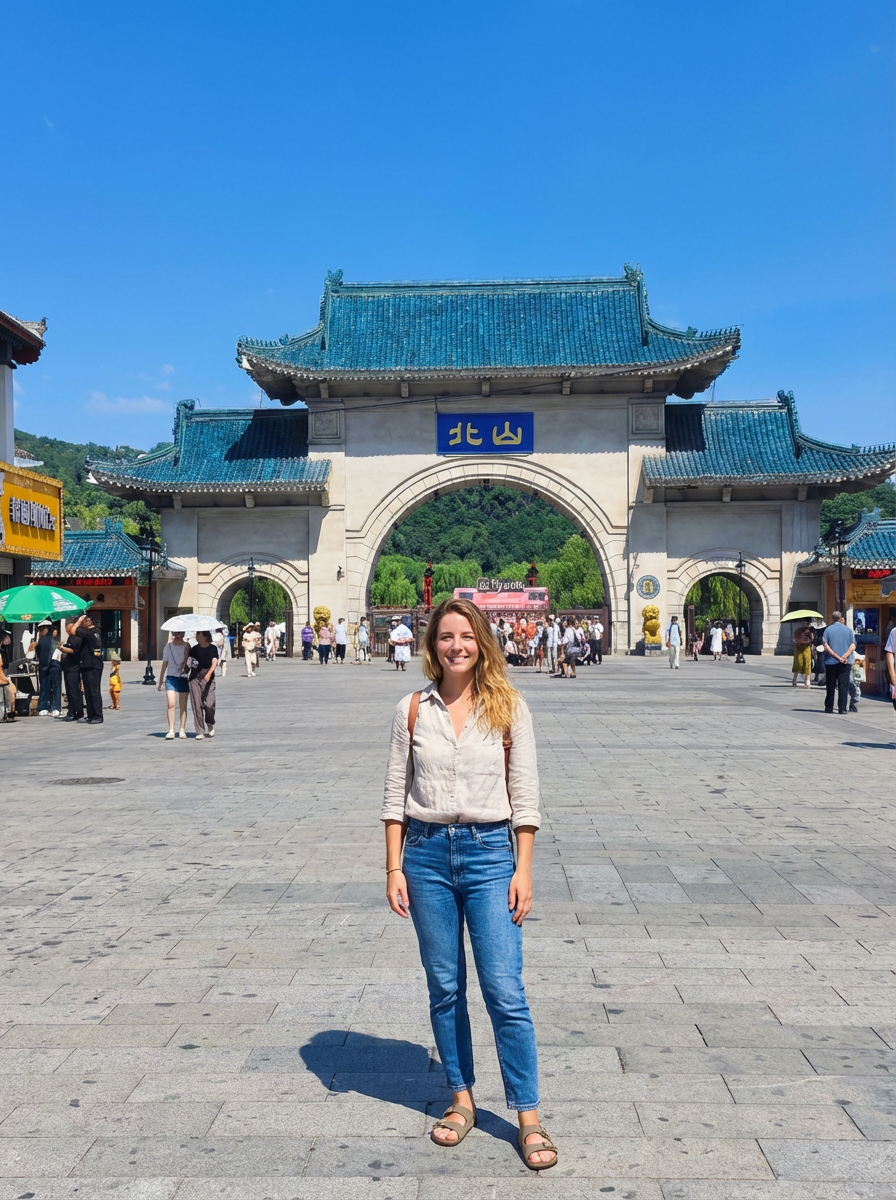
I climbed the stone steps, past vendors selling incense sticks (which you must buy—it’s bad luck not to offer a stick to the gods here) and fake antique jade. The air was thick with smoke.
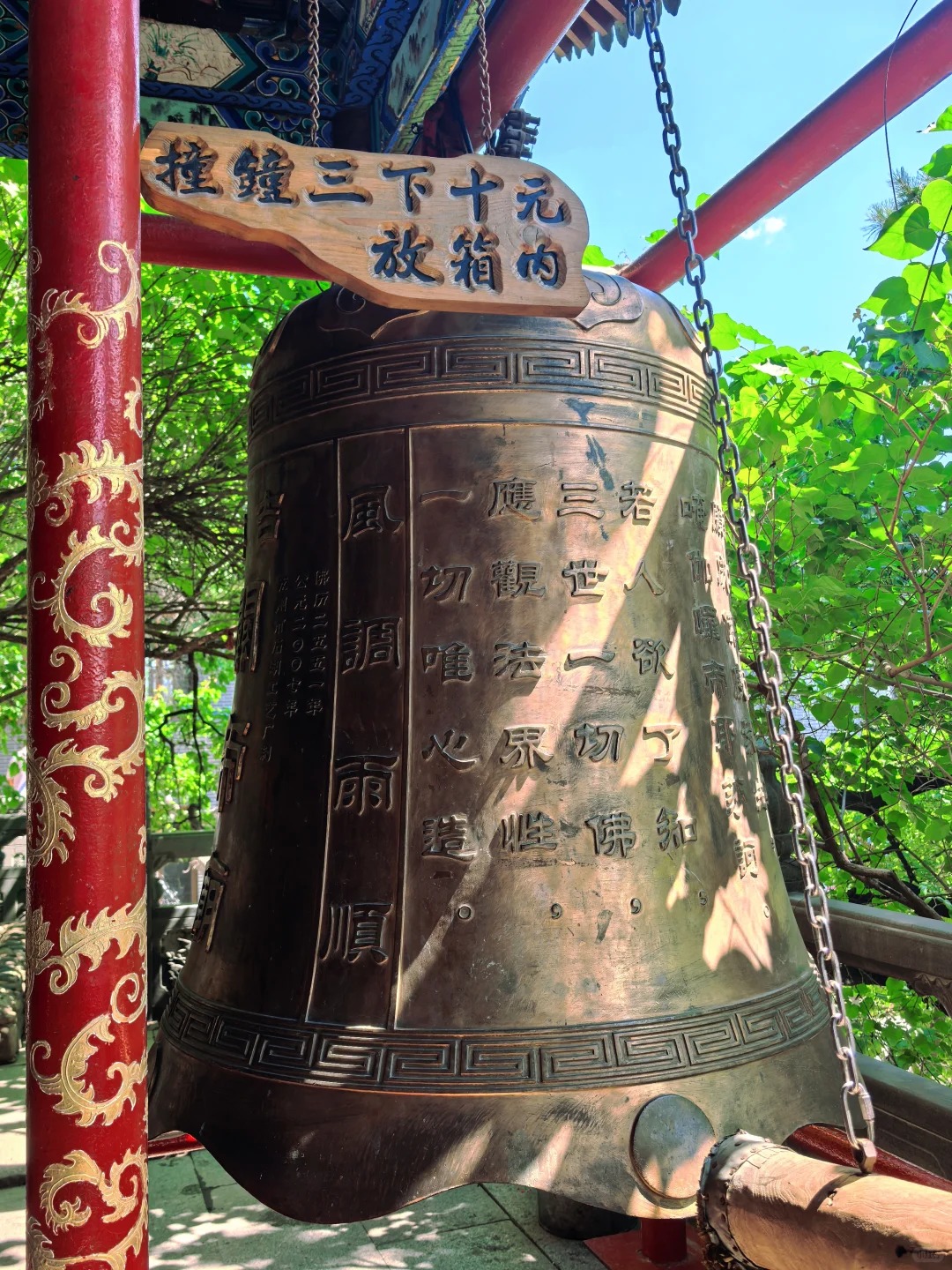
The architecture is stunning. The Yaowang Temple (King of Medicine) is dedicated to Sun Simiao, but locally, it’s become a place to pray for health. I watched an old woman bowing repeatedly, her forehead touching the cold stone floor. It wasn’t performative; it was raw devotion.
But the real secret of Beishan Park isn’t the temples—it’s the back alley.
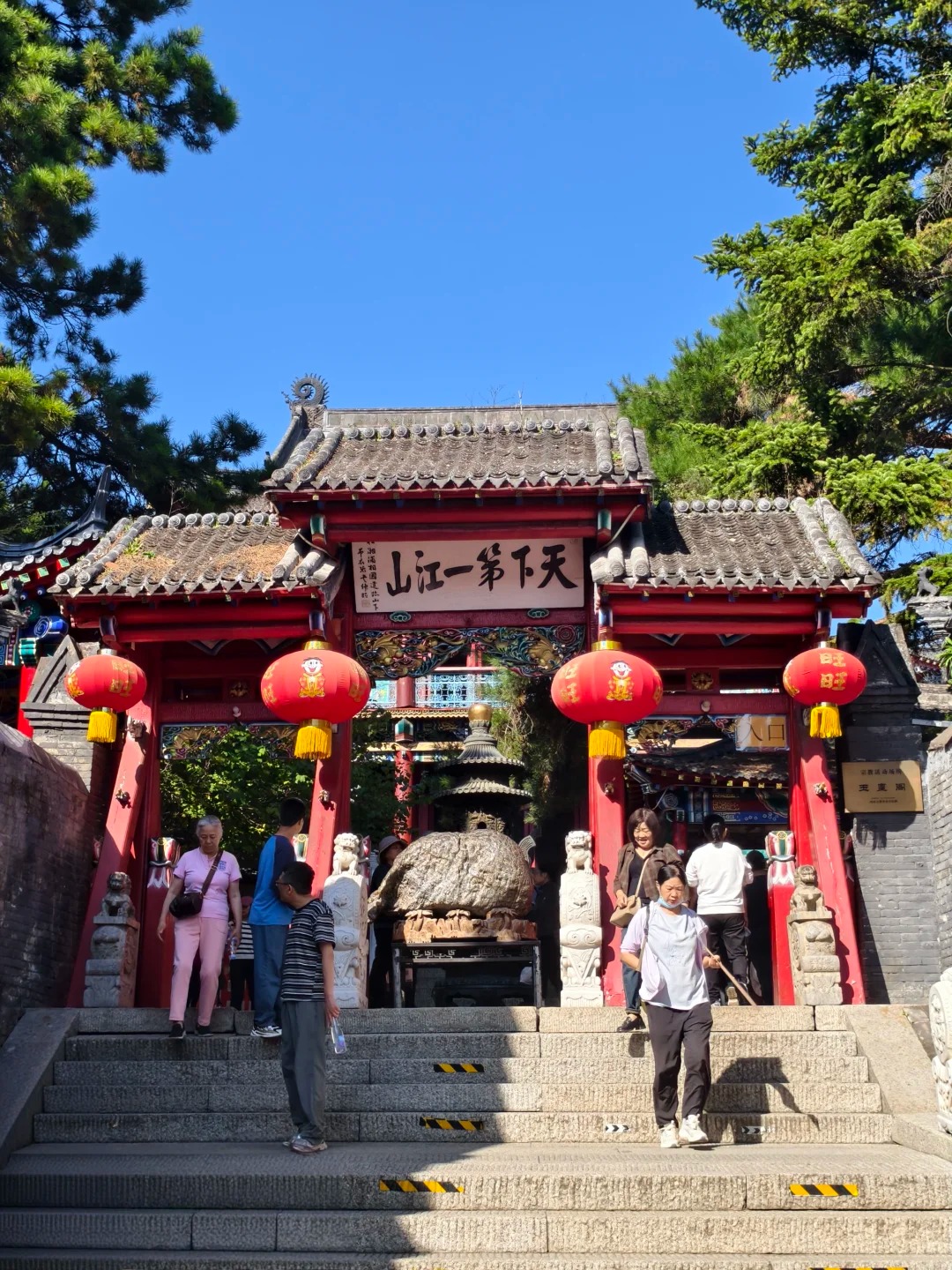
Behind the main hall, there’s a small courtyard where local retirees gather. And they aren’t just chatting. They are practicing martial arts. I’m talking about real, traditional Northern Chinese kung fu—fans, swords, staffs. One old master, Mr. Zhang, must have been 80 years old, but when he performed a move with a heavy iron fan, the whoosh sound was terrifyingly fast. He invited me to try. I swung the fan and almost hit myself in the face. The crowd laughed, kindly, and bought me a skewer of spicy tofu.
That’s the vibe of Beishan. It’s where the spiritual meets the secular. After watching the monks chant, you walk down the hill and eat "Chuan'r" (lamb skewers) and "Ma La Tang" (spicy hot pot on a stick) from street carts that have been there for 30 years.
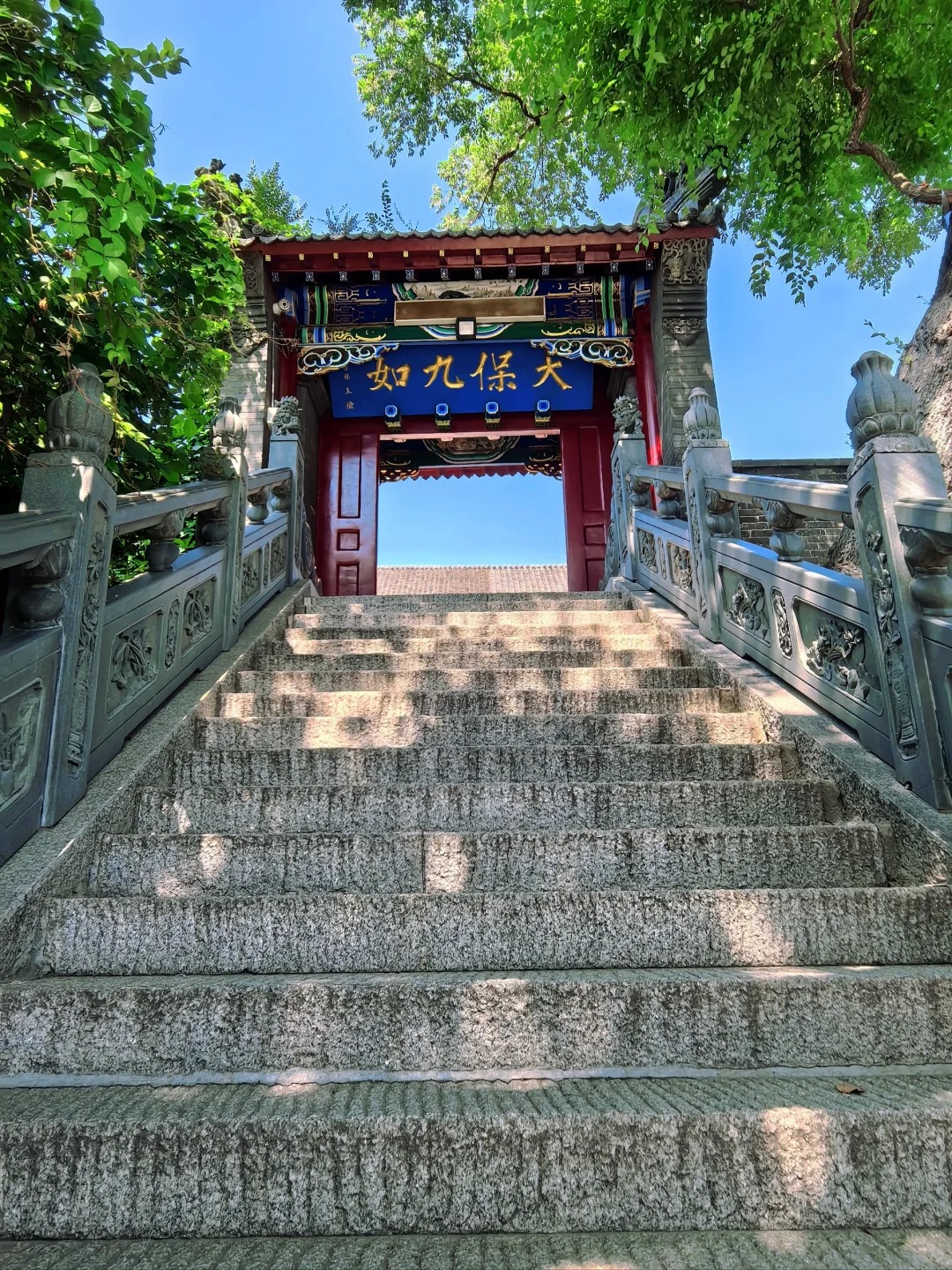
It’s the most "human" place in Jilin. It’s messy, loud, smelly, and full of life. If you want to see how ordinary Jilin people live, pray, and eat, you go to Beishan Park.