This was the only time on my trip to Chongqing that I felt cold.
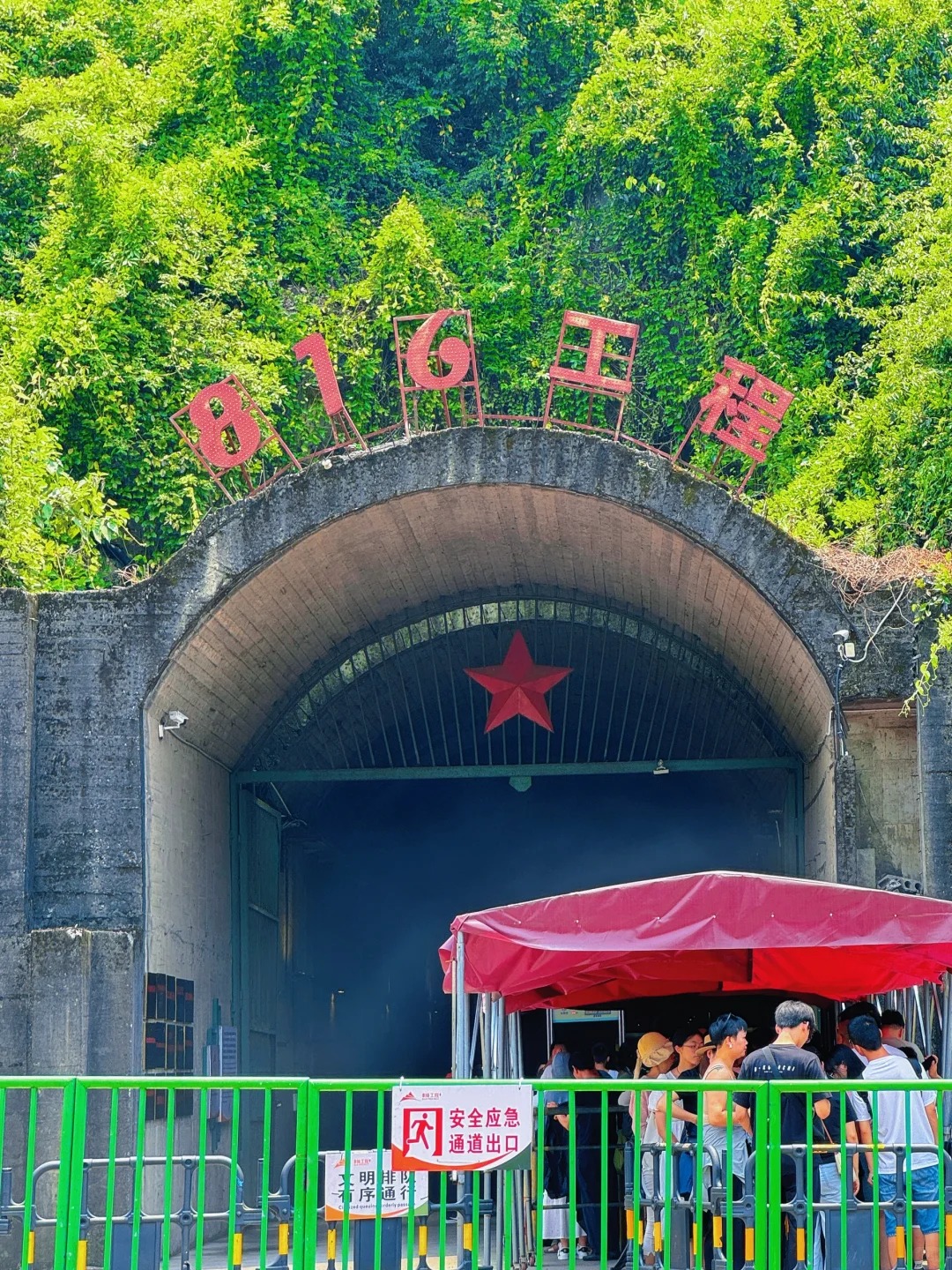
Project 816 is hidden in the mountains of Fuling district. From the outside, it looks like nothing—just a small concrete entrance in a wall of green vegetation. But this is a deception. Behind that door lies the world’s largest artificial cave, a top-secret nuclear plant built to produce plutonium during the Cold War.
I walked in. The temperature dropped instantly, plunging from the humid 35°C outside to a chilly 18°C. The air smelled stale, like old dust and damp stone.
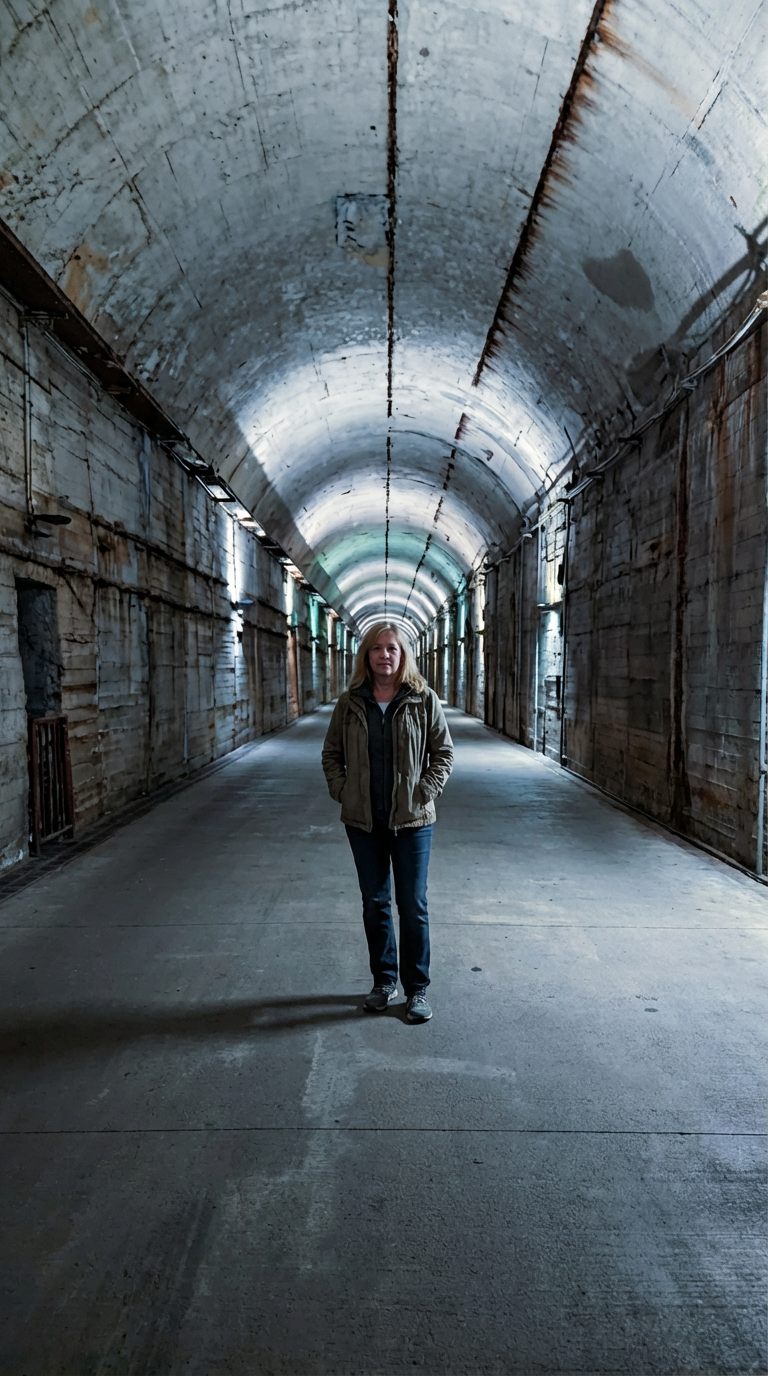
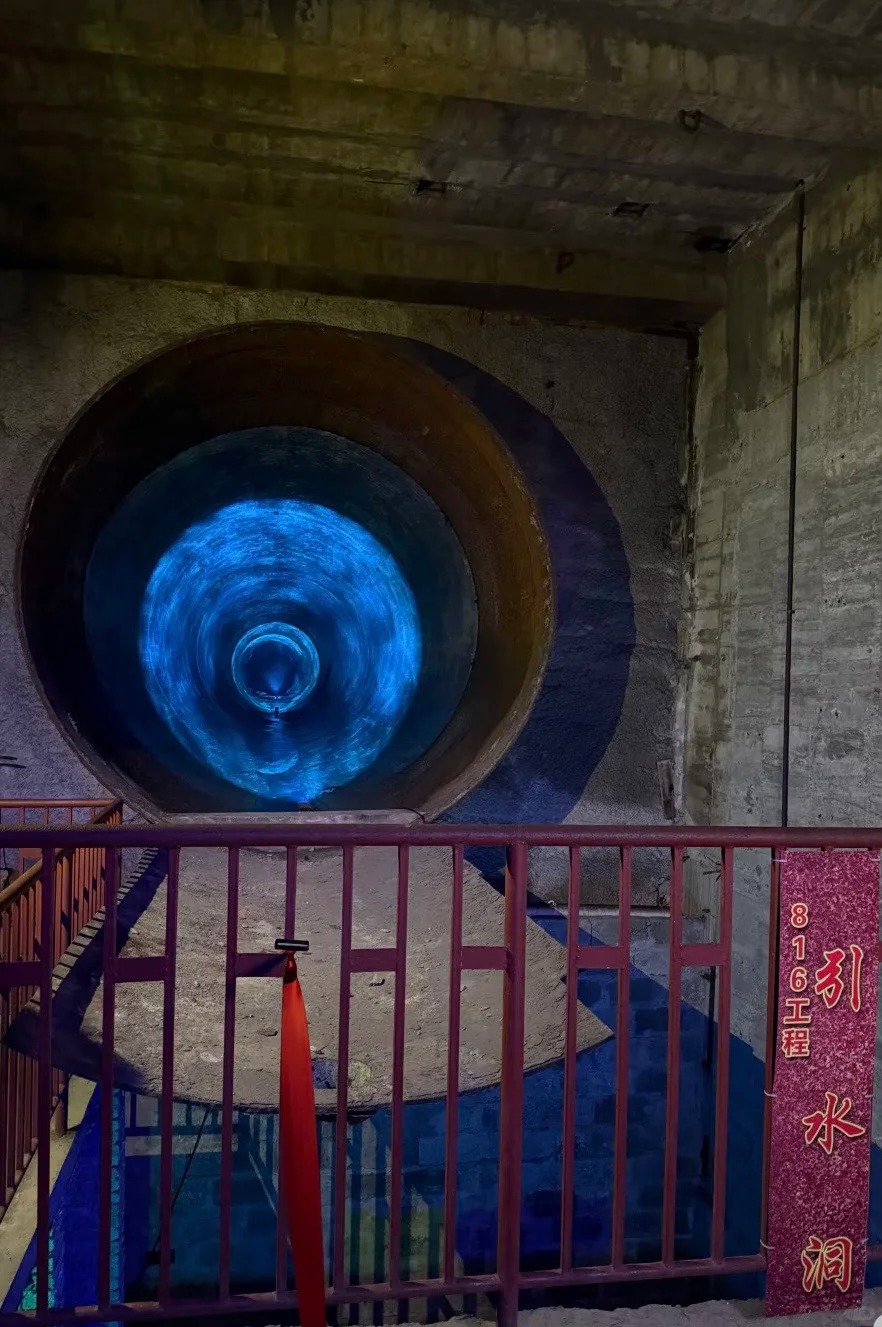
I put on a heavy coat I had brought along. The tunnel stretched out before me, lit by eerie blue and red neon lights. It felt like walking onto the set of a sci-fi movie, or into a Bond villain’s lair. But the history here is real, and it is heavy.
I walked for what felt like miles. The guide told us that over 60,000 soldiers worked on this project for 17 years. They dug this mountain out with shovels, pickaxes, and dynamite. Many of them died here, their names lost to secrecy for decades. I ran my hand along the rough rock wall. It felt jagged and unforgiving.
Then, we reached the Reactor Hall.
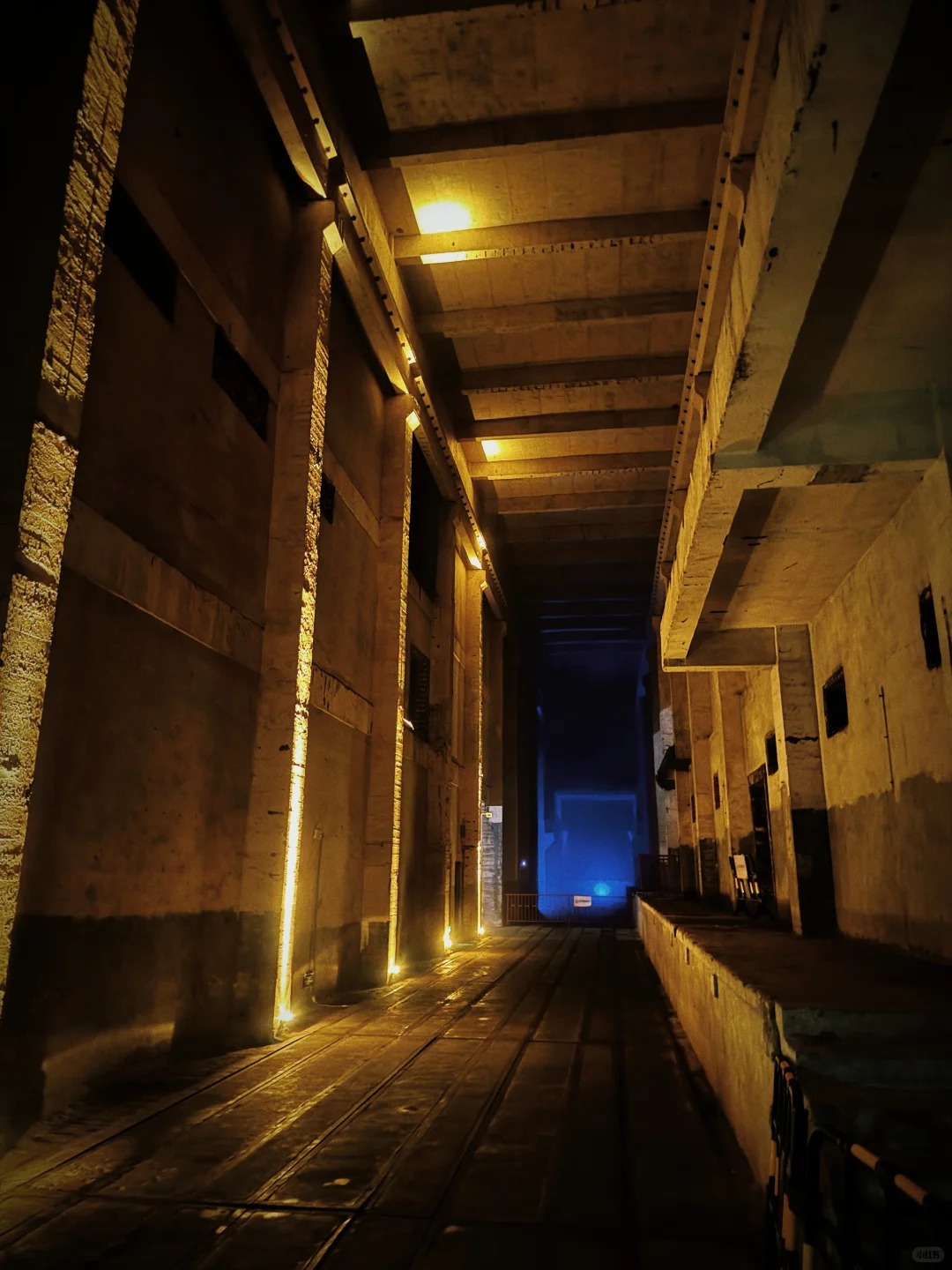
I have no words to describe the size of this room. It is a hollowed-out void inside the mountain, 80 meters high—that’s a 20-story building. I stood on a metal viewing platform, looking up at the ceiling that was lost in the gloom, and down into the pit where the nuclear reactor was supposed to go.
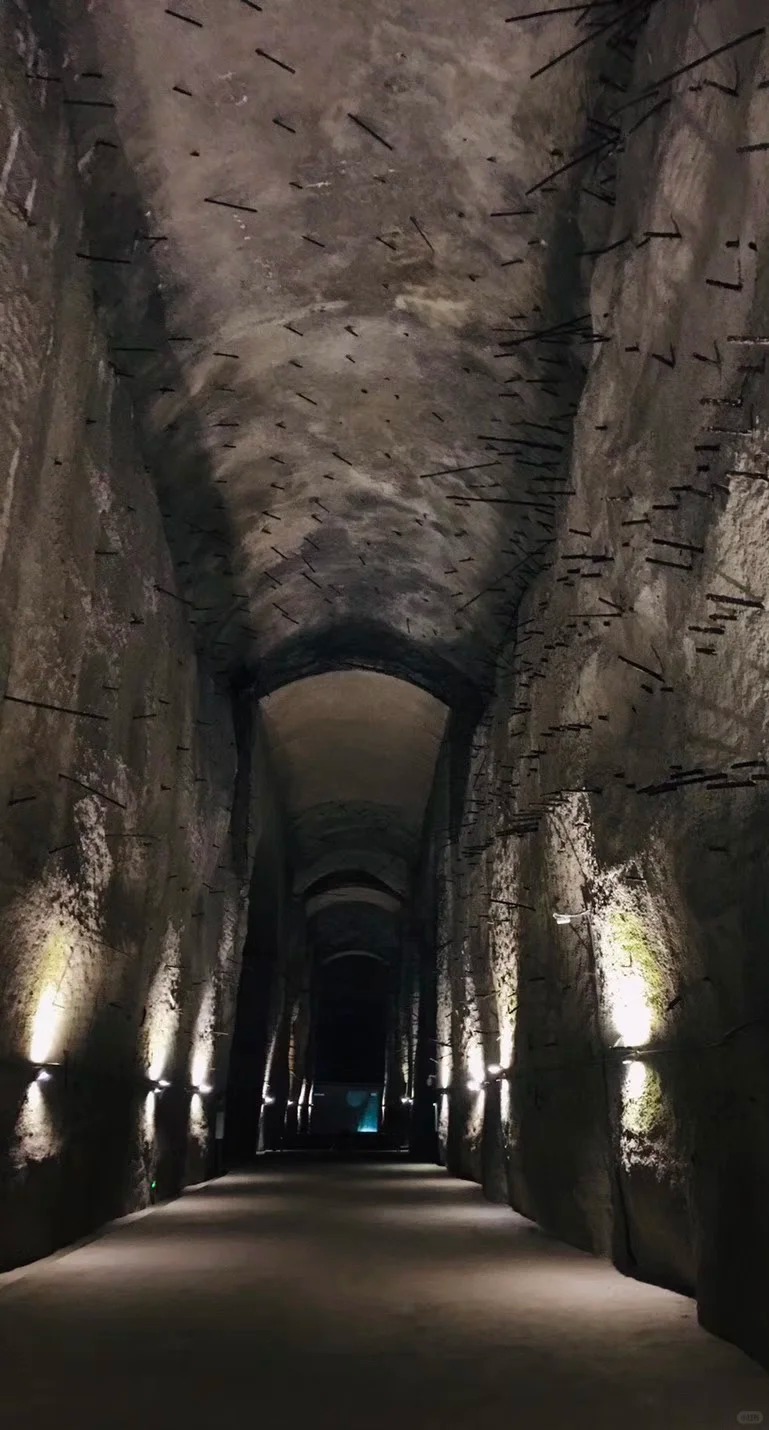
It was silent. A drop of water fell from somewhere high above, echoing like a gunshot.
The piping is still there, stainless steel tubes snaking along the walls. The control room still has the old analog dials and buttons, frozen in 1984, the year the project was cancelled. It was never finished. No nuclear material was ever processed here. It’s a ghost of a war that never happened.
I walked through the "Maze of pipes," a section where thousands of pipes crisscross overhead. It was disorienting. I felt small, trapped in a machine that was indifferent to human life.
But the most powerful moment came at the end. I walked out of the "Peace Hall," a newly added section with blue lights symbolizing peace. I stepped out of the exit tunnel and was blinded by the sunlight.
The birds were singing. The trees were violently green. The contrast hit me like a physical blow. Inside, it was a tomb of steel and rock, a monument to fear and destruction. Outside, life was going on, vibrant and messy.
I sat on a curb outside the entrance, warming my shivering hands in the sun. Project 816 is a terrifying place. It is a reminder of how close we came to the edge. But it is also a beautiful place, because it failed. The reactor was never turned on. The bombs were never made.
Visiting 816 isn't a fun vacation day. It’s a pilgrimage to the past, a cold, damp reminder that peace is fragile, and sunlight is something we should never take for granted.