They say the "Yeren"—China's Wild Man—roams these woods.
Walking through the dense, moss-draped forests of Shennongjia, I didn't find it hard to believe.
Shennongjia is wild in a way that feels prehistoric. The drive in was dizzying, a series of switchbacks that took us deeper into a green abyss. As I stepped out of the car at the Shennong Top, the temperature dropped ten degrees. The air here tasted sweet, saturated with oxygen and the scent of damp earth.
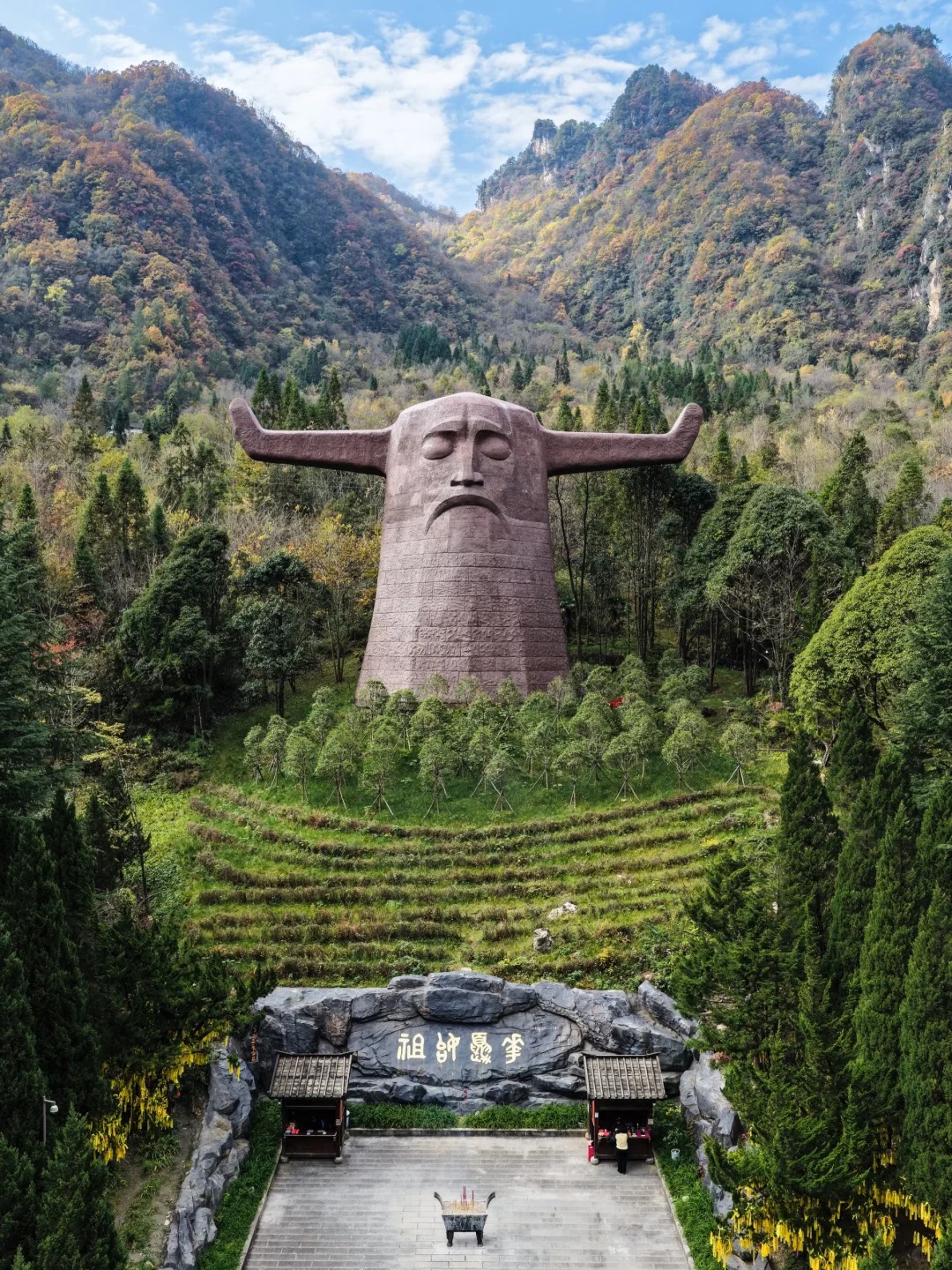
I hiked away from the main path, guided by a ranger named Mr. Chen. "Watch the trees," he whispered. We weren't looking for the Wild Man, realistically; we were looking for the Golden Snub-nosed Monkey. These rare, blue-faced creatures are the real spirits of this forest.
We waited for an hour in a grove of fir trees, the silence broken only by the dripping of condensation. Then, a rustle.
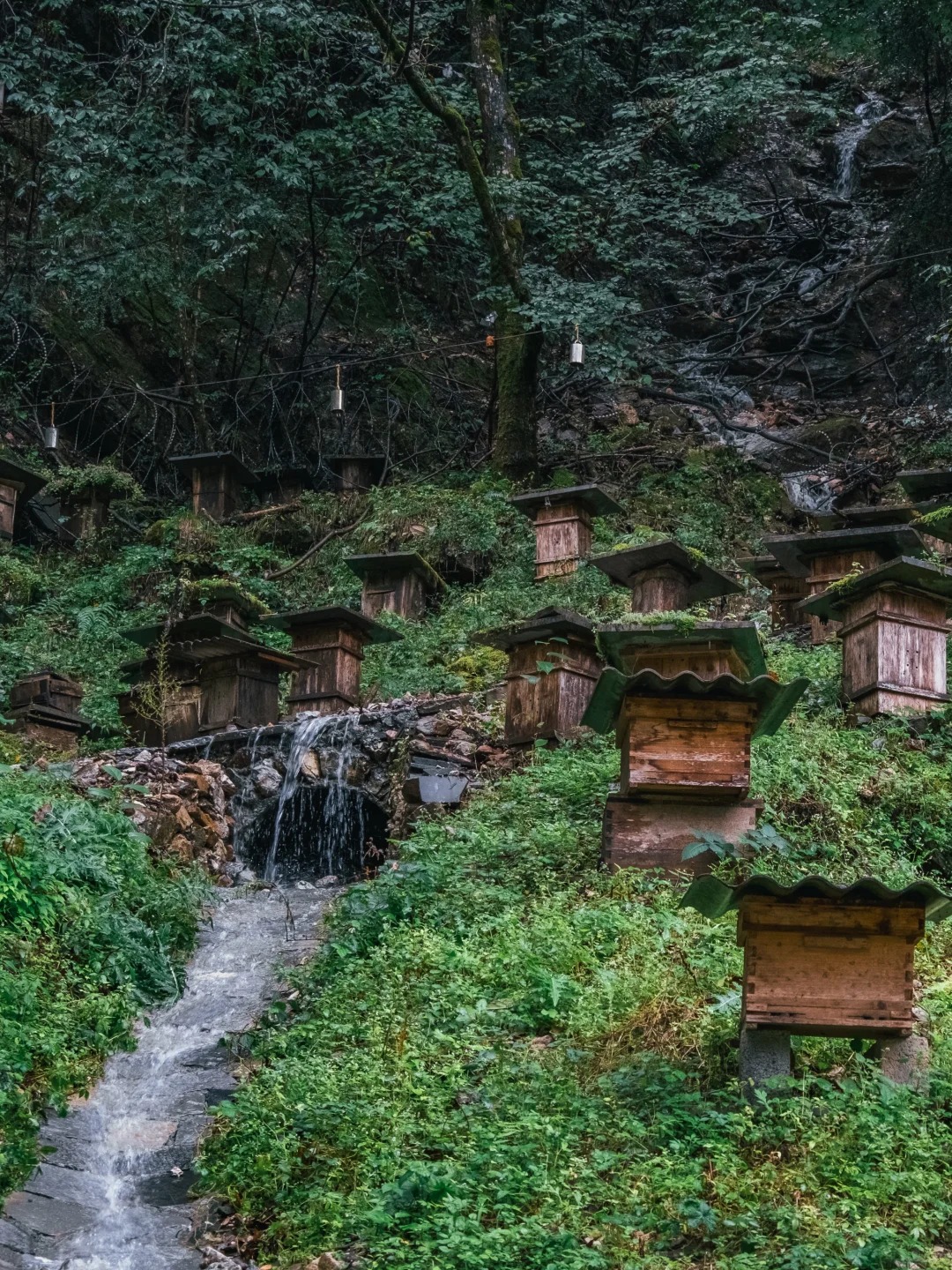
High above, a flash of gold. A male monkey, with fur that looked like spun gold, peered down at us. His nose was upturned, giving him an expression of perpetual, haughty curiosity. He let out a sharp call, and suddenly the canopy came alive. Mothers with babies clinging to their bellies swung effortlessly between branches. It was a chaotic, joyful ballet.
Later, we visited the "Wild Man Cave." It was dark and craggy, filled with bizarre stalactites.
Mr. Chen told me stories of local farmers finding large, unexplained footprints and hearing strange howls at night. Whether the Yeren exists or not doesn't really matter.
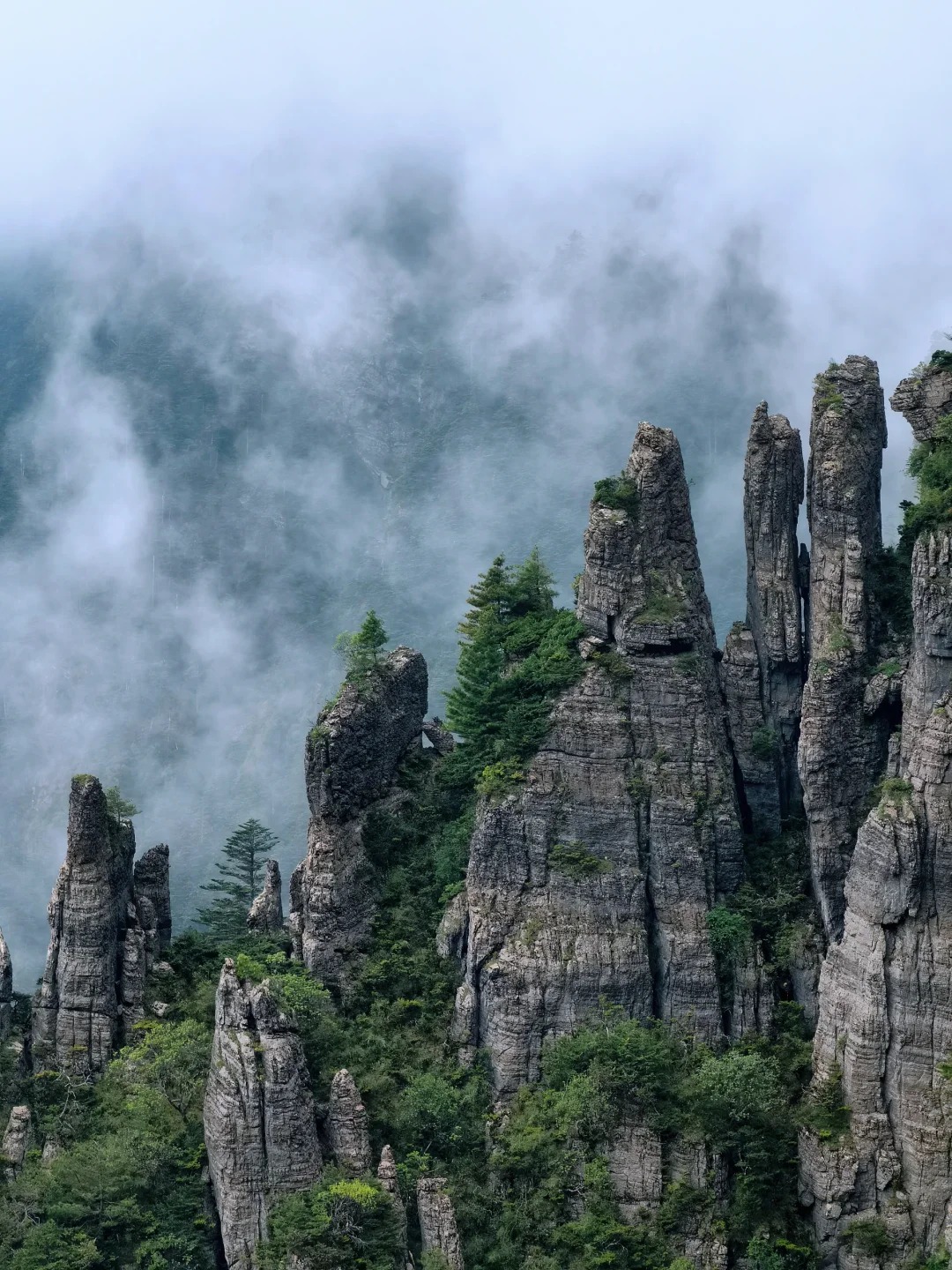
The legend serves a purpose: it keeps the mystery of the forest alive. It reminds us that there are still corners of the world that humans haven't fully mapped or tamed.
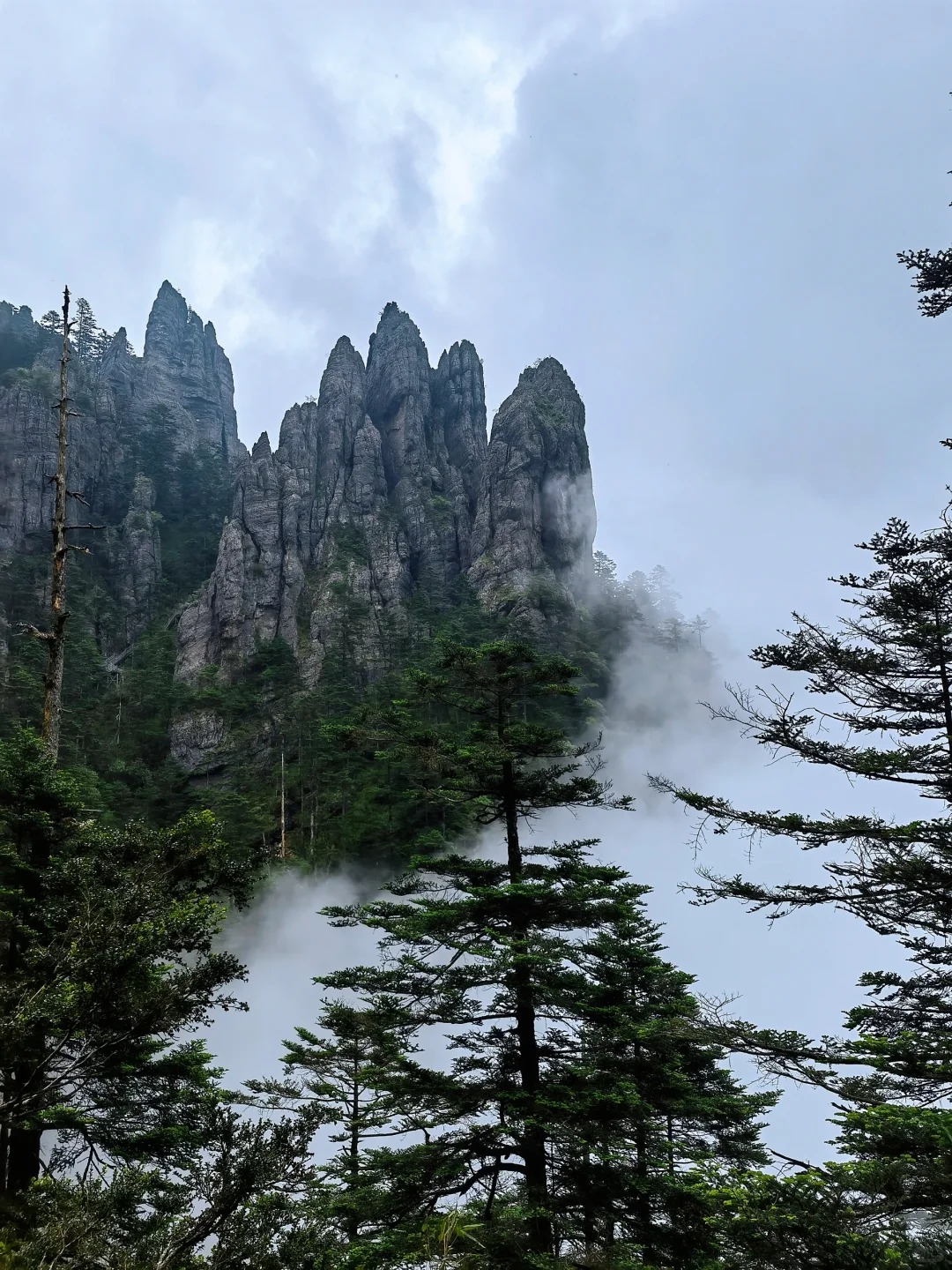
Driving back down, the fog rolled in, thick and impenetrable. I stared out the window into the white void, half-expecting to see a large, hairy shadow watching me pass. Shennongjia doesn't give up its secrets easily, and that is exactly why I loved it.