When people ask me where the true heartbeat of China lies—not the frenetic pulse of Shanghai’s neon skylines or the imperial majesty of Beijing’s ancient stones—I tell them to look south. Specifically, to the land known as "South of the Clouds." This is Yunnan. And for a traveler like me, who chases the ghost of history down cobblestone alleys and measures the worth of a day by the flavors lingering on my tongue, a Yunnan tour is not just a vacation; it is a pilgrimage.
My journey did not begin with a guide or a flag-waving group. It began with a scent.
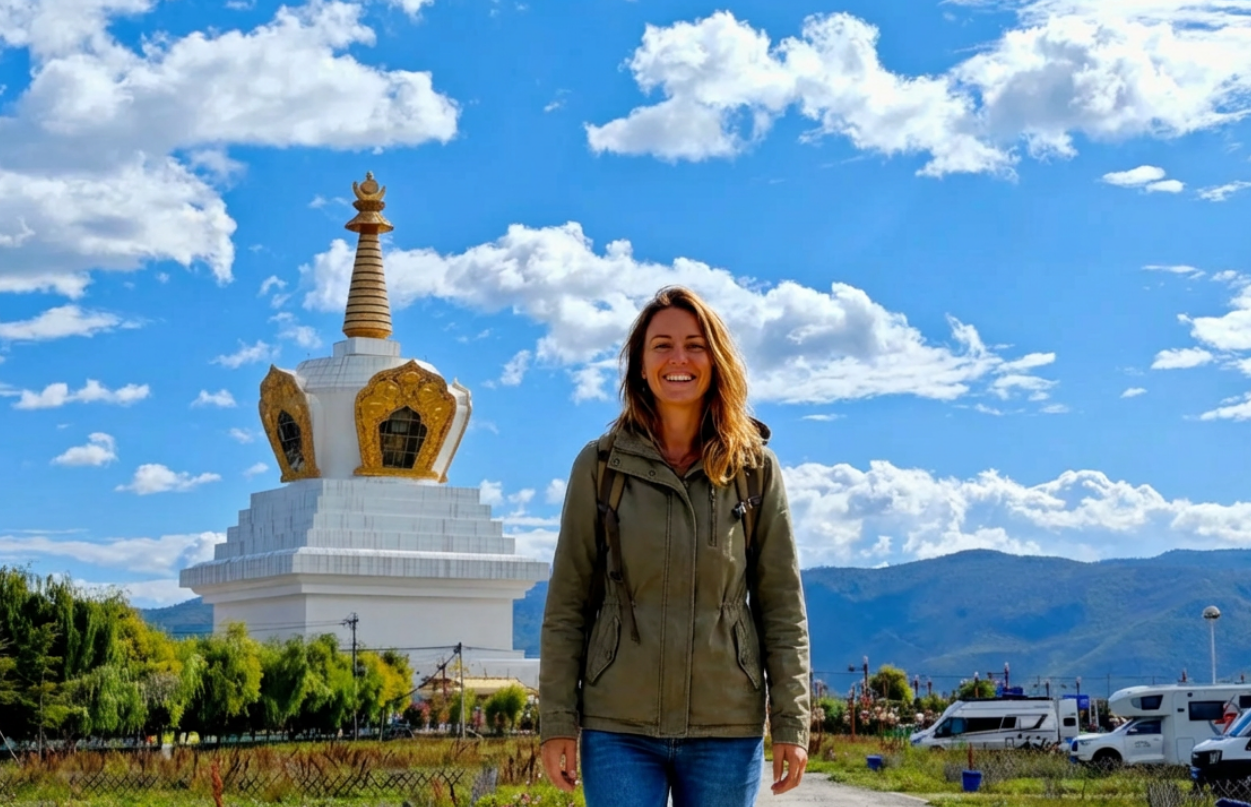
I arrived in Kunming, the provincial capital, on a balmy afternoon that justified its moniker, "The City of Eternal Spring." But I didn’t linger in the metropolis. My soul was pulling me towards the northwest, towards the mountains that ripple like the spine of a sleeping dragon.
Dali: The Wind, The Flowers, The Snow, and The Moon
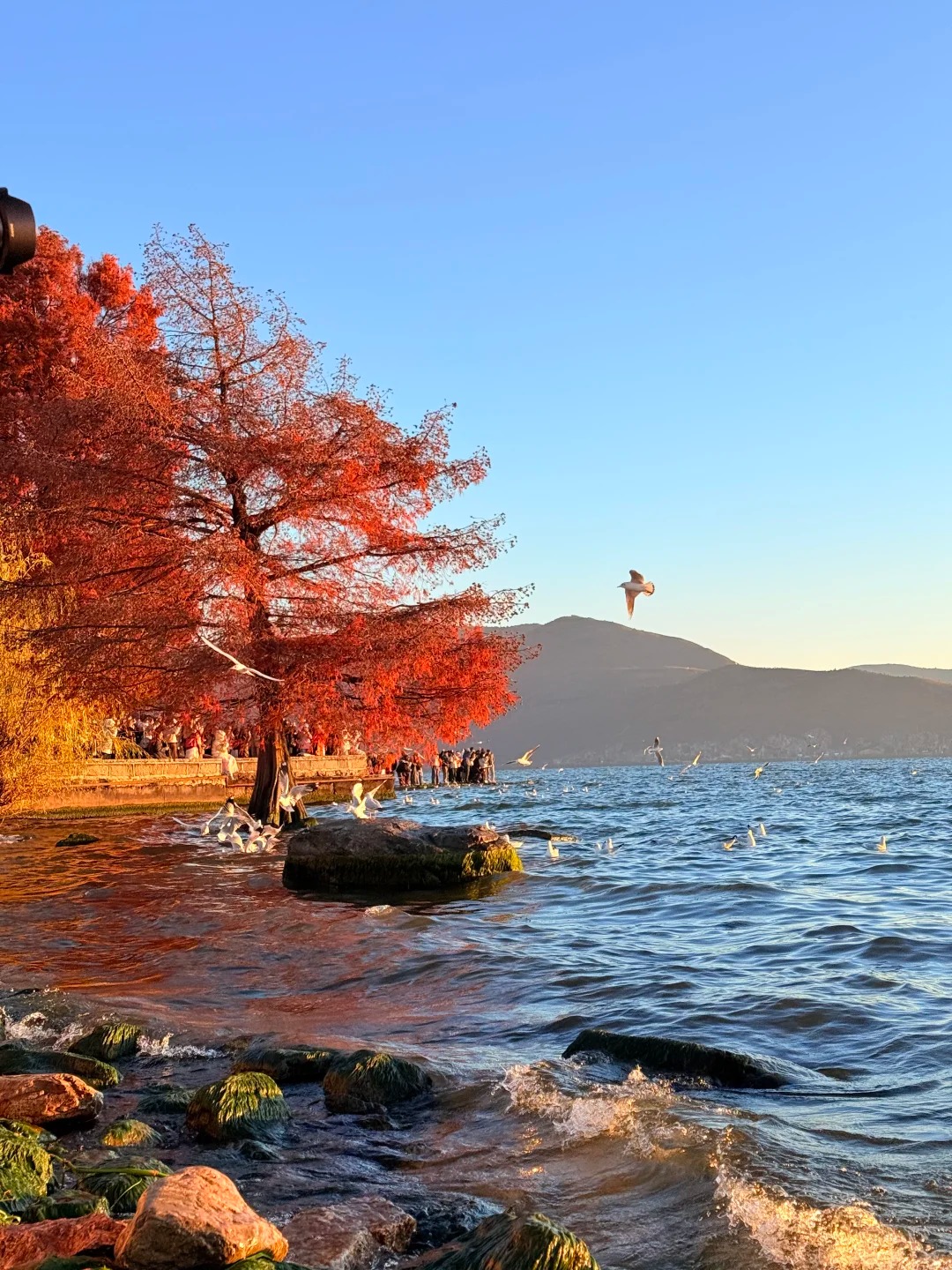
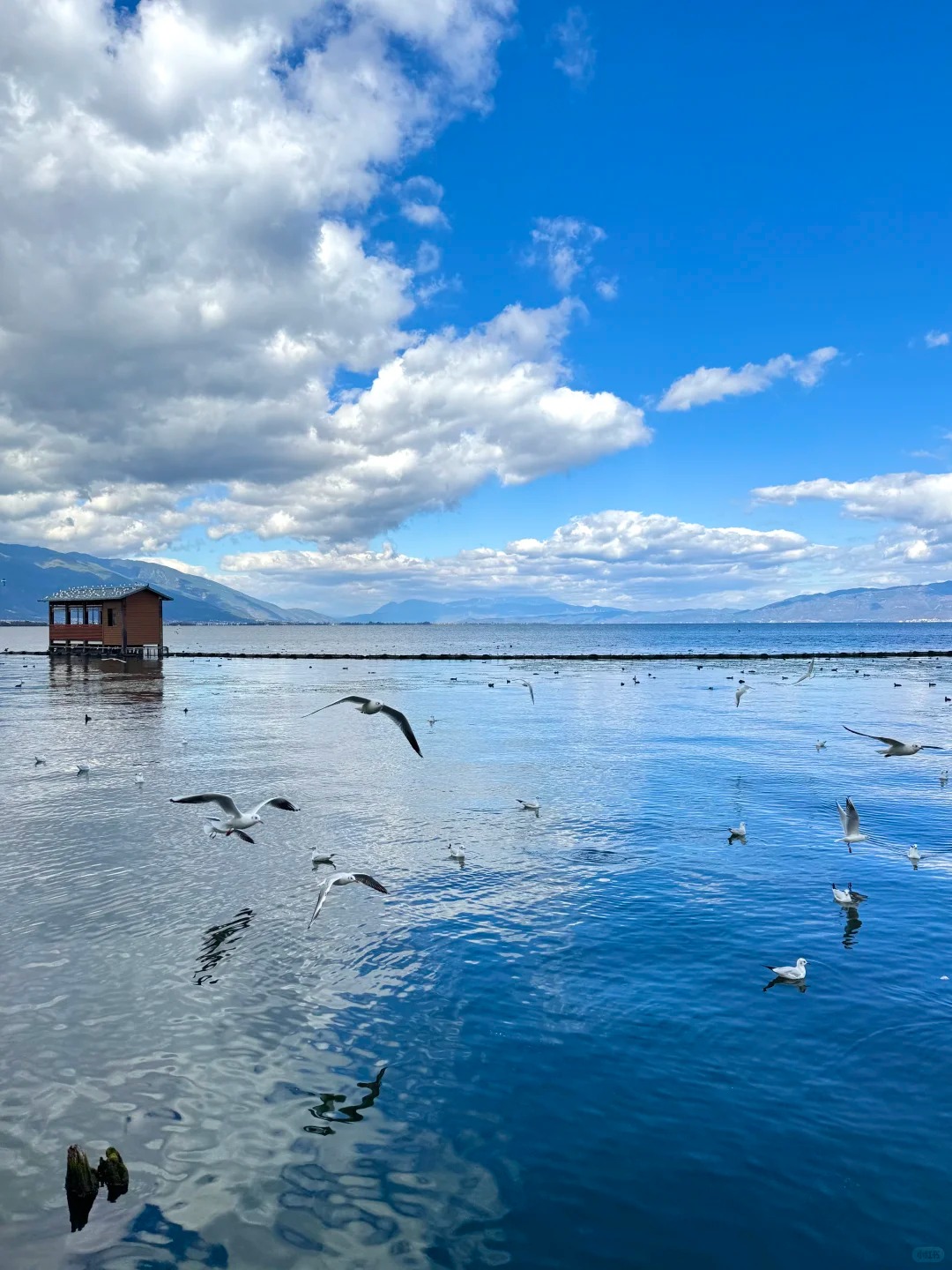
My first real stop was Dali. In Chinese poetry, Dali is defined by four elements: the wind of Shangguan, the flowers of Shangguan, the snow of the Cangshan Mountains, and the moon reflected in Erhai Lake. Riding a rented bicycle along the western shore of Erhai Lake, I felt the first element—the wind—whipping through my hair, carrying the moisture of the lake and the scent of drying indigo dye.
I stopped at a small village called Xizhou. Here, the architecture sings of the Bai minority culture. The houses are masterpieces of stone and wood, with white walls painted with delicate ink-wash paintings of birds and plum blossoms. But as your "Taste Bud Guide," I wasn't just there for the architecture. I was hunting for Xizhou Baba.
I found an elderly woman tending to a charcoal fire by the roadside. On a flat iron pan sizzled a thick, round flatbread. This was it. "Sweet or salty?" she asked in a heavy local dialect that I barely deciphered. "Salty," I replied, opting for the version stuffed with minced pork and scallions.
The first bite was a revelation. The crust was flaky, shattering like mille-feuille, giving way to a soft, chewy interior permeating with the savory richness of pork fat and the sharp bite of green onions. Sitting there on a wooden stool, watching the clouds drift over the azure expanse of Erhai Lake, holding a hot, oily piece of bread, I felt an overwhelming sense of peace. This wasn't a transaction; it was a communion with the land.
Lijiang: Getting Lost in Time and Tea
From the open skies of Dali, I moved deeper into the mountains to Lijiang. The Old Town of Lijiang is a UNESCO World Heritage site, famous for its orderly system of waterways and bridges. Yes, it can be crowded. But the secret, as I discovered, is to wake up before the sun.
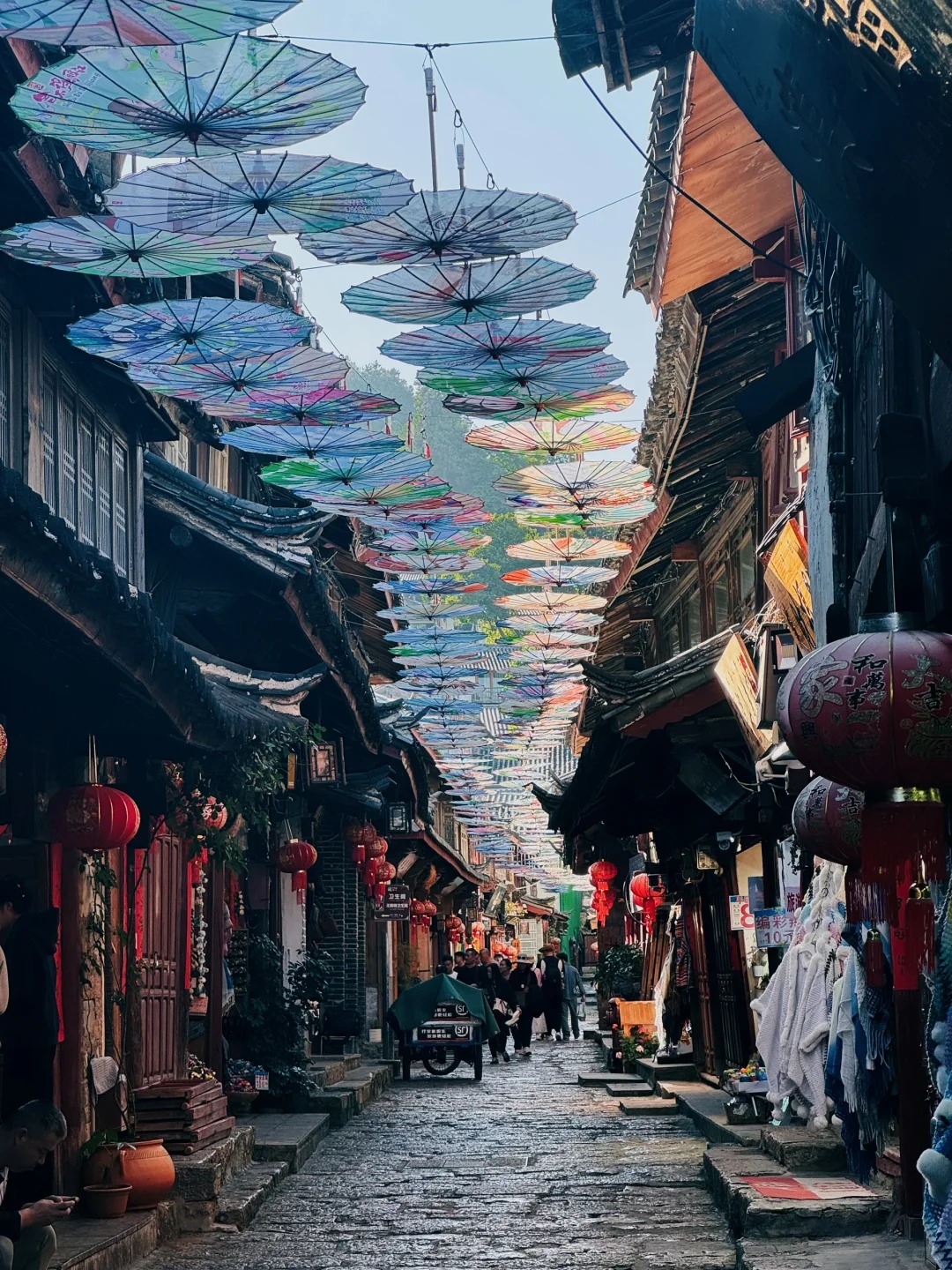
At 6:00 AM, Lijiang belongs to the locals. I wandered through the maze of stone-paved streets, polished smooth by centuries of footsteps. I watched Naxi grandmothers washing vegetables in the icy mountain streams that run alongside the houses. The air was crisp, smelling of burning pine wood and yak butter.
I found my way to a small teahouse tucked away in a quiet alley. The owner, a Naxi man with deep laugh lines around his eyes, invited me in for a cup of Pu'er tea. Yunnan is the birthplace of tea, and Pu'er is its king. He broke off a chunk from a compressed tea cake that he claimed was aged ten years.
"Tea is like life," he told me, pouring the dark, reddish-brown liquid into a tiny porcelain cup. "The first brew is bitter, like the struggles of youth. The second is strong, like the prime of life. The third..." he paused, smiling, "...the third is sweet, like the wisdom of old age."
We drank in silence. The tea was earthy, grounding, with a lingering sweetness that coated my throat. We talked about the Dongba culture—the Naxi people's unique pictogram script, the only living hieroglyphic language in the world. He showed me the symbol for "man" and "woman," simple yet profound drawings that connected humanity directly to nature. In that teahouse, time seemed to dissolve. I wasn't a tourist; I was a guest in a living museum.
Shangri-La: Touching the Sky
Leaving the gentle valleys of Lijiang, the bus climbed higher, the air thinning with every switchback turn. We were heading to Diqing Tibetan Autonomous Prefecture, better known to the world as Shangri-La.
The landscape shifted dramatically. Lush green rice paddies gave way to highland barley fields and sprawling meadows where black yaks grazed stoically. The architecture changed too—from the tiled roofs of the Bai and Naxi to the thick-walled, flat-roofed fortress-like homes of the Tibetans.
My destination was Dukezong Ancient Town. Unfortunately, a fire had ravaged parts of it years ago, but the spirit remained unbroken. I walked to Guishan Park to spin the giant prayer wheel. It takes a dozen people to move it. I joined a group of strangers—tourists from Beijing, backpackers from Germany, and local pilgrims. Together, we pushed. "Om Mani Padme Hum," the locals chanted. As the golden wheel gained momentum, creaking and groaning, I felt a collective energy, a shared hope sent spiraling up into the impossibly blue sky.
But the true highlight of Shangri-La for me was the food. I entered a warm, dimly lit tavern adorned with colorful thangkas (religious paintings). The specialty here is Yak Hot Pot.
Imagine a copper pot bubbling with a broth rich with wild mushrooms—matsutake, boletus, and others I couldn't name—foraged from the surrounding forests. Into this, we dipped slices of yak meat. Yak meat is leaner than beef, with a deeper, gamey flavor that speaks of the high-altitude grasses they feed on.
I paired it with Highland Barley Wine, a low-alcohol brew that tastes slightly sour and incredibly refreshing. The warmth of the fire, the savory steam of the hot pot, and the flushed faces of diners laughing around me created a cocoon of comfort against the cold mountain night. I realized then that a Yunnan tour is not just about seeing; it's about feeling the temperature of the land change, from the subtropical warmth of the south to the chill of the Himalayas.
The Tiger Leaping Gorge: A Test of Will
No story of Yunnan is complete without the adrenaline of the Tiger Leaping Gorge. It is one of the deepest canyons on the planet. I chose to hike the "High Trail."
It was grueling. The path clung to the side of the Haba Snow Mountain, with the Jinsha River roaring thousands of meters below—a thin, angry ribbon of turquoise. My legs burned, my breath came in short gasps. But then, I turned a corner.
Before me stood the Jade Dragon Snow Mountain, its jagged peaks piercing the clouds, so close I felt I could reach out and touch the glacier. The silence up there was absolute, broken only by the wind. I sat on a rock, sweat cooling on my back, and ate a Snickers bar I had packed. It was the best meal of my life, not because of the taste, but because of the view.
In that moment, staring at the raw, overpowering scale of nature, I felt small. And in that smallness, I felt free.
Why You Must Go
As I descended back to civilization, I reflected on what makes a Yunnan tour so essential. It is the diversity. In one week, you can cycle through a sea of flowers in eternal spring, drink tea with the descendants of ancient shamans, spin prayer wheels with Tibetan monks, and hike alongside glaciers.
It is a place where every meal tells a story of the geography—the mushrooms from the forest, the fish from the lake, the yak from the plateau. As your guide and friend, I urge you: do not just read about China in textbooks. Come to Yunnan. Come taste the bitterness of the tea and the sweetness of the aftertaste. Come feel the wind of Dali and the snow of Shangri-La.
This is the China that dreams are made of. And it is waiting for you.