To understand the vastness of Xinjiang, you have to leave the highways. You have to drive for hours on roads that seem to lead nowhere, across basins that are bigger than small countries. My journey to Bayinbuluke took me deep into the Tianshan basin, a high-altitude depression surrounded by snow-capped peaks on all sides. It is the second largest grassland in China, but “grassland” feels like an inadequate word for a place that feels more like the roof of the world.
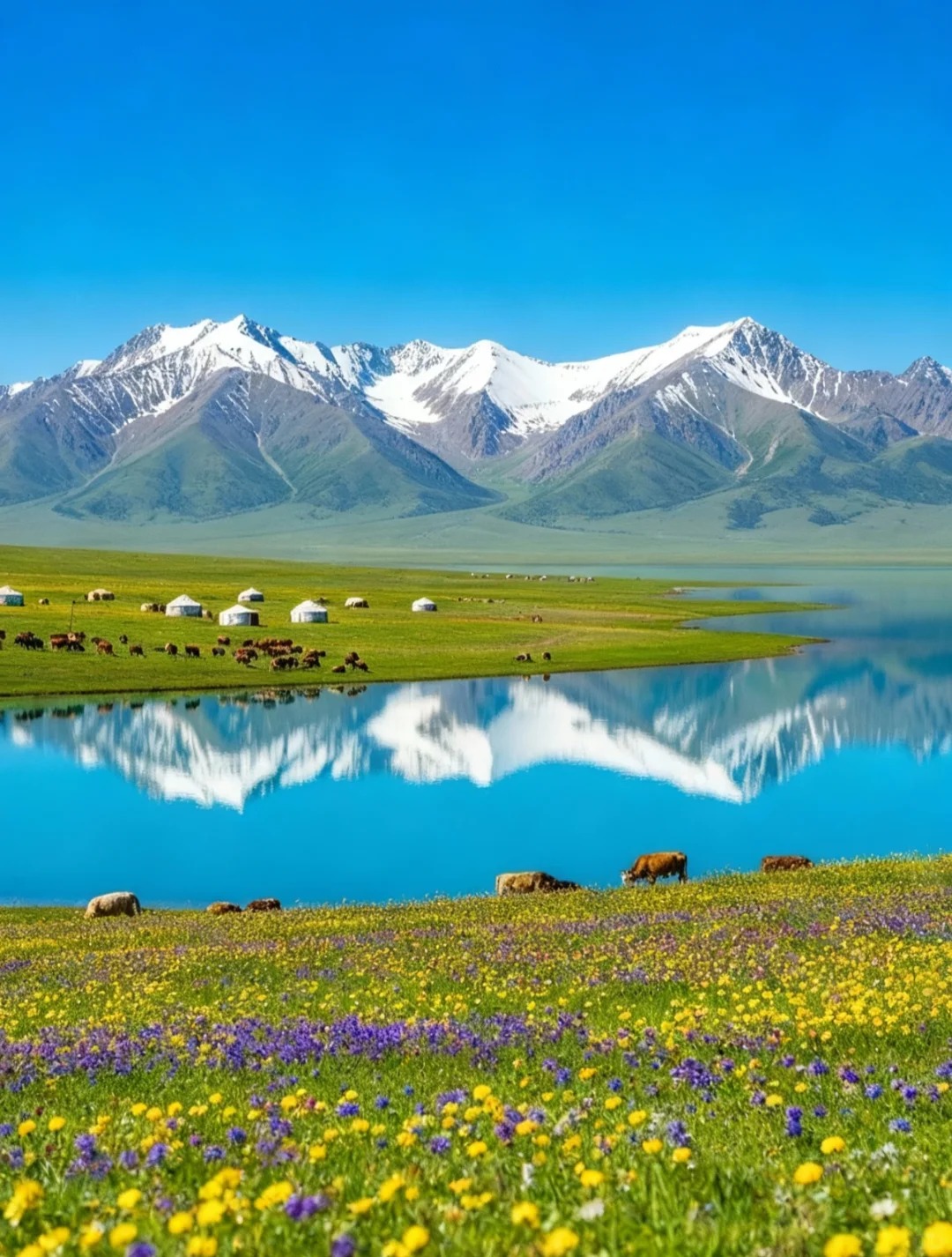
I arrived in Bayinbuluke in the late afternoon. The light here is different. Because of the altitude, the sunlight seems to pass through a filter that makes everything sharper, more high-definition. The grassland stretches out endlessly, a flat expanse of green that meets the sky at a perfect horizon. But Bayinbuluke is not defined just by its grass; it is defined by its water.

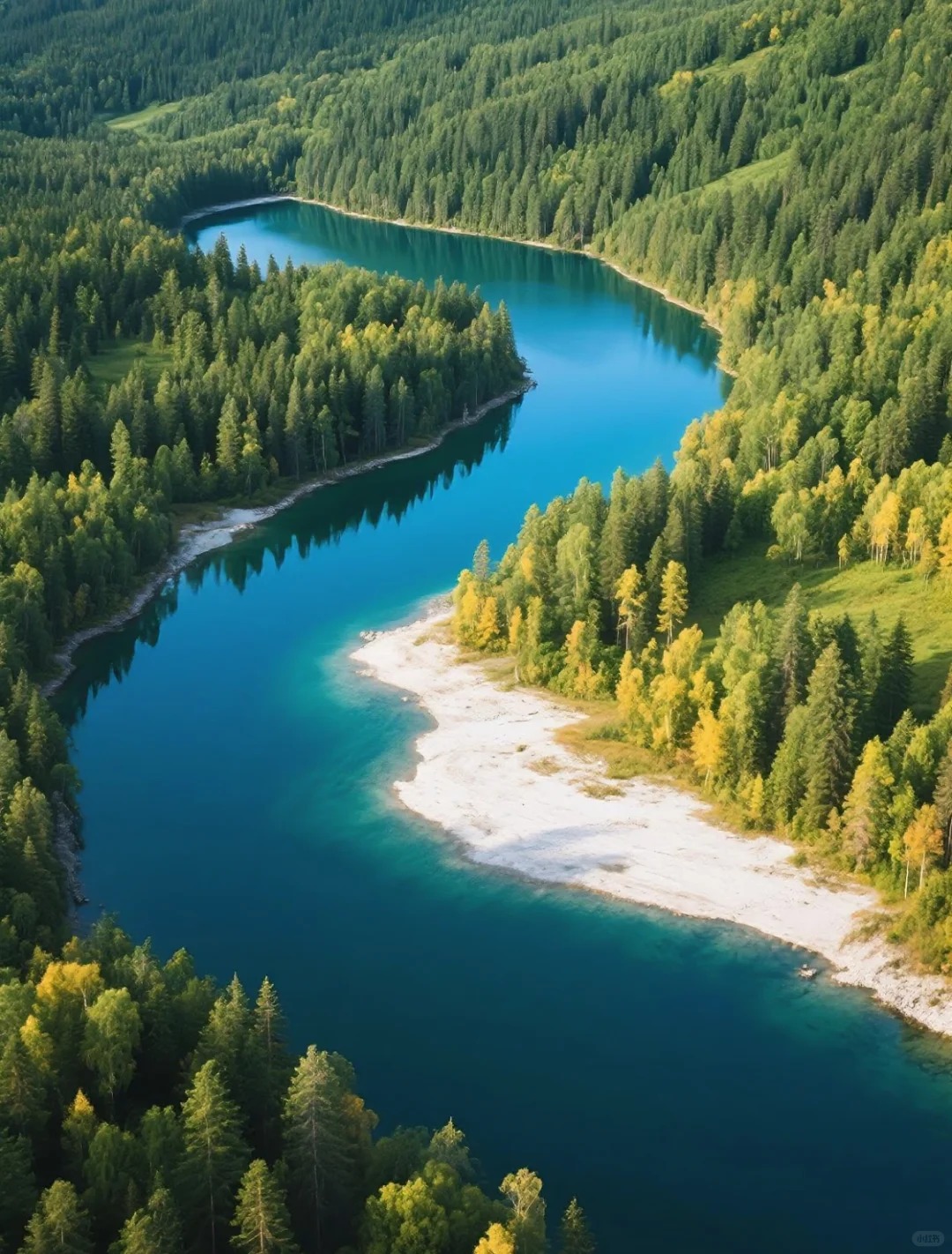
The highlight of this area is the Swan Lake, a protected wetland that is a summer home for thousands of migratory swans. As I approached the lake, the air grew cooler. The wetlands are a maze of channels, ponds, and marshes, covered in tall grass and reeds. It is a haven for wildlife, a sanctuary in the middle of the steppe.
I saw my first swan as a white dot in the distance. As I walked quietly along the wooden boardwalk, the dot resolved into a magnificent, regal bird. It was a mute swan, gliding effortlessly through the water, its neck curved in a graceful S-shape. There were hundreds of them. I watched adults guiding their cygnets, teaching them to forage for food. The sound of the wetlands is soothing—the rustle of reeds, the soft splash of water, and the occasional honk of a swan calling to its mate.
It is a strange feeling to be surrounded by these creatures. We associate swans with grace and beauty, but seeing them here, in this wild, harsh environment, gives them a sense of resilience. They travel thousands of miles to get here, navigating the hostile mountain ranges to find this safe haven. I sat on a bench by the water for an hour, just watching them. It was a meditative experience. The swans moved with a slow, deliberate grace, oblivious to my presence. They were in their world, and I was just a guest.
The next day, I drove to the famous “Nine Turns and Eighteen Bends” of the Kaidu River. This is the spot that features in every travel brochure of Xinjiang. The river originates in the Tianshan mountains and flows through the grassland, meandering in a spectacular fashion. The viewing platform is situated high on a cliff, offering a bird’s-eye view.
From this height, the Kaidu River looks like a silver thread unspooling on a green carpet. It twists and turns, looping back on itself, creating patterns that seem too geometric to be natural. The sun was high, casting a bright light on the water, making it sparkle like a diamond necklace.
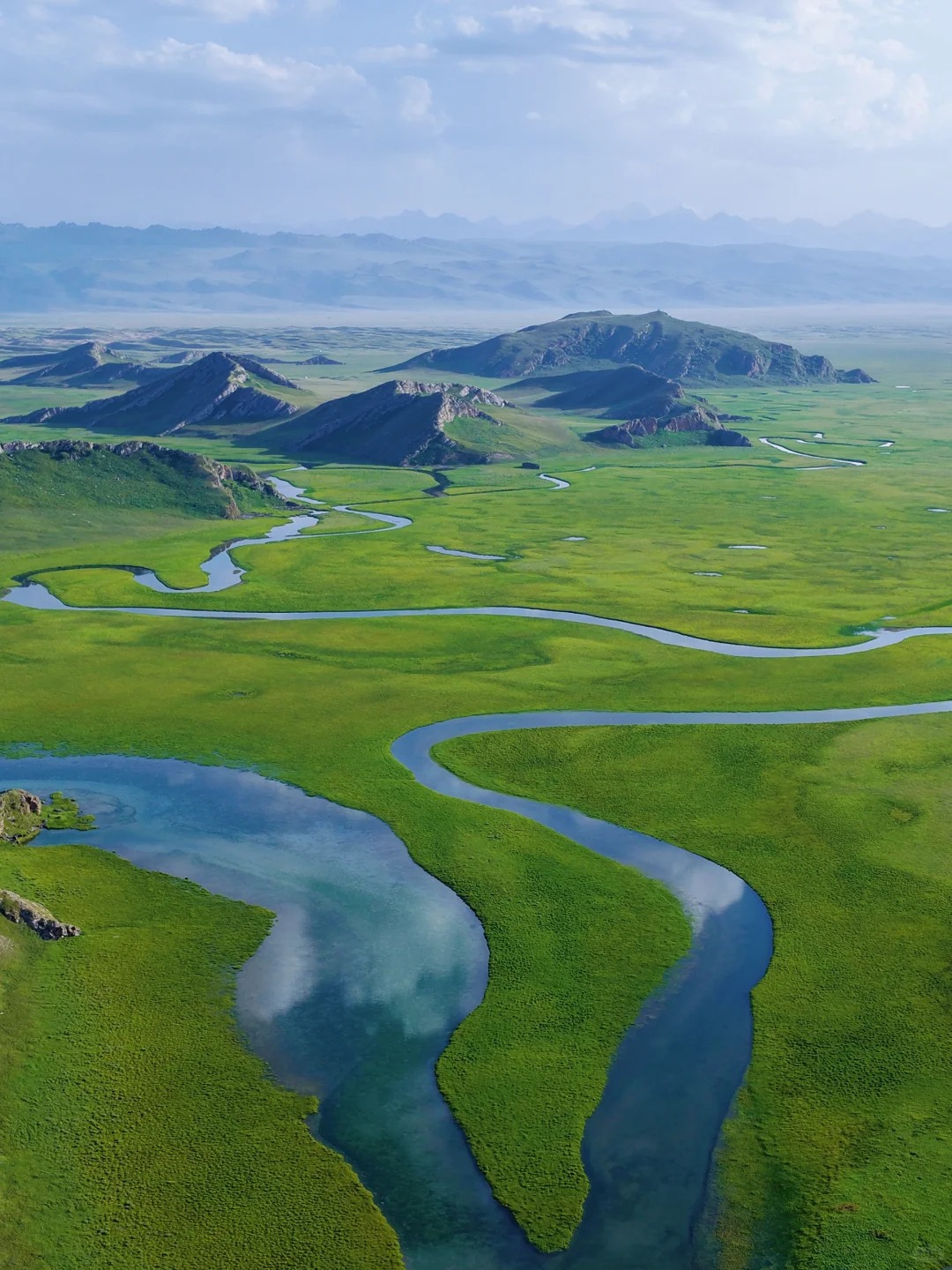
I was lucky enough to be there when the “sunshine on the river” phenomenon occurred. This happens when the sun is low in the sky, and a shaft of light hits a specific bend of the river, creating a glowing, fiery loop that looks like a Chinese dragon coiling in the grass. It is a fleeting moment, lasting only minutes as the sun moves. When the light hit the water, a collective gasp went through the crowd of photographers gathered there. It was a scene of breathtaking beauty. It felt like a reward from the gods for making the long journey.
But Bayinbuluke is more than just swans and river bends. It is a place of extreme climate. The wind here is constant and biting. Even in summer, the temperature can drop rapidly at night. I stayed in a small hotel in the town of Bayinbuluke. The heating was struggling to keep up, and I wore my down jacket to dinner. The local Mongolian cuisine, heavy with meat and dairy, is designed for this climate. I ate a bowl of *shouba rou* (boiled mutton) and drank hot milk tea to warm my insides.
The cultural atmosphere in Bayinbuluke is strongly Mongolian, as this is part of the Bayinbuluke Mongol Autonomous County. The people here have a deep connection to the land and the river. I met a local herder named Batu. He told me that the Kaidu River is the “Mother River” of the region. “Without this water, the grass dies, and the sheep die,” he said. He spoke with a deep respect for nature, a respect that is born from living in a harsh environment.
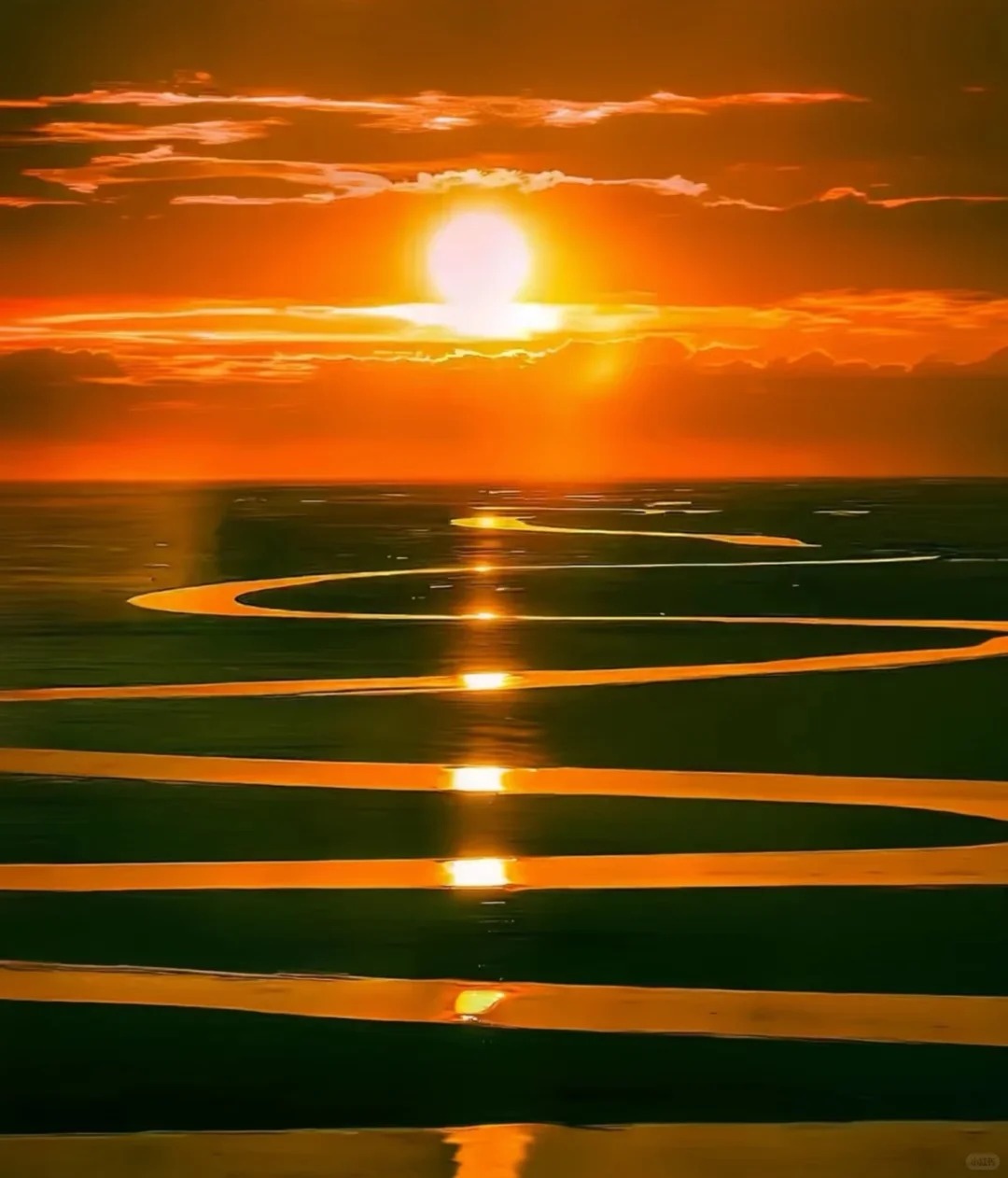
I spent my final evening on a hill overlooking the grassland. The sun was setting, painting the sky in shades of purple and orange. The shadows of the clouds raced across the grass. In the distance, I could see the smoke rising from yurts. The silence was absolute, broken only by the wind. It was a moment of pure, unadulterated peace.
Bayinbuluke is not a place for those who seek luxury and comfort. It is a place for those who seek the raw beauty of nature. It is a place where the sky is big, the earth is vast, and the life is resilient. It is a symphony of water and grass, played out on a high-altitude stage.
As I left, driving back out of the basin, I took one last look at the Swan Lake in the rearview mirror. I realized that places like this are rare. They are the lungs of the planet, the sanctuaries for the wild. To visit Bayinbuluke is to be reminded that we share this world with incredible creatures, and that we have a duty to protect these wild spaces. It was a journey that nourished my soul and gave me a newfound appreciation for the delicate balance of the ecosystem.