The ferry cuts through the misty waters of the Taiwan Strait, and as I step onto Gulangyu Island, the first thing that strikes me is the silence—not the empty silence of a desolate place, but the peaceful hush that comes from the absence of car horns and engine roars. This tiny island, just a 10-minute ferry ride from Xiamen’s main downtown, is a world apart, a living museum where time moves at a slower pace. I’ve traveled to many coastal spots in China, but Gulangyu’s unique blend of colonial architecture, tropical greenery, and local warmth has left an indelible mark on my heart.

My journey begins at the ferry terminal, where a crowd of locals and tourists mingles, but the chaos fades quickly as I turn onto a narrow lane lined with banyan trees. Their aerial roots dangle like natural curtains, filtering the sunlight into dappled patterns on the stone pavement. I pause to watch an elderly local man sitting on a wooden stool outside his home, carving a small wooden boat with meticulous care. He notices me watching and gestures for me to come closer, explaining in broken Mandarin that he’s been making these boats for over 50 years, a tradition passed down from his father. I run my finger along the smooth wood, feeling the grooves of the hull, and realize that Gulangyu is not just a place of sights, but of stories.
As I wander deeper into the island, I’m surrounded by a kaleidoscope of architectural styles. There are red-bricked Western-style villas with pointed roofs and arched windows, left behind by foreign missionaries and merchants in the 19th and early 20th centuries. Next to them are traditional Southern Fujian courtyard houses, with gray tiled roofs and wooden balconies adorned with carvings of dragons and phoenixes. One of my favorite spots is the former residence of Lin Juemin, a revolutionary martyr from the late Qing Dynasty. The house is a beautiful blend of Chinese and Western design, with a spacious courtyard and a veranda lined with columns. Inside, old photos and furniture tell the story of Lin’s short but heroic life, and I can’t help but feel a sense of reverence as I stand in the room where he wrote his famous letter to his wife before going to battle.
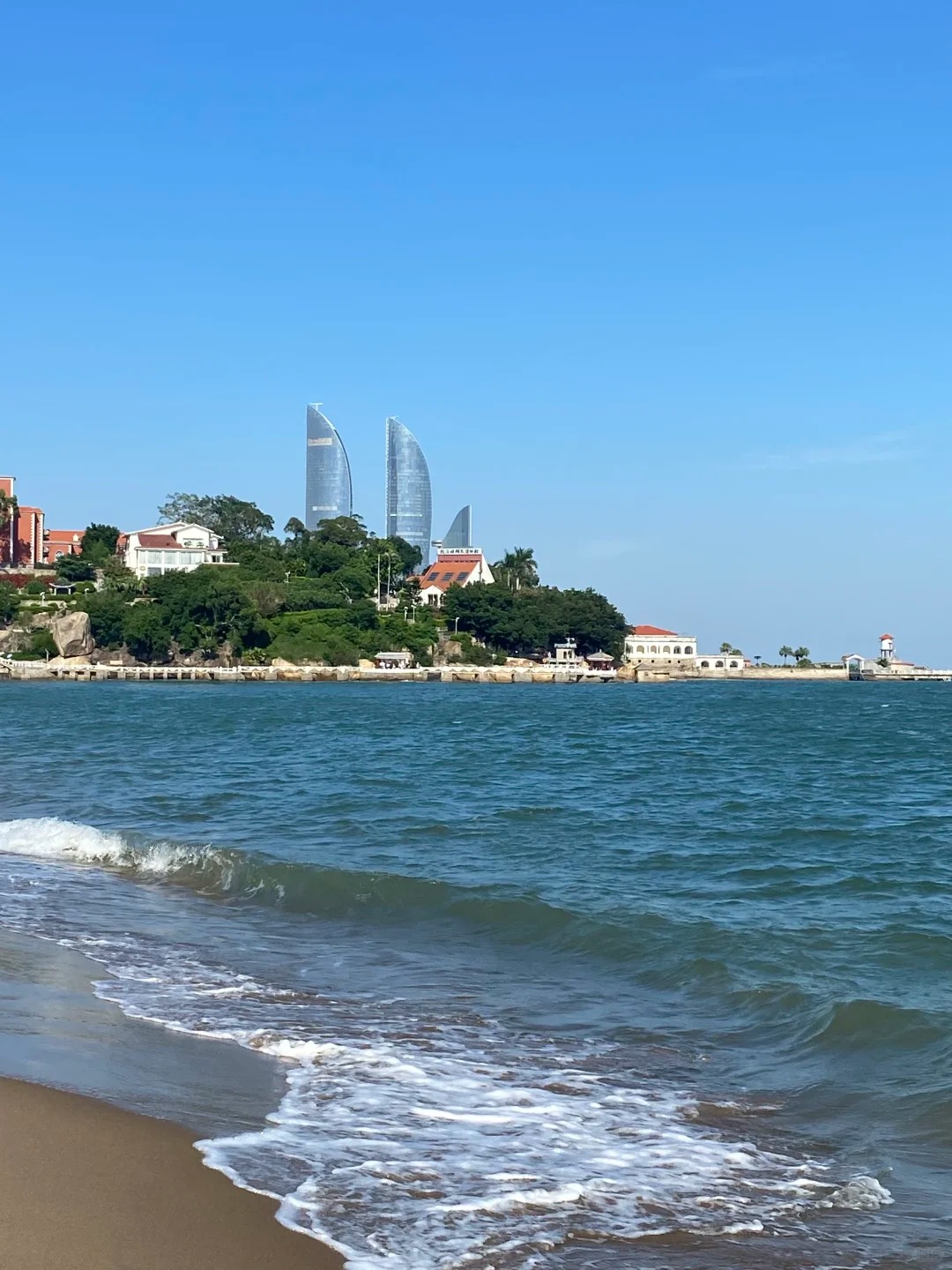
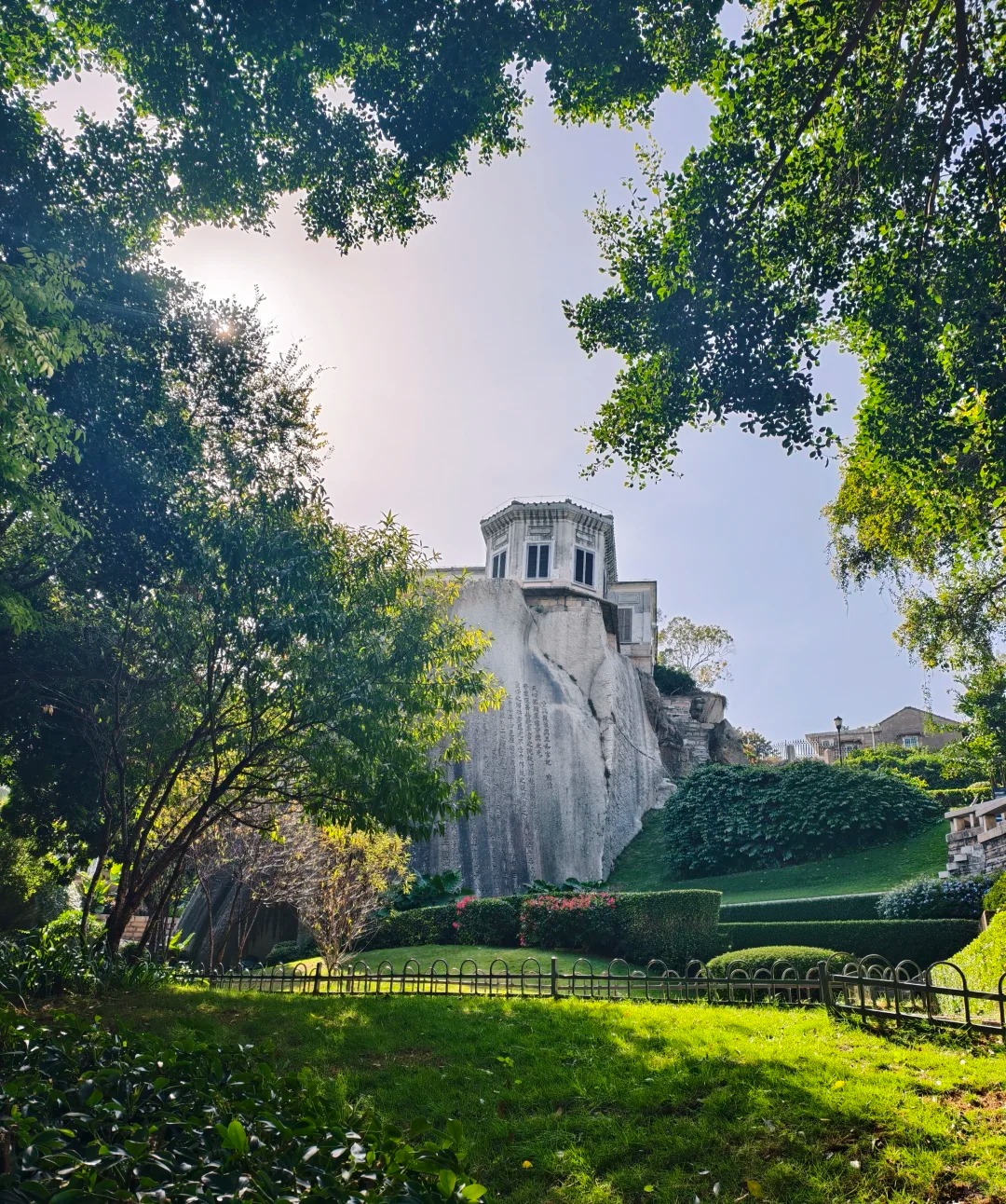
No visit to Gulangyu is complete without climbing Sunlight Rock, the highest point on the island. The climb is steep, with stone steps winding up through dense vegetation, but the view from the top is well worth the effort. On a clear day, you can see the entire island spread out below, with its colorful houses nestled among the trees, and the skyline of Xiamen across the water. I reach the summit at sunrise, and the golden light bathes everything in a warm glow. A group of local elders are doing tai chi on the platform, their movements slow and graceful, in perfect harmony with the peaceful surroundings. I sit down on a rock and take it all in, feeling a sense of calm that’s hard to find in the hustle and bustle of modern life.
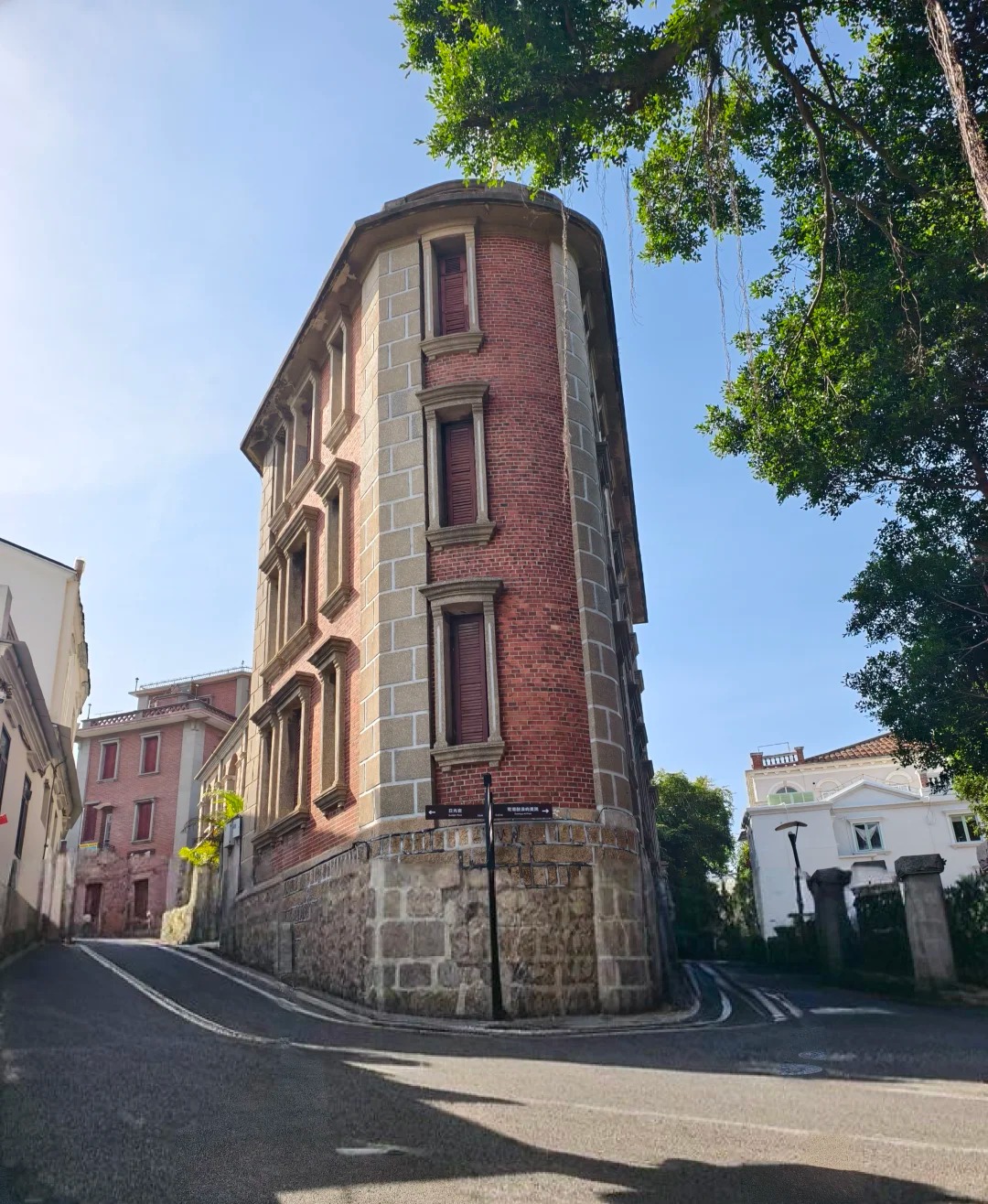
Gulangyu is also known as the “Island of Music,” and it’s easy to see why. As I walk through the lanes, I hear the sound of pianos drifting out of open windows, violins being played in small gardens, and even local musicians performing folk songs on the street. There’s a piano museum on the island, which houses a collection of antique pianos from around the world. I spend an hour there, listening to a guide play pieces on a 100-year-old piano, the music filling the air with a nostalgic charm. Later, I stop at a small tea house on a quiet lane, where I order a cup of tieguanyin (iron goddess of mercy) tea, a local specialty. The tea master brews the tea with great care, using a small clay teapot and tiny cups. As I sip the fragrant tea, I listen to a young woman playing the guzheng, a traditional Chinese zither, her fingers dancing across the strings. It’s a moment of pure bliss, a perfect combination of sight, sound, and taste.
When it comes to food, Gulangyu has plenty to offer. I wander through the bustling Shuzhuang Road, where street vendors sell all kinds of local snacks. I try ah-bua, a sweet glutinous rice ball filled with peanut paste, which is soft and chewy, and xiamen shrimp noodles, a savory dish with fresh shrimp and a rich broth. My favorite meal is at a small family-run restaurant hidden down a narrow alley. The owner, a friendly middle-aged woman, cooks up a feast of local dishes: braised pork ribs with taro, stir-fried clams with garlic, and steamed fish with soy sauce. The food is simple but delicious, made with fresh local ingredients, and the owner keeps refilling my tea cup and asking if I like the food. It’s this kind of warmth and hospitality that makes Gulangyu so special.
As the sun sets, I take a ferry back to Xiamen. Looking back at the island, I see the lights starting to come on, twinkling like stars in the darkness. I’ve spent a full day on Gulangyu, but it feels like I’ve only scratched the surface. There are so many more lanes to explore, so many more stories to hear, and so many more flavors to taste. Gulangyu is not just a tourist destination; it’s a place where history and modernity coexist, where East meets West, and where people still take the time to stop and smell the flowers. It’s a place that will stay with me forever, a little paradise in the middle of the sea.