They call it the “Oriental Alps,” but standing before the jagged, snow-capped peaks of Mount Siguniang, I felt like I was in a world entirely its own. The name translates to “Four Girls Mountain,” derived from a local legend about four sisters who turned into mountains to protect a panda from a storm. The story sounds gentle, but the mountains themselves are formidable, fierce, and hauntingly beautiful. My journey here was an escape from the humidity of the Chengdu basin, a quest for crisp air and high-altitude solitude.
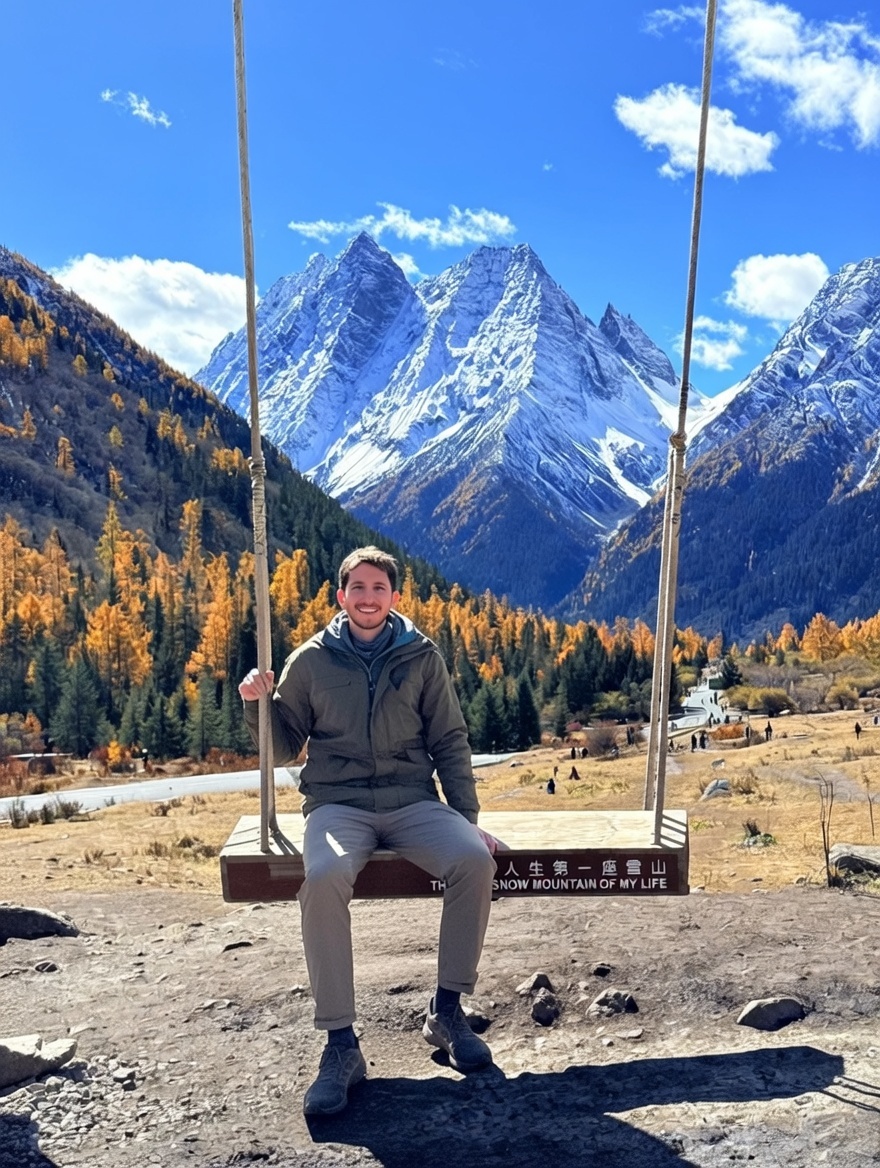
The drive from Chengdu is an experience in itself. As we left the city limits, the landscape began to undulate. We passed through the Wolong Nature Reserve, famous for its giant pandas. The road wound higher and higher, the air getting cooler with every turn. Suddenly, the mountains appeared. I remember pressing my face against the car window, breathless. The highest peak, Yaomei Feng (Little Girl Peak), stands at 6,250 meters. It is a pyramid of rock and snow, piercing the blue sky. I knew immediately that this was going to be a special trip.
I decided to focus my hiking on the Shuangqiao Valley (Double Bridge Valley). It is the most accessible of the three valleys but offers some of the most diverse and stunning scenery. I took a sightseeing bus partway up to save energy and then started my trek. The trail started in a dense forest. The trees here were massive—Chinese redwoods and firs that have stood for centuries. The ground was carpeted in moss and vibrant yellow lichen, making the forest glow. It felt like a scene from a fantasy novel. The air smelled of pine and damp earth, so pure it felt like it was cleaning my lungs from the inside out.
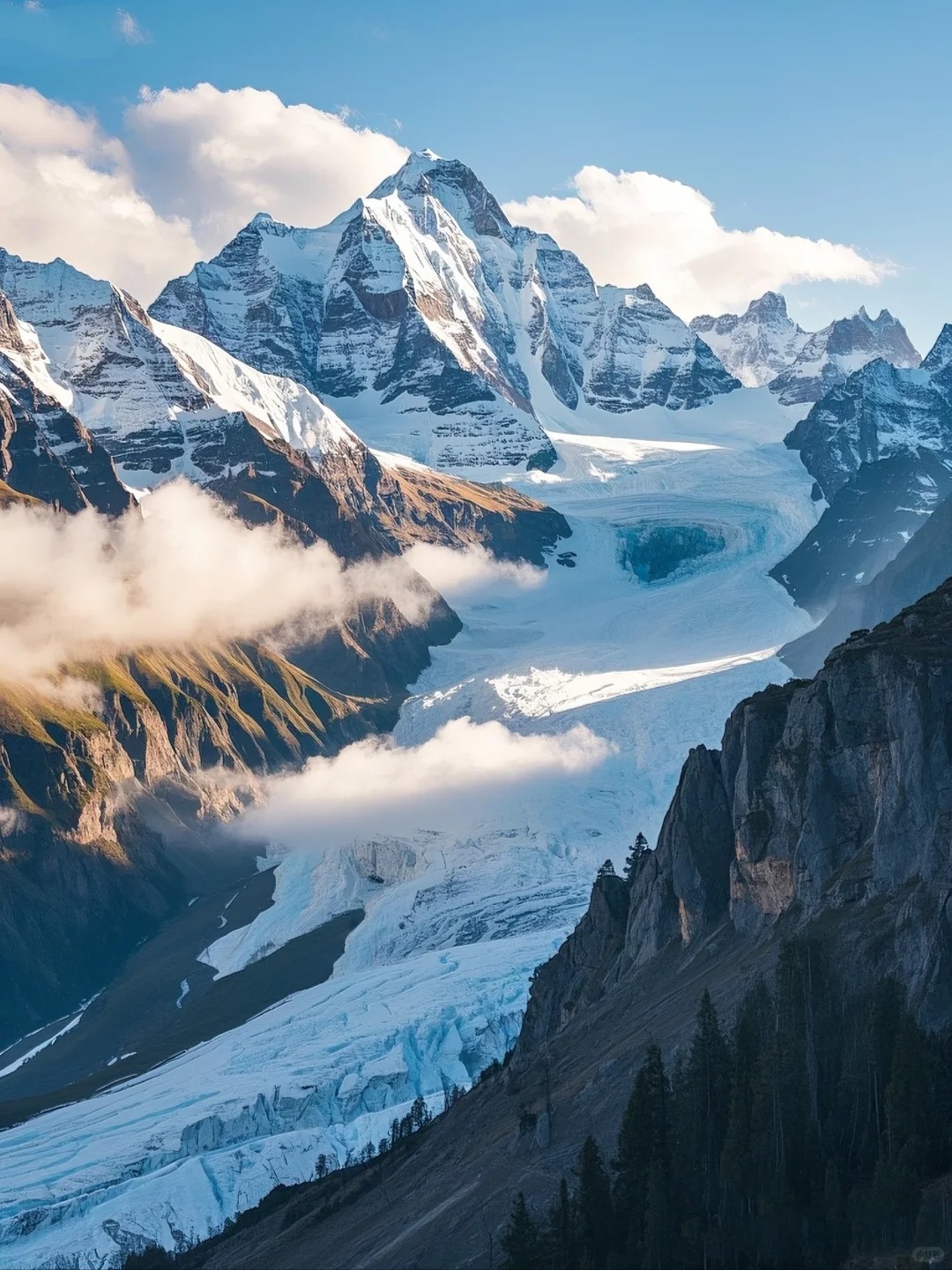
As I hiked deeper into the valley, the forest opened up into a vast alpine meadow. This is the Niu Fang Ping (Cow Shed Flat). The contrast was stunning. In front of me lay a grassy expanse dotted with wildflowers—purple, blue, and white—swaying gently in the wind. Behind me, the sheer cliffs of the mountains rose up like walls, capped with snow. I saw yaks grazing peacefully. They have such a calm, unhurried demeanor. I stopped to take a photo of a particularly large yak with its calf. The yak stared at me, chewing slowly, completely unimpressed by my presence. It was a reminder that here, they are the locals, and I am just passing through.
One of the most magical spots I encountered was the Yin Yang Valley. Here, two mountain streams meet. One comes from a glacier and is freezing cold; the other comes from a spring and is warmer. The two waters flow side by side without mixing immediately, creating a visible line of “yin” and “yang.” The colors were different too—one was clear blue, the other slightly milky white. Watching the currents dance around each other was mesmerizing. It felt like a metaphor for life—hot and cold, hard and soft, constantly interacting but remaining distinct.
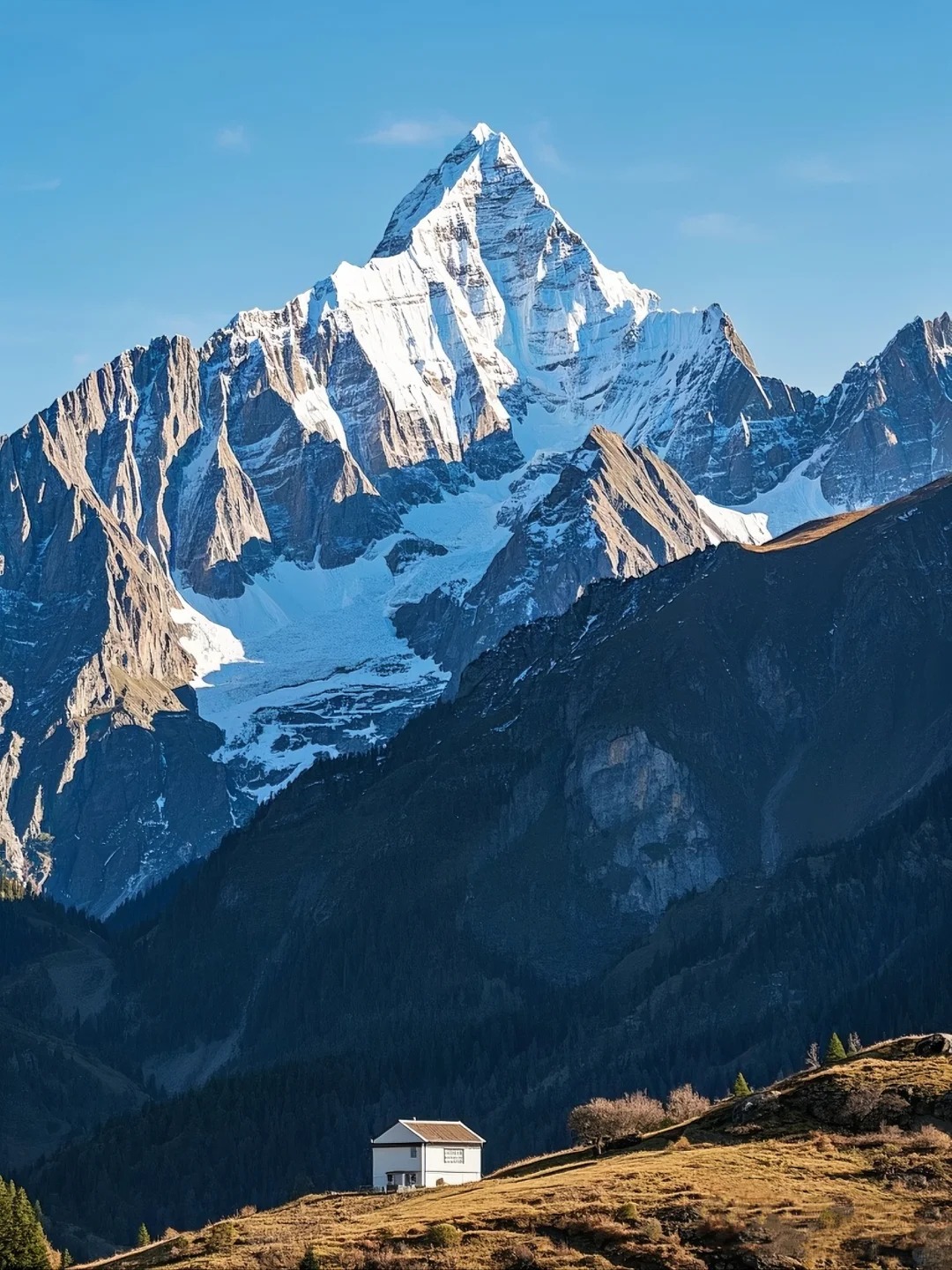
The hike took me past the Sun-Moon Mirror (Riyue Jing), a massive slab of rock polished smooth by glaciers, reflecting the sky. But the highlight was undoubtedly the view of the peaks. The weather in the mountains is fickle. One minute it was sunny, the next minute a thick fog rolled in, obscuring everything. I sat on a rock, waiting out the fog, eating a chocolate bar I had packed. Suddenly, the wind picked up, and the clouds tore open. There they were. The four sisters. The main peak, Yaomei Feng, was glowing white in the sun, its sharp ridges looking like a blade. The other three peaks stood beside her in a row. It was a moment of pure grandeur. I felt incredibly small. The silence was heavy, broken only by the sound of the wind whistling through the peaks. It’s a humbling feeling to stand before something that has existed for millions of years and will exist for millions more.

I also visited the Changping Valley briefly. It is wilder and less developed than Shuangqiao. Here, the trail follows a rushing river deeper into the heart of the mountains. I met a group of Tibetan pilgrims walking around the mountain base (a Kora). They were spinning prayer wheels and chanting. Their faces were red from the wind and the sun, weather-beaten but incredibly kind. They offered me some tsampa (roasted barley flour). I mixed it with the water from my bottle and ate it with them. It tasted simple and earthy. We didn’t share a language, but we shared a view of the mountain, and for a moment, we shared a moment of gratitude.
Reaching the Siguniangshan Town in the evening was a relief for my tired muscles. The town is a charming base for mountaineers, filled with trekking gear shops, guesthouses, and Tibetan restaurants. I had a dinner of hot pot, spicy and bubbling, which warmed me up after the cold mountain air. The local specialty here is yak meat, which is lean, tender, and delicious.
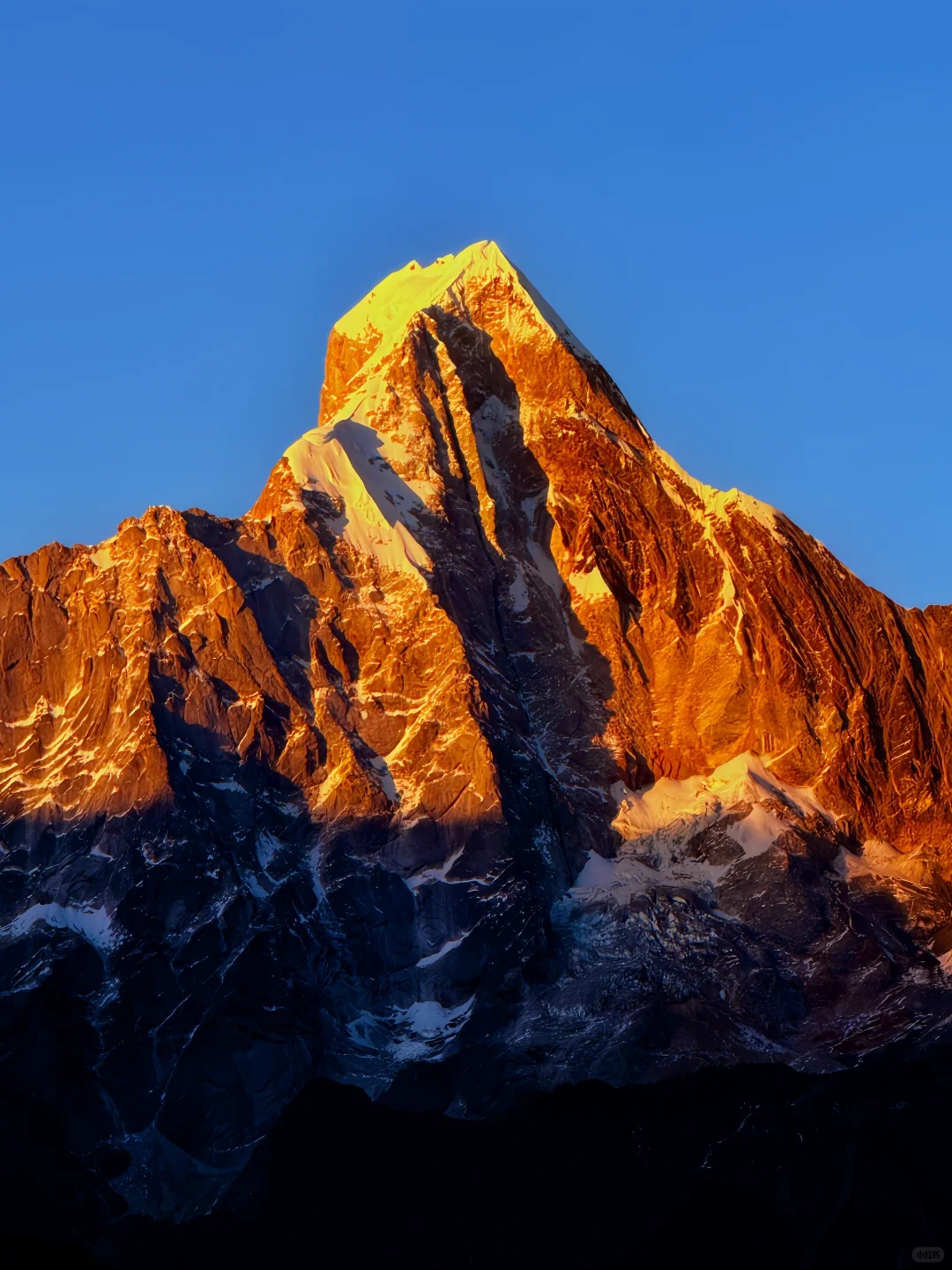
Visiting Mount Siguniang is not just about the hike; it’s about the atmosphere. It is about the feeling of being on the edge of the Tibetan Plateau. The skies are a deeper blue here; the stars at night are so bright they look like diamonds scattered on black velvet. If you are an outdoor enthusiast, a photographer, or just someone who needs to disconnect from the noise of the city, this is the place.
If you plan to go, be prepared for the altitude. The town sits at over 3,000 meters, and the hikes go higher. Take it slow. Drink plenty of water. And pack layers—the weather changes in the blink of an eye. But most importantly, keep your eyes open. Whether it’s a rare bird, a Himalayan marmot sunning itself on a rock, or the sudden glimpse of the snow peaks through the clouds, Mount Siguniang is full of surprises. It is a rugged, untamed beauty that will stay with you long after you have descended back to the lowlands. The “Four Girls” may be mountains of stone and ice, but they have a spirit that is undeniably alive.