They say that if you want to see China’s future, you go to Shanghai. If you want to see its recent past, you go to Beijing. But if you want to understand the soul of this civilization—if you want to touch the very root of what it means to be Chinese—you must go to Xi'an. And in Xi'an, you don’t start with the Terracotta Warriors. They are the guardians of the dead. No, to feel the pulse of the living, breathing city, you must start where the heart beats: the Bell Tower and the Drum Tower.
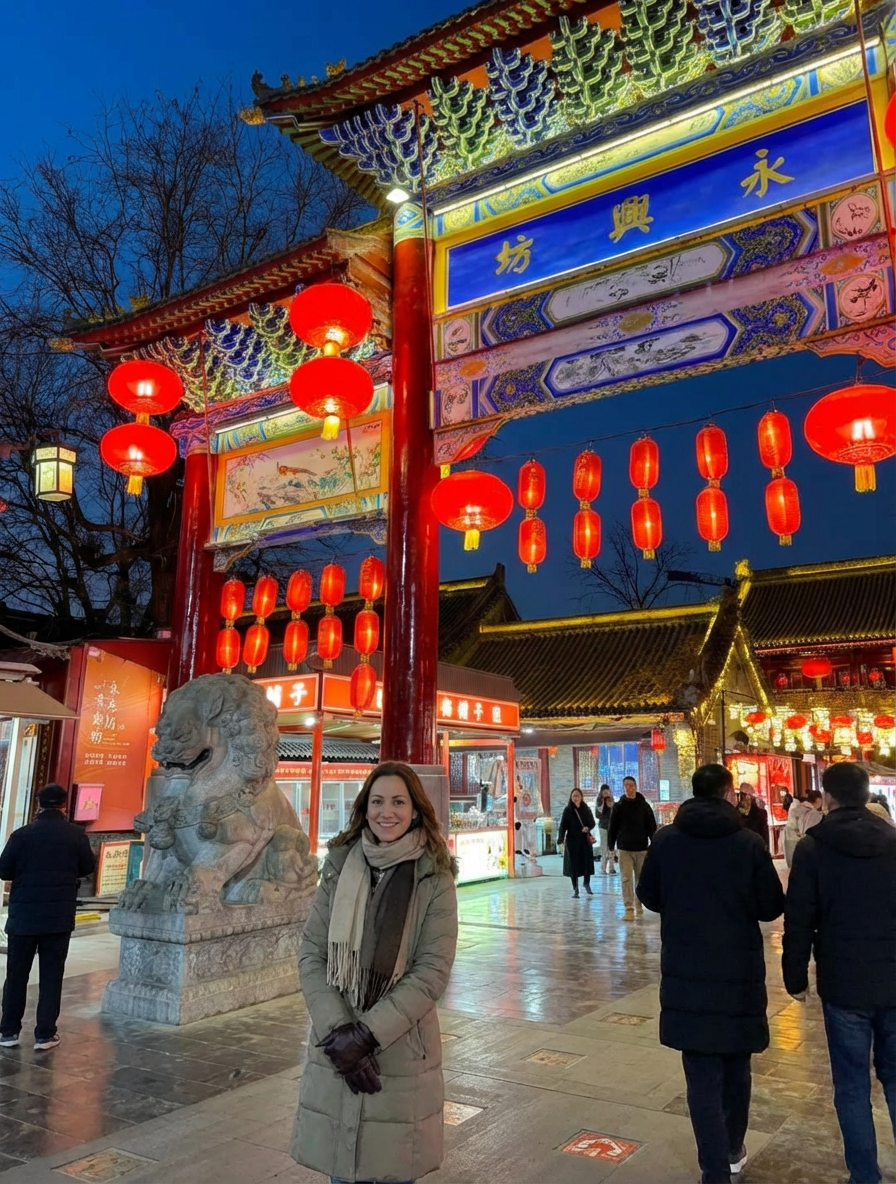
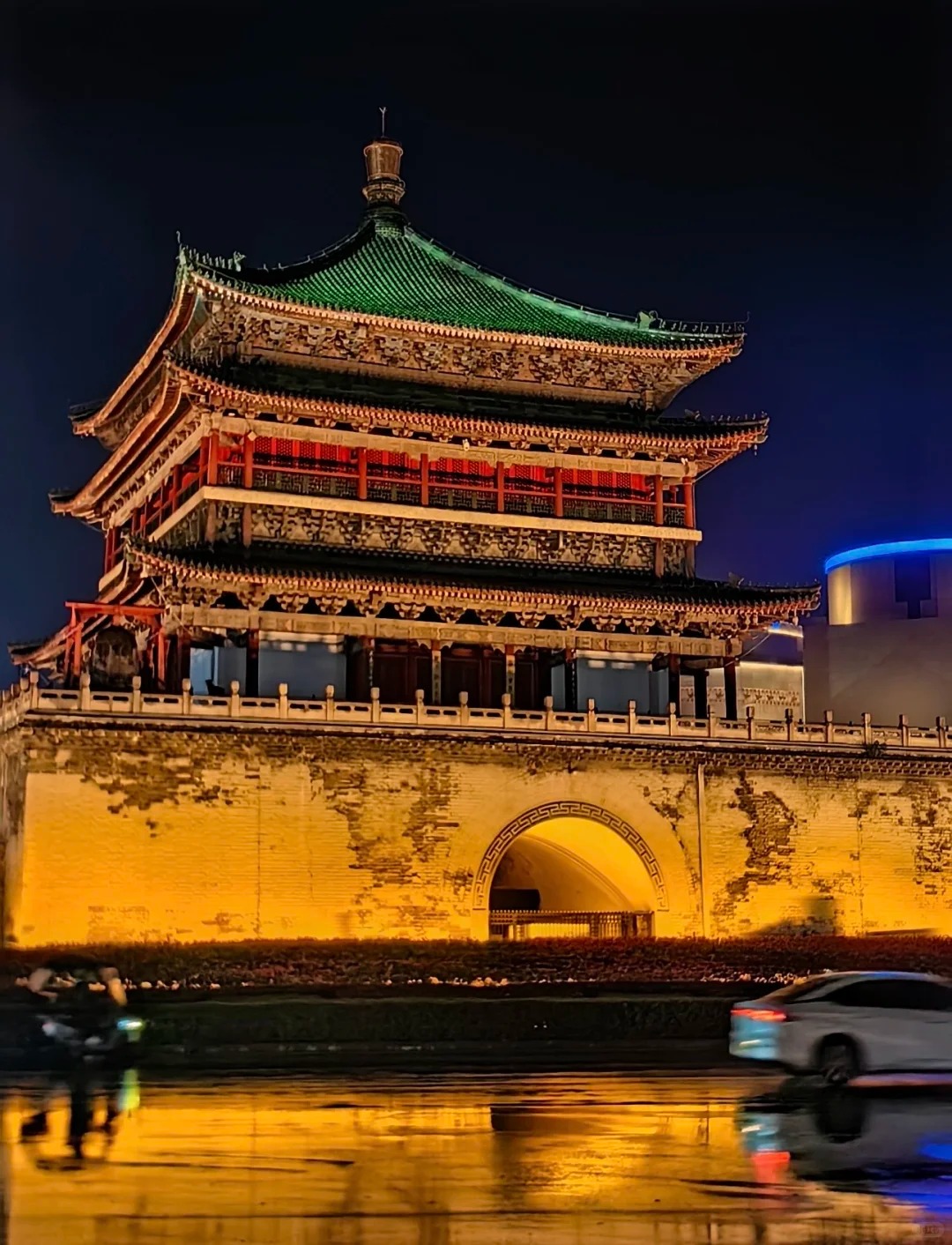
I still remember my first night in Xi'an. It wasn't just a visual experience; it was physical. The air was thick with the scent of charcoal smoke, cumin, and the dusty, dry heat of the Loess Plateau. I stood at the edge of the chaotic roundabout in the city center, watching a river of headlights flow around a glowing island of history. There it was, the Bell Tower (Zhong Lou), rising out of the asphalt sea like a golden phantom from the Ming Dynasty.
The Anchor of Time
Most guidebooks will tell you the architectural facts: built in 1384, wooden structure, triple-eaved roof. But they don’t tell you how it feels to stand beneath it. I walked through the underground passage, dodging teenagers on skateboards and grandmothers carrying groceries, and surfaced right at the tower's base.
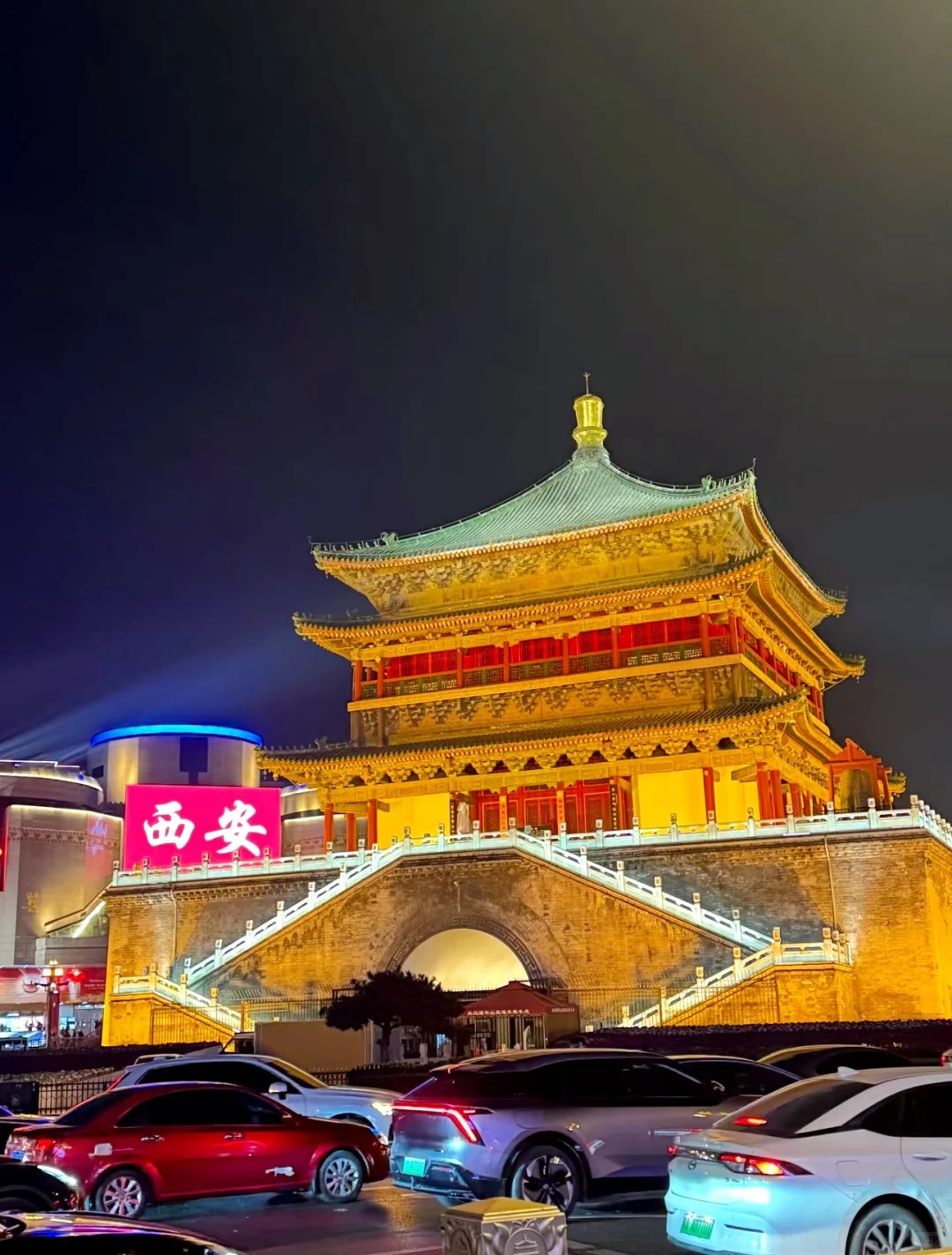
Up close, the Bell Tower is intimidating. It feels heavy, anchored to the earth with a permanence that modern skyscrapers lack. I climbed the steep stairs. The wood groaned under my boots—a sound I loved immediately. It was the sound of age. When I reached the viewing deck, the wind hit my face, carrying the sounds of the city below.
In ancient times, the "Morning Bell" signaled the start of the day. The massive "Jingyun Bell" (though the original is now in a museum, the replica is still awe-inspiring) was the city's alarm clock. I stood there, running my hand along the rough, weathered red columns, and closed my eyes. I tried to imagine the silence of a 15th-century morning, broken only by the deep, resonant bong of the bell, waking up merchants, soldiers, and poets.
Opening my eyes, I saw the contrast that makes Xi'an so addictive. To my left, a high-end shopping mall with neon advertisements for Louis Vuitton; to my right, the dark, curving tiled roof of the tower. It’s a juxtaposition that shouldn’t work, but here, it’s perfect. The Bell Tower isn't a museum piece fenced off from reality; it’s the center of the roundabout. The traffic of the 21st century revolves around the 14th century. The past is not distinct from the present here; it is the center of it.
The Rhythm of the Drum
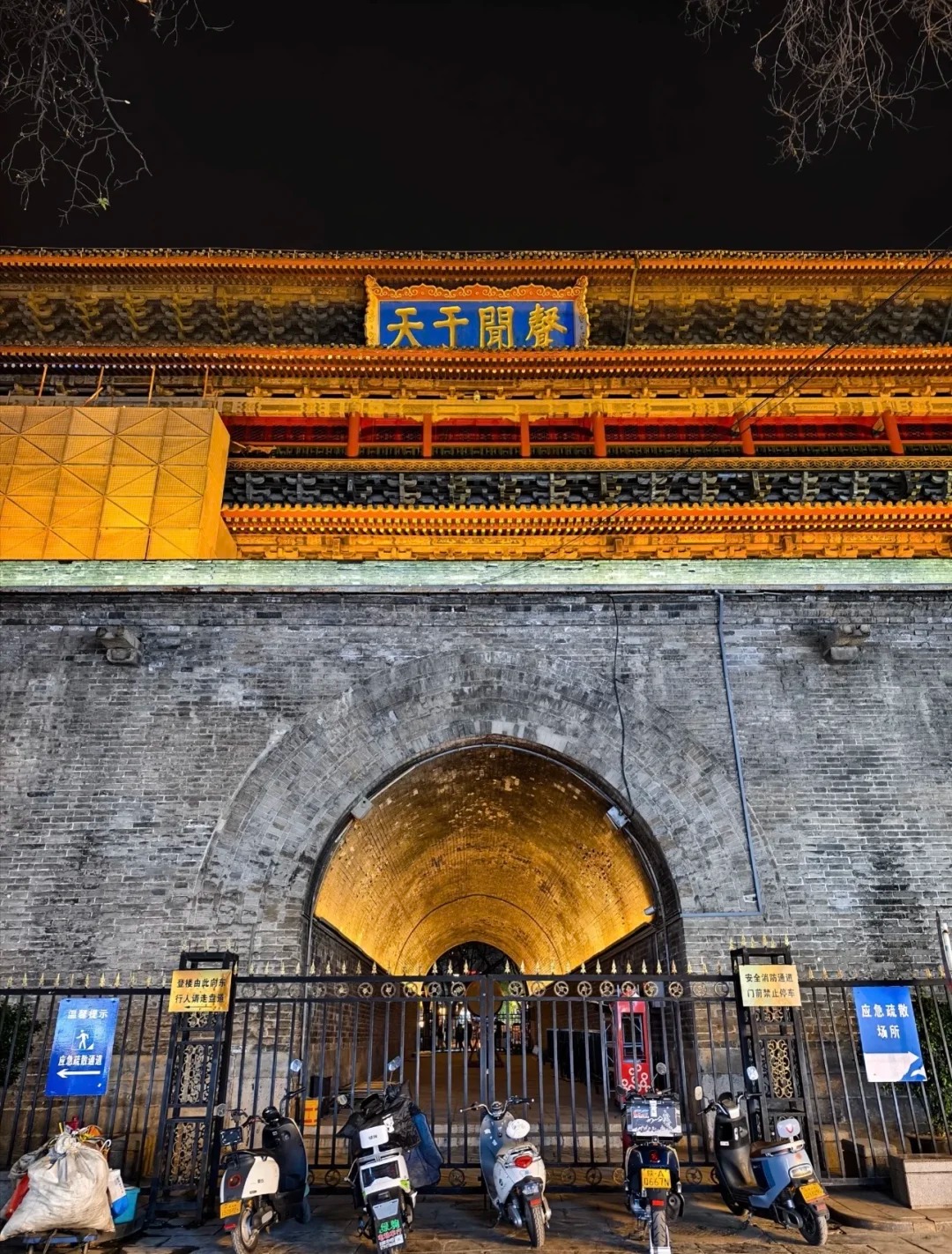
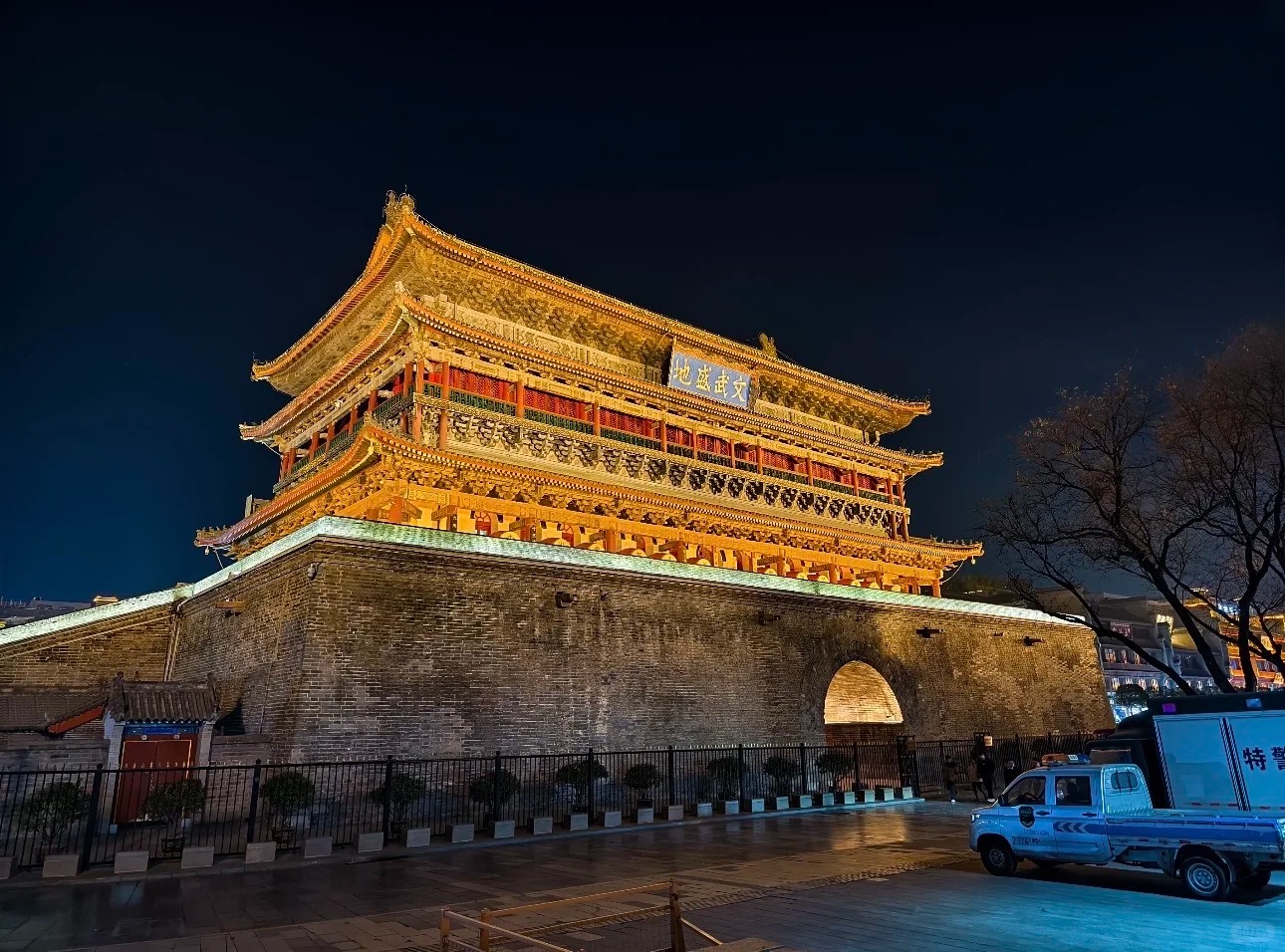
A short walk away—literally a stone’s throw—stands the Drum Tower (Gu Lou). If the Bell Tower represents the waking day, the Drum Tower owns the night. "Morning Bell, Dusk Drum" (Chen Zhong Mu Gu). This phrase has been stuck in my head since I left.
I arrived at the Drum Tower just as the sun was beginning to bleed orange into the grey sky. This structure feels different—more martial, perhaps a bit more mysterious. I bought my ticket and ascended. The second floor hosts a museum of drums, some so large they look like they could be used to summon thunder.
I was lucky. I happened to be there for a scheduled performance. I leaned against the wooden railing, tired from a day of walking, not expecting much. Then, the drummers began.
This wasn't just noise. It was a physical force. The deep bass of the drums vibrated through the floorboards, up through the soles of my shoes, and resonated in my chest cavity. Boom. Boom. Tat-tat-tat. BOOM. It was a rhythm that bypassed the brain and went straight to the gut. It sounded like an approaching army, like a heartbeat accelerated by adrenaline. For ten minutes, I wasn't a tourist with a camera; I was a subject of the Empire, listening to the city gates closing for the night. The power of that sound brought tears to my eyes—not out of sadness, but out of sheer awe at the intensity of human expression.
The Taste of History: Into the Muslim Quarter
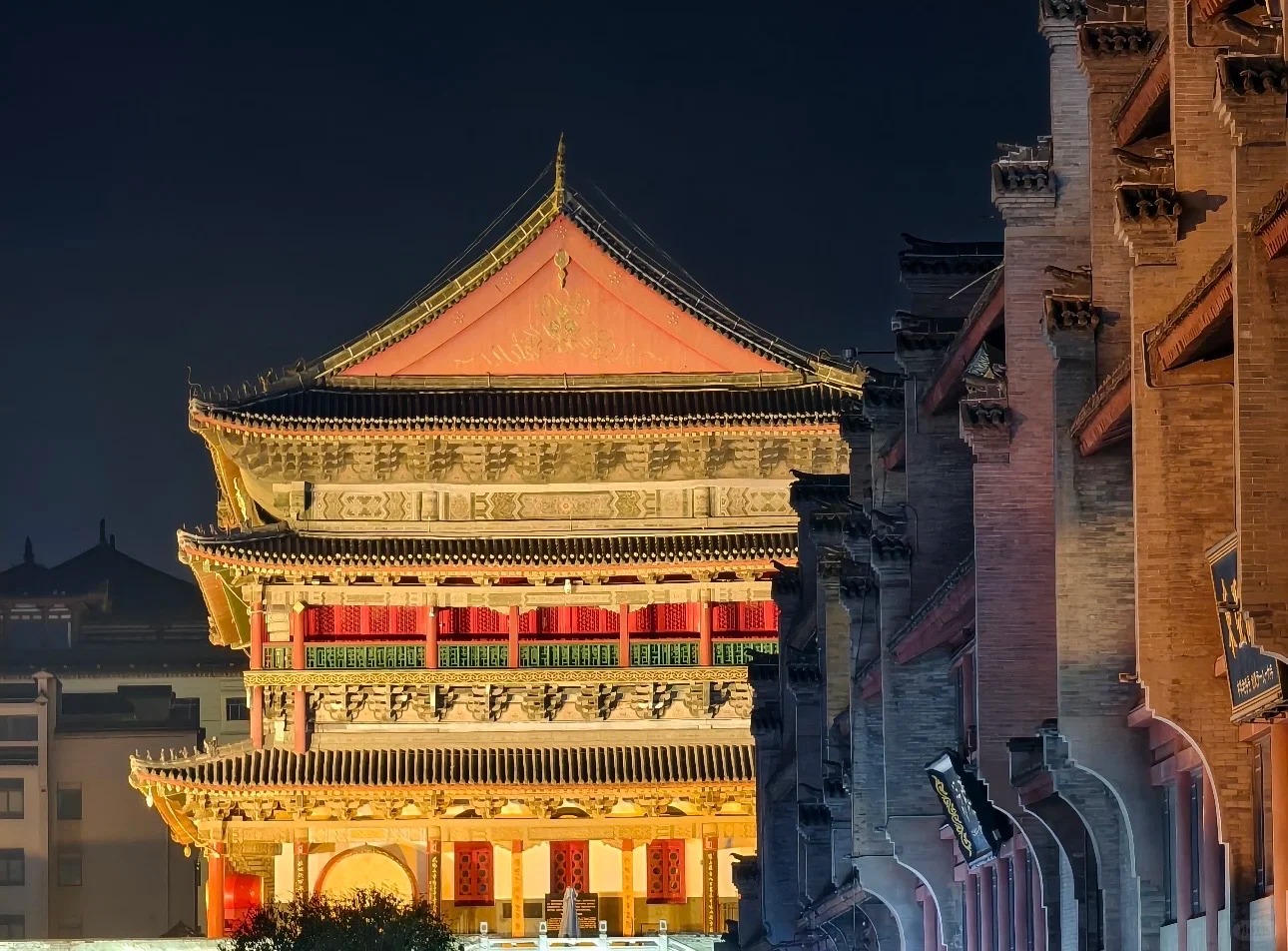
You cannot talk about these towers without talking about what lies in their shadow. As night fully descended, the Drum Tower lit up, its eaves glowing against the black sky. Just behind it lies the Muslim Quarter (Huimin Jie).
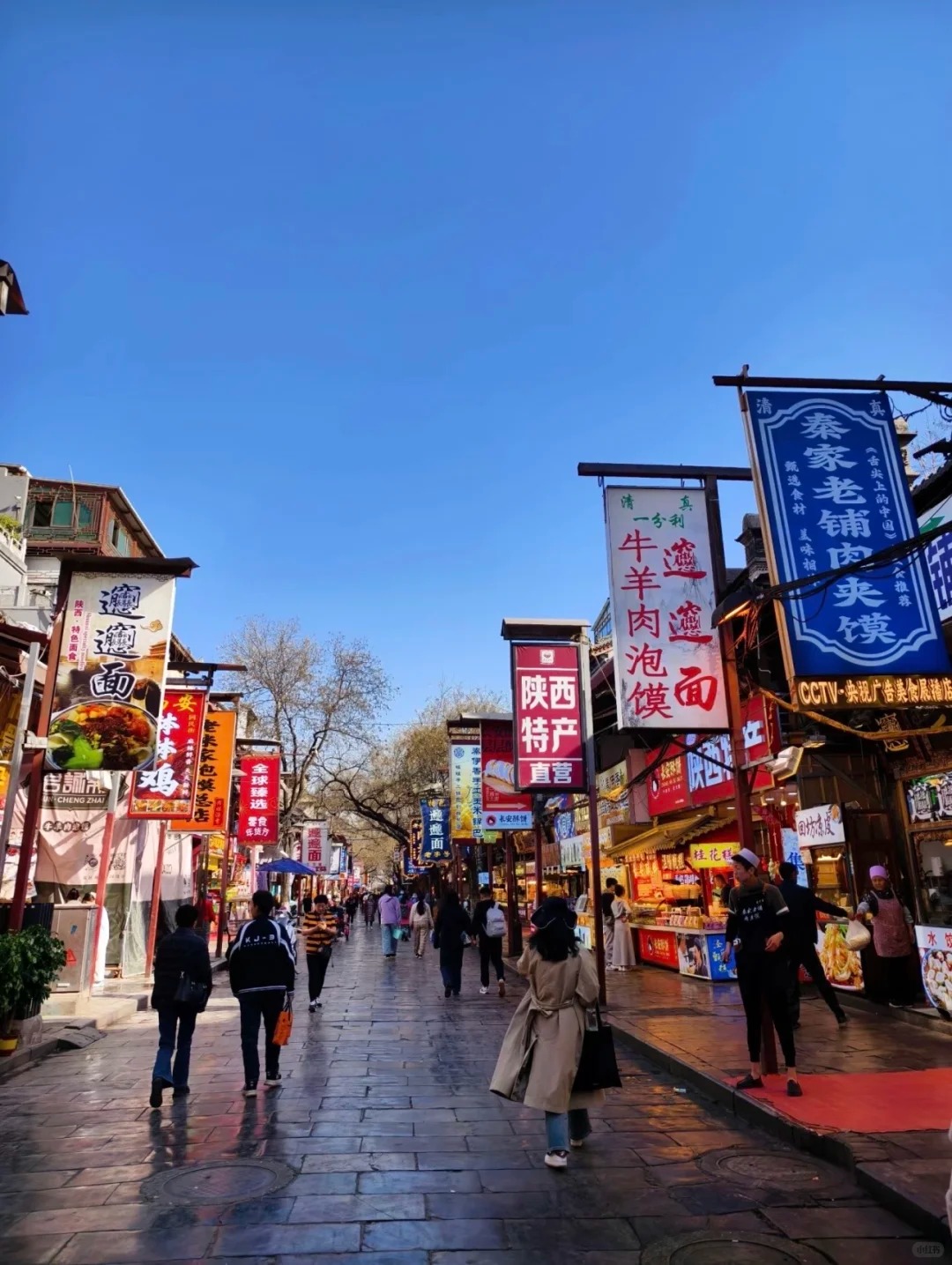
This is where the "real" experience begins for a foodie like me. The architecture is stunning, yes, but the smell? The smell is intoxicating. I wandered into the narrow, crowded alleys. It was a sensory overload. Shouts of vendors, the clanging of metal spatulas against woks, the hiss of steam.
I found a small stall where a man was making Roujiamo (often called a Chinese hamburger, but that does it a disservice). He wasn't just cooking; he was performing. He sliced the fresh, hot bread, chopped the slow-cooked beef with a cleaver that moved so fast it was a blur, and stuffed the meat inside. I took a bite. The bread was crispy on the outside, soft on the inside. The meat was savory, rich, and melted on my tongue. I stood there in the middle of the crowd, grease dripping onto my fingers, staring up at the lit-up Drum Tower looming over the alleyway.
That moment—that specific moment—is why I travel. The taste of the food, the noise of the crowd, the sight of ancient history watching over us. It felt chaotic, loud, and utterly alive.
I walked further, grabbing a skewer of spicy lamb grilled over charcoal. The cumin hit the back of my throat, spicy and fragrant. I washed it down with fresh pomegranate juice, pressed right in front of me by an old lady with a smile that wrinkled her entire face. "Hao he ma?" (Is it good?) she asked. "Tai hao he le!" (It's too good!) I replied, and we both laughed.
Why You Must Go
There are places in the world that you visit to see things. You go to Paris to see the Eiffel Tower; you go to New York to see the skyline. But you come to Xi'an to feel time.
Walking between the Bell and Drum Towers at night, I felt a profound sense of continuity. These buildings have seen emperors rise and fall. They have seen the Silk Road caravans laden with spices and silk. They have seen revolutions, wars, and the explosive rise of modern technology. And yet, they stand there, calm and dignified.
For me, Xi'an isn't just a destination on a map. It’s a reminder. In our fast-paced, digital lives where everything is deleted in an instant, the Bell and Drum Towers remind us that some things endure. They remind us to slow down. To listen to the morning bell (even if it’s imagined) and respect the dusk drum.
To my friends around the world: When you come to China, do not just rush to the Great Wall. Come to Xi'an. Climb the wooden stairs. Feel the drum beat in your chest. Eat the spicy lamb on the street corner. Let the history seep into your pores. It is an experience that will stay with you long after you have returned home.