I’ll never forget the hush that fell over the crowd at 7:45 a.m. as the gates of the Chengdu Research Base of Giant Panda Breeding swung open. I’d arrived before sunrise, clutching a thermos of jasmine tea and wearing my most comfortable walking shoes—advice whispered to me by a Sichuanese friend over hotpot the night before: “If you want to see pandas alive, not napping, you must beat the sun.” And so I did.
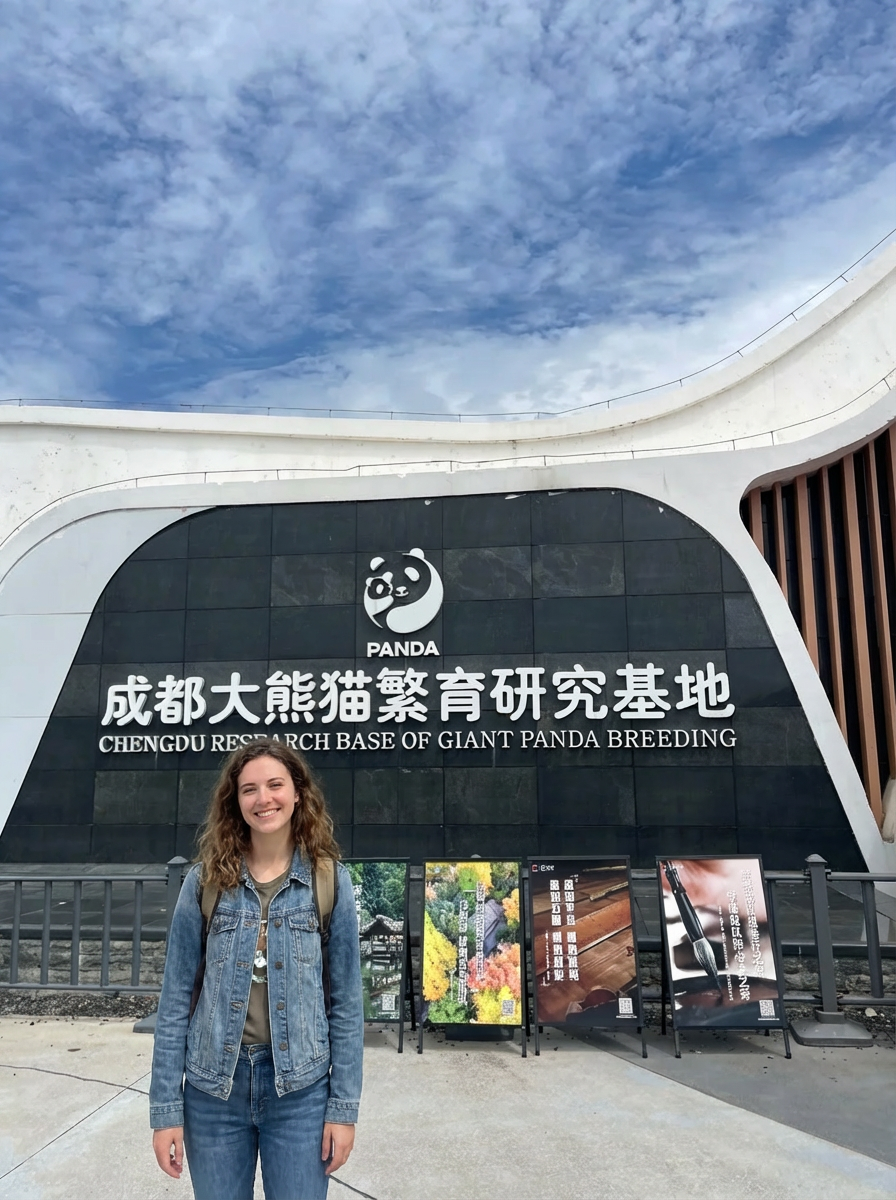
Nestled just 10 kilometers northeast of Tianfu Square in Chengdu’s Chenghua District, this isn’t your average zoo. From the moment I stepped onto the winding path lined with bamboo groves and trickling streams, I felt I’d entered a sanctuary—not just for pandas, but for wonder itself. The air was cool, damp, and fragrant with earth and greenery. Birdsong echoed from hidden thickets. And there, in a sun-dappled enclosure, sat Xiao Qian—a two-year-old cub—clumsily wrestling a bamboo stalk twice her size, her black ears twitching with concentration.
I’ve traveled across China—from the karst peaks of Guilin to the desert temples of Dunhuang—but nothing prepared me for the quiet magic of this place. Established in 1987 on the foundation of rescued pandas from the bamboo die-offs in the Qionglai Mountains, the Base has grown into the world’s largest ex-situ conservation hub for giant pandas, now home to over 244 individuals. But what struck me wasn’t just the scale—it was the intentionality. Every hill, stream, and climbing structure is designed to mimic the wild habitats of Sichuan’s Minshan and Qionglai ranges. Even the “panda villas,” as locals call them, are nestled into forested slopes so seamlessly that the animals can choose solitude or spotlight.
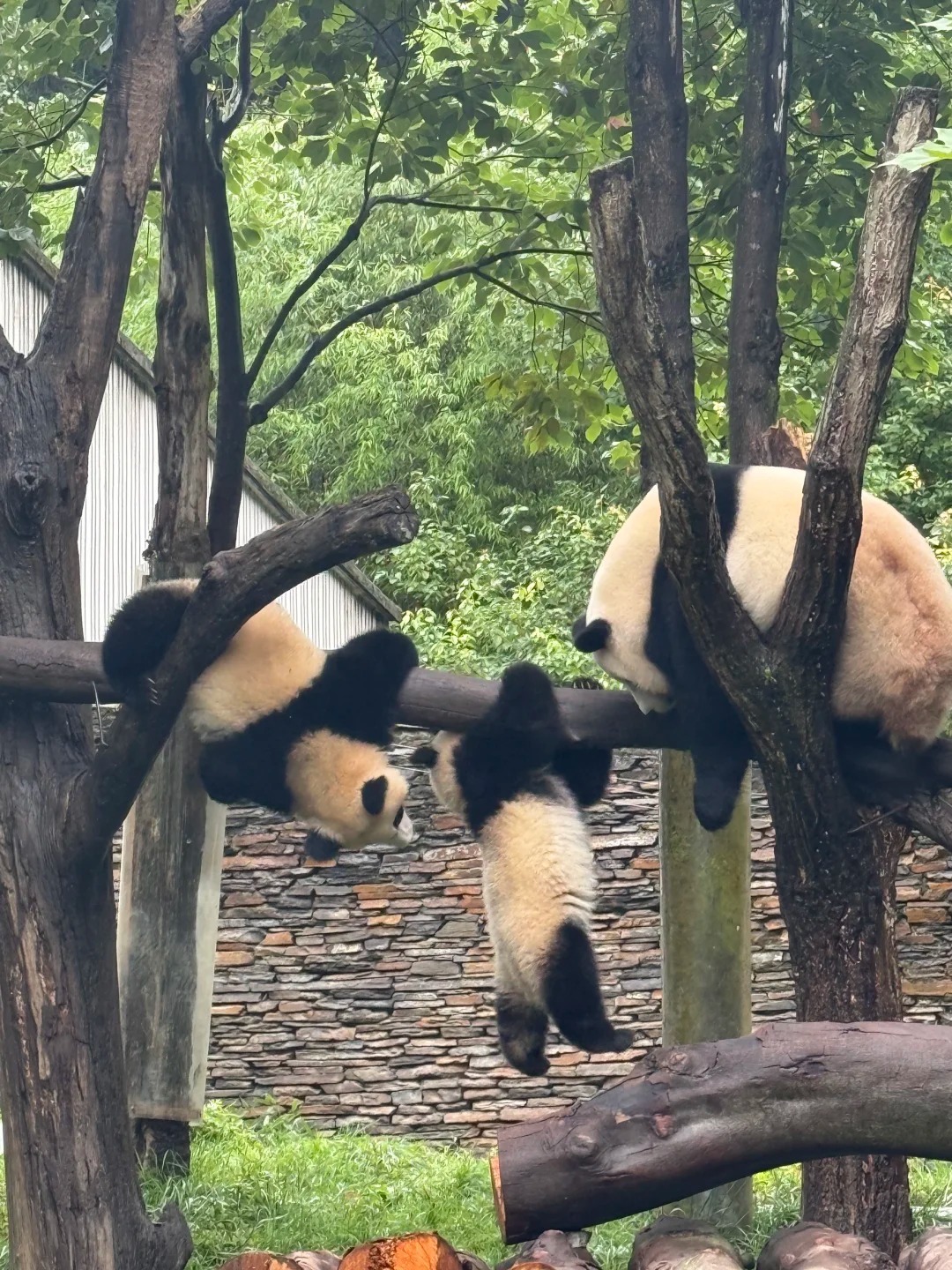
That morning, I watched keepers—affectionately called “panda dads” and “panda moms”—deliver breakfast crates filled with fresh bamboo, apples, and specially formulated nutrient cakes. One keeper, Li Wei, paused to chat with me as he cleaned an enclosure. “People think pandas are lazy,” he said with a chuckle, wiping sweat from his brow. “But they’re conserving energy. Bamboo gives them almost no calories. They eat 12 to 14 hours a day just to survive.” He pointed to a mother panda gently nudging her twin cubs toward a climbing frame. “This? This is survival training. Play is preparation.”
Later, I wandered into the newly opened Giant Panda Museum—a marvel of interactive design. Through touchscreens and immersive projections, I learned how pandas evolved a “pseudo-thumb” (a modified wrist bone) to grip bamboo, how their gut microbiome struggles to digest cellulose, and why genetic diversity is meticulously managed here like a living library. A wall-sized timeline showed how this species, once widespread across southern China, now clings to fragmented mountain forests—making places like this Base not just tourist attractions, but arks of hope.
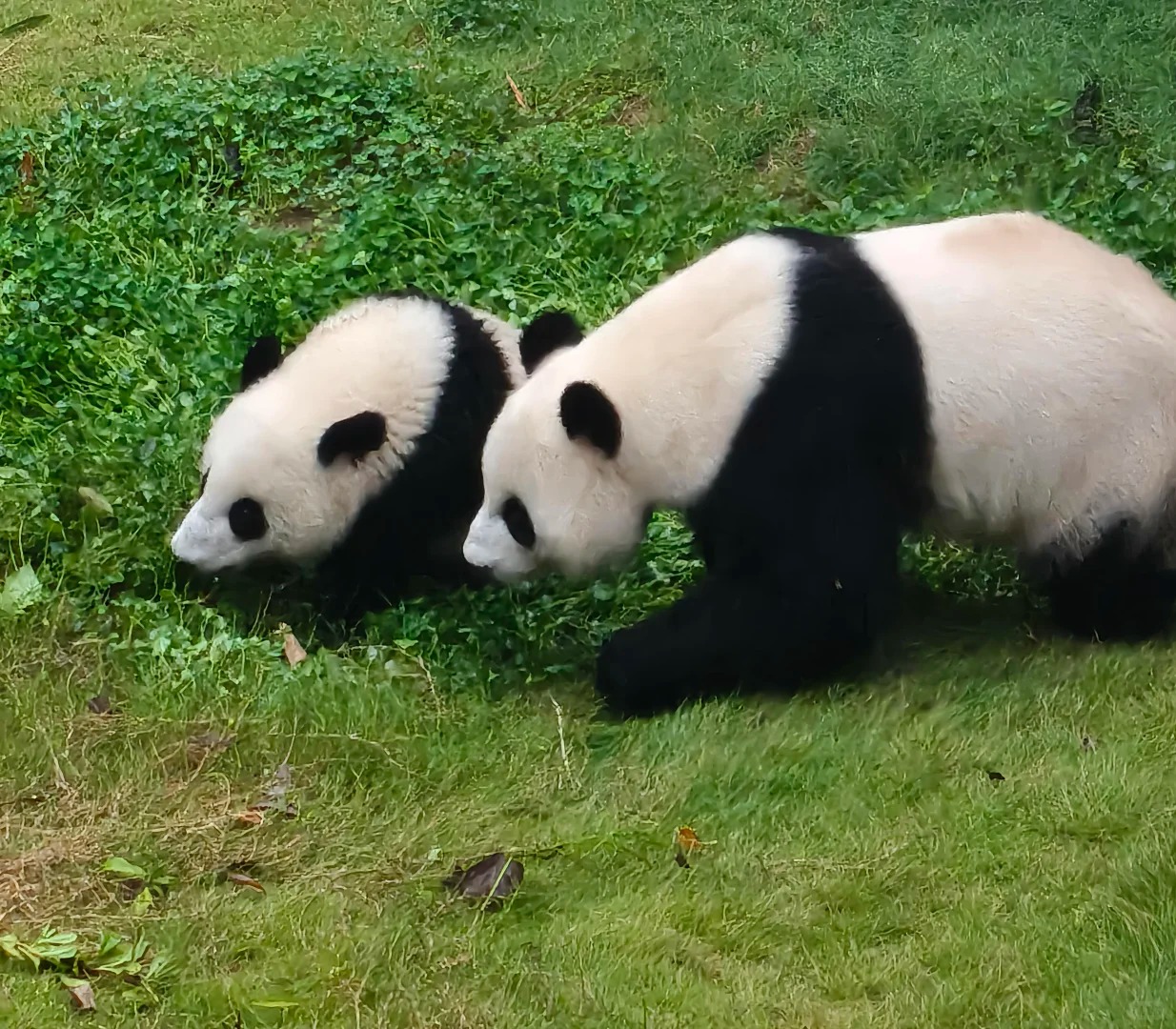
What moved me most, though, was the Base’s dual soul: it’s both a cutting-edge research institution and a deeply human space of connection. Schoolchildren pressed their noses against glass, whispering questions. Elderly couples held hands, smiling at a cub tumbling down a log. A French teenager teared up watching a panda yawn. In that moment, I realized: the panda isn’t just China’s national treasure—it’s a global ambassador of fragility and resilience.

By afternoon, the crowds swelled, and the pandas retreated to shaded corners for their post-lunch siestas. But I didn’t mind. I sat on a bench near the “Infinite Hills” zone, listening to the rustle of leaves and the distant murmur of Mandarin, English, Spanish, and Arabic—all united in awe. As I left through the South Gate, I passed a sign that read: “Conservation begins with love.” And I knew—I’d fallen in love. Not just with pandas, but with the quiet, determined humanity working to ensure they thrive for generations to come.