Xi'an doesn't just have history; it is history made flesh, stone, and flavor. My journey through this ancient capital revealed it not as a museum piece, but as a living, breathing entity where dynasties whisper from the walls and the future is being coded in tech parks. It is a city of profound layers, each era leaving an indelible mark on its soul.
The legacy is monumental and silent in the Terracotta Army, a staggering act of will meant to defy death. It is serene and integrative in the Great Mosque, where faith transcended cultural forms. It is robust and nourishing in a bowl of biangbiang noodles, a staple that has fueled citizens and emperors alike. It is poetic and cosmopolitan in the memory of Chang'an, a beacon that drew the world to its gates. And now, it is innovative and ambitious in the gleaming zones where satellites are designed and silicon chips are etched.
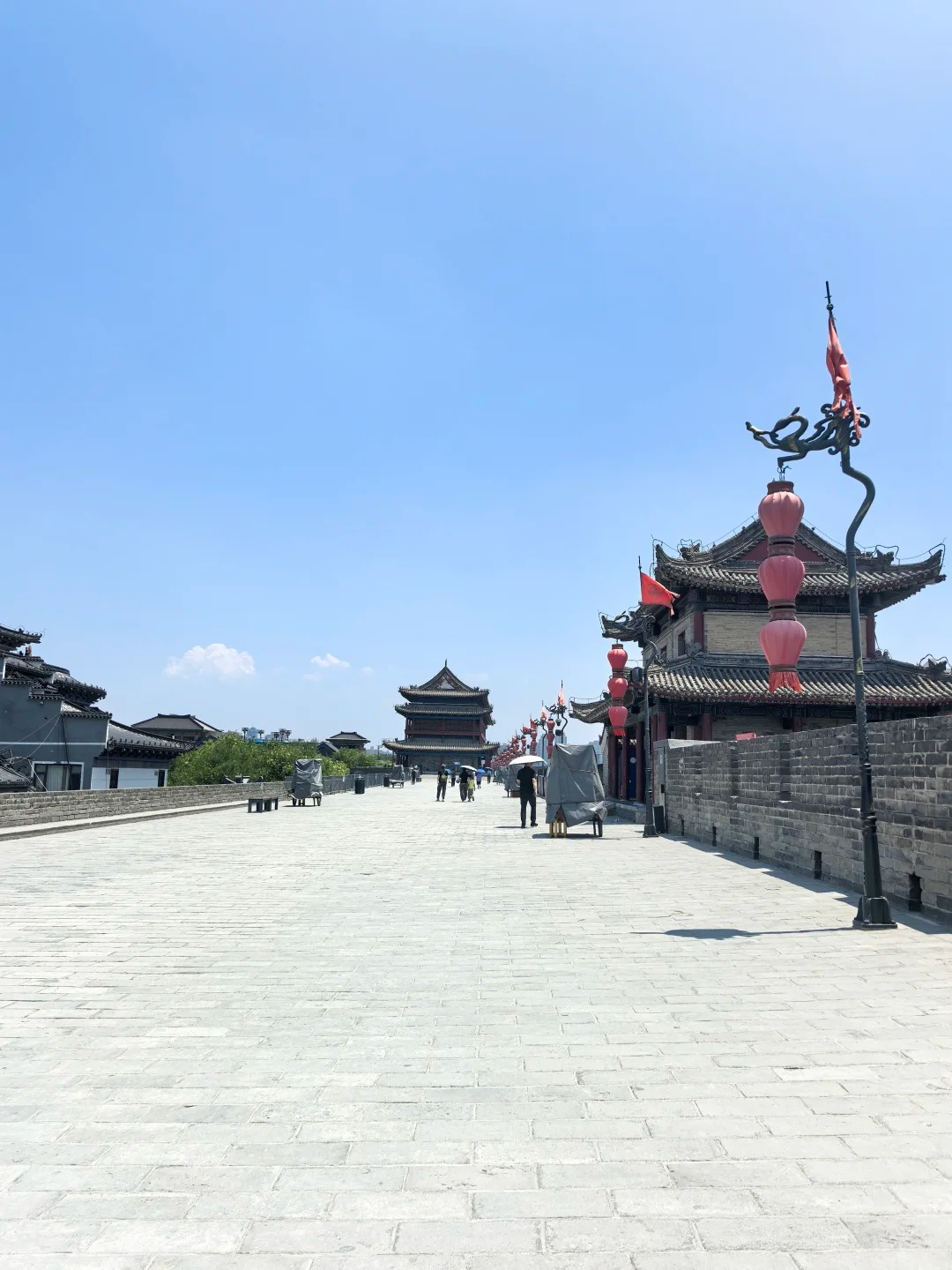
What ties these disparate threads together? It is Xi'an's enduring role as a definer. It was here that the concept of a unified, centralized Chinese state was first realized under the Qin. It was here the model of a planned, monumental capital was perfected in the Tang. It was here that East and West conducted their most sustained ancient dialogue. And now, it is here that China is redefining the potential of its inland cities, proving that innovation isn't confined to the coast.
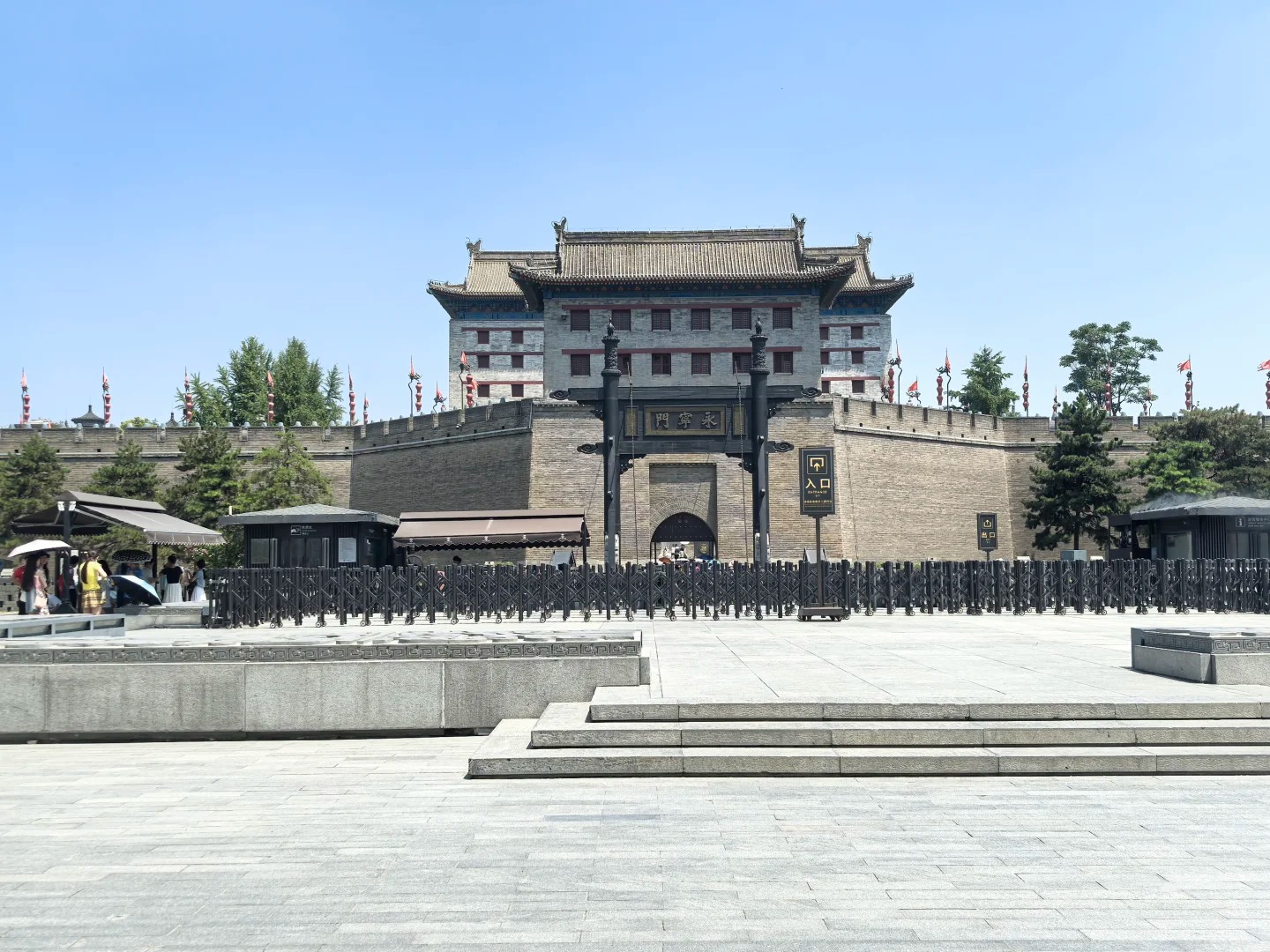
To visit Xi'an is to engage in a conversation across time. You walk on city walls built in the Ming, over foundations from the Tang, in a region ruled by the Zhou. You see not just where China has been, but clues to where it is going. The city teaches a powerful lesson: that true civilization is not about erasing the past, but about building upon it, layer by layer. The "Immortal City" earns its name not because it never
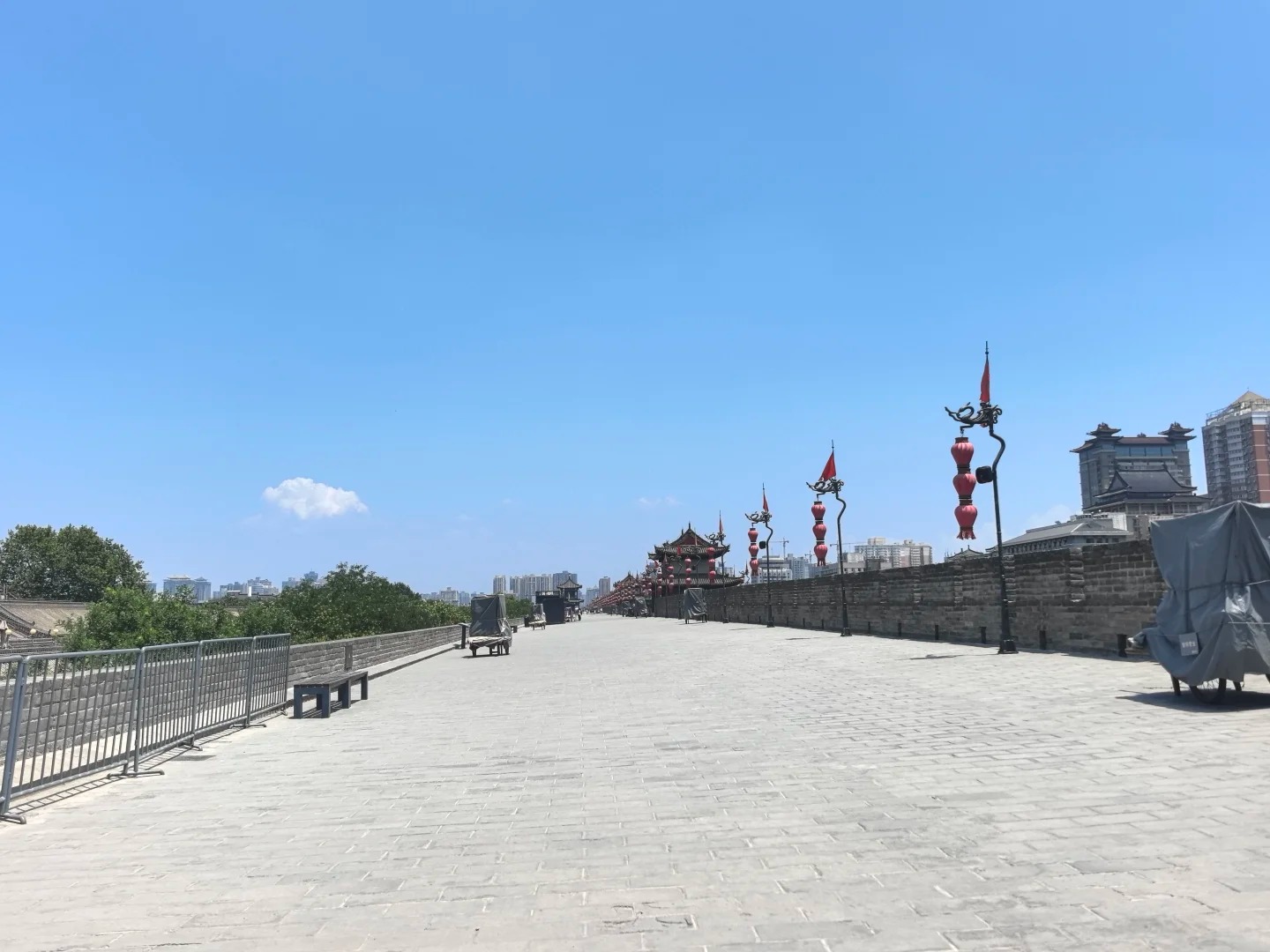
changes, but because its essential spirit—ambitious, open, resilient, and profoundly cultural—continually reincarnates, era after era. My time there was not just a tour; it was an education in the long, complex, and magnificent story of China itself.