I’ve always been fascinated by caves—their dark, mysterious depths, the strange rock formations shaped by time, and the sense of adventure that comes with exploring the unknown. So when I heard about Benxi Water Cave in Liaoning Province, often referred to as “the most beautiful water cave in China,” I knew I had to visit. On a hot summer day, I made the two-hour drive from Shenyang to Benxi, and as I approached the cave, I could feel the temperature drop, a welcome relief from the sweltering heat outside. Little did I know that I was about to step into a magical underground wonderland that would exceed all my expectations.
The first thing that strikes you about Benxi Water Cave is its grand entrance—a huge, natural archway over 20 meters high, framed by lush green trees and a small waterfall that tumbles down the rock face. The sound of the waterfall and the cool, damp air coming from the cave made me feel excited as I waited in line for a boat ticket. Unlike many dry caves that you walk through, Benxi Water Cave is a river cave, meaning the only way to explore it is by boat. This adds to the sense of adventure, as you glide through the dark waters, guided only by the lights that illuminate the rock formations.
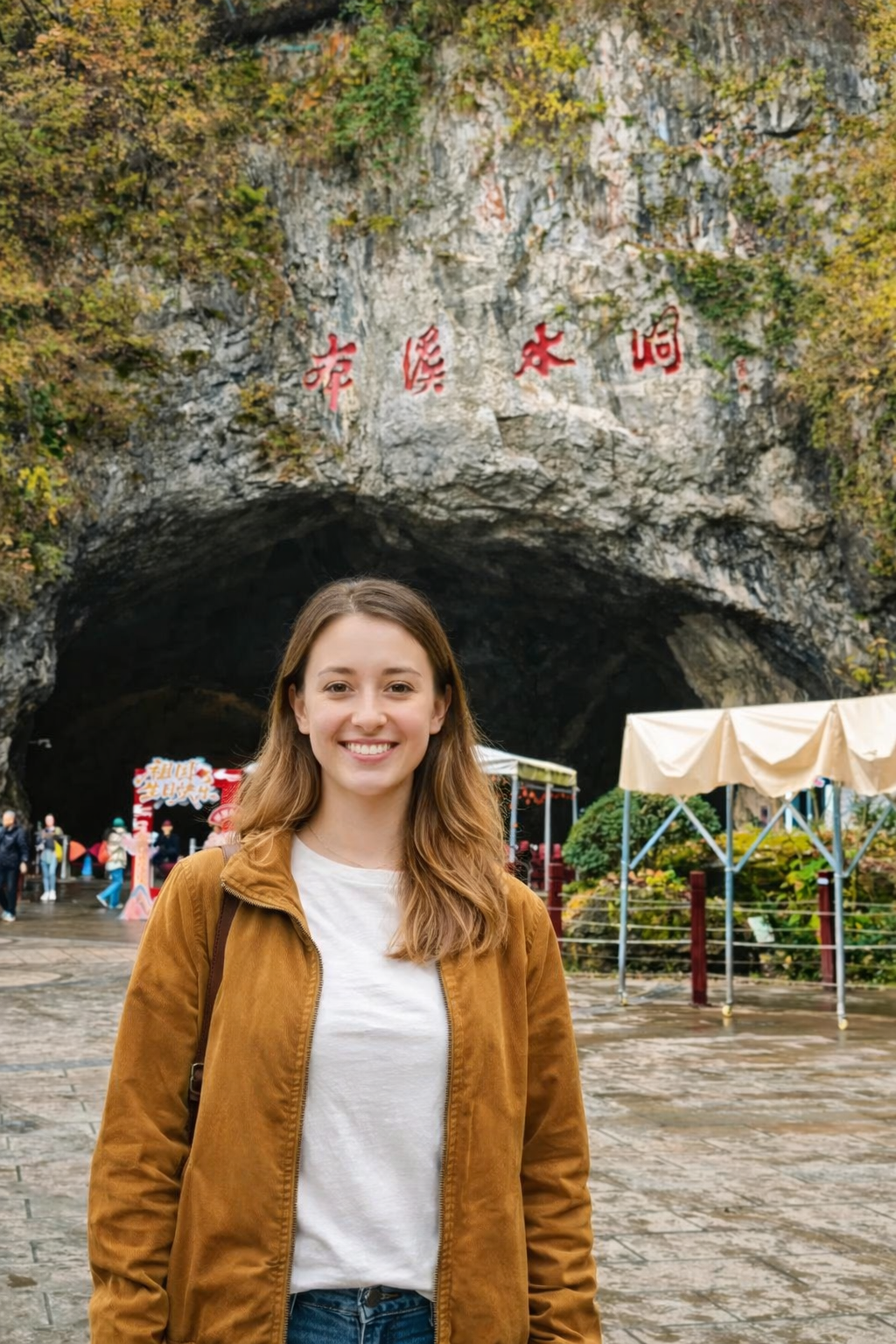
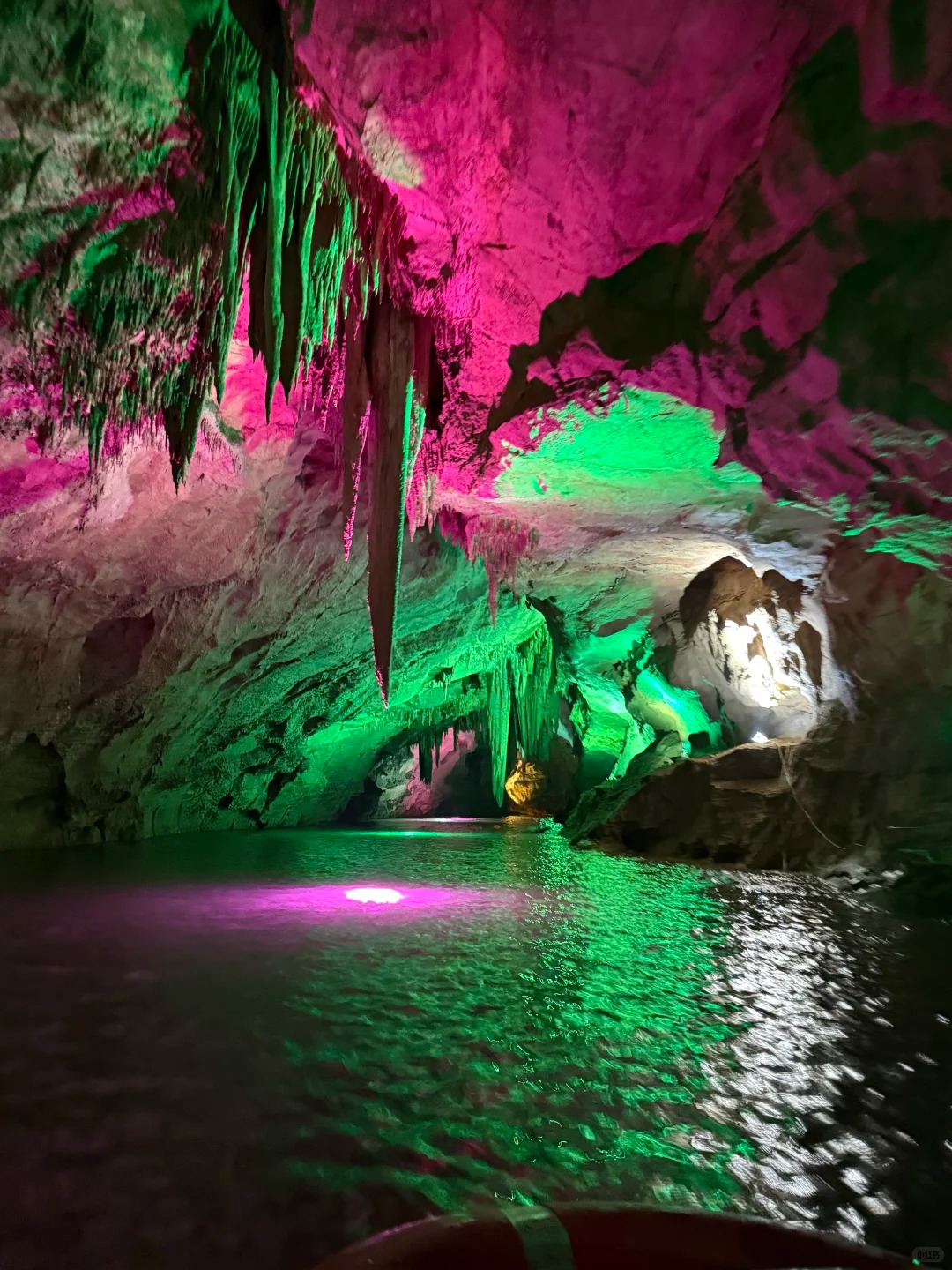
As I stepped onto the wooden boat, the guide handed me a life jacket and warned me to hold on tight. The boat glided slowly into the cave, and as we entered, the noise of the outside world disappeared, replaced by the gentle sound of water lapping against the boat and the distant drip of water from the cave ceiling. The cave is over 5,800 meters long, with the first 2,800 meters navigable by boat, and it’s filled with underground rivers and lakes that are crystal clear, reflecting the colorful lights like a mirror.
The rock formations in Benxi Water Cave are truly breathtaking. Over millions of years, water has dissolved the limestone, creating stalactites (which hang from the ceiling) and stalagmites (which rise from the floor), as well as columns, curtains, and other strange shapes. The guide pointed out various formations, each with a vivid name based on its appearance. There was “The Dragon King’s Palace,” a large chamber filled with towering columns that look like the pillars of a royal palace; “The Jade Curtain,” a thin, translucent sheet of calcite that hangs from the ceiling, shimmering in the light; and “The Lion Guarding the Gate,” a stalagmite that resembles a lion standing at the entrance of a chamber.
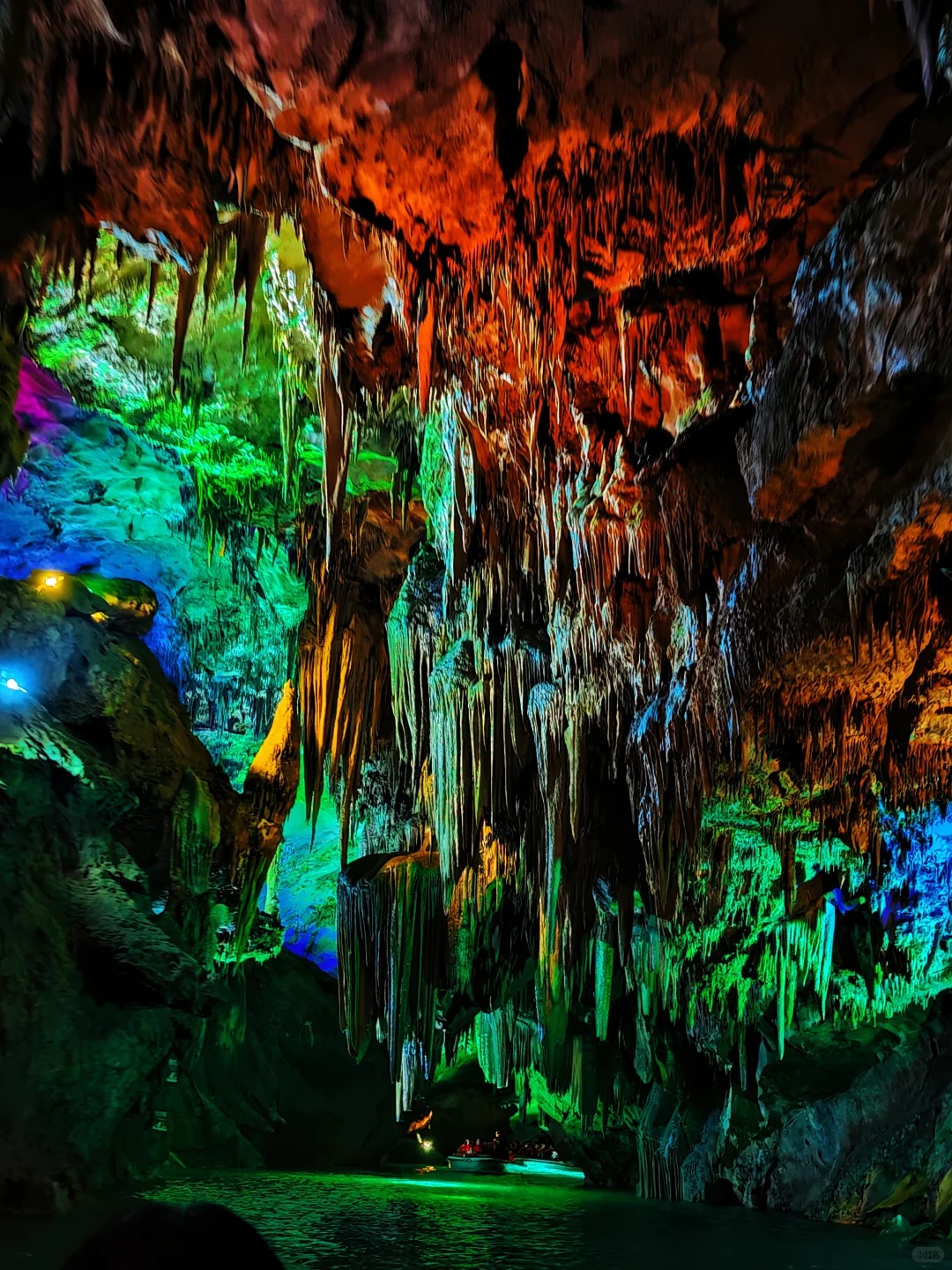
One of my favorite formations was “The Goddess of Mercy,” a delicate stalactite that looks like the Buddhist goddess Guanyin, with her hands clasped in prayer. The light shining on it was soft and golden, giving it a serene and sacred appearance. As the boat passed by, I couldn’t help but stare in awe—how could nature create something so beautiful and intricate? The guide told me that the stalactites and stalagmites grow at a rate of only 1-2 millimeters per year, so some of these formations are hundreds of thousands of years old. It’s a humbling reminder of the power and patience of nature.
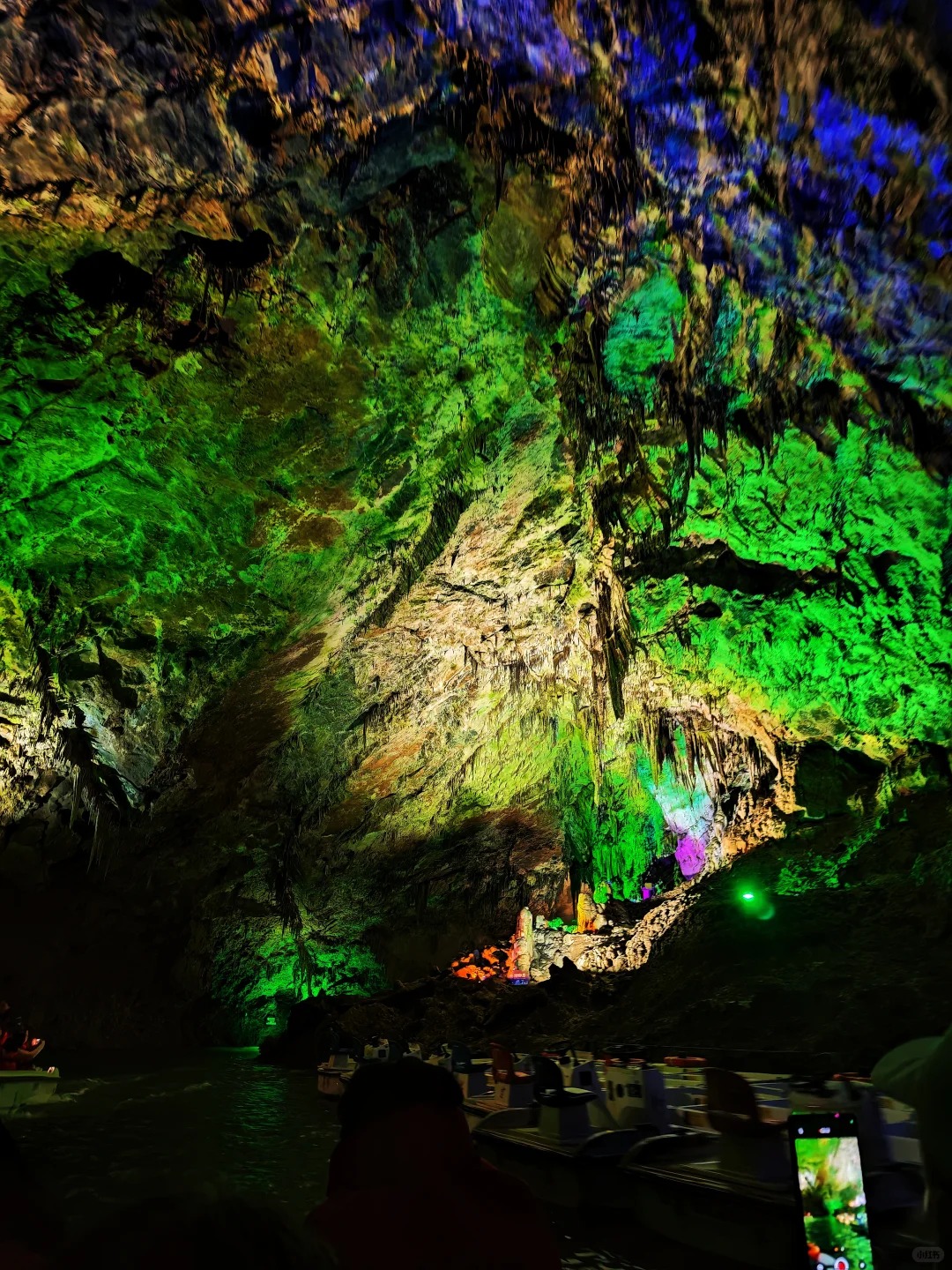
As we sailed deeper into the cave, the chambers became larger and more impressive. The “Underground Great Wall” is a long, narrow passage lined with jagged rock formations that look like the battlements of a wall. The “Fairy Tale World” is a chamber filled with small, delicate stalactites and stalagmites that resemble castles, trees, and animals, as if straight out of a children’s story. The lights in this chamber are colorful—blue, green, purple—creating a magical atmosphere that made me feel like I was in a dream.
Halfway through the boat trip, we stopped at a small landing where we could get off the boat and explore a dry section of the cave on foot. The path was narrow and winding, and the ground was slippery, so we had to walk carefully. This section of the cave is called the “Dry Cave,” and it’s filled with even more amazing rock formations. There was “The Thousand-Hand Guanyin,” a large stalactite with dozens of small branches that look like hands; “The Golden Turtle,” a round stalagmite that resembles a turtle; and “The Stone Forest,” a group of tall, thin stalagmites that look like trees in a forest.
As I walked through the Dry Cave, I noticed the sound of dripping water everywhere. Each drop hits the ground with a soft “plop,” and over time, these drops have created the incredible formations around us. I also noticed that the air in the cave was very fresh and clean, with a high concentration of negative ions, which is said to be good for your health. It was a welcome change from the polluted air of the city, and I felt my lungs filling with fresh, cool air.
After exploring the Dry Cave, we got back on the boat and continued our journey. The second half of the cave is even more spectacular than the first, with larger chambers and more impressive formations. The “Palace of the Immortals” is the largest chamber in the cave, over 100 meters high and 50 meters wide. It’s filled with towering columns and huge stalactites that look like the palaces and gardens of the immortals. The lights here are bright and golden, making the entire chamber look like a royal palace.
As we approached the end of the boat trip, the guide told us about the history of Benxi Water Cave. The cave was discovered in 1983 by a group of local farmers who were looking for water. At first, they were afraid to enter the cave, but eventually, they mustered up the courage and found the magical underground world inside. Since then, the cave has been developed into a tourist attraction, and it’s now one of the most popular places to visit in Liaoning Province.
When we exited the cave, I was greeted by the warm summer air, but I still felt the coolness of the cave on my skin. I spent some time walking around the surrounding area, which is filled with beautiful scenery—green mountains, clear rivers, and lush forests. There’s also a museum near the cave entrance that displays information about the cave’s geology and history, as well as samples of the rock formations and minerals found inside.
I also tried some local snacks at a small restaurant near the cave. The specialty here is “water cave fish,” which are small fish caught from the underground river in the cave. They’re fried and served with a spicy sauce, and they’re crispy and delicious. I also had a bowl of “mountain vegetable soup,” which is made with fresh vegetables picked from the nearby mountains. It was light and flavorful, and it tasted like the freshness of nature.
As I drove back to Shenyang that evening, I couldn’t stop thinking about Benxi Water Cave. It’s not just a cave—it’s a masterpiece of nature, a magical underground wonderland that takes your breath away. The combination of the crystal-clear water, the incredible rock formations, and the magical lighting creates an experience that is truly unforgettable. Whether you’re an adventure seeker, a nature lover, or just someone looking for a cool place to escape the summer heat, Benxi Water Cave is the perfect destination. I can’t wait to go back and explore it again, to discover more of its hidden treasures.