Stepping through the red wooden gate of Quanzhou Confucian Temple, I’m instantly transported from the bustling streets of modern Quanzhou to a world of tranquility and tradition. The temple, located in the heart of the city, is one of the most well-preserved Confucian temples in Southern China, and it serves as a testament to Quanzhou’s rich cultural heritage as an ancient maritime capital. As I wander through the temple’s courtyards and halls, surrounded by ancient trees and stone carvings, I feel a sense of reverence for the wisdom and teachings of Confucius that have shaped Chinese culture for over 2,000 years.
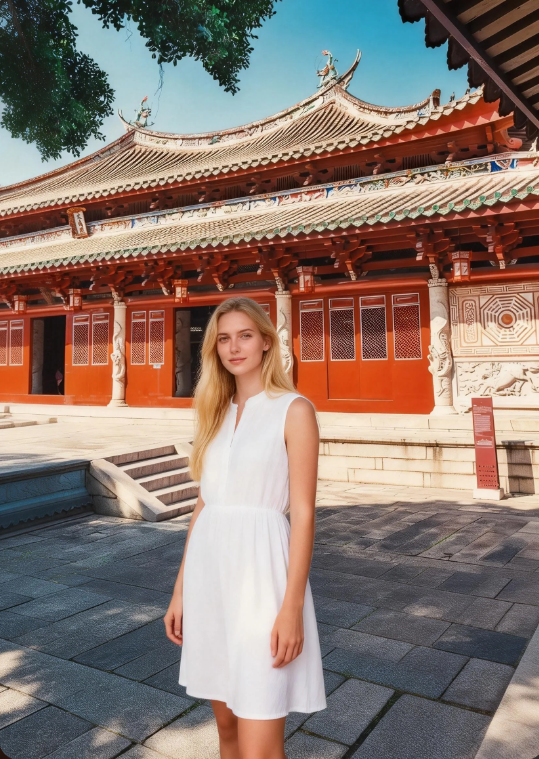
My visit begins at the Lingxing Gate, the main entrance to the temple. The gate is a magnificent structure with three arches, adorned with intricate carvings of dragons and phoenixes. Above the gate, there’s a plaque with the words “Lingxing Gate” written in bold calligraphy, said to have been written by a famous scholar from the Ming Dynasty. As I pass through the gate, I enter the first courtyard, which is lined with ancient cypress trees. The trees are over 1,000 years old, their thick trunks and gnarled branches a reminder of the temple’s long history. I pause to admire a stone stele located in the corner of the courtyard, which is inscribed with the teachings of Confucius. The characters are worn but still legible, a testament to the enduring nature of Confucian thought.
Moving on to the Dacheng Gate, the second gate of the temple, I’m struck by its grandeur. The gate has five arches, and it’s supported by massive stone pillars carved with lions. The lions are栩栩如生 (lifelike), with their mouths open as if roaring, and they serve as guardians of the temple. Inside the Dacheng Gate, there are two side halls: the East Veranda and the West Veranda. These halls house the memorial tablets of Confucius’ disciples and other famous scholars. I walk through the East Veranda, reading the inscriptions on the tablets and learning about the lives and contributions of these ancient scholars. It’s fascinating to see how their ideas and teachings have been passed down through the generations.
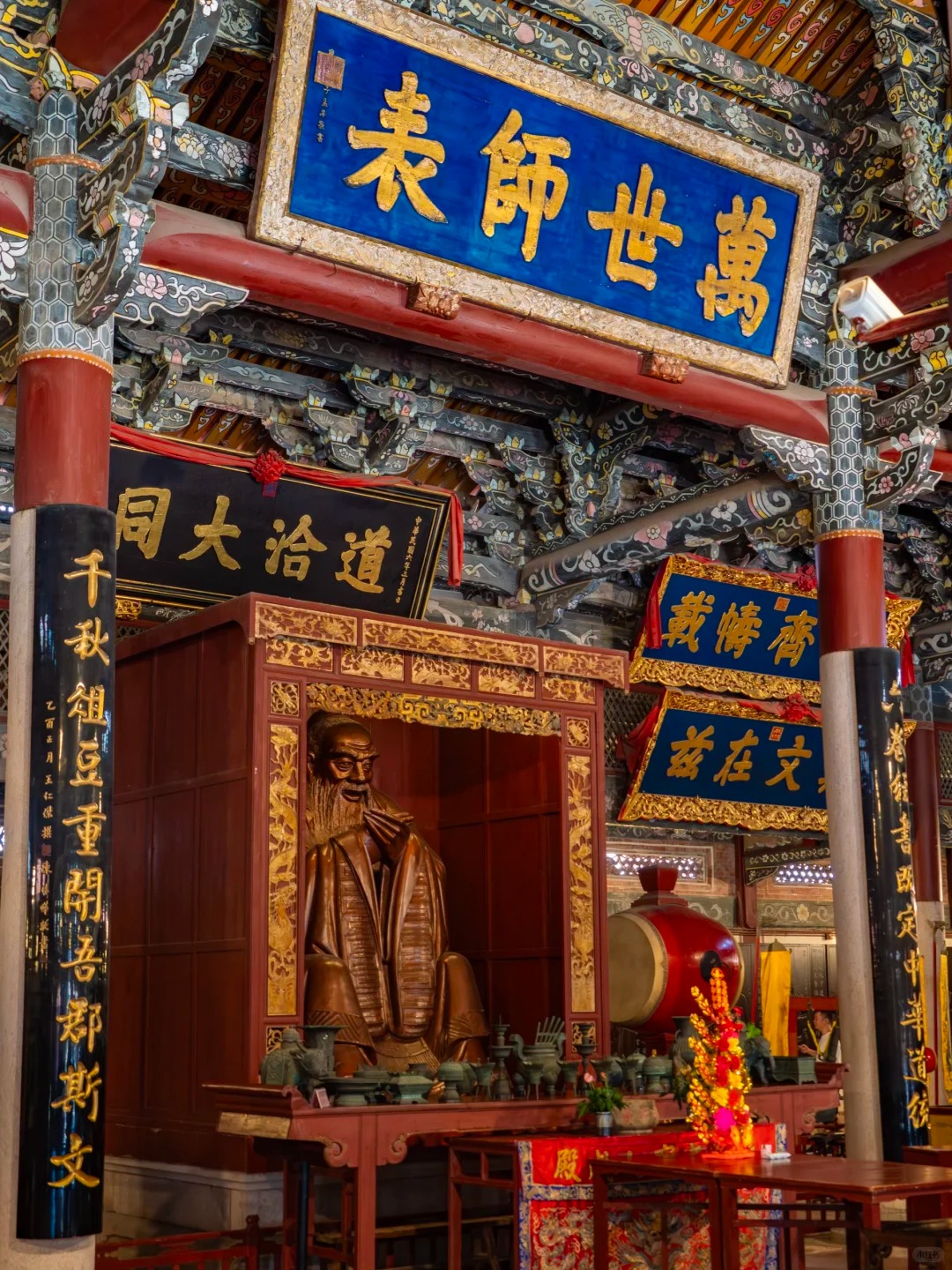
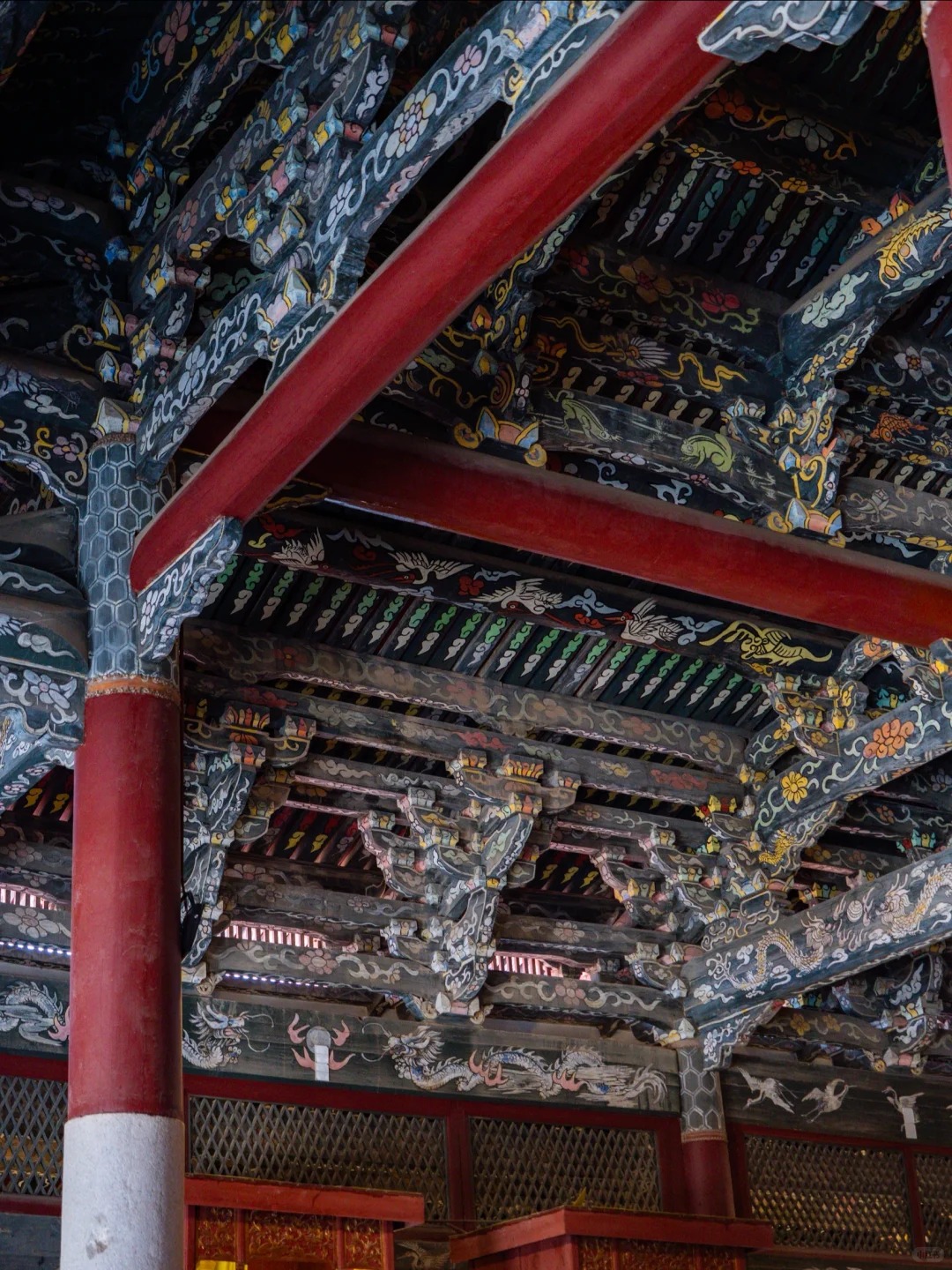
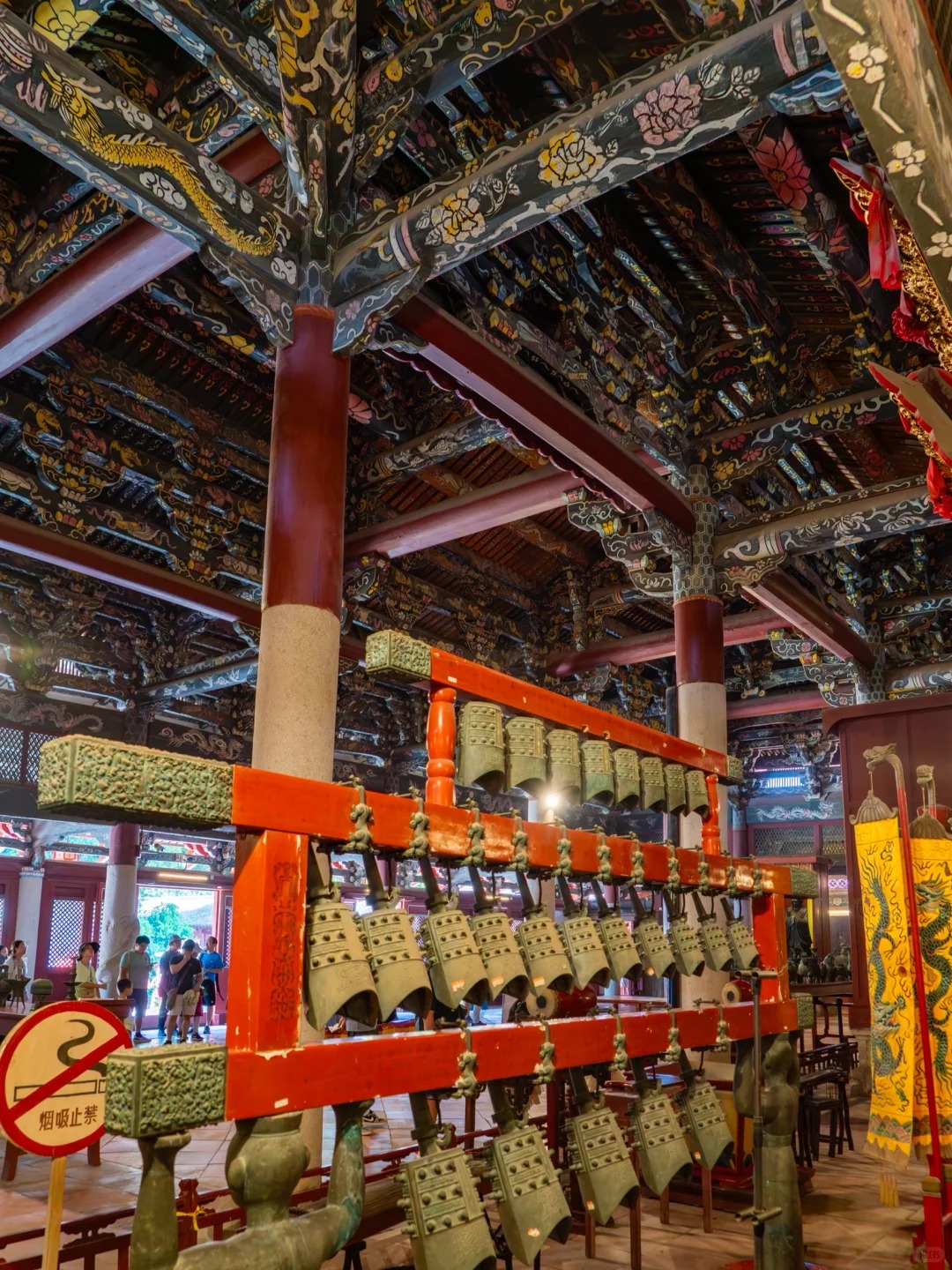
The highlight of my visit is the Dacheng Hall, the main hall of the temple. The hall is a masterpiece of traditional Chinese architecture, with a double-eaved roof adorned with yellow glazed tiles, a color reserved for imperial buildings in ancient China. The roof is supported by 36 stone pillars, each carved with intricate patterns of dragons winding around the columns. The dragons are so detailed that it looks like they’re about to come to life. Inside the hall, there’s a statue of Confucius sitting on a throne, wearing a royal robe and a crown. The statue is over 3 meters tall, and it’s surrounded by statues of his four most famous disciples: Yan Hui, Zengzi, Zisi, and Mencius. I stand in front of the statue, feeling a sense of awe as I think about the impact that Confucius has had on Chinese culture, politics, and society.
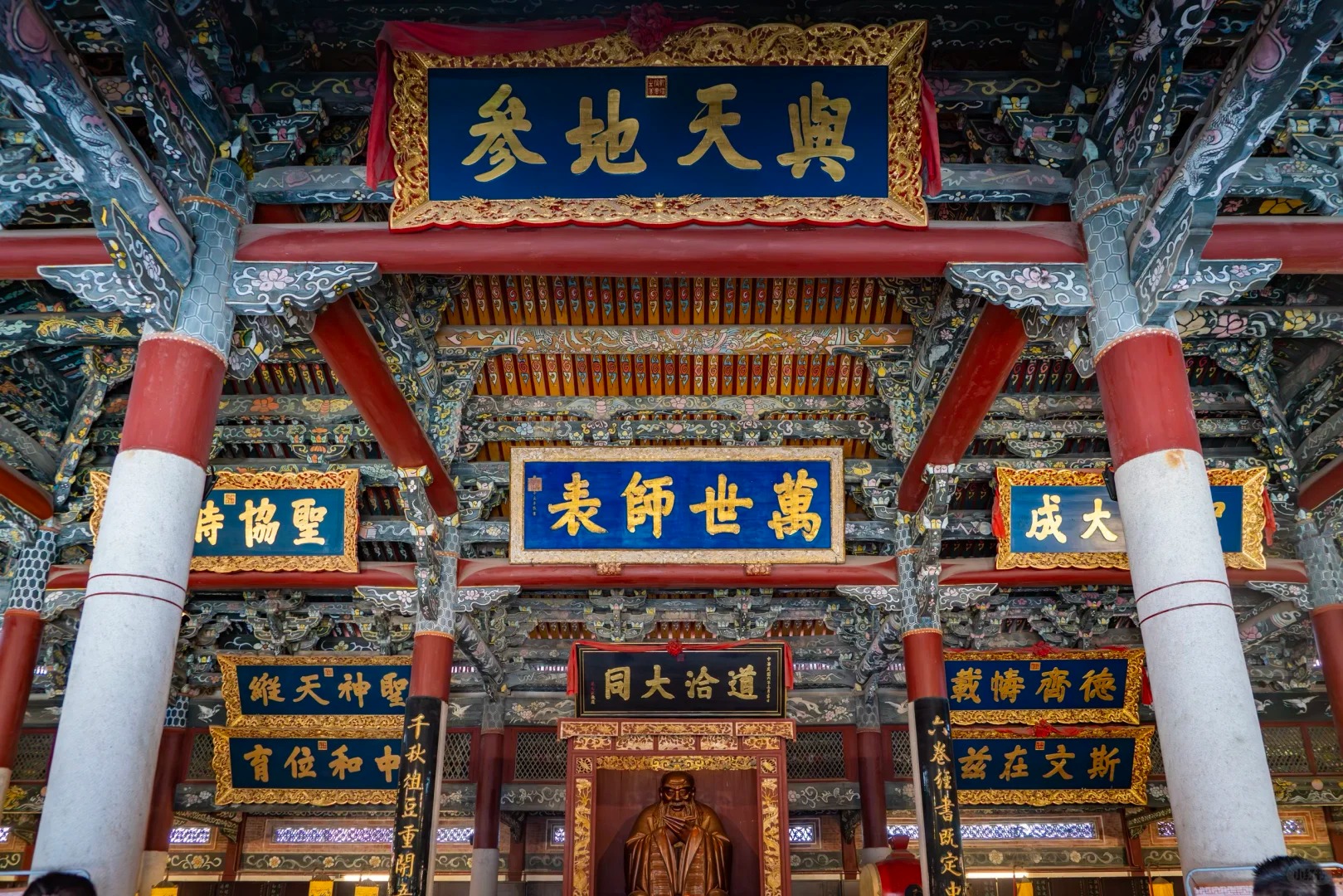
To the left of the Dacheng Hall is the Minglun Hall, which was used as a lecture hall in ancient times. Today, the hall houses a collection of ancient books and calligraphy works. I spend a long time there, admiring the beautiful calligraphy and reading excerpts from ancient texts. There’s a small exhibition on the history of Quanzhou Confucian Temple, which tells the story of how the temple was built and renovated over the centuries. I learn that the temple was first built in the Tang Dynasty (618-907 AD) and has been destroyed and rebuilt several times since then. The current structure dates back to the Ming Dynasty (1368-1644 AD), and it’s a perfect example of Ming Dynasty architectural style.
As I wander through the temple, I notice several students sitting on the steps of the Dacheng Hall, reading books and studying. They tell me that they come to the temple to study because of the peaceful and serene atmosphere, which helps them focus. I also see a group of tourists listening to a guide explain the teachings of Confucius. The guide talks about Confucius’ ideas of benevolence, righteousness, propriety, wisdom, and trustworthiness, and how these values are still relevant in today’s world. It’s inspiring to see how Confucian culture is still alive and well, and how it continues to influence people’s lives.
After exploring the temple buildings, I walk through the temple’s garden, which is located at the back of the complex. The garden is a peaceful oasis, with a small pond filled with lotus flowers, stone bridges, and pavilions. I sit down on a bench in the garden, listening to the sound of birds chirping and the wind rustling through the leaves. I reflect on my visit to the temple, and I realize that Quanzhou Confucian Temple is more than just a historical site; it’s a living center of Confucian culture, where people come to learn, reflect, and find peace.
No visit to Quanzhou is complete without trying the local food, and after leaving the temple, I wander through the nearby streets in search of a bite to eat. I try quanzhou beef noodles, a savory dish with tender beef and a rich broth, and peanut soup, a sweet and creamy dessert. I also stop at a small tea house, where I order a cup of tieguanyin tea and watch locals play mahjong. It’s a perfect way to end my day, immersing myself in the local culture after exploring the temple.
Quanzhou Confucian Temple is a hidden gem in the heart of Quanzhou. It’s a place where history, culture, and tradition come together, offering visitors a unique glimpse into the world of Confucianism and the rich cultural heritage of Quanzhou. Whether you’re a history buff, a culture enthusiast, or just looking for a peaceful place to relax, Quanzhou Confucian Temple is definitely worth a visit. As I leave the temple, I feel a sense of peace and enlightenment, and I know that the teachings of Confucius and the beauty of the temple will stay with me forever.