I’ve always been fascinated by ancient cities in China. There’s something magical about walking through streets that have witnessed hundreds of years of history, touching walls that have stood the test of time, and feeling the slow pace of life that’s long been lost in modern cities. When I heard about Guangfu Ancient City, a well-preserved ancient town surrounded by water in Hebei Province, I knew I had to visit it. Unlike the over-commercialized ancient towns that are full of souvenir shops and loud tour groups, Guangfu Ancient City still retains its original charm, with local residents living their daily lives amidst the ancient architecture. My three-day trip there was like a journey back in time, allowing me to experience the true essence of traditional Chinese town life.
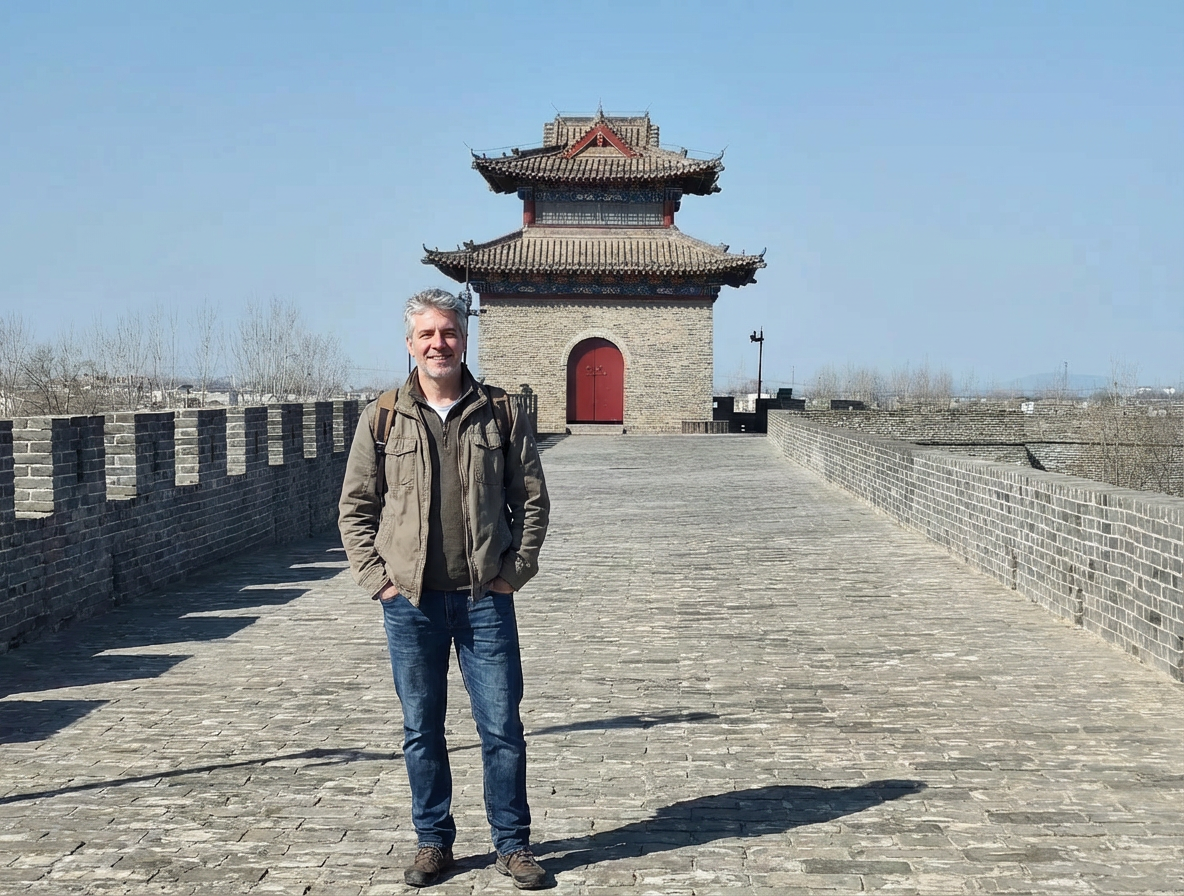
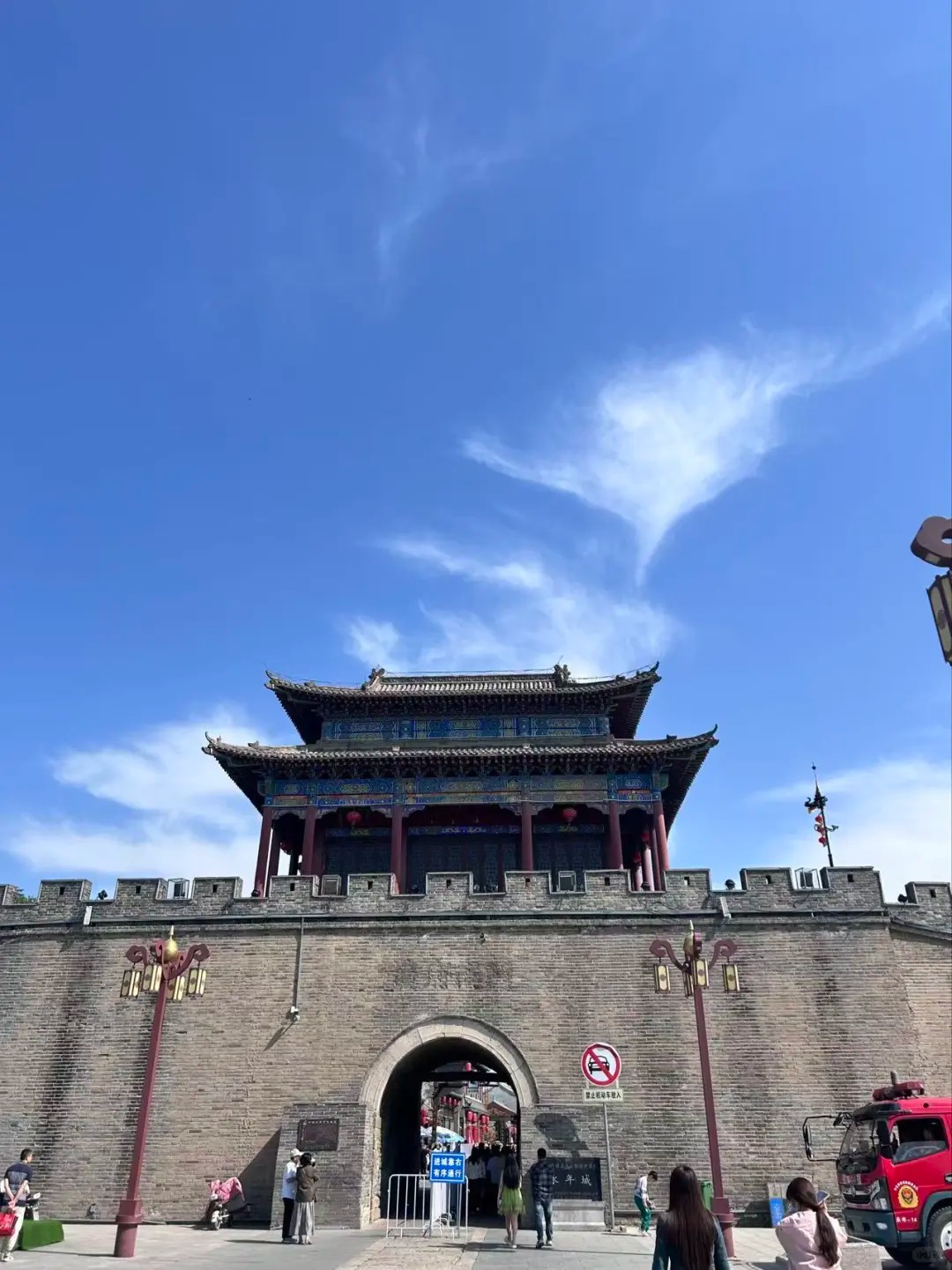
I arrived at Guangfu Ancient City by bus from Handan. As the bus approached the city, I could see the ancient city wall standing tall in the distance, surrounded by a moat that looked like a silver ribbon. The city wall, which was built during the Ming Dynasty, is over 6 kilometers long and 10 meters high, with crenellations on top and watchtowers at each corner. I got off the bus at the South Gate, the main entrance of the ancient city. Unlike the grand city gates of Beijing or Xi’an, the South Gate of Guangfu is simple and elegant, with a stone archway above it inscribed with the words “Guangfu Ancient City” in traditional Chinese calligraphy.
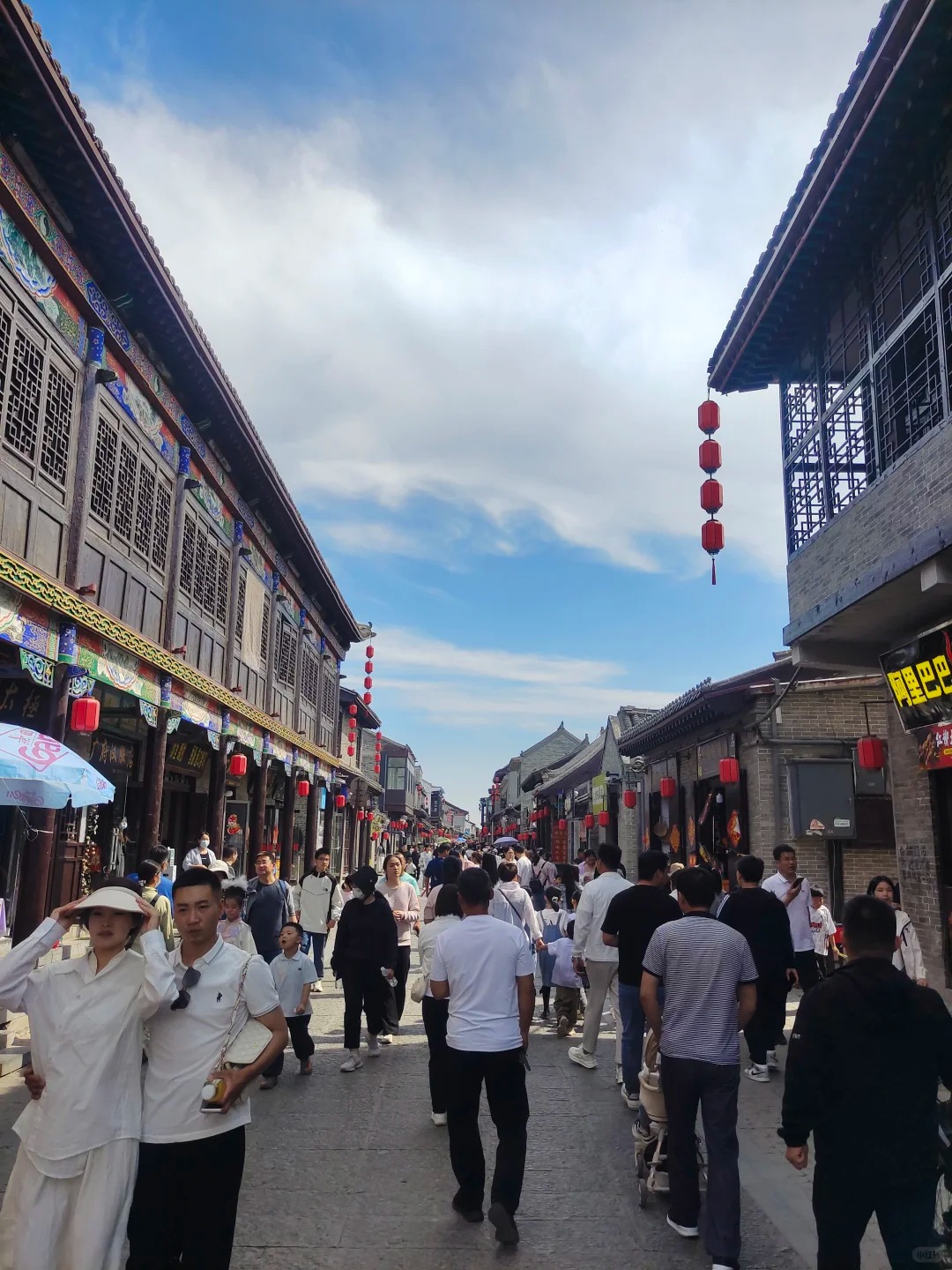
Walking through the South Gate, I was immediately transported to another era. The streets are paved with flagstones, which have been polished smooth by the footsteps of generations. On both sides of the streets are traditional courtyard houses with gray tiles and white walls, their wooden windows carved with exquisite patterns of flowers and birds. Unlike other ancient towns where most buildings are converted into shops or hotels, many of the houses here are still inhabited by local residents. I saw elderly people sitting at the door chatting, women hanging laundry on the balcony, and children running around playing games. The sound of bicycle bells and the cries of vendors selling local snacks filled the air, creating a lively yet peaceful atmosphere.
On my first day, I decided to walk around the entire city wall. It took me about two hours, but every step was worth it. From the top of the wall, I could see the entire ancient city spread out below me: the crisscrossing flagstone streets, the traditional courtyard houses, and the moat surrounding the city. On the other side of the moat were vast wetlands, where flocks of ducks and geese were swimming. The view was so beautiful that I couldn’t help but stop every few meters to take photos. Along the wall, I met a group of local elders who were doing morning exercises. They were practicing Tai Chi, a traditional Chinese martial art that originated in Guangfu. One of the elders noticed that I was watching them and invited me to join in. Although I was not familiar with Tai Chi, I followed their movements slowly. It was a wonderful experience, practicing Tai Chi on the ancient city wall with the morning breeze blowing and the sound of birds chirping.
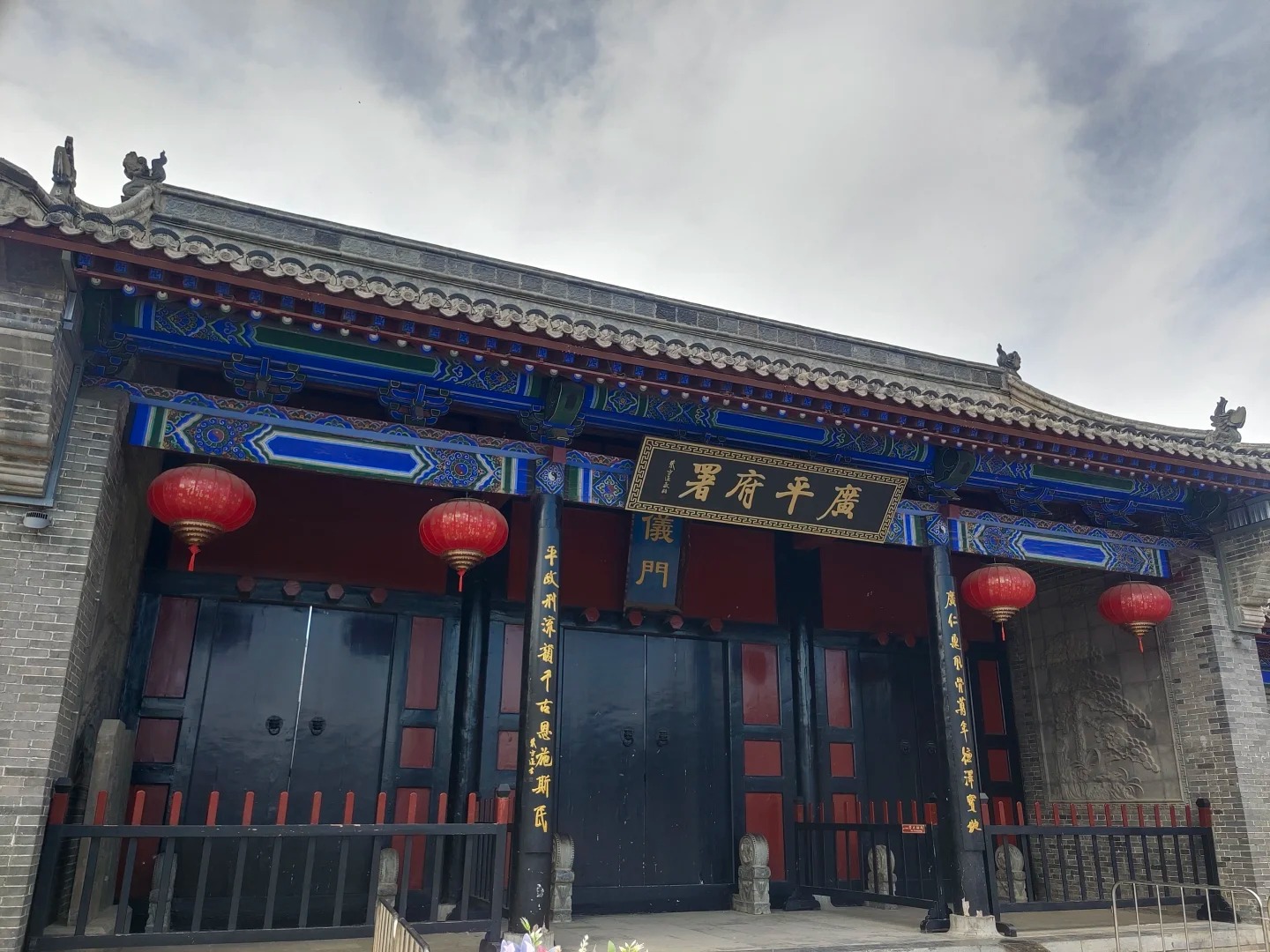
In the afternoon, I wandered through the narrow alleyways of the ancient city. I came across a small workshop where an old craftsman was making paper-cuts, a traditional Chinese folk art. The old man’s hands were rough, but his movements were precise. He cut out intricate patterns of dragons, phoenixes, and flowers with just a pair of scissors and a piece of red paper. I stood there watching him for a long time, and he kindly gave me a small paper-cut of a lotus flower as a gift. I also visited the Guangfu Museum, which is located in a former government office. The museum displays a large number of cultural relics from the Ming and Qing dynasties, including porcelain, calligraphy, paintings, and ancient weapons. The exhibits gave me a better understanding of the history and culture of Guangfu Ancient City.
Food is an important part of any travel experience, and Guangfu Ancient City did not disappoint. I tried a lot of local snacks, such as Guangfu crispy fish, braised pork ribs, and sweet potato cakes. The crispy fish is made by frying small fish caught from the moat until they are crispy, then seasoning them with salt and pepper. It’s crispy on the outside and tender on the inside, with a fresh flavor. The braised pork ribs are cooked slowly with soy sauce, sugar, and various spices, making them tender and flavorful. I also tried the local specialty, “Guangfu tofu pudding,” which is served with a sauce made of sesame paste, vinegar, and chili oil. It’s smooth and silky, with a rich flavor.
On my second day, I took a boat tour on the moat. The moat is about 50 meters wide, and the water is clear. As the boat glided along the water, I could see the reflection of the ancient city wall and the trees on the surface of the water. The boatman, a middle-aged man with a friendly smile, told me stories about the ancient city. He said that the moat was built to protect the city from enemies, and in the past, boats were the main means of transportation here. He also pointed out some hidden scenic spots along the moat, such as a small stone bridge with a history of over 300 years and a temple hidden in the trees.
In the evening, I sat by the moat and watched the sunset. The golden sun slowly sank behind the ancient city wall, casting a warm glow on the water and the city. The air was cool, and the sound of frogs croaking came from the wetlands. It was a peaceful and serene moment, far away from the noise and stress of modern life. I stayed in a small inn in the ancient city that night. The inn was converted from a traditional courtyard house, with a small garden in the middle. The room was simple but comfortable, with wooden furniture and a window that opened onto the street. I fell asleep to the sound of crickets chirping outside.
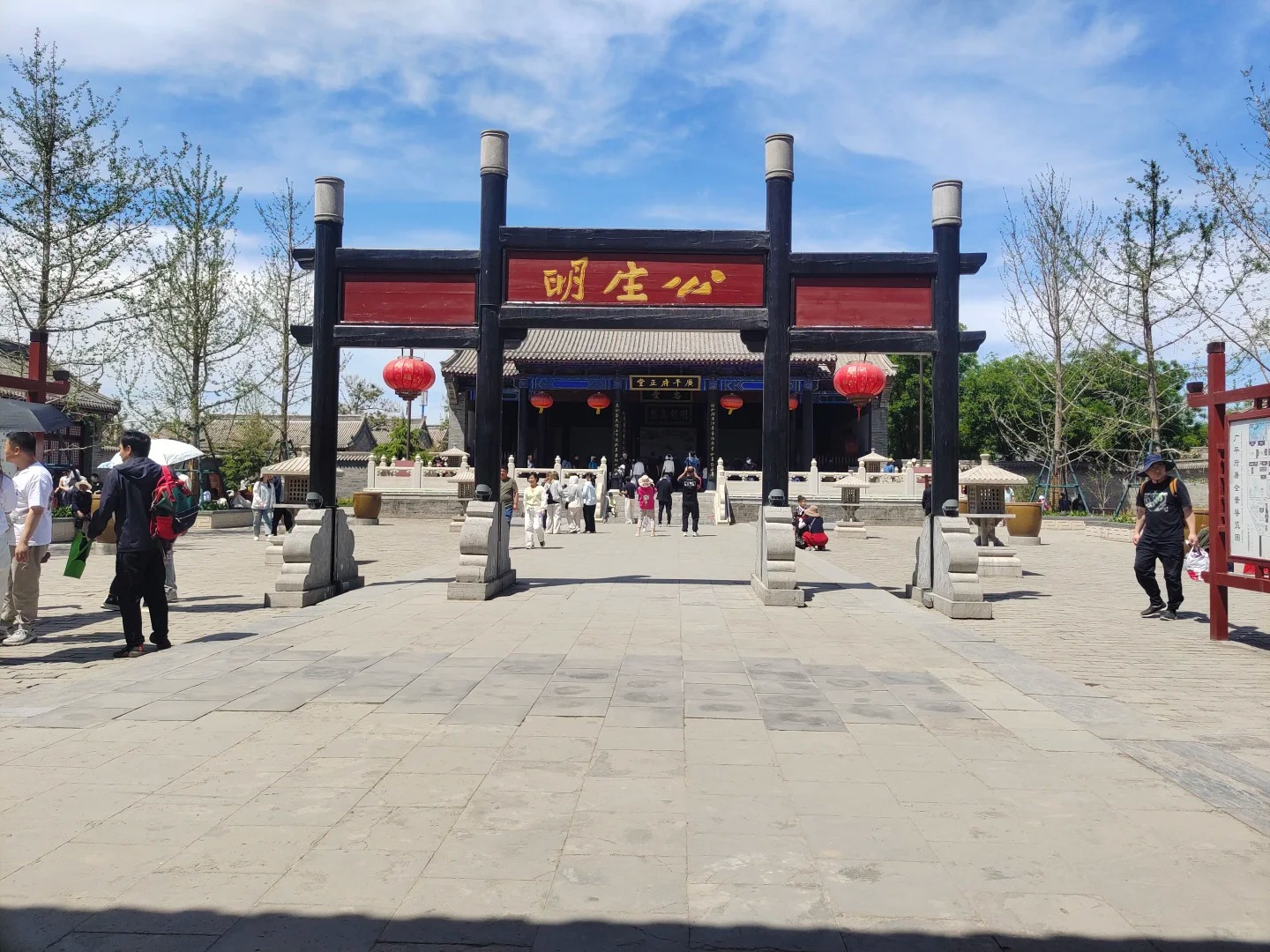
On my last day in Guangfu Ancient City, I visited the Tai Chi Ancestral Hall, which is dedicated to Yang Luchan, the founder of Yang-style Tai Chi. The hall is a traditional Chinese building with a red gate and a green roof. Inside, there are statues of Yang Luchan and his disciples, as well as exhibits about the history and development of Tai Chi. I also watched a Tai Chi performance by local martial artists. Their movements were slow and graceful, like flowing water, and I was deeply impressed by the charm of Tai Chi.
When I left Guangfu Ancient City, I felt a sense of nostalgia. This ancient city is not just a tourist attraction; it’s a living community where tradition and modernity coexist. The well-preserved ancient architecture, the slow pace of life, the friendly local people, and the delicious food all made this trip an unforgettable one. If you want to experience the true charm of traditional Chinese ancient towns and escape the hustle and bustle of the city, Guangfu Ancient City is definitely a destination worth visiting.