I have taken elevators in office buildings, hotels, and malls, but I had never taken an elevator that goes inside a mountain until I visited Zhangjiajie. The Bailong Elevator, or the “Hundred Dragons Elevator,” is one of those structures that defies logic. It is a glass elevator built onto the side of a massive sandstone cliff, rocketing visitors 326 meters straight up in less than two minutes. To call it an engineering feat is an understatement; it looks like something straight out of a sci-fi movie.
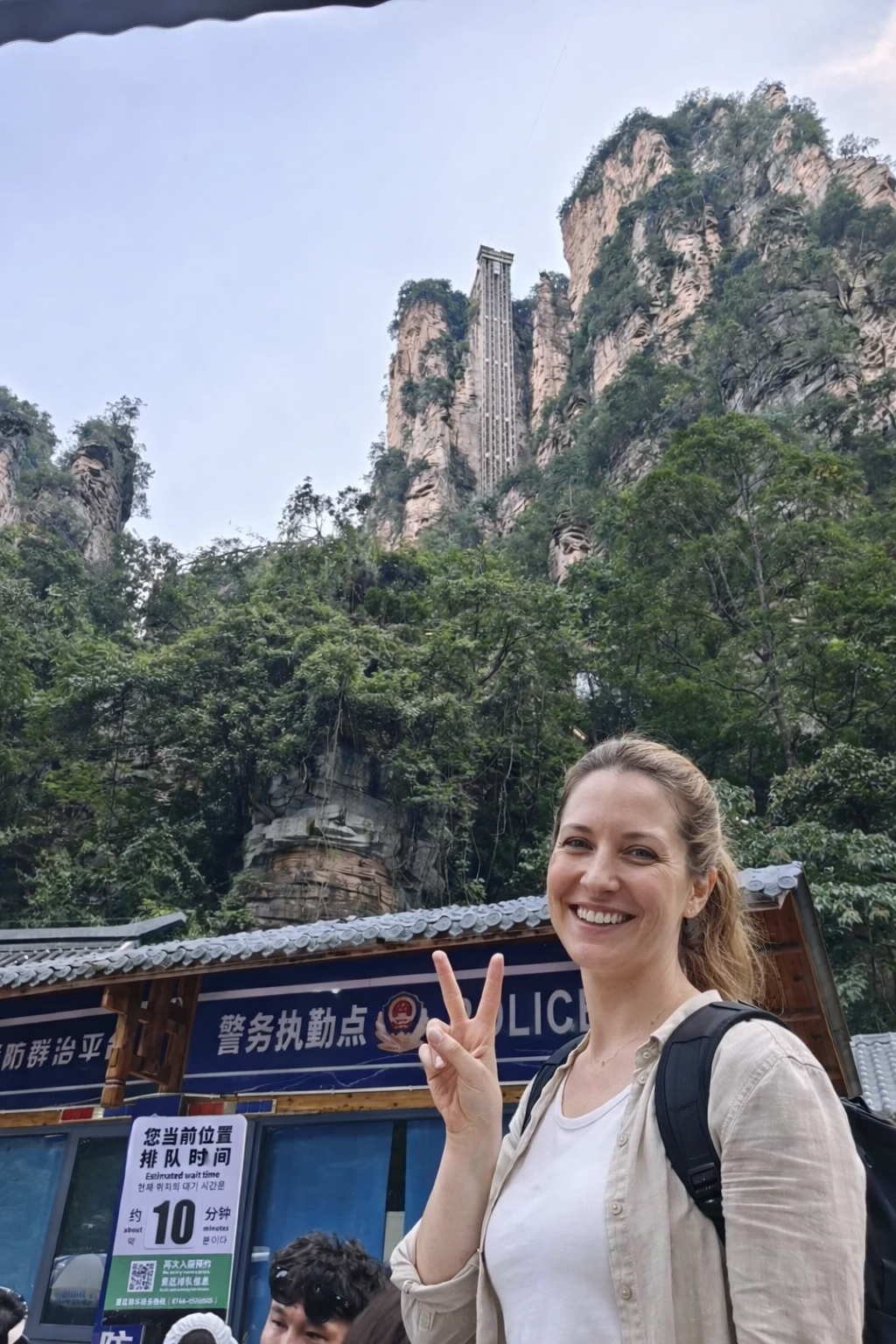
I remember approaching the entrance at the foot of the Yuanjiajie Mountain. The day was gray, mist hanging low over the peaks. I felt a mix of excitement and sheer terror. I am not usually afraid of heights, but the sheer scale of this cliff face was intimidating. The entrance is built into the rock, and as I queued up with hundreds of other tourists, I could hear the distant roar of the elevator cars moving inside the shaft—or rather, outside it, since much of the elevator is exposed.
When my turn came, I squeezed into the car with about 50 other people. The doors closed, and instantly, my stomach dropped. But we weren’t going down; we were going up, and fast. The acceleration pushed me against the back of the cabin. For the first few seconds, you are inside the dark mountain, but then—bam—the glass walls reveal the outside world.
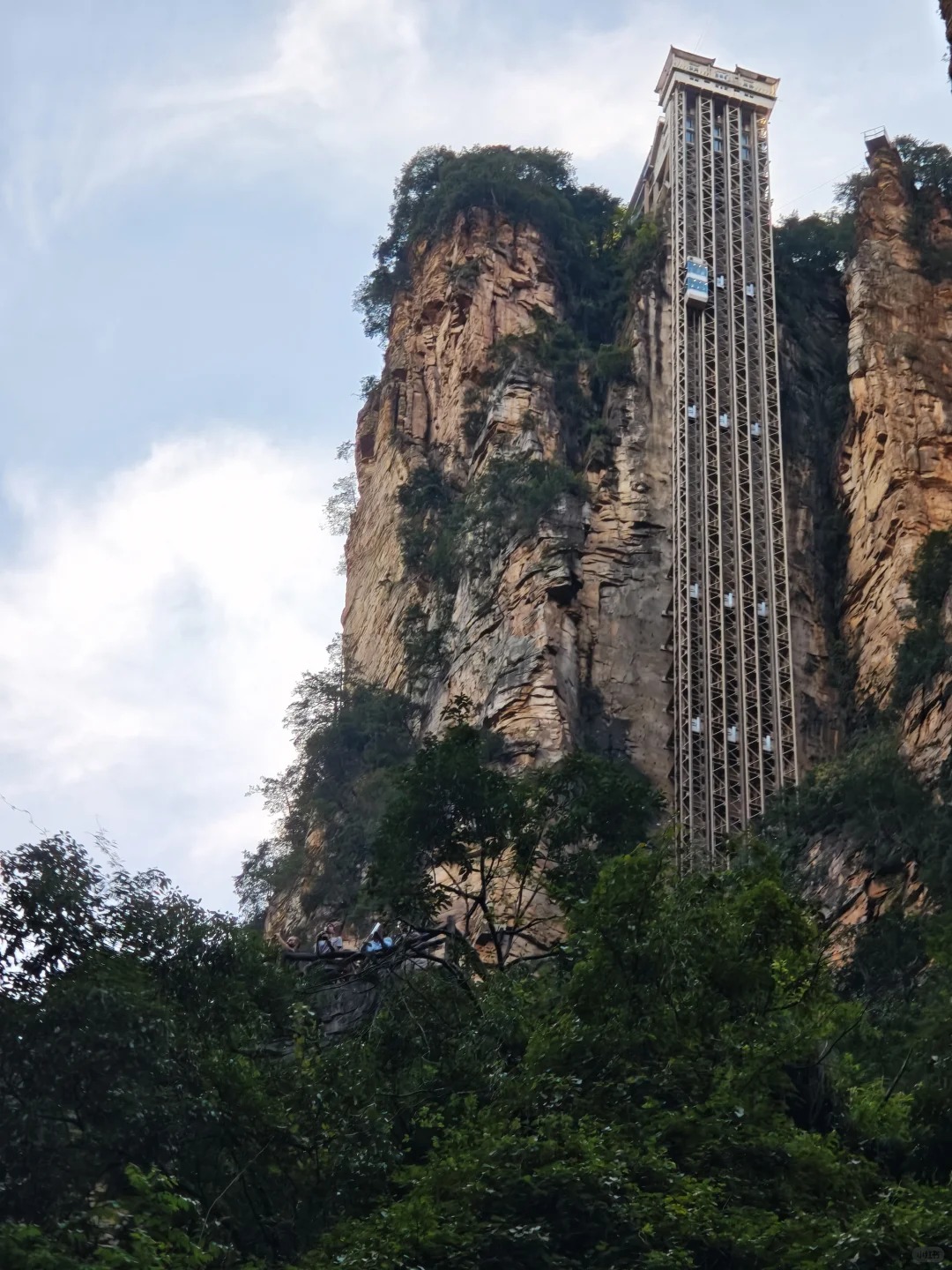
The view was simultaneously terrifying and breathtaking. We were shooting up the side of a vertical cliff face covered in lush green vegetation. To my left was solid rock; to my right, a dizzying drop into the valley below. I pressed my face against the glass, trying to spot the tops of trees that looked like broccoli from this height. The elevator didn’t just lift us; it transported us into the clouds.
As we neared the top, the mist swallowed the valley floor. It felt like we were ascending into the heavens. I remember looking at the other tourists in the car. Some were laughing with adrenaline, others were gripping the handrails with white knuckles, staring intently at the floor. A small child pointed at the rock face outside, eyes wide with wonder.
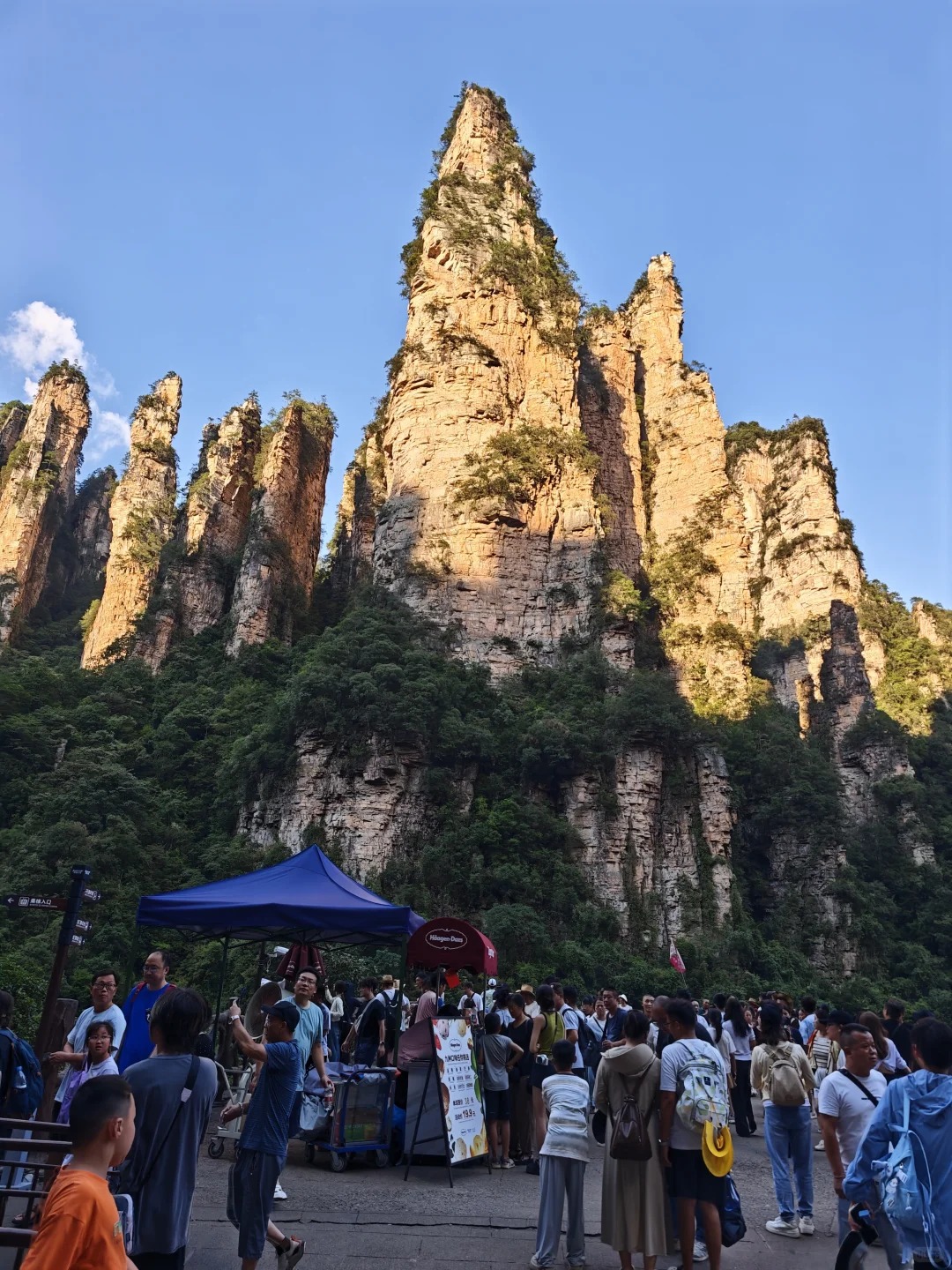
The elevator ride was over almost as soon as it began—1 minute and 58 seconds to be exact. The doors slid open, and we stepped out onto the top of the mountain. The difference in atmosphere was instant. The air was cooler and thinner. We were now standing in the “Avatar Mountains,” the inspiration for the floating Hallelujah Mountains in the movie. The sandstone pillars rose from the ground like nature’s skyscrapers, shrouded in fog.
Standing there, looking back down at the tiny glass line of the elevator embedded in the cliff, I felt a strange sense of gratitude. I could have hiked up the mountain. There are trails, old paths used by locals for centuries. But the Bailong Elevator gave me a perspective that no human could have naturally had 50 years ago. It allowed me to see the verticality of the landscape, to appreciate the sheer scale of the sandstone cliffs from the inside out.
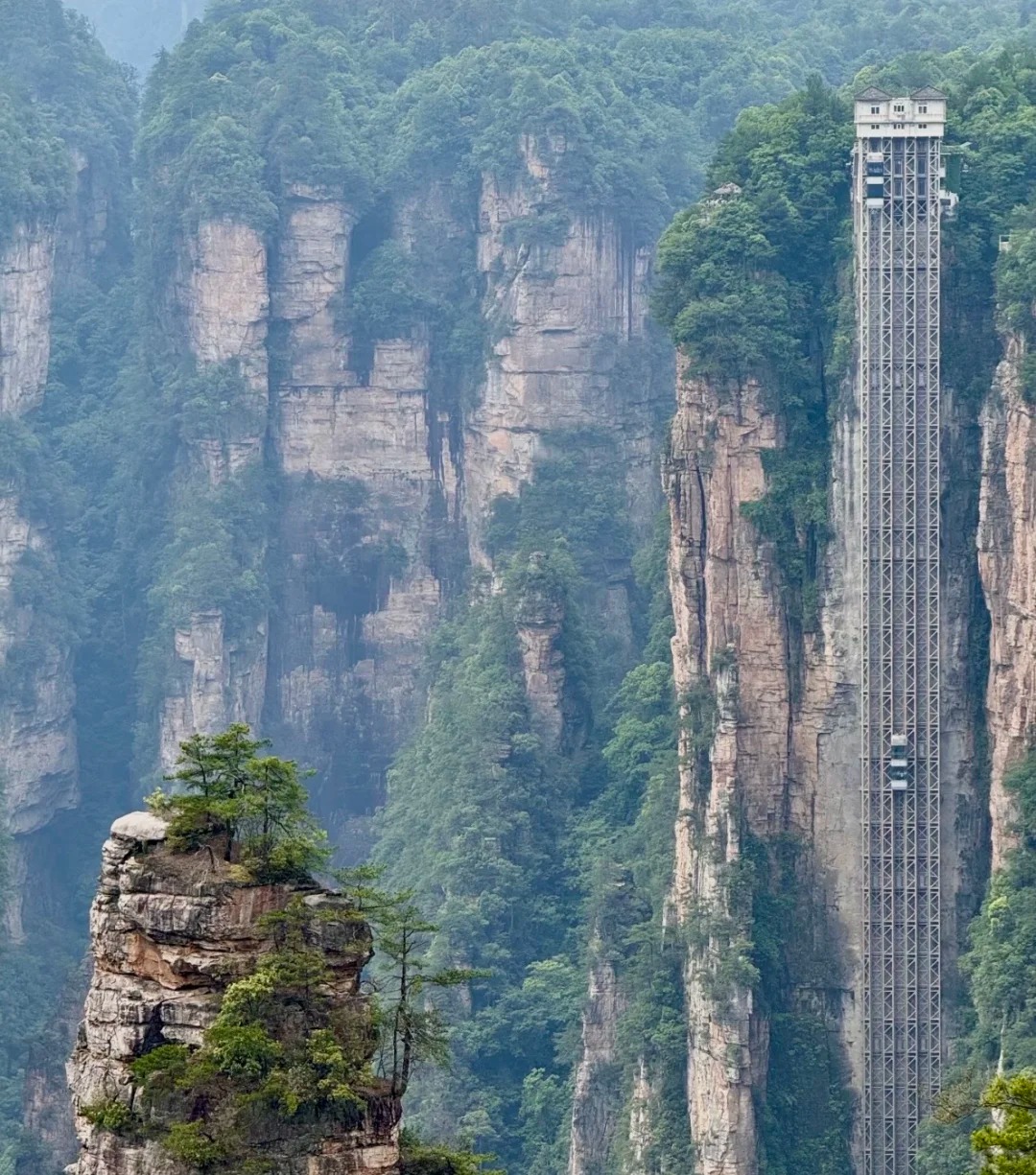
However, it wasn’t just about the thrill. The ride sparked a conversation I had with a local guide. He told me that building the elevator was controversial. Environmentalists were concerned about the impact on the fragile sandstone and the natural beauty of the area. The engineers had to use special techniques to drill the boreholes without damaging the rock structure. Hearing this made me look at the elevator with a new respect. It wasn’t just a tourist trap; it was a compromise between allowing the world to see this beauty and preserving it from the erosion of millions of hiking boots.
Descending was an even stranger sensation. Going down, gravity seems to pull at your insides. Watching the ground rush up to meet you, seeing the valley floor expand until you are back among the trees, gives you a sense of scale that is hard to comprehend otherwise. It is a reminder of how small we are in the face of nature’s grandeur.
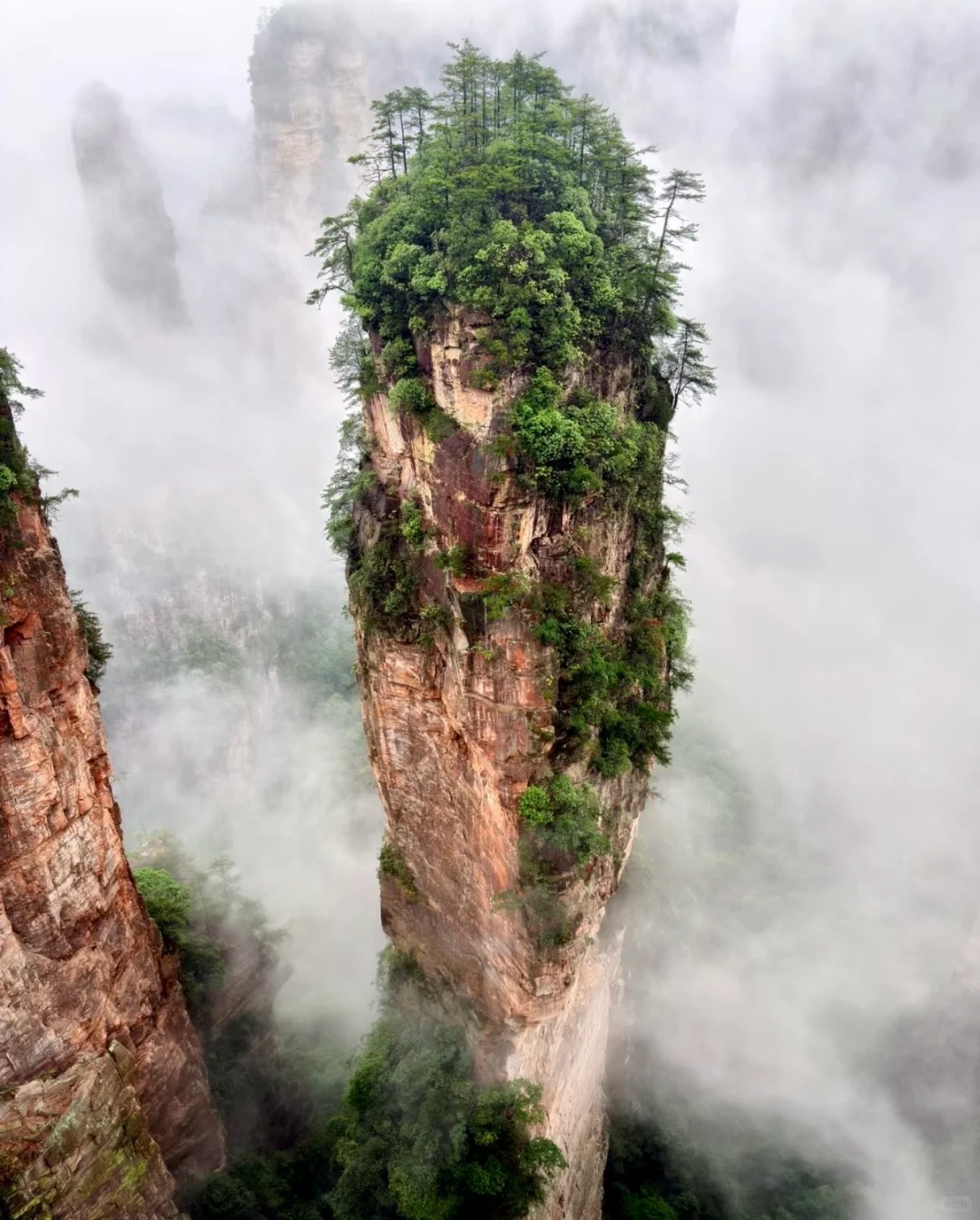
The Bailong Elevator is often called the “world’s tallest outdoor sightseeing elevator.” It holds three Guinness World Records. But those are just statistics. To me, it was an emotional experience—a shot of adrenaline that connected me to the landscape in a visceral way. It broke the barrier between the observer and the observed. If you go to Zhangjiajie, do not skip this ride. It is a fleeting, heart-stopping moment where technology and nature collide, leaving you breathless on the top of the world.