There are temples, and then there is Famen Temple (Famen Si). Most temples in China offer a peaceful retreat with incense smoke and chanting monks. Famen Temple offers that, too, but it also hits you with a mystery story worthy of Indiana Jones. Located about 120 kilometers west of Xi'an, this isn't just a religious site; it's the scene of one of the greatest archaeological discoveries of the 20th century.
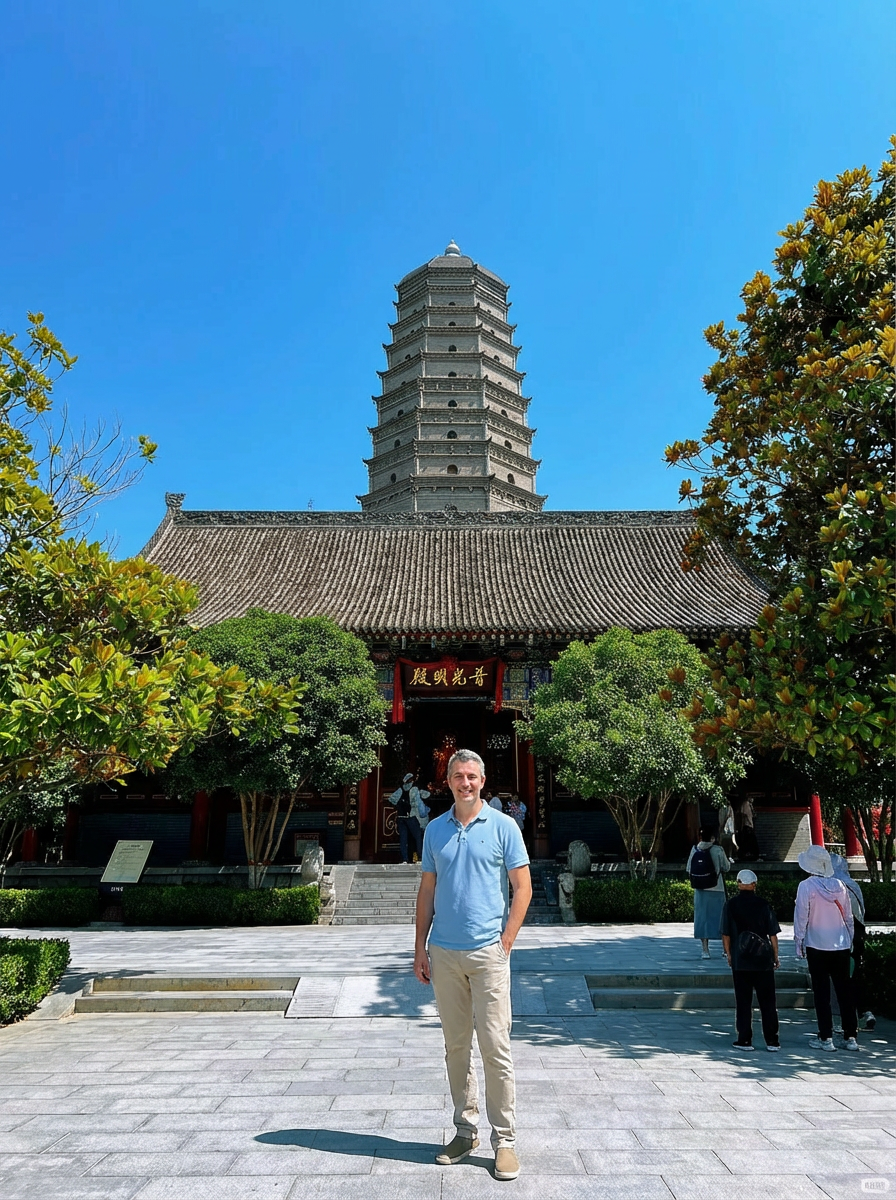
I remember the bus ride out there—long and flanked by dusty loess fields. But as the temple complex came into view, the sheer scale of the modern "Namaste Dagoba" (the new distinctive hands-clasping-shaped tower) left me stunned. It’s controversial, yes—some say it’s too modern, too flashy. But walking towards it along the massive Sacred Avenue, flanked by colossal golden statues of Bodhisattvas, I felt tiny. It was designed to humble you, and it works.
The Secret of the Pagoda
But the real soul of Famen Temple lies in the old pagoda. Standing in front of the reconstructed brick tower, I thought about the thunderstorm in 1981 that collapsed half of the original structure. It sounds like a tragedy, but it was a miracle in disguise. That collapse revealed a secret underground palace that had been sealed for over 1,000 years, hidden from emperors, grave robbers, and wars.
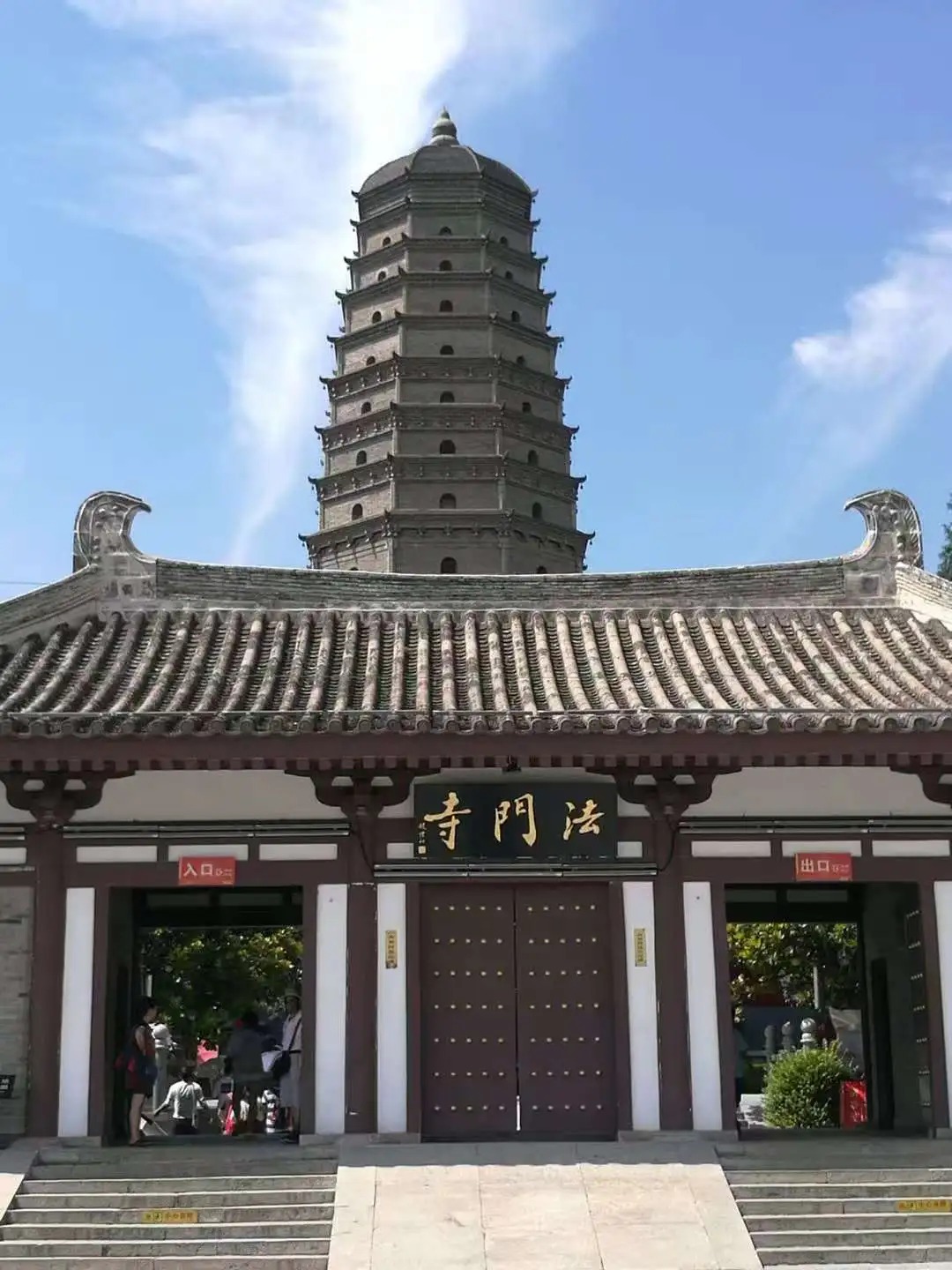
Walking down into the Underground Palace (the crypt), the air grew cool and damp. My footsteps echoed on the stone floor. This is the exact spot where they found thousands of Tang Dynasty treasures—gold, silver, exotic glass from the Roman Empire, and silk so old it turned to dust when touched. But the centerpiece was the finger bone relic of Sakyamuni Buddha (the Sarira).
I’m not a devout Buddhist, but standing inches away from the reliquary, peering through the glass at that small, white, bone-like object, the atmosphere was heavy. People around me were weeping. An old woman next to me pressed her forehead against the glass, whispering prayers. It wasn't about the object itself; it was about the faith of millions of people focused on this single point for millennia. I felt a vibration in the room—an intense, collective energy that made the hair on my arms stand up.
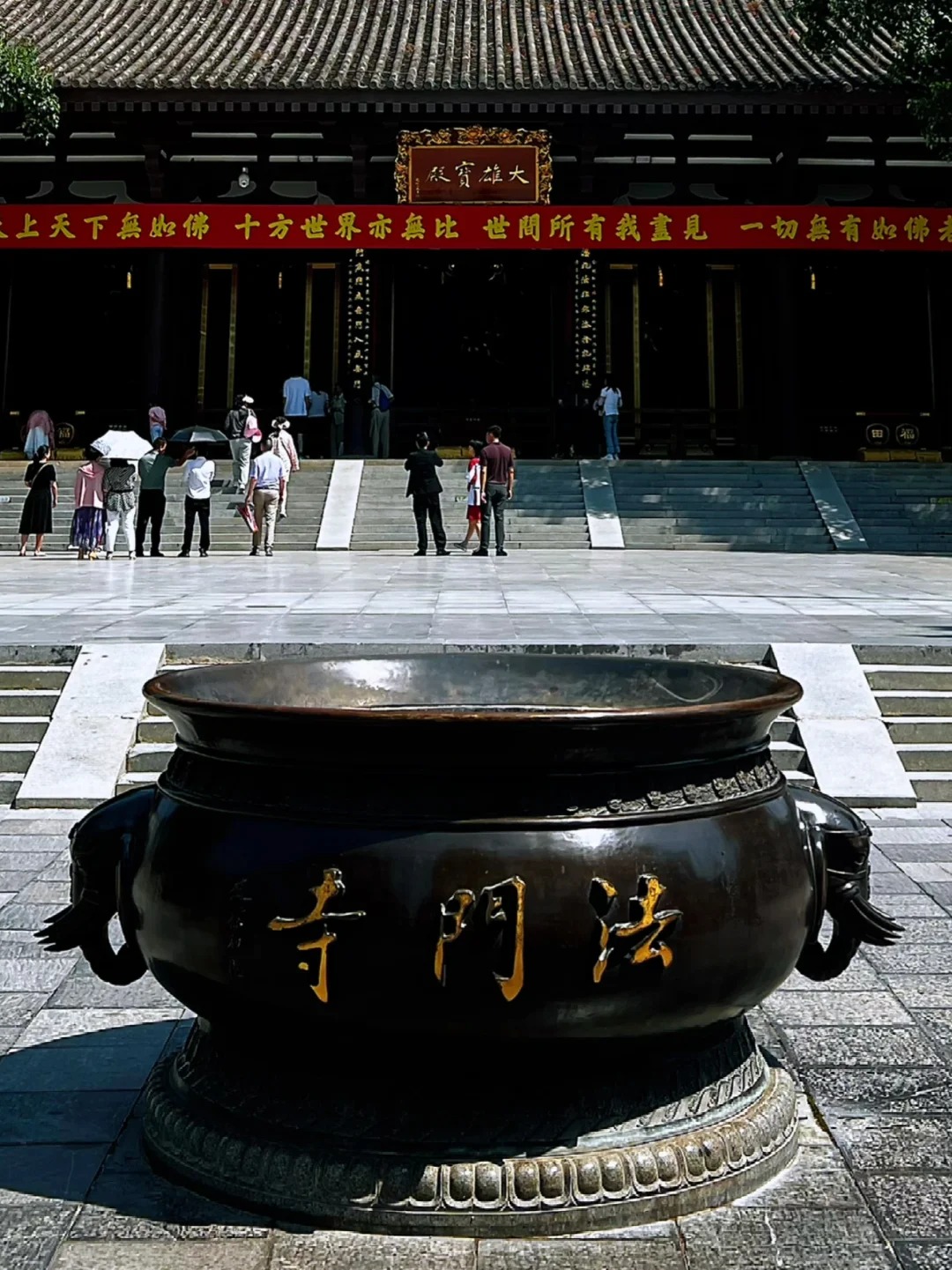
Tea and Silence
After the intensity of the crypt, I wandered into the temple’s museum. Here, I saw the gold and silver tea sets used by Tang emperors. They were exquisite—tiny, delicate filigree cages and gold ladles. I learned that the tea ceremony didn't start in Japan; it started right here, in the Tang court.
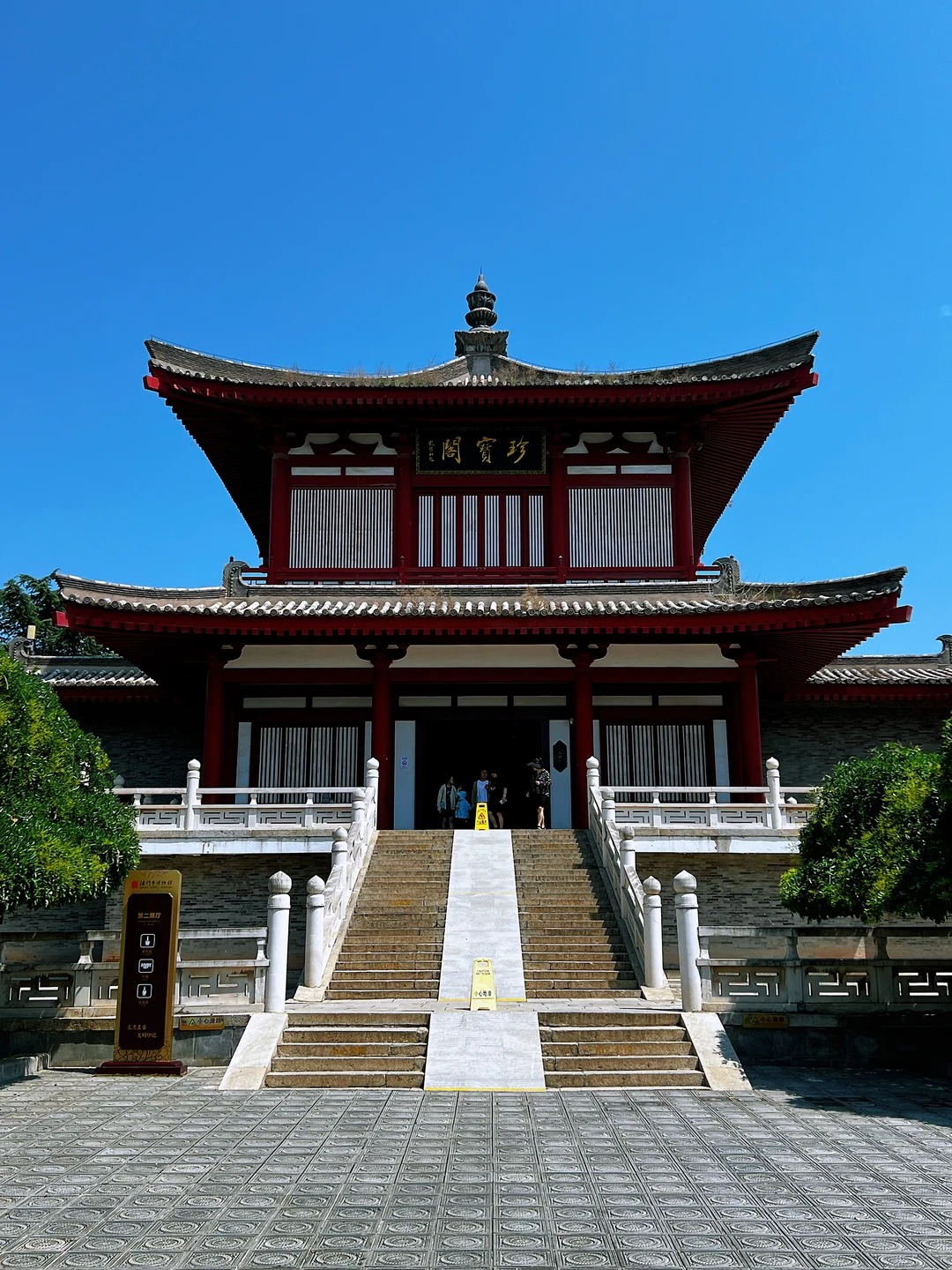
I sat on a stone bench in the courtyard afterwards, watching monks sweep the fallen leaves. The contrast between the dazzling gold treasures and the simple, repetitive motion of the broom was striking. Famen Temple taught me that true treasure isn't just gold; it's the preservation of memory. It’s a place where a thunderstorm revealed history, and where you can look 1,000 years into the past and see yourself reflected in the gold.