Walking through the long, narrow corridors of the Inner Court, flanked by high red walls that seem to press in on you, I felt a sudden chill. This is the "deep palace," the world of the concubines, the eunuchs, and the secrets that never left these walls. While the Outer Court belongs to the government, the Inner Court belongs to the family. This is the dual nature of the forbidden city & the imperial palace beijing.

I spent an afternoon exploring the Six Western Palaces, where the consorts lived. The rooms are surprisingly small and intimate compared to the monumental halls out front. I peered through a glass pane into a bedchamber, seeing the kang (a heated brick bed) and a dusty mirror. I imagined a young woman sitting there, waiting for a summon that might never come, painting her eyebrows, listening to the wind howl through the eaves. The air here feels thicker, heavy with the ghosts of unfulfilled dreams.

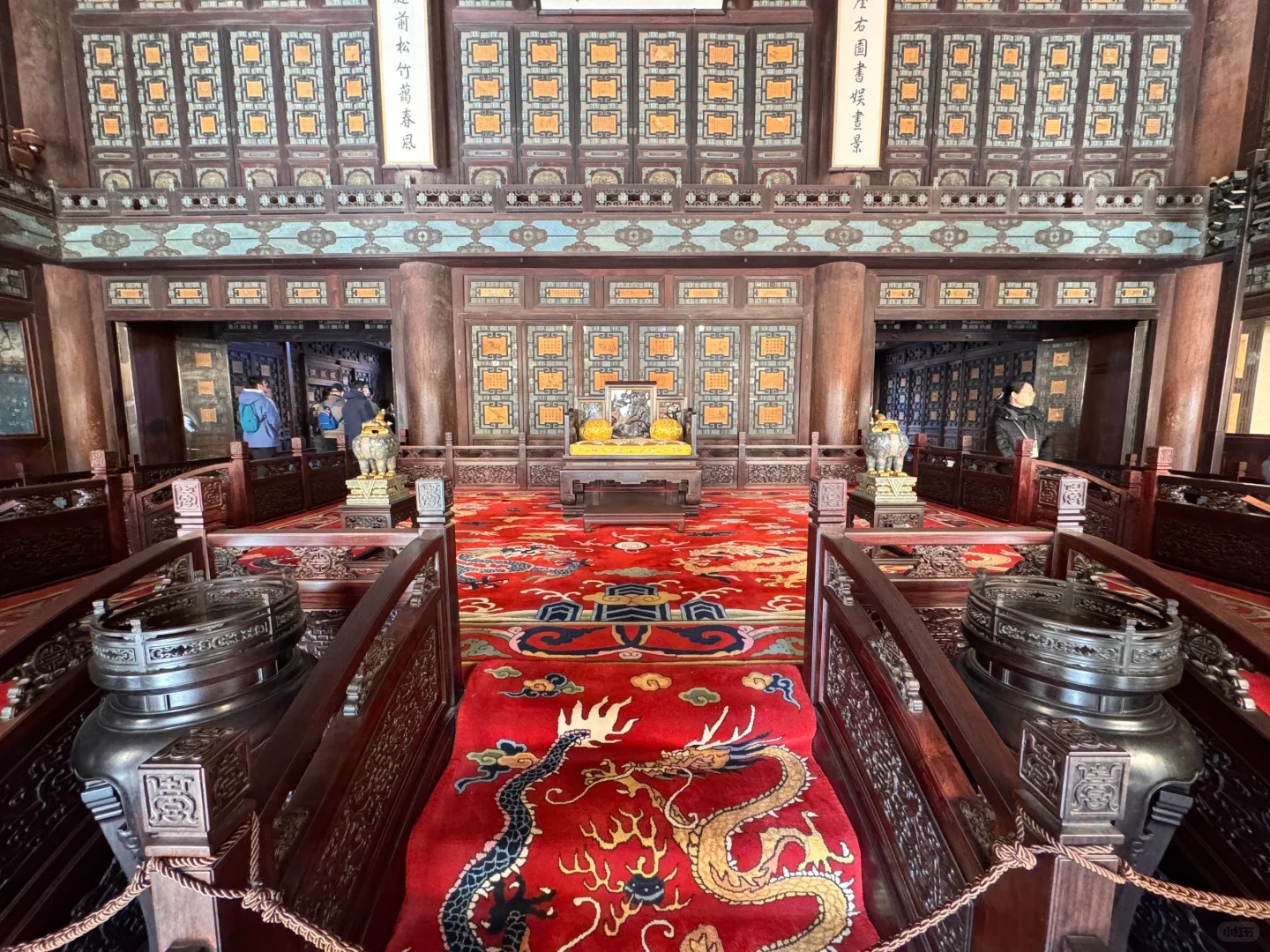
One of my most memorable experiences was finding the "Stage of Pleasant Sounds" (Changchangge), the grand three-story opera theater within the palace. I stood there, visualizing the Empress Dowager Cixi, a woman of immense power and controversy, sitting on her throne, watching an opera while the fate of China hung in the balance. The juxtaposition of art and ruthless politics is what makes the forbidden city & the imperial palace beijing so fascinating.
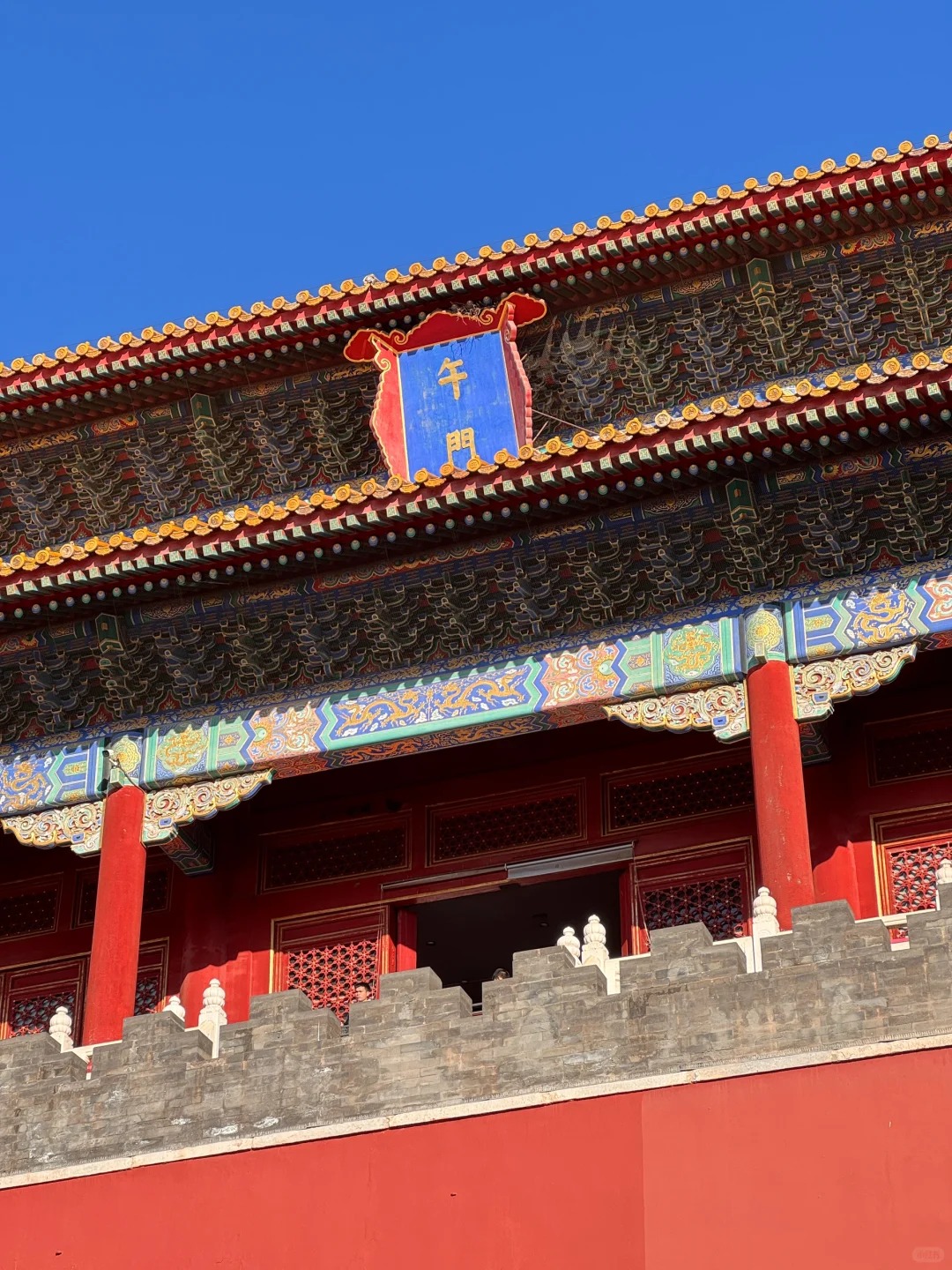
I sat on a stone bench near the Palace of Earthly Tranquility, the place where the Emperor and Empress spent their wedding night. The paint was faded, the red turning to a soft pinkish-grey. I touched the lattice of the window. It felt rough, weathered by centuries of Beijing’s harsh winters and scorching summers.
In these quiet back alleys of the palace, away from the tour groups, you can almost hear the whisper of silk shoes scuffing against the pavement. I realized that for all its glory, this place was a gilded cage. To explore it is to walk the line between ultimate privilege and ultimate confinement. It is a hauntingly beautiful tragedy frozen in architecture.