In the chaotic, sensory-overloading heart of the Muslim Quarter, there exists an oasis of profound tranquility. Passing through an unassuming gateway on Huajue Lane, the cacophony of sizzling grills and hawking vendors dissolves. I found myself in the first courtyard of the Great Mosque of Xi'an, under the shade of an ancient cypress tree. The air was cool and still. This was not just a mosque; it was a masterpiece of cultural synthesis and a living testament to the deep roots of Islam in China.
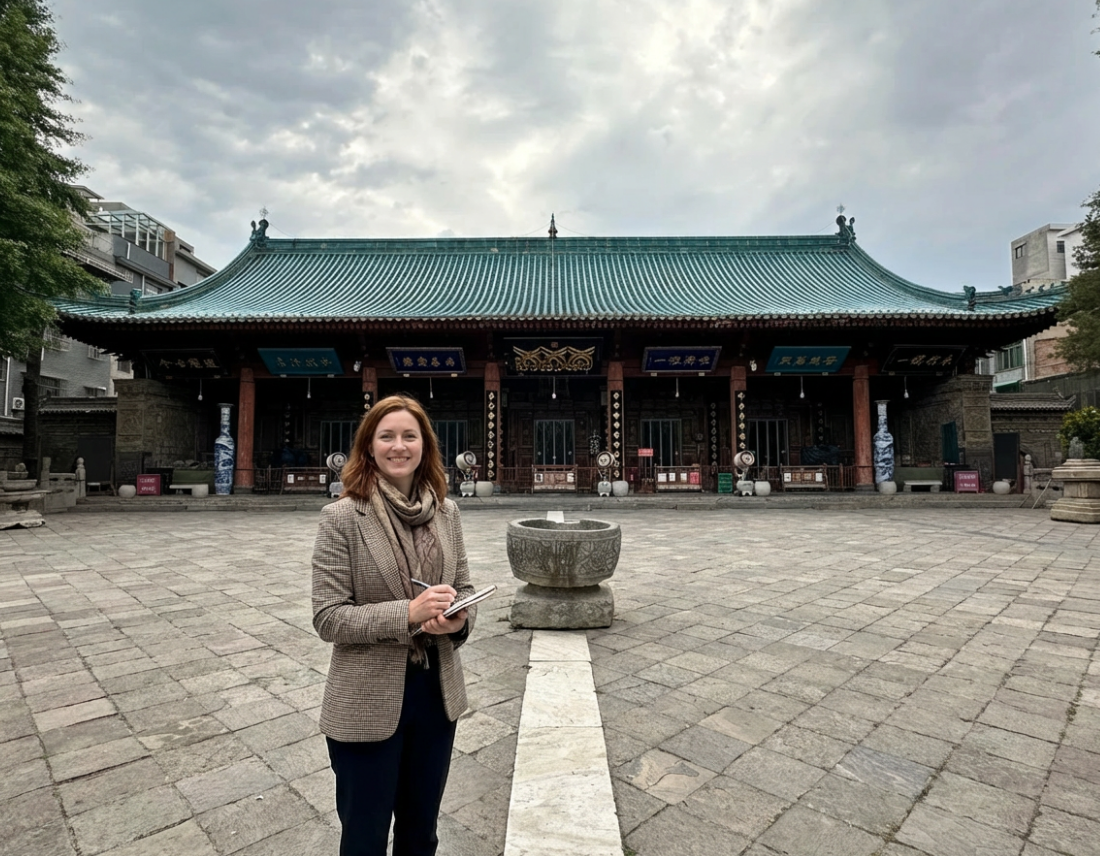
Built initially in 742 AD during the Tang Dynasty—the height of the Silk Road exchange—the mosque has been expanded and renovated over centuries. Its architecture is a breathtaking, seamless blend. There are no domes or minarets in the familiar Middle Eastern style. Instead, I walked through a series of serene, tree-lined courtyards and pavilions that resembled a classic Chinese temple or scholar's garden. I saw moon gates, glazed tile roofs with mythical beasts, and stone steles topped with dragons. It was only upon entering the central prayer hall, with its qibla wall facing Mecca and its beautiful wooden ceiling inscribed with Arabic calligraphy, that the building's primary function became explicitly clear.
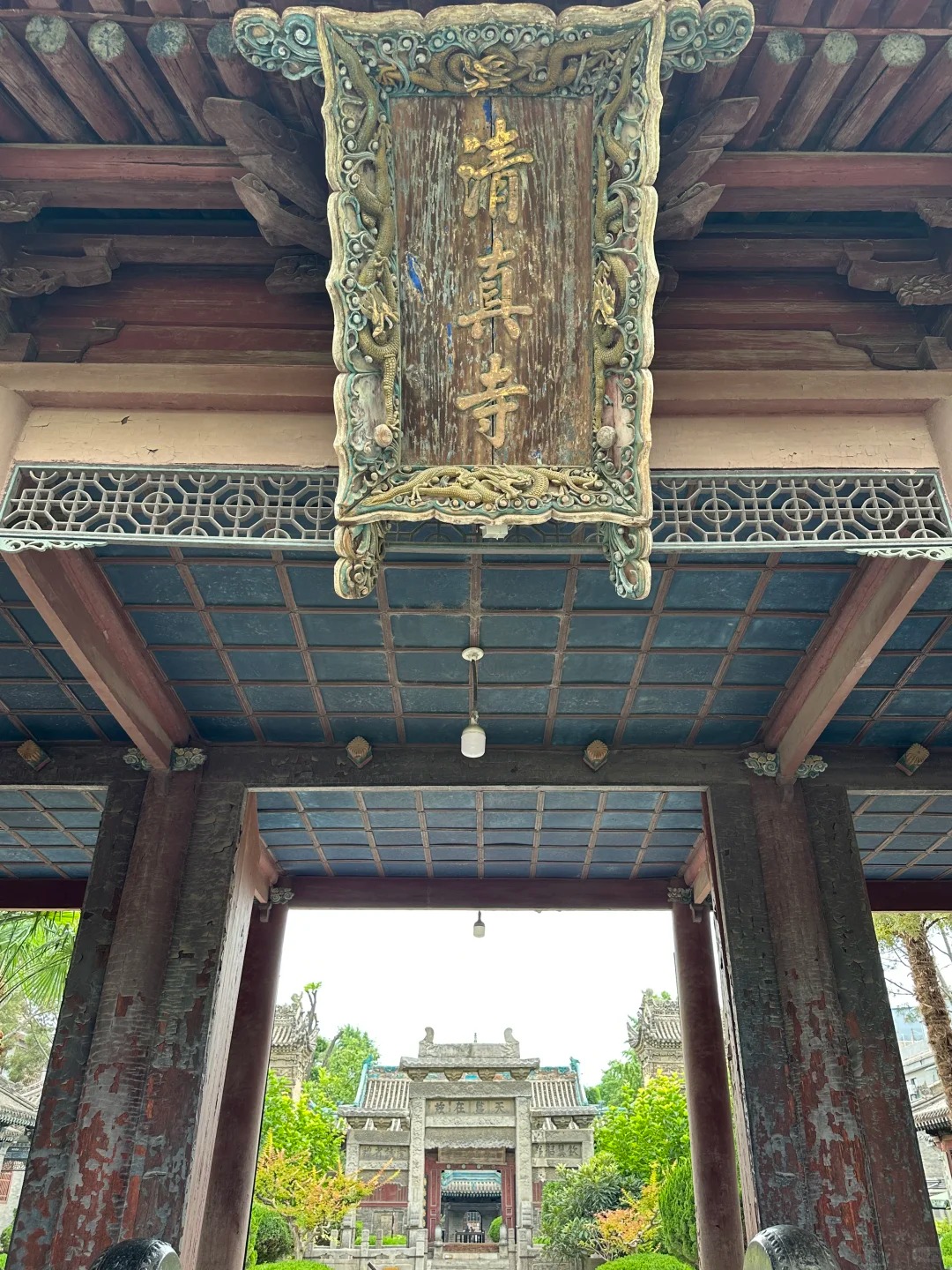
This harmonious fusion is the mosque's defining genius. The "minaret" is a pagoda-like, three-story pavilion called the Shenxin Tower. The mihrab (prayer niche) is intricately carved with floral and cloud patterns common in Chinese art, alongside Quranic verses. During my visit, which coincided with a non-prayer time, a few elderly Hui Muslim men sat quietly in a side pavilion, reading. The silence was deep and meditative, broken only by the chirping of birds in the trees.
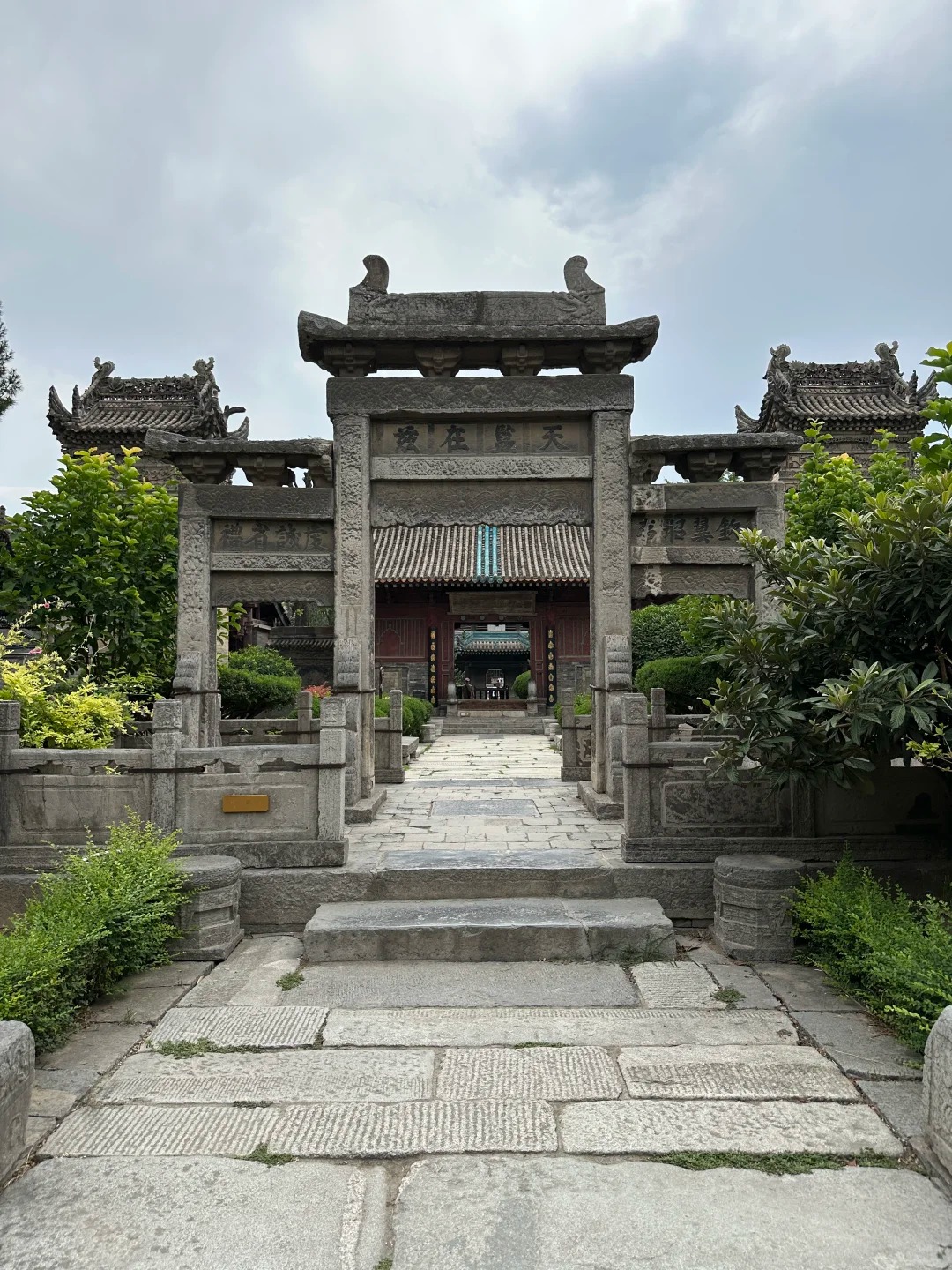
The mosque tells a story of peaceful integration. The Hui community, descended from Persian, Arab, and Central Asian traders and soldiers who settled in Chang'an, have maintained their faith and identity while becoming intrinsically Chinese. The mosque's architecture is the physical embodiment of this history—a foreign faith gracefully clothed in local artistic language.
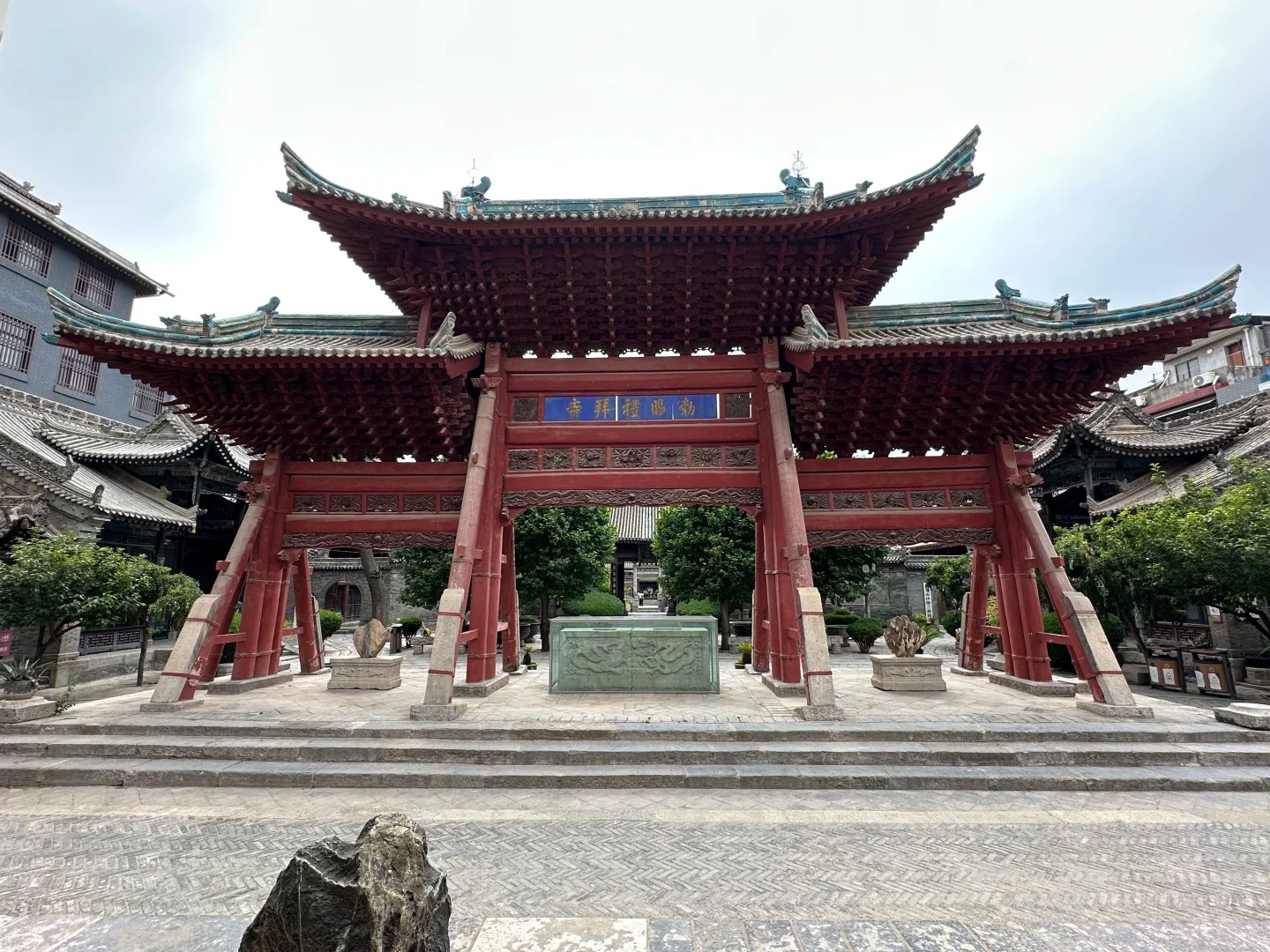
Leaving the final courtyard, I passed the magnificent Phoenix Pavilion, its wooden phoenixes seeming to flutter against the blue sky. Stepping back onto the bustling alley, the noise felt like a wave. But the memory of that sacred silence stayed with me. The Great Mosque is more than a place of worship; it is a powerful, stone-and-timber poem about coexistence, adaptation, and the quiet endurance of faith through centuries of change.