There are places in China that feel like museums, and then there is Pingyao. Pingyao doesn’t just look like the past; it feels lived-in, haunted by the spirits of merchants and bankers from centuries ago. I had always wanted to visit this UNESCO World Heritage site, famous for being exceptionally well-preserved, so I took an overnight train from Beijing, waking up as the landscape changed to the dusty plains of Shanxi province.
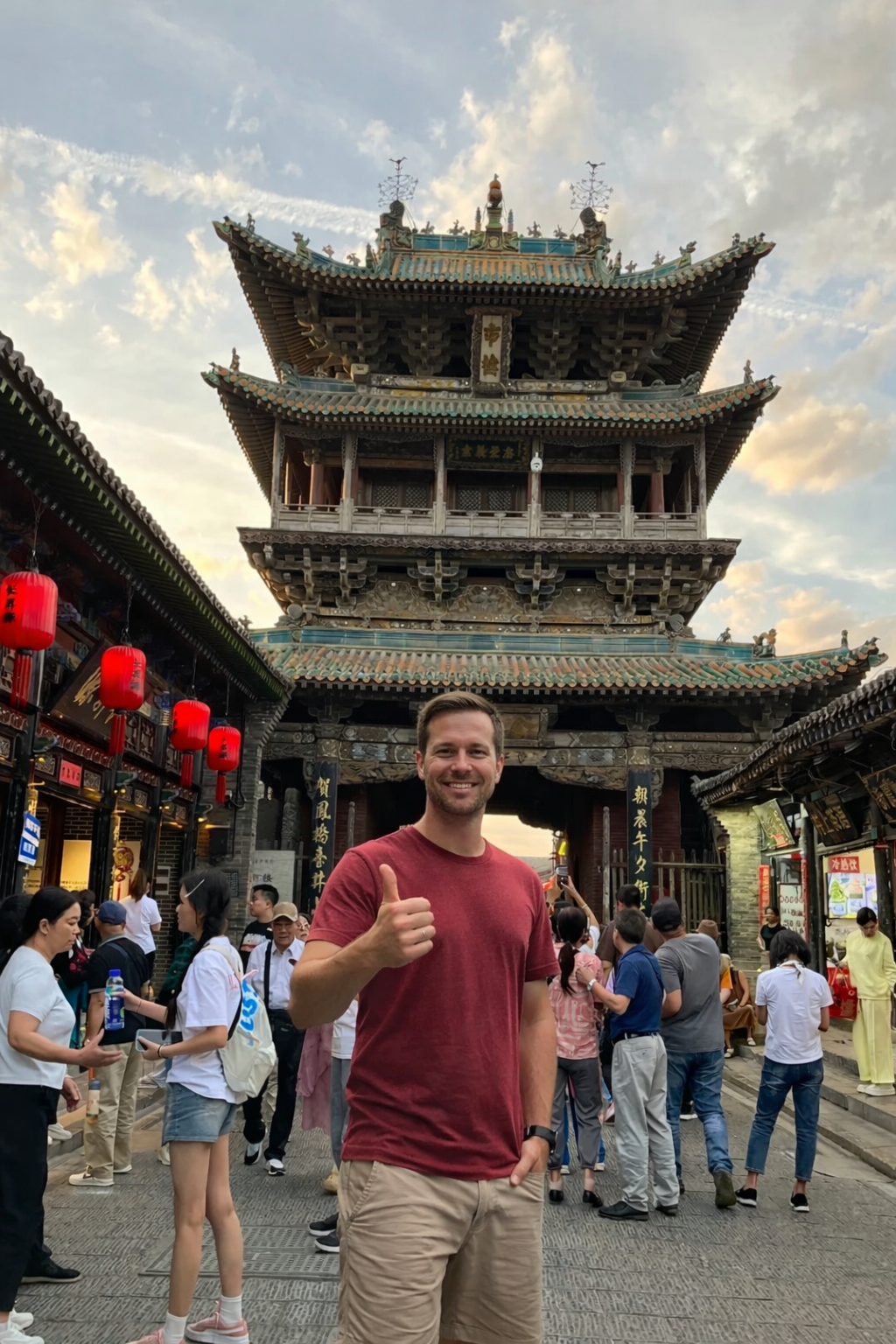
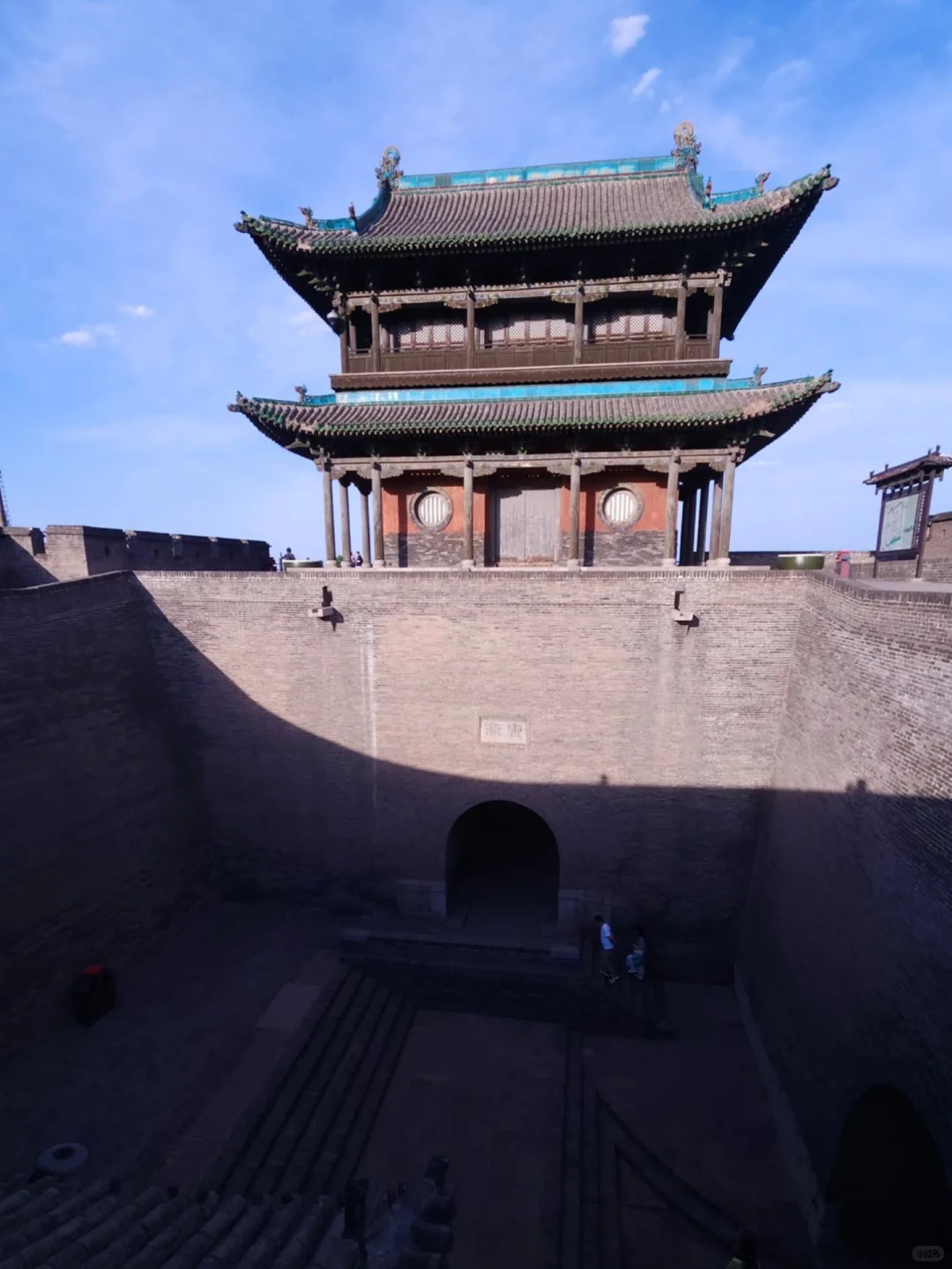
The first thing I did upon arrival was rent a bicycle. The city walls are impressive, tall and sturdy, forming a perfect rectangle around the old town. Cycling along the top of the wall is one of the best ways to orient yourself. From up there, you can see the entire city: a sea of grey tiled roofs, narrow alleyways (*hutongs*), and the distant modern skyscrapers that look like they belong on a different planet. The contrast is stark. Inside the walls, time seems to have stopped around the 15th century.
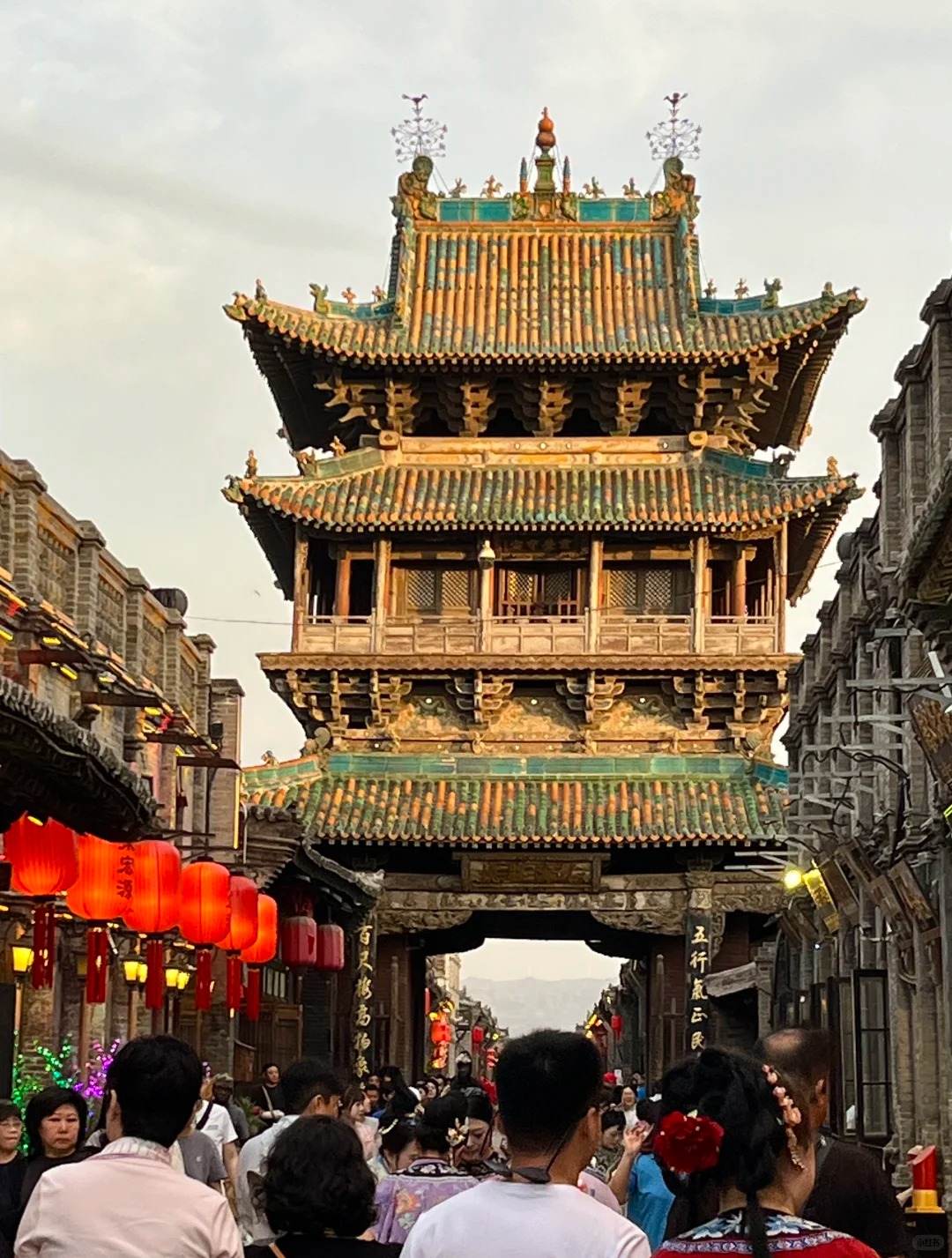
I rode down into the labyrinth of streets. The architecture here is distinct from the imperial grandeur of Beijing. It is the architecture of the merchant class—courtyard homes known as *siheyuan*, but with a rugged, northern Chinese aesthetic. The intricate wood carvings on the eaves and the stone lions guarding the doors speak of a time when this city was the Wall Street of China.
I visited the Rishengchang Draft Bank, known as the first draft bank in Chinese history. Walking through the dimly lit rooms, looking at the heavy iron safes and the complex abacus records, I was fascinated by the sophistication of the financial system they developed back in the 19th century. They managed remittances and exchange rates across the entire empire without the internet or computers. It was a humbling reminder that innovation isn’t just a modern phenomenon.
As evening fell, Pingyao transformed. The grey stone walls were illuminated by red lanterns, casting a warm, romantic glow over the streets. It is incredibly atmospheric. I stayed in a renovated guesthouse located in a traditional courtyard. The room was built around a central garden with a koi pond. The owner, a friendly man from a local family, served me dinner in the courtyard. We ate *Wantou* (Pingyao style beef) and *Kao Lao Lao* (a kind of steamed corn flour bun). The beef was salty, savory, and incredibly tender, paired perfectly with a local vinegar that Shanxi is famous for.
After dinner, I wandered the streets. The night air was cool. I stumbled upon the City God Temple, which was hosting a light show and a traditional opera performance. The sound of the high-pitched singing and the clashing of cymbals echoed off the stone walls. It felt ghostly, in a beautiful way. I sat on a stone step and watched for a while, surrounded by locals who were just as engrossed in the performance.
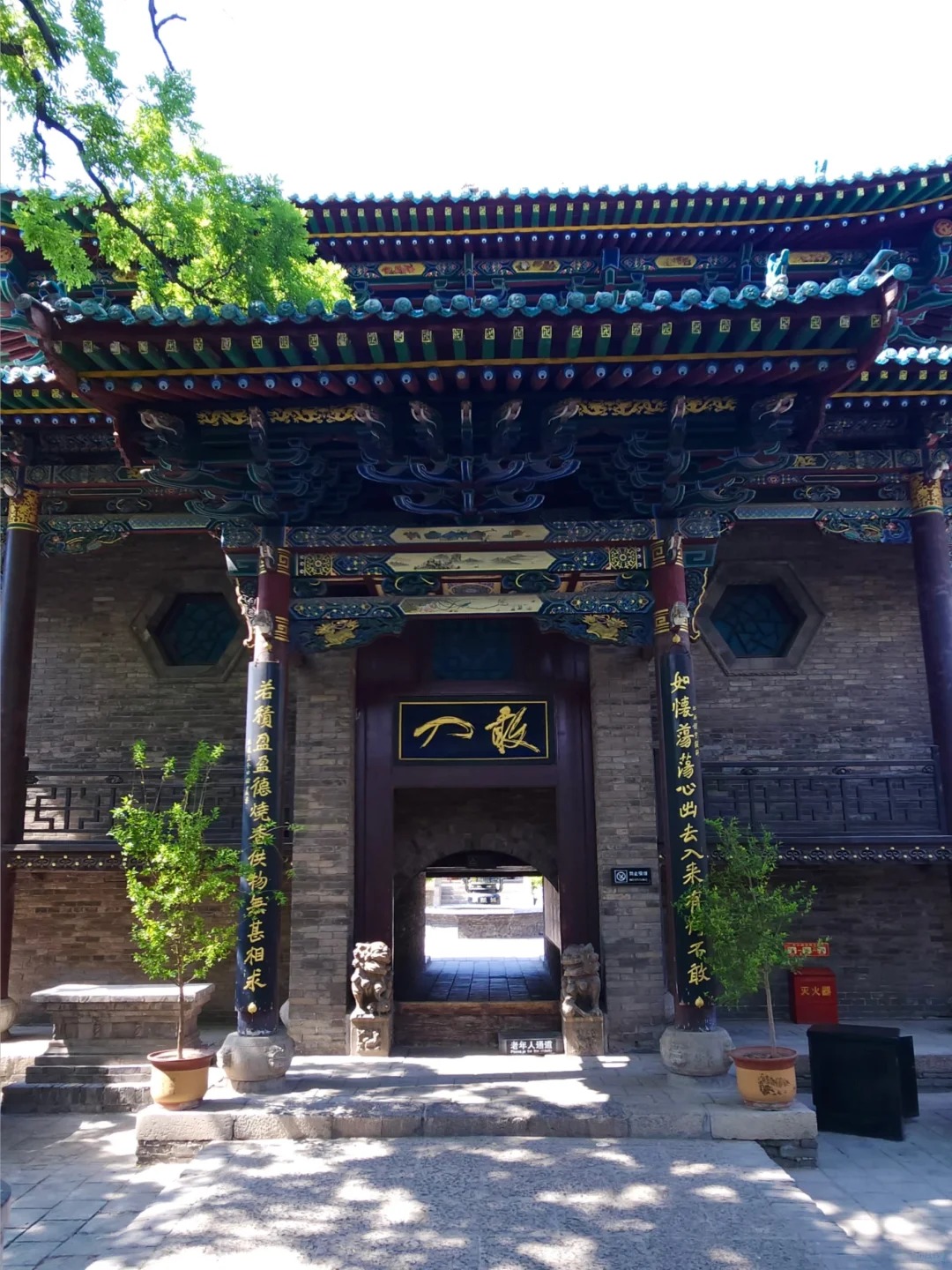
One of the highlights of the trip was the Ancient Government Office. It’s a sprawling complex where the county magistrate lived and worked. I sat in the magistrate’s chair on the dais, looking down at the open courtyard where prisoners would have been judged. It was a surreal feeling. The office also houses a prison, with eerie mannequins depicting the harsh punishments of the feudal era. It was a stark reminder of the rigid social structure of the past.
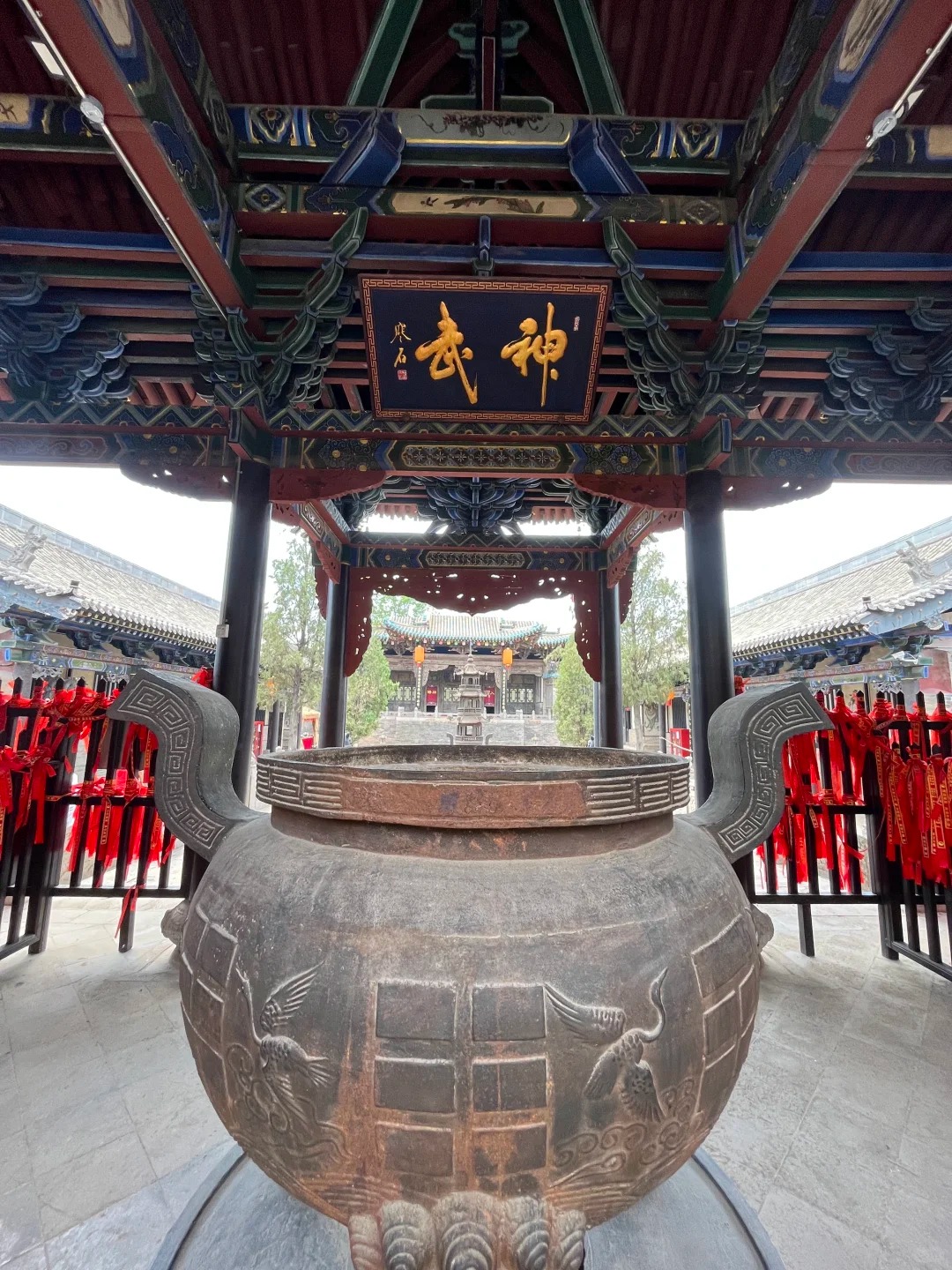
Before leaving, I made sure to buy some lacquerware, a famous craft of Pingyao. The pieces are glossy, black, and painted with gold designs. Watching a craftsman polish a box by hand, a process that takes days, gave me a deep appreciation for the dedication required to keep these traditions alive.
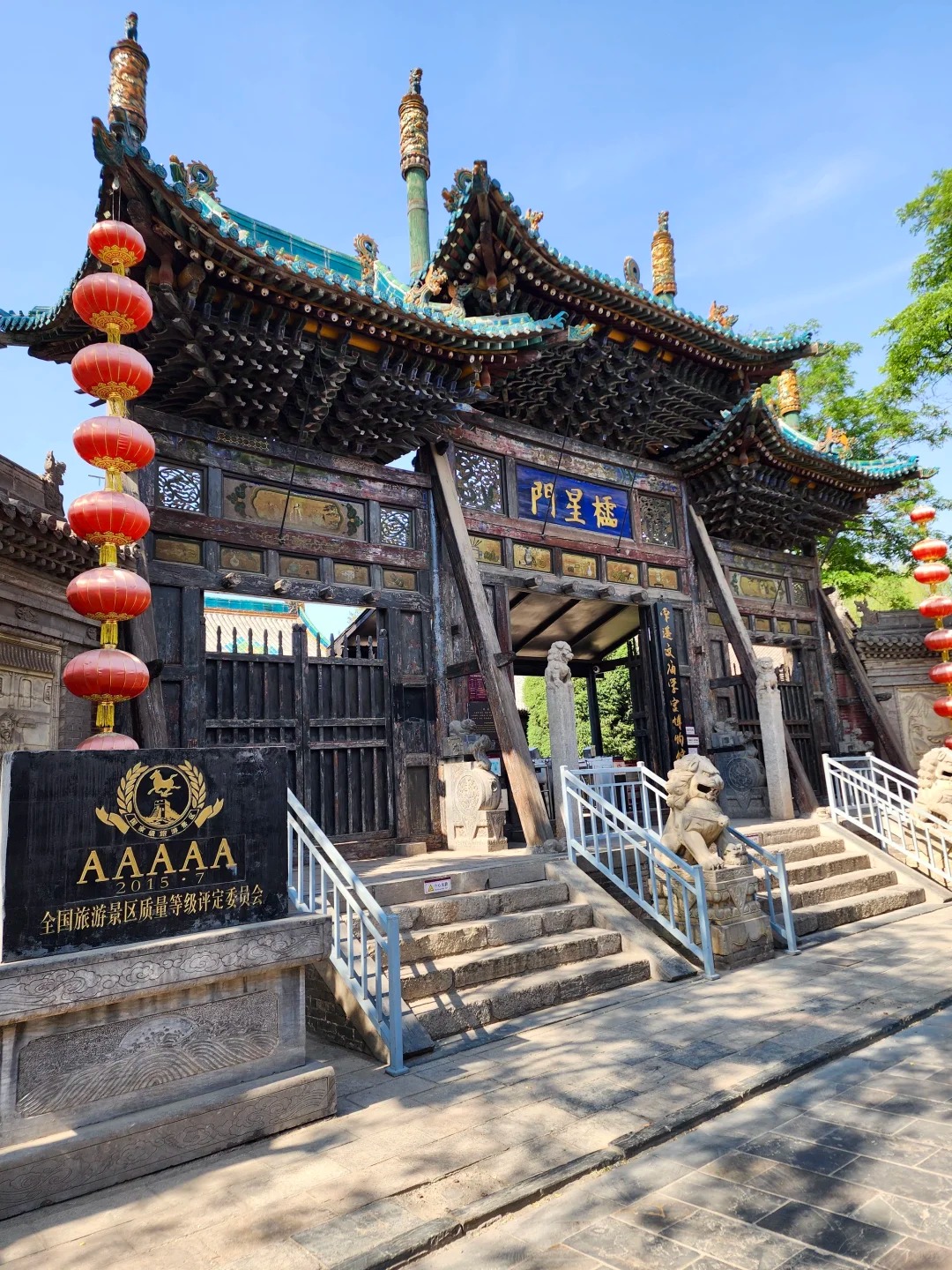
Leaving Pingyao, I felt like I was waking up from a dream. It is a place that engages all your senses: the taste of the aged vinegar, the sound of bicycle bells in the alleyways, the sight of red lanterns against the night sky, and the touch of weathered stone. It is a city that tells the story of commerce, of law, and of daily life in Imperial China. If you want to understand what life was like for the common people—not just the emperors—Pingyao is the place to go. It is a capsule of history that you can walk through, sleep in, and taste.