I’ve taken countless tours across China—from camel caravans in Dunhuang to lantern-lit night walks in Pingyao—but none stirred my soul quite like my first Chengdu panda tour. It wasn’t just about seeing the animals; it was about entering a world where tenderness meets science, where every path whispers a story of survival.
I booked a small-group morning tour after reading warnings online: “Go early or see only sleeping pandas.” Smart advice. My guide, Mei, met me at 6:30 a.m. outside Chunxi Road subway station, holding a sign with a cartoon panda wearing sunglasses. She handed me a reusable water bottle and a map scribbled with notes: “Baby Panda Villa – 8:00 a.m. best viewing,” “Adult Zone – quieter after 10,” “Museum opens at 9:30.”

As our minivan wound through Chengdu’s dew-kissed suburbs, Mei shared not just facts, but folklore. “In ancient Sichuan,” she said, “pandas were called shítiěshòu—‘iron-eating beasts’—because villagers found them near mines, licking iron pots for minerals.” She laughed. “Now we know they crave sodium. But the myth shows how long humans have been fascinated by them.”
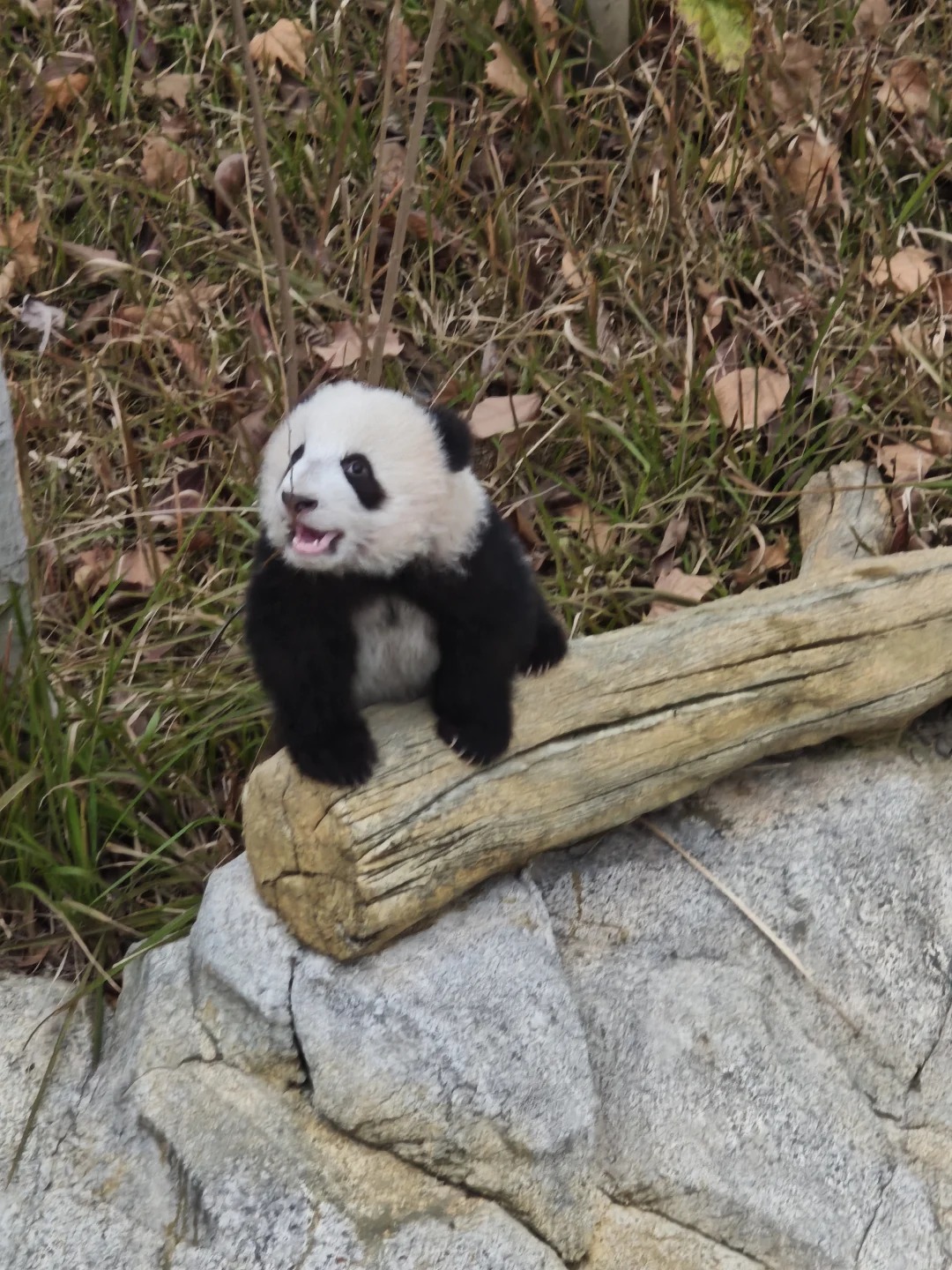
We arrived at the Chengdu Research Base just as the gates opened. Unlike solo visitors rushing toward the main enclosures, Mei led us along a lesser-known trail behind the “Sunshine Lawn,” where juvenile pandas practice climbing. There, beneath a canopy of ginkgo trees, three cubs tumbled over logs like furry acrobats. “This is the ‘Kindergarten,’” Mei whispered. “They’re learning balance, coordination—skills they’d get from their mothers in the wild. Here, keepers wear panda suits when handling them to avoid human imprinting.”
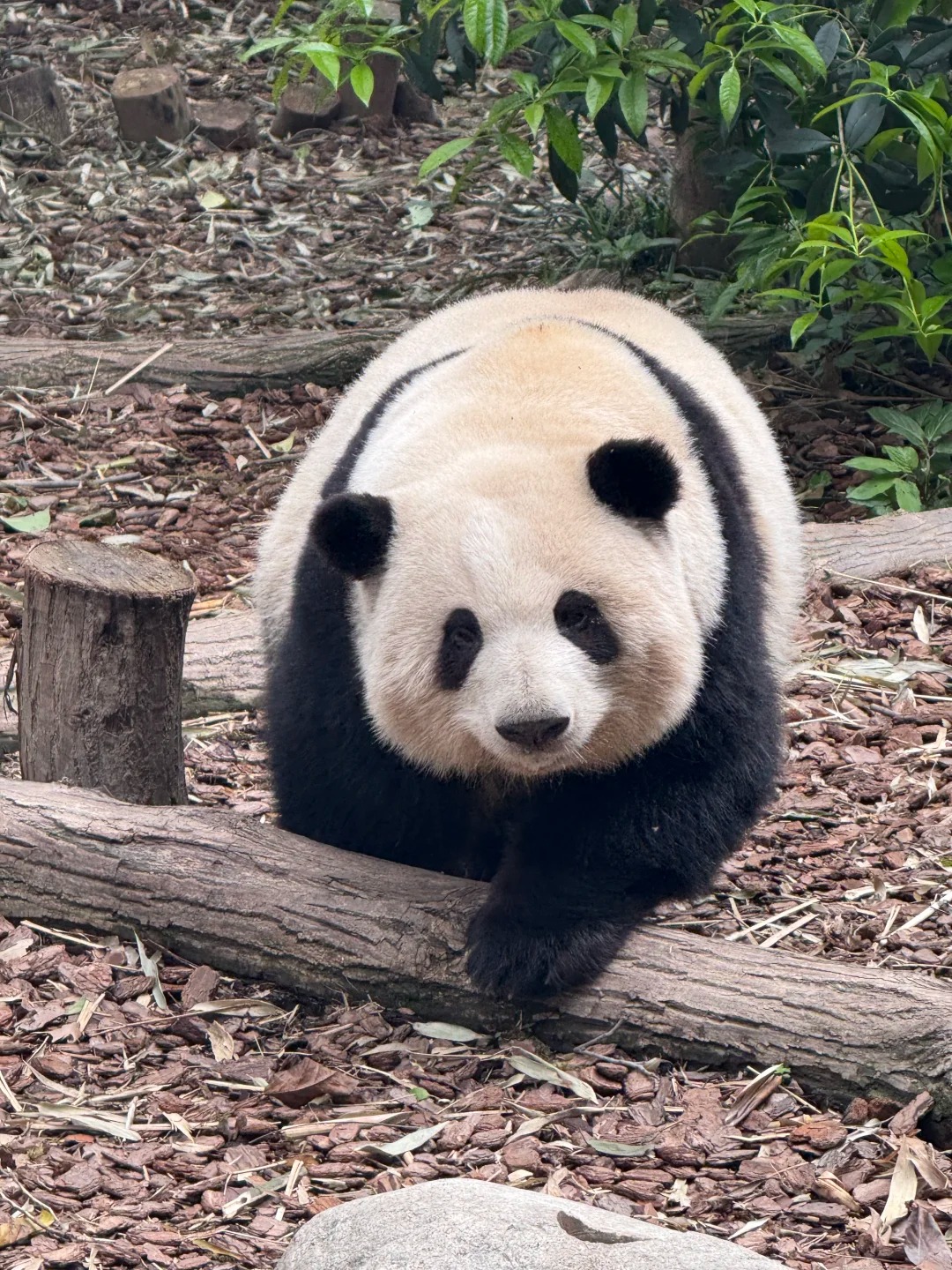
What made this tour exceptional wasn’t just access—it was context. At the adult enclosure, Mei didn’t just point to Yuan Yuan lazily gnawing bamboo; she explained how her GPS collar (visible as a faint bulge under her fur) tracks movement patterns for reintroduction research. At the museum, she translated Chinese exhibit panels into vivid narratives about genetic bottlenecks and habitat corridors.
Mid-morning, we joined a feeding demonstration. A keeper tossed apples into the yard while explaining how pandas’ digestive systems process only 17% of what they eat—hence the 14-hour eating schedule. “They’re not lazy,” Mei emphasized. “They’re energy economists.”
But the tour’s emotional peak came during a surprise detour to the Moonlight Nursery. Through double-pane glass, we watched twin newborns—each smaller than a human hand—being gently rotated under heat lamps. “Their survival rate has jumped from 30% to over 90% thanks to protocols developed right here,” Mei said, her voice thick with pride. A French couple beside me wiped tears.
Afterward, instead of rushing back to the city, Mei took us to a local teahouse near the base. Over jasmine tea and sweet dan dan buns, she answered questions about panda diplomacy, breeding ethics, and why Sichuan’s humid climate is ideal for bamboo growth. “Tourism funds conservation,” she said simply. “Every ticket helps feed one panda for a week.”

By noon, the crowds had swelled, and the pandas retreated to shaded dens. But thanks to Mei’s timing and insight, we’d witnessed them at their most animated—playing, eating, exploring. On the return drive, passengers scrolled through photos, buzzing with newfound respect.
A Chengdu panda tour, I realized, isn’t about ticking a box. It’s about being guided into intimacy—with nature, with science, and with the quiet heroes ensuring these black-and-white icons don’t vanish from our world.