I’ve chased sunsets in Bali and sunrises in Kyoto, but nothing—absolutely nothing—prepares you for the silence of Wusong Island in January.
Wusong Island (Wusong Dao) isn’t really an island you "go" to; it’s a river island in the Songhua River, just outside Jilin City. It’s famous for one thing: Rime (Wusong). Not frost, not snow—rime. It’s a supercooled fog droplets freezing on the trees.
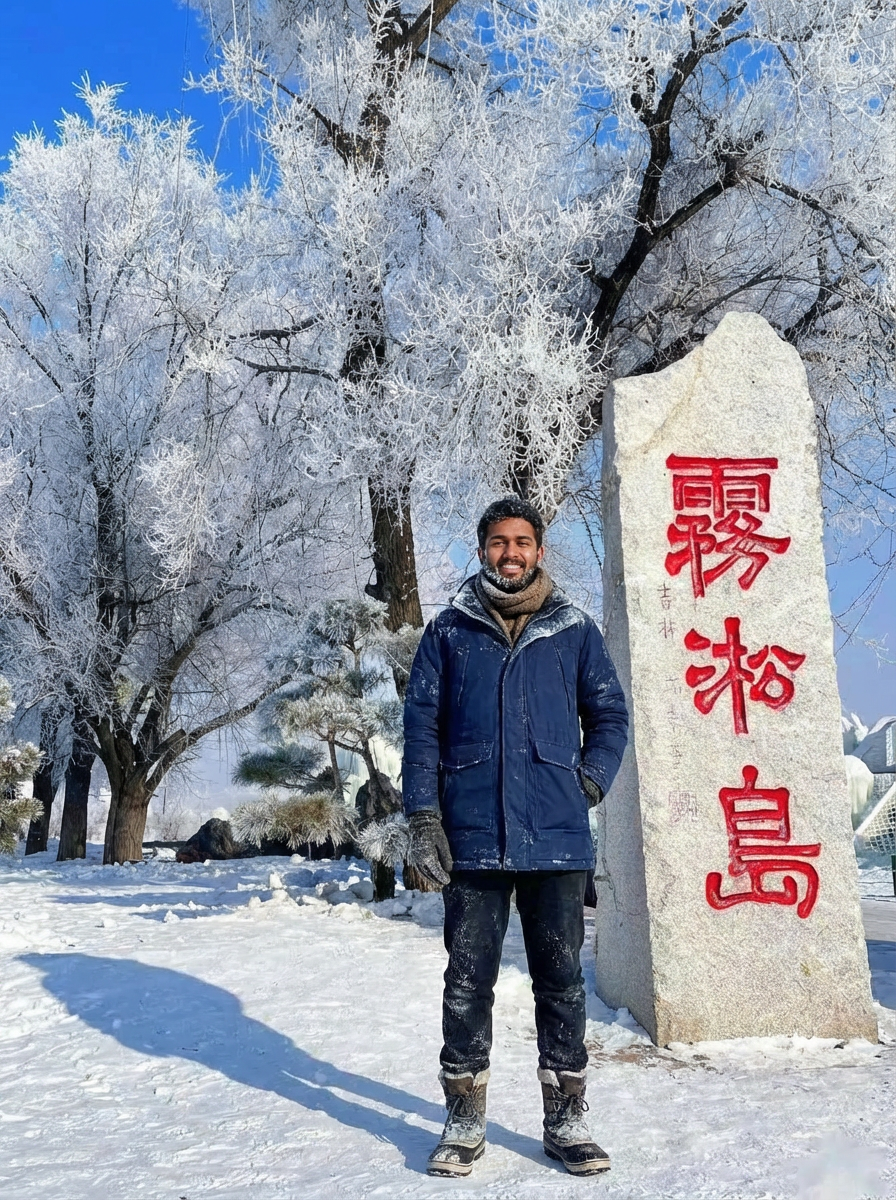
I got there at 6:00 AM. It was pitch black. The air temperature was -25°C. My eyelashes froze together within ten minutes. I was there with a group of "lao fa shi" (old masters)—Chinese photographers with tripods the size of cannons and lenses that cost more than my car.
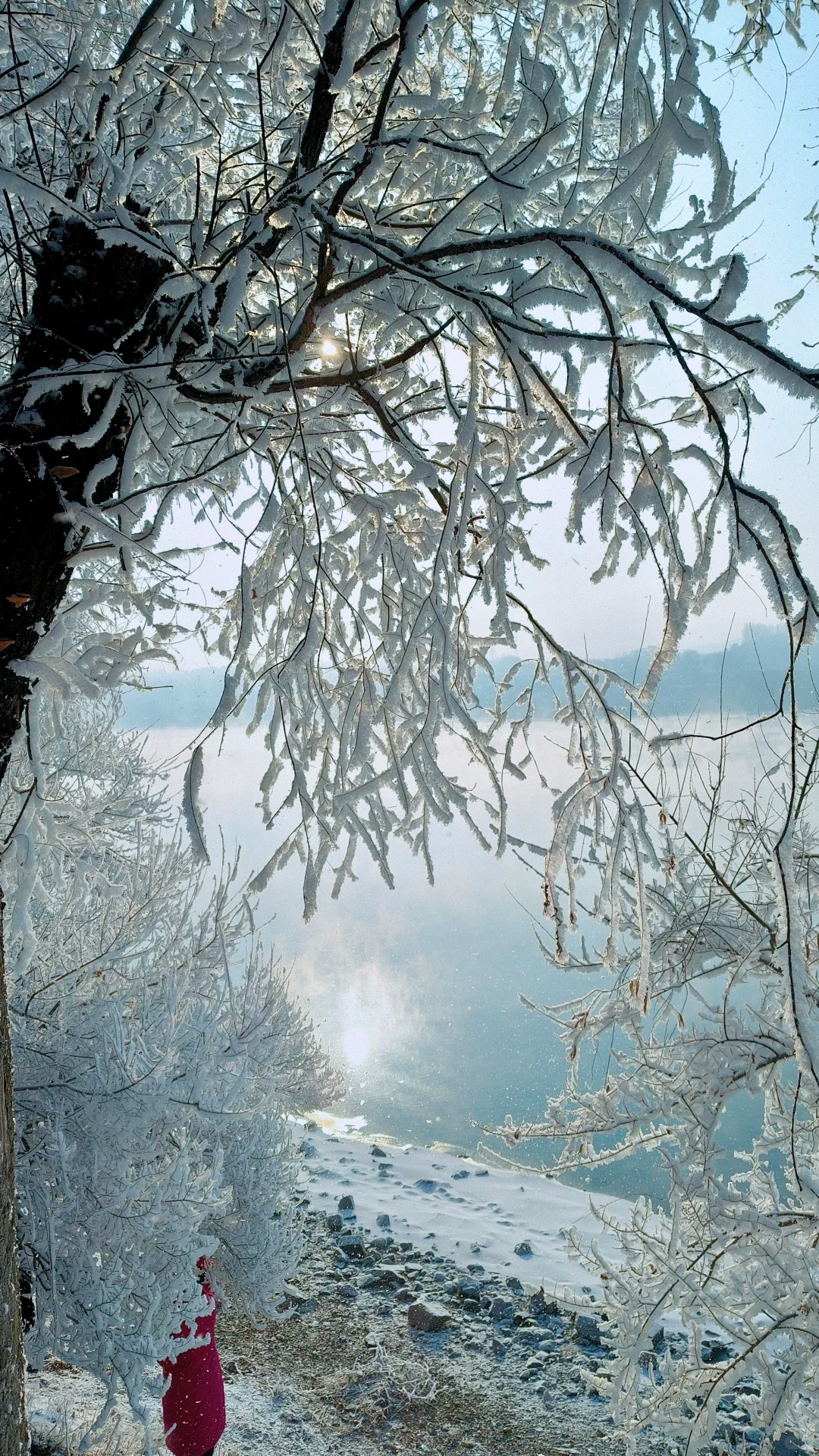
We walked along the riverbank. The willow trees, which in summer are just weeping green branches, had transformed into crystalline sculptures. Every twig was encased in a layer of ice, feathery and opaque. It looked like coral. It looked like glass. The sun came up, hitting the trees at a low angle, and the entire island turned gold and silver.
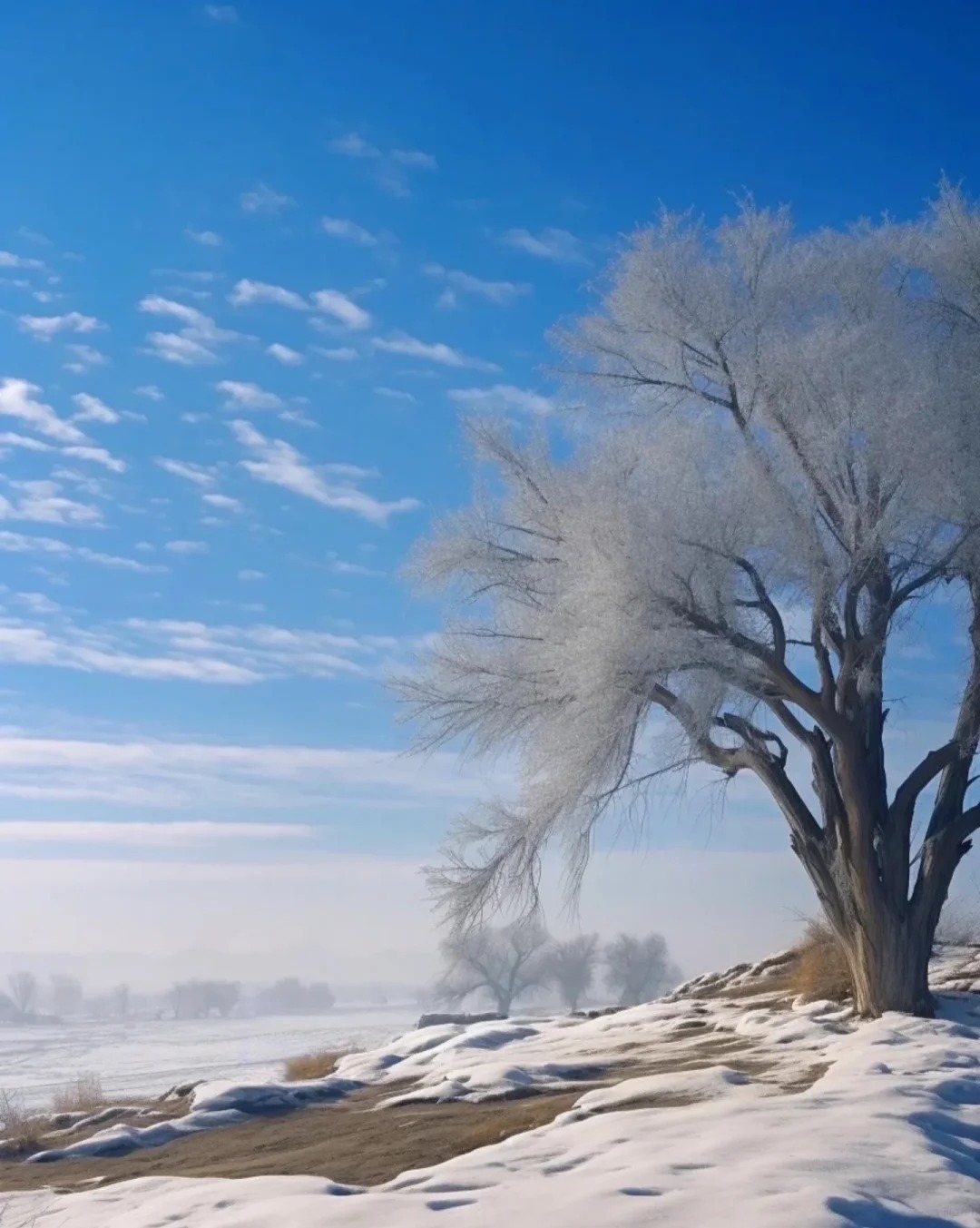
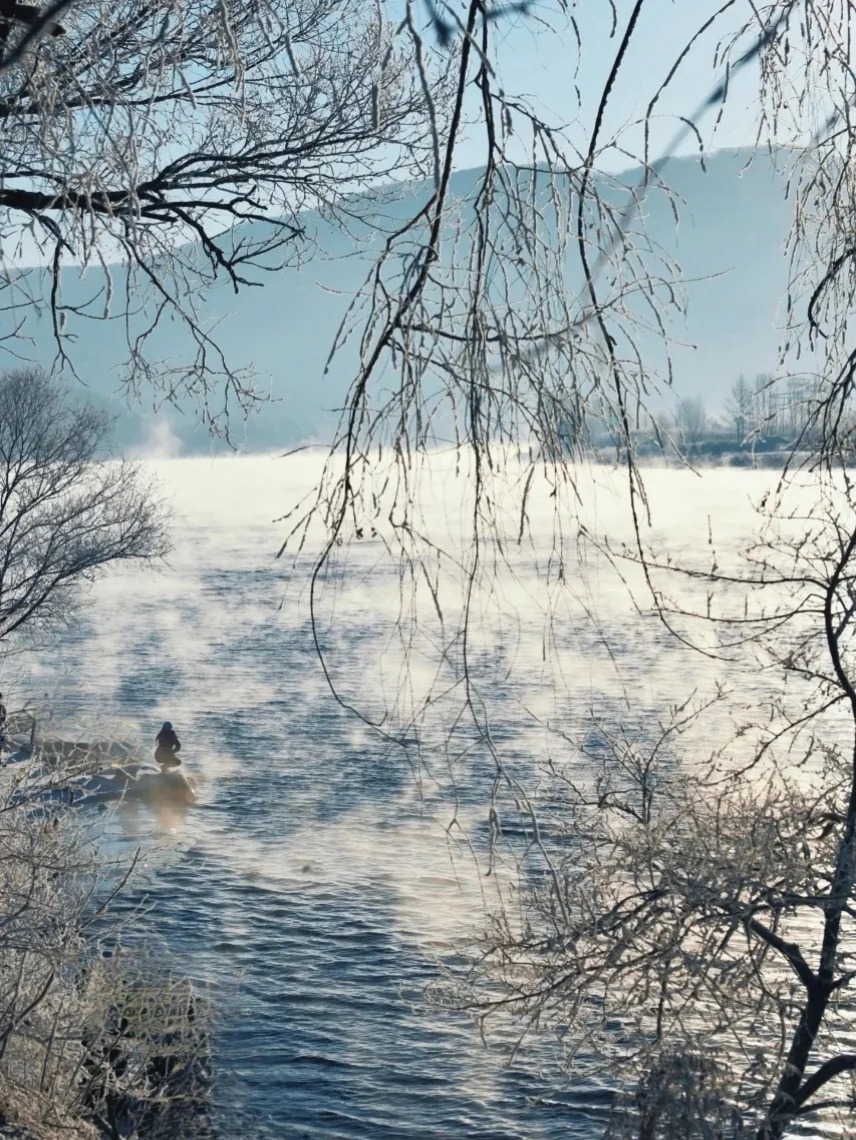
The magic of Wusong Island is that it’s a micro-climate. The water from the hydroelectric dam upstream is warm, so the river never freezes completely. The evaporation meets the freezing air, and boom—magic.
I wandered away from the main boardwalk and found a local fisherman’s hut. He was breaking the ice on the river to fish. I asked him (in my broken Mandarin mixed with gestures) if he ever gets tired of the beauty. He laughed, his face weathered like leather, and handed me a frozen persimmon. "It’s cold," he said, "but it keeps the bugs away in summer. We need the cold."
That’s the Northeast Chinese spirit. Resilience. They don’t hide from the winter; they harvest beauty from it.
If you go, wear everything you own. Two pairs of socks. Hand warmers in your boots. But when you see that first ray of light hit the rime-covered branches, turning the world into a monochrome ink wash painting come to life, you’ll forget the cold. You’ll feel like you’ve walked into a poem written by nature.