If walls could talk, the Qiao Family Compound in Qi County would scream. It is a place of immense wealth, intricate beauty, and, ultimately, tragic silence. As a lover of Chinese history and architecture, I had seen the movie “Raise the Red Lantern,” which was filmed here, countless times. But stepping through the heavy gates of this massive fortress-home was different than watching it on a screen. It was stepping into a labyrinth of power, tradition, and family secrets.
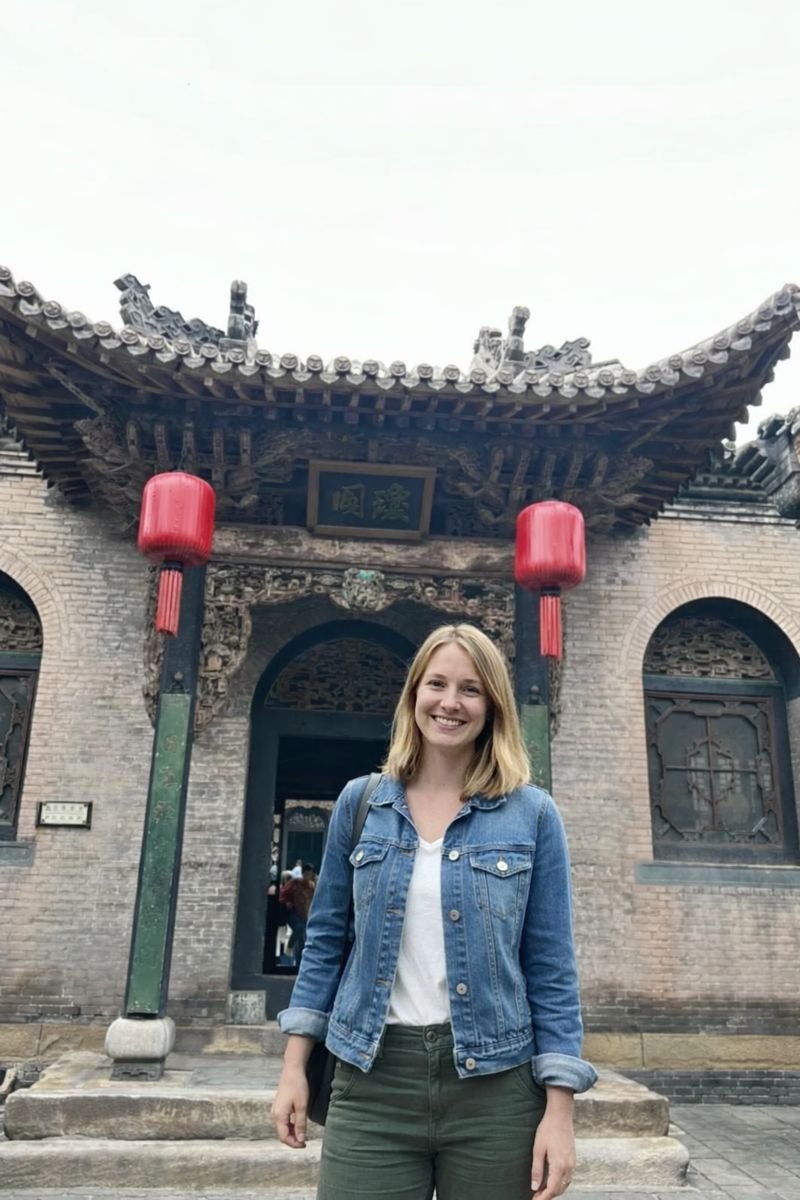
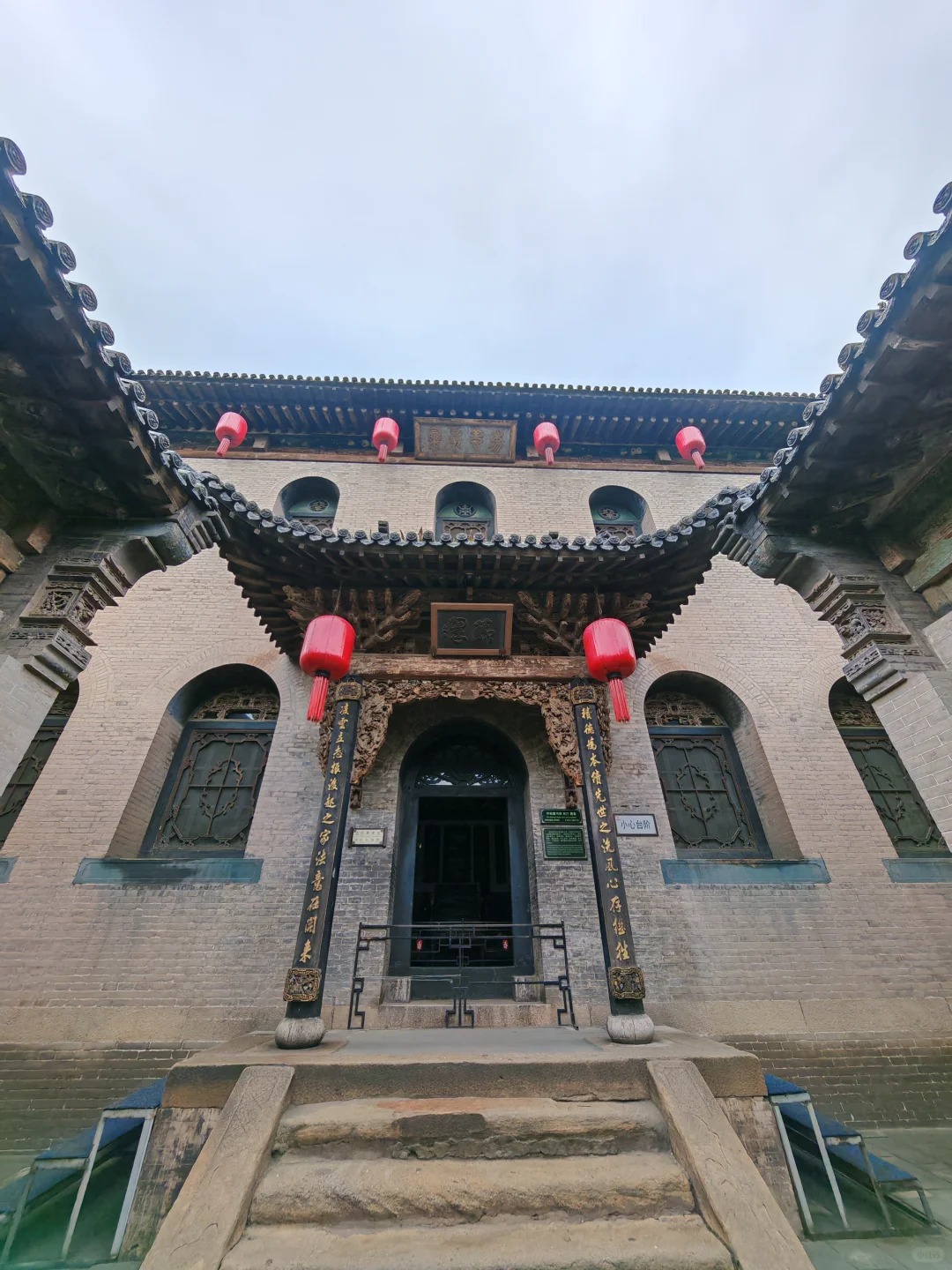
The compound, built during the Qing Dynasty by the wealthy merchant Qiao Zhiyong, is massive—over 8,000 square meters with 313 rooms. As I walked into the first courtyard, I felt like a mouse entering a palace. The layout is strictly geometrical, a perfect representation of the Confucian hierarchy that ruled Chinese society for centuries. The main courtyards face south, occupied by the master of the house. The side rooms were for the concubines and children. Every window, every doorway, every roof tile had a specific purpose and rank.
I wandered through the seemingly endless maze of alleyways connecting the six courtyards. What fascinated me most were the details. The Qiao family spared no expense. I found myself staring at the brick carvings above the gateways for ten minutes at a time. They depict scenes from operas, legends, and daily life, carved with such precision that you can see the individual feathers on a bird or the expression on a warrior’s face. There is a famous carving of a centipede, which locals believe protects the house from evil. I ran my hand over the rough brick, feeling the texture of the craftsmanship.
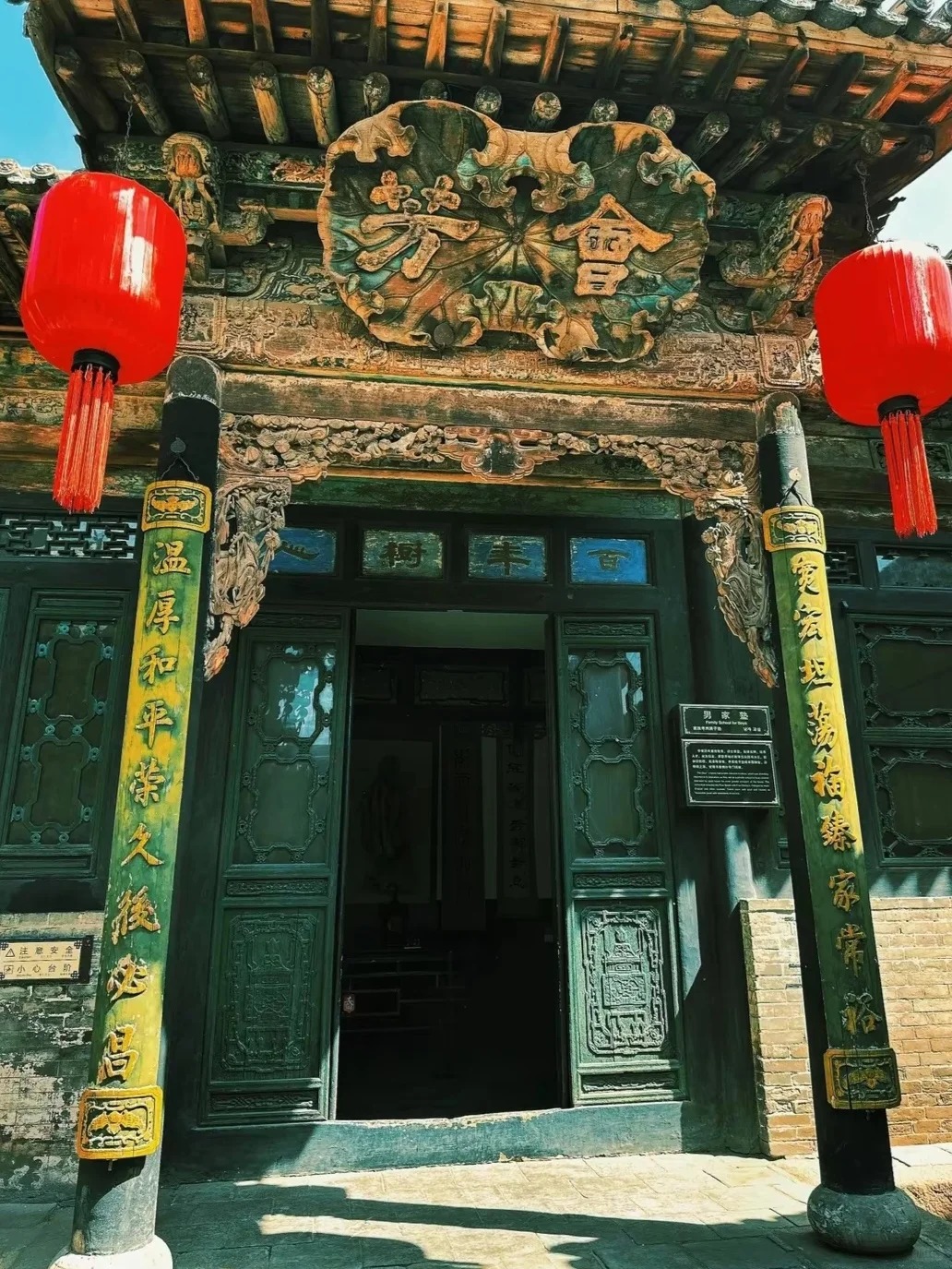
In the central hall, the atmosphere was solemn. High above hung the plaque inscribed by the Empress Dowager Cixi herself, a testament to the family’s political influence. But despite the grandeur, I couldn’t help but feel a sense of claustrophobia. The walls are incredibly high, designed not just to keep bandits out, but to keep the women in. Standing in the inner courtyards, imagining the lives of the wives who spent their entire lives within these walls, the place felt more like a golden cage than a home.
I found a quiet spot in the garden behind the main hall. It was a stark contrast to the rigid structure of the rest of the compound. Here, the rockeries were twisted and natural, the trees allowed to grow wilder. It was the only place that felt slightly less controlled. I sat on a stone bench and watched a black cat dart across the roof tiles. It felt like a ghost of the past, a playful spirit interrupting the solemnity.
Lunch was a quick affair at a restaurant just outside the compound gates. I ordered the local specialty, “Qiao Family Tofu Brain” (Doufunao). It’s a spicy, savory bowl of soft tofu served with chili oil, vinegar, and fermented bamboo shoots. It was delicious—creamy and fiery in the same bite. The waiter told me that the Qiao family was famous for their frugality despite their wealth, often eating simple dishes like this.
Towards the end of my visit, I climbed up to the watchtower. From this vantage point, the entire complex spread out below me like a map. The grey tiles and high walls created a stark pattern against the yellow earth of Shanxi. It looked impregnable. It was the ultimate symbol of the Jin Merchant culture—rich, powerful, and defensive.
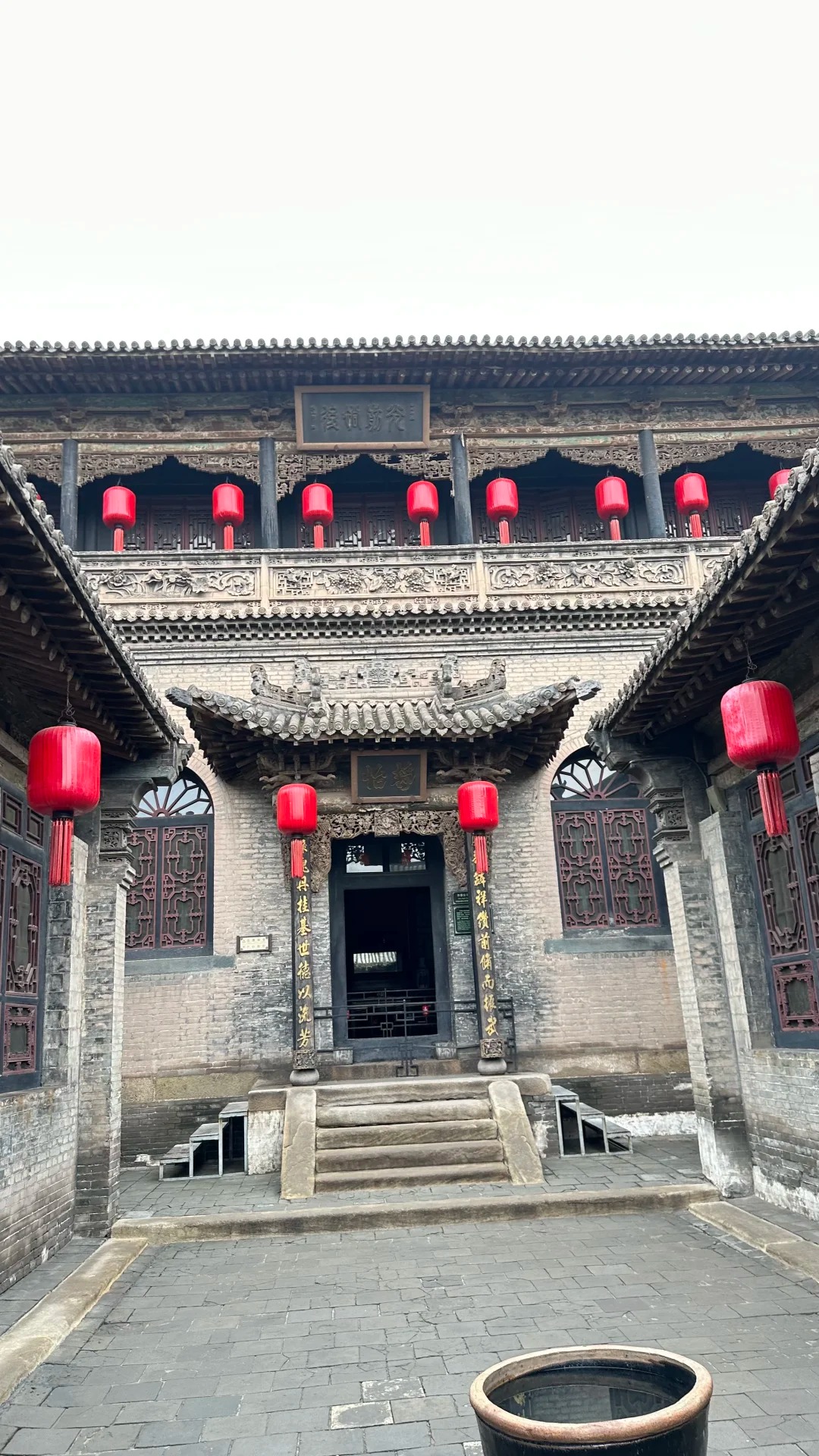
Leaving the Qiao Family Compound, I felt a strange mix of admiration and melancholy. It is a masterpiece of Chinese residential architecture, a testament to the skill of the artisans of that era. But it is also a monument to a vanished world. The Qiao family fortune is gone, the family scattered, but the stone remains. As I walked back to the parking lot, I took one last look at the soaring roof ridges. They looked like the spine of a dragon, frozen in time, guarding a legacy that history has already forgotten.