To say that Xinjiang is vast is an understatement. It is a land of superlatives. But amidst the jagged peaks and the scorching deserts, there lies a place of unexpected softness. The Narat Grassland. The name “Narat” in Mongolian means “the place where the sun shines,” and after spending three days there, I can attest that the sun does more than just shine; it illuminates a green world that feels like a dream.
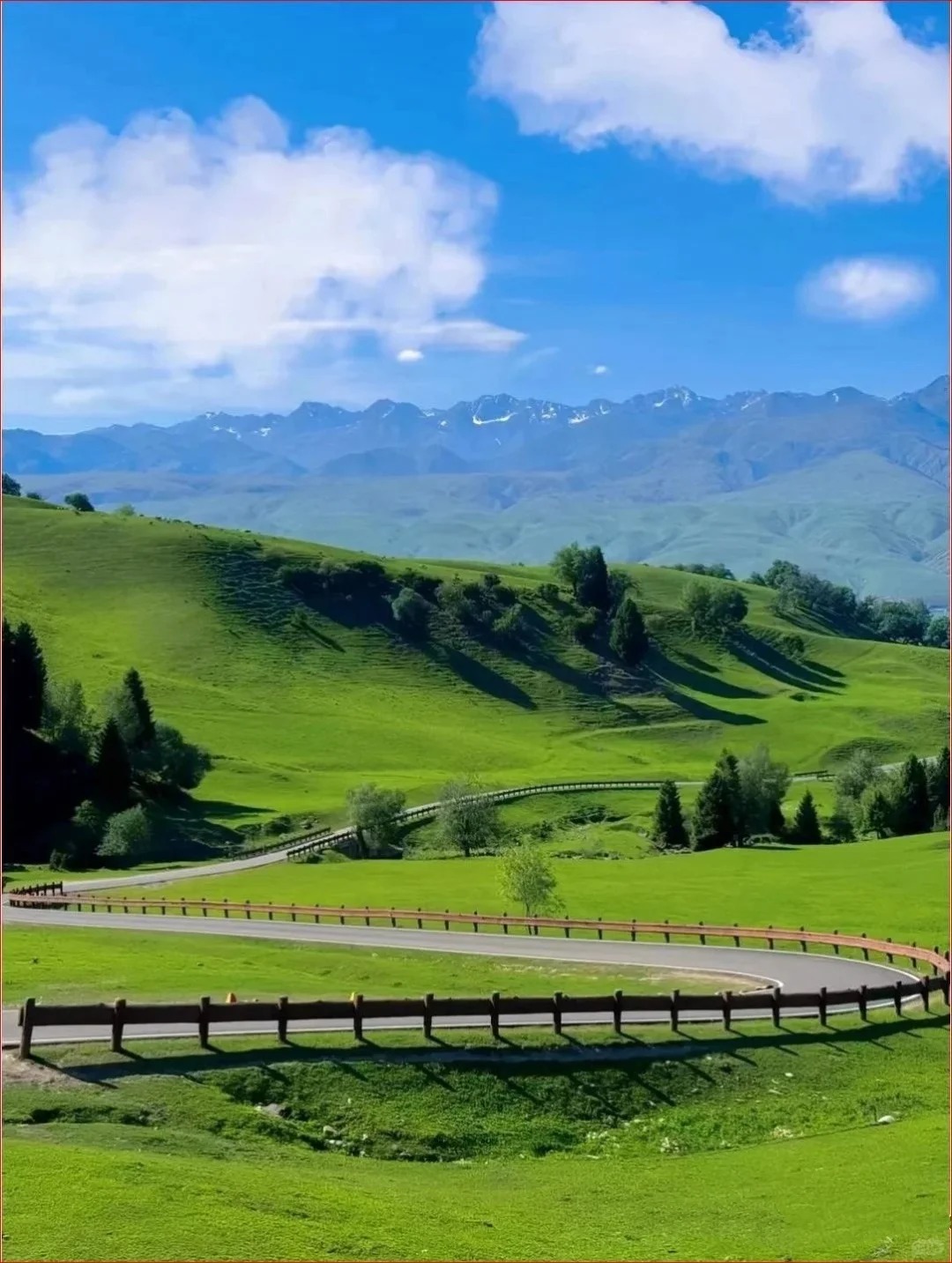
I arrived in Narat after a long drive through the winding river valleys of the Ili River basin. As the car climbed higher, the trees thinned out, and suddenly, the world opened up into an endless expanse of green. It wasn’t the manicured green of a golf course; it was a wild, lush, living green that rolled over the hills like a velvet sea.

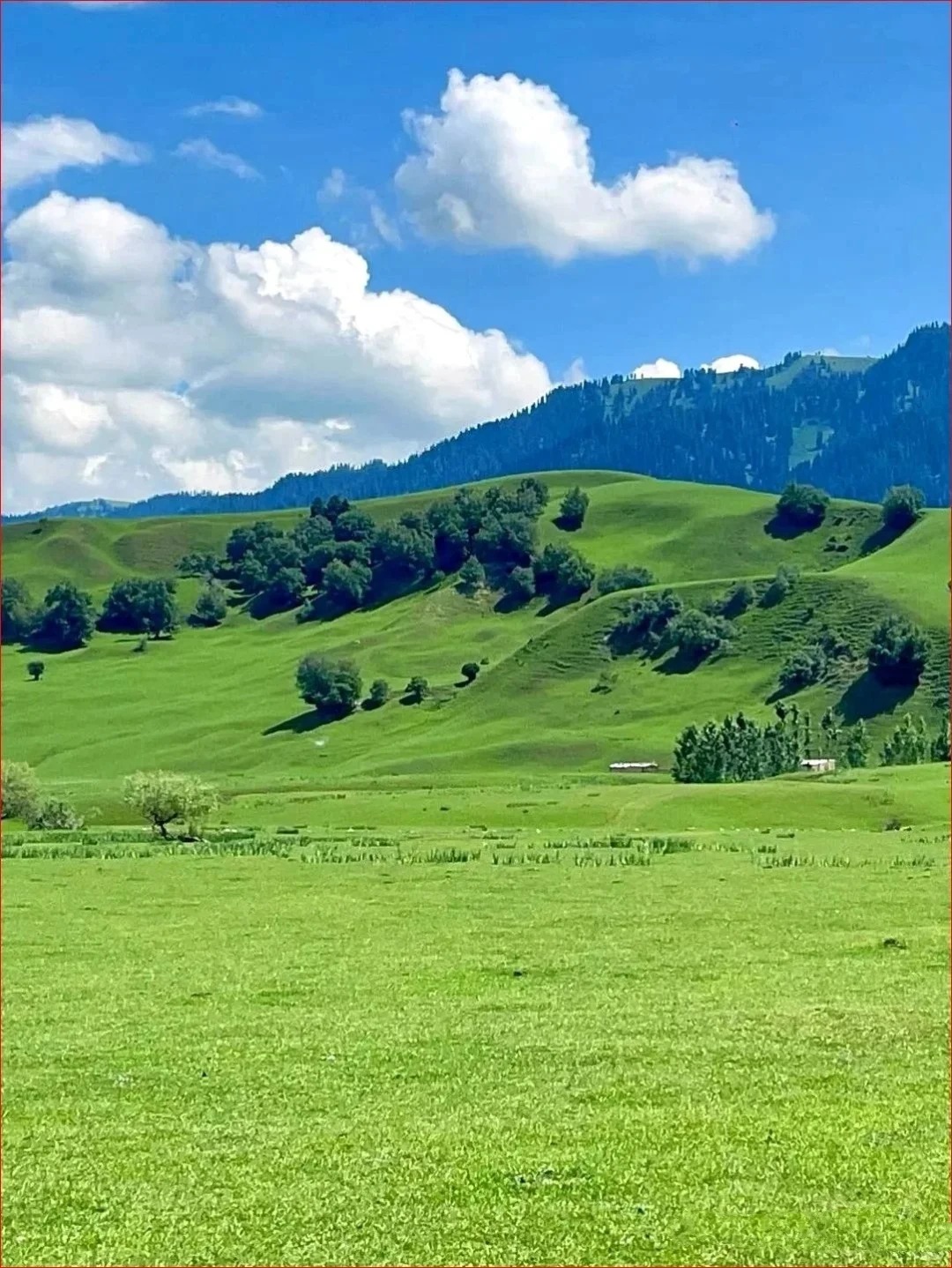
The Narat Grassland is one of the famous sub-alpine meadows of the world. It is located in the river valley, sandwiched between mountains. I have been to grasslands in Inner Mongolia, which are flat and stretch to the horizon. Narat is different. It is a landscape of slopes and ridges, of deep valleys and high peaks covered in pine forests. It feels like a landscape painted by a romantic poet.
I decided to explore the grassland on horseback. There is no better way to experience the steppe. You cannot truly feel the rhythm of the land from the window of a tour bus. My horse was a sturdy, chestnut-colored Kazakh stallion, slightly temperamental but steady. As I mounted and began to ride, the sway of the horse’s gait connected me physically to the earth. We rode along the ridges, the wind rushing past my ears.
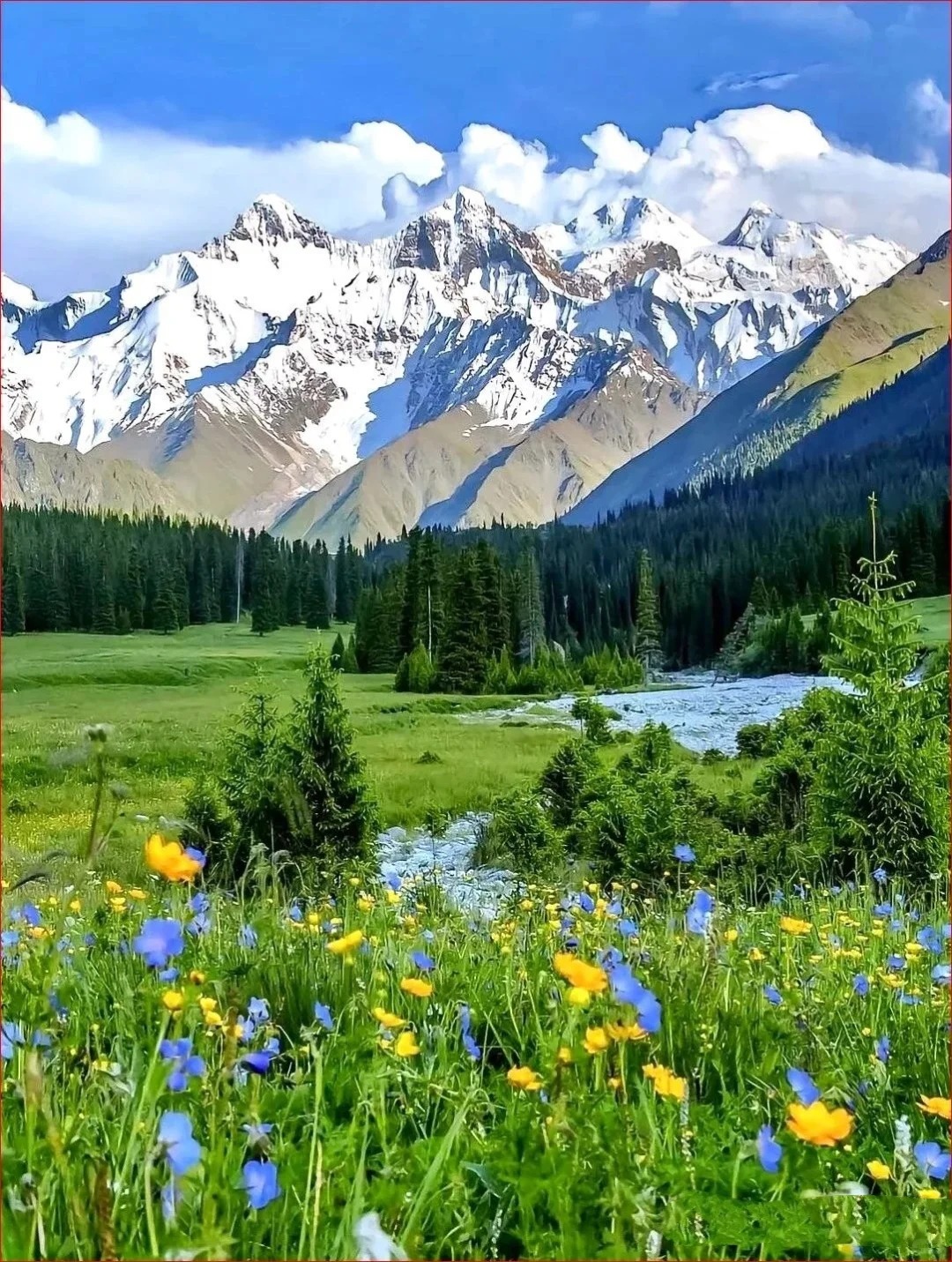
The smell of the grassland is intoxicating. It is a mixture of crushed grass, wild herbs, and the faint scent of livestock. In the summer, the grassland is a riot of color. Purple irises, yellow buttercups, and delicate white edelweiss dot the landscape. It is said that there are over a hundred species of wildflowers here. I rode slowly, stopping often to just breathe it all in.
One of the most magical moments occurred when we rode into a patch of mist. The weather in the mountains changes rapidly. One minute it is sunny, the next you are surrounded by clouds. The mist swirled around the horses’ legs, giving the scene an ethereal, ghostly beauty. It felt like we were riding into a fairy tale. The silence of the mist was profound, dampening all sounds except for the clip-clop of hooves and the distant call of an eagle.
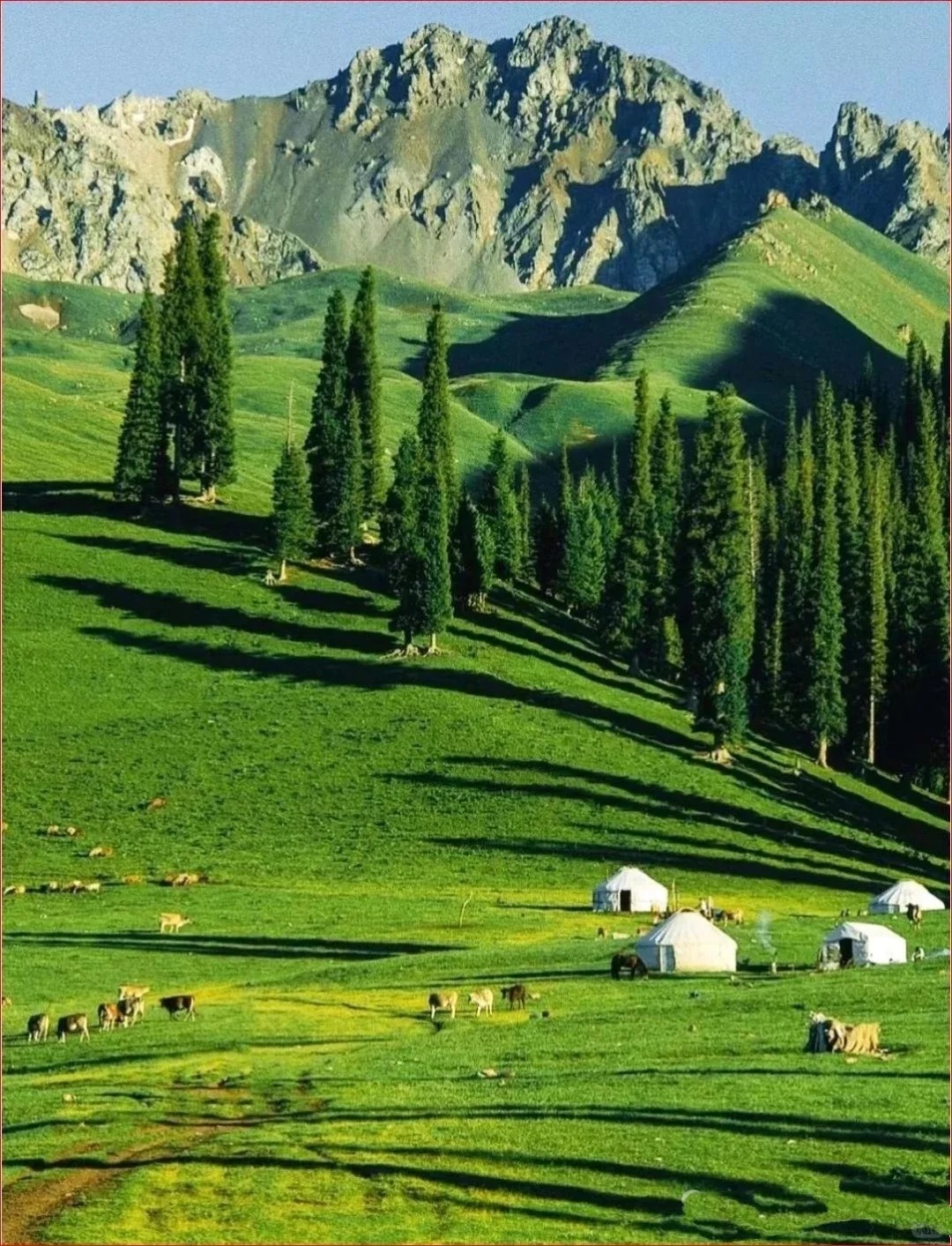
I stopped at a Kazakh settlement on the slopes. The nomads of Narat live in yurts during the summer months, moving their livestock to the higher pastures to graze. I was invited into a yurt for lunch. The hospitality of the Kazakh people is legendary. As soon as I entered, I was offered tea and then a bowl of lamb stew. The meat was boiled simply, seasoned only with salt and the wild onions the sheep eat. It was the most delicious lamb I have ever tasted—tender, flavorful, and game-free.
My host, a man named Tursun, sat with me and told me about the history of the valley. He pointed to the distant mountains and told me the legends of the bandits and heroes who once roamed these hills. But more interestingly, he spoke of the changes in modern life. He showed me his smartphone, which he uses to sell livestock and track the weather. It was a fascinating blend of the ancient and the modern. Outside, the sheep grazed as they have for thousands of years, while inside, the world was accessible via Wi-Fi.
In the afternoon, I hiked up to a high viewing platform to get a panoramic view of the famous “Sky Grassland.” From here, the scale of Narat is truly breathtaking. The river snakes through the valley like a silver thread. The yurts look like white mushrooms scattered on a green tablecloth. The pine forests on the mountain slopes provide a dark green contrast to the bright grass.
As the sun began to set, the grassland turned golden. The shadows lengthened, and the temperature dropped rapidly. I sat on a ridge, watching the herders bring their flocks back to the yurts for the night. The sound of bleating sheep filled the air, a chorus of homecoming. It was a scene straight out of the 13th century, untouched by the rush of the 21st.
That night, I stayed in a guest yurt. Sleeping on the grassland is an experience in itself. The ground is hard, the blankets are heavy, and the silence is absolute. I woke up in the middle of the night and stepped outside. The sky was a canvas of diamonds. Being at a high altitude with no light pollution, the Milky Way was a bright, sweeping arch across the heavens. I stood there, freezing in my pajamas, staring up, feeling incredibly small yet incredibly connected to the universe.
Leaving Narat was difficult. The grassland has a way of slowing down your internal clock. In the city, we measure time in minutes. On the grassland, time is measured by the movement of the sun, the grazing of the sheep, and the flow of the river.
I realized that Narat Grassland is not just a tourist attraction; it is a living, breathing ecosystem and a way of life that is slowly fading. To witness it now, to ride through its hills and share tea with its people, is a privilege. It is a reminder that beauty doesn’t have to be dramatic or dangerous. Sometimes, beauty is just endless green, a gentle breeze, and the freedom to roam.
If you go to Narat, do not just stay for an hour. Stay for a day or two. Ride a horse. Eat the lamb. Sleep in a yurt. Let the “place where the sun shines” warm your spirit. You will leave with a sense of peace that you can only find when you are truly alone with nature.