In the eastern part of Inner Mongolia, there is a place where the last ice age did not just pass through; it lingered, danced, and left its signature etched across hundreds of square kilometers in granite. This is Keshiketeng World Geopark, a UNESCO site that felt less like a park and more like walking through the private art gallery of a giant—a giant with a fondness for monumental, abstract sculpture. I visited in September, when the steppe grass was turning tawny and the skies were a fierce, clear blue.

The centerpiece is the "Asihatu Granite Forest." Arriving there feels like landing on another planet. Before you stretches a vast field of towering stone pillars, some over 20 meters high, weathered into fantastical shapes. Our guide, a young Mongolian woman with a degree in geology, explained they were formed by millennia of freeze-thaw cycles and wind erosion on jointed granite. But scientific explanation gave way to pure imagination. "Look," she said, pointing. "That's the 'General on a Steed.' Over there, 'Seven Fairies.' And that one, we call 'the Camel.'" And suddenly, the stone army came to life. I spent hours weaving through the narrow passages between the monoliths, the sun casting sharp, moving shadows. The wind whistled through the canyons, creating an eerie, natural music. It was humbling to touch rock that had been shaped not in years or centuries, but in tens of thousands of winters.

Another day, I drove to the Huanggangliang area, one of the highest peaks in the Greater Khingan range. After a steep hike, I stood on a ridge overlooking a U-shaped glacial valley. It was a textbook diagram made real: the wide, flat floor, the steep, smoothed sides—all carved by a river of ice that vanished eons ago. I shared the viewpoint with a flock of sheep and an elderly herder who was dozing in the sun. The scale of time here was disorienting. The herder's life, my life, were mere blinks against the patient, grinding work of the glacier.
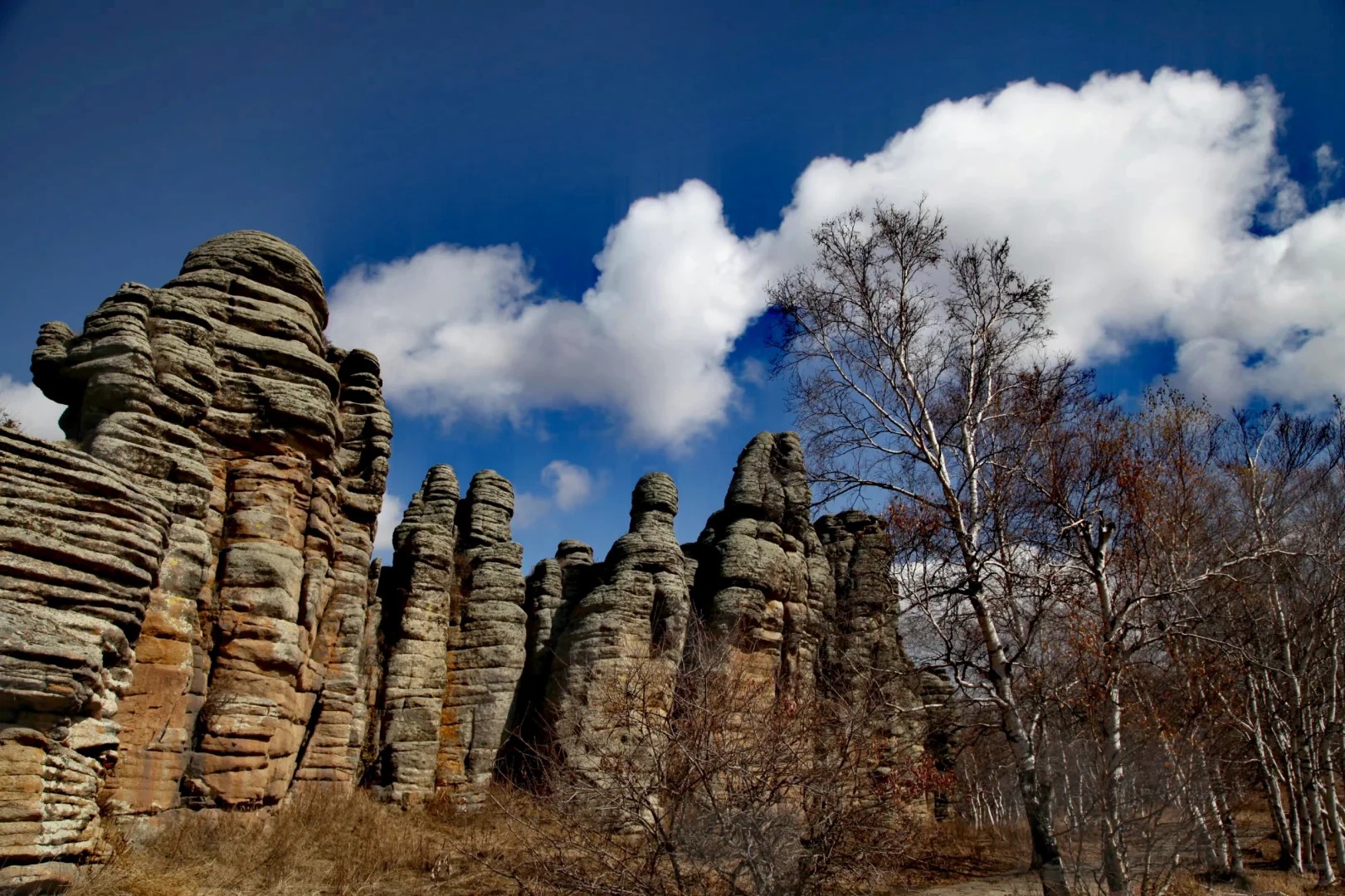
My most unexpected delight was found not in grandeur, but in miniature: the "Pebble River" at the bottom of a gorge. Instead of sand, its bed was paved with billions of perfectly round, smooth pebbles of white granite, each about the size of a potato. The clear, icy water burbled over them. I sat and let the water run over my hands, picking up a few pebbles. They were cool and flawless, tumbled smooth over
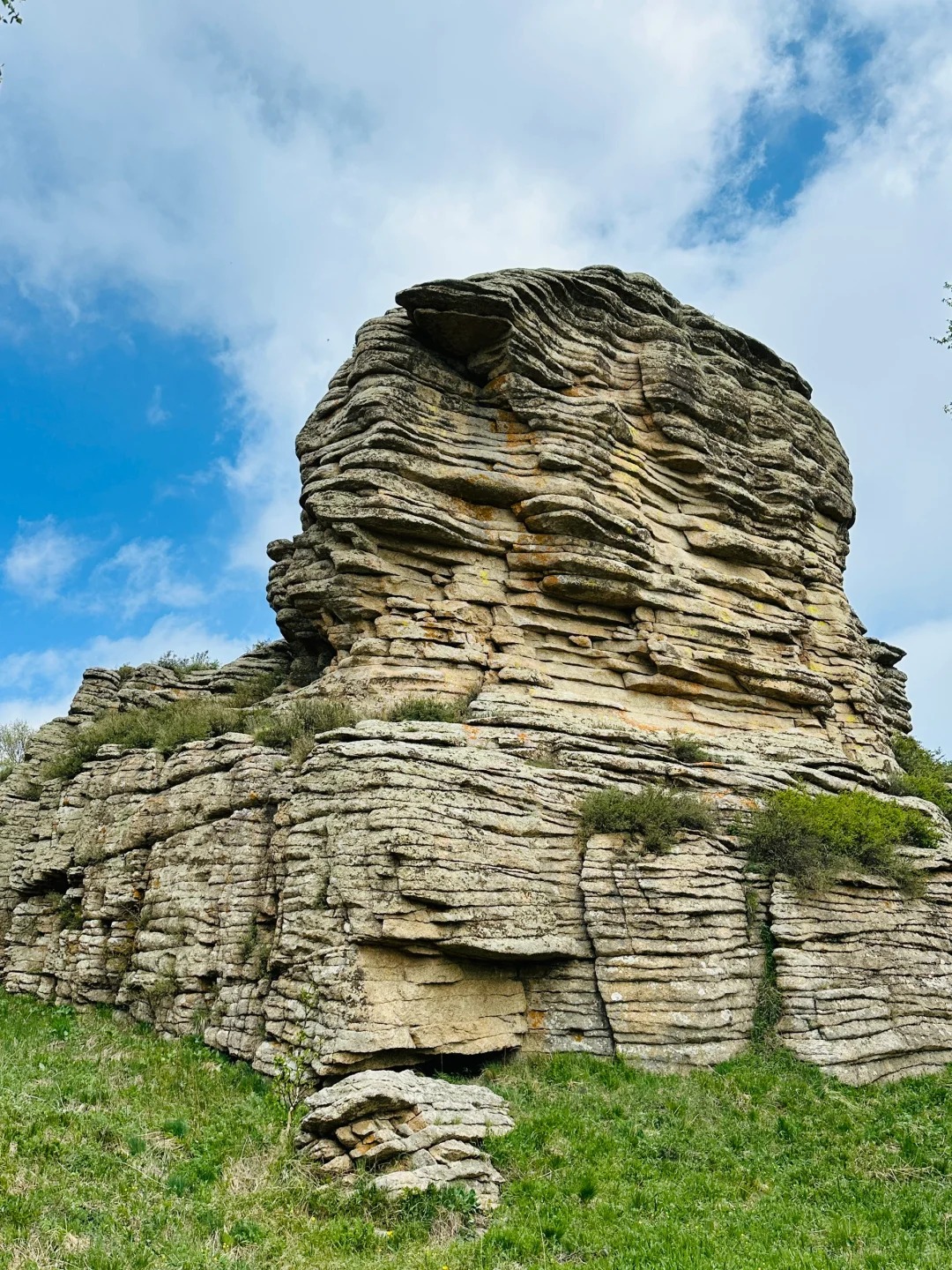
countless miles by ancient water. I put them back. They belonged here, in this poem written by ice and time. Keshiketeng doesn't shout for your attention. It asks you to slow down, to look closely, to let the staggering age of the land seep into your bones. You leave not with adrenaline, but with a quiet, grounding sense of your place in deep time.