To talk of Chengdu travel is, inevitably, to talk of a love affair with your own taste buds—a thrilling, often terrifying, and ultimately addictive romance. My journey to the capital of Sichuan was charted not by museums or temples first, but by a map of aromas: the piercing scent of dried chilies hitting hot oil, the citrusy perfume of Sichuan peppercorns, and the earthy, comforting smell of fermented beans. This was a pilgrimage to the epicenter of mala—the numbing-and-spicy holy trinity that defines one of the world's greatest cuisines.
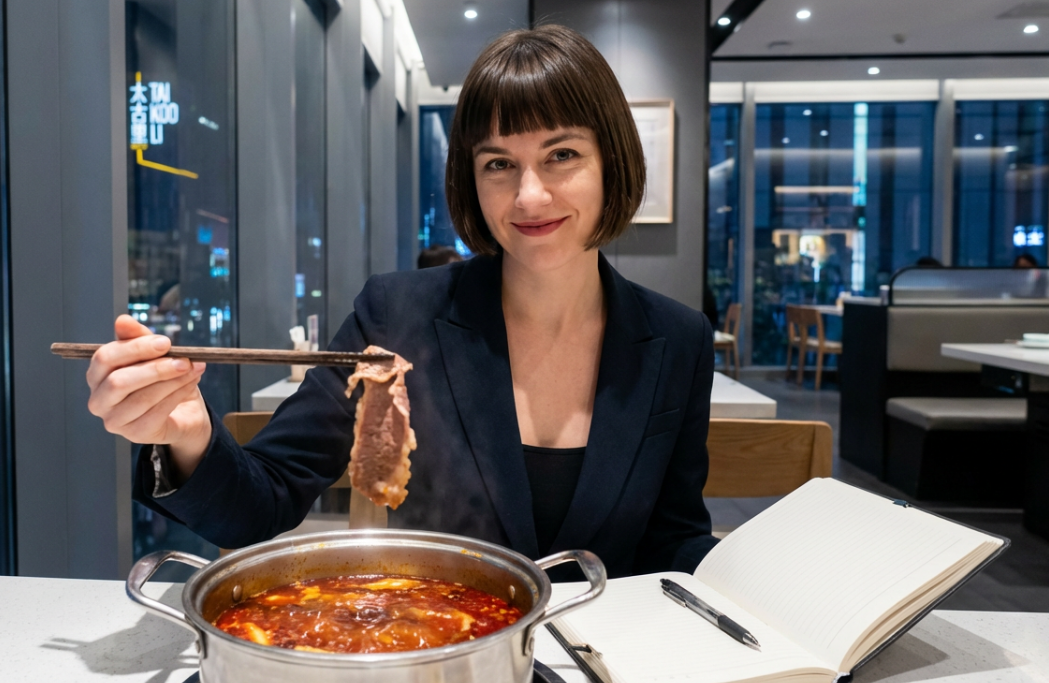
The initiation is mandatory: Hotpot. I skipped the glittering chains and let my nose guide me down a humid alley near my hostel. The scene was chaotic perfection—round tables packed with families and friends, each centered around a bubbling, split-pot cauldron. I pointed to a neighboring table, signaling "I'll have what they're having." The red broth, a lava flow of chilies and floating peppercorns, promised pain and transcendence. The clear broth, with goji berries and scallions, was my planned sanctuary. I learned the ritual: thin slices of beef dipped for mere seconds in the red oil, then into the sesame oil and garlic dip to cool. The first bite was an explosion. The fiery heat (la) surged, then just as it became intense, the heavenly numbness (ma) from the peppercorns fanned across my tongue, creating a buzzing, euphoric sensation. It wasn't just eating; it was a thrilling, full-body experience shared with a roomful of cheerful, sweating strangers.
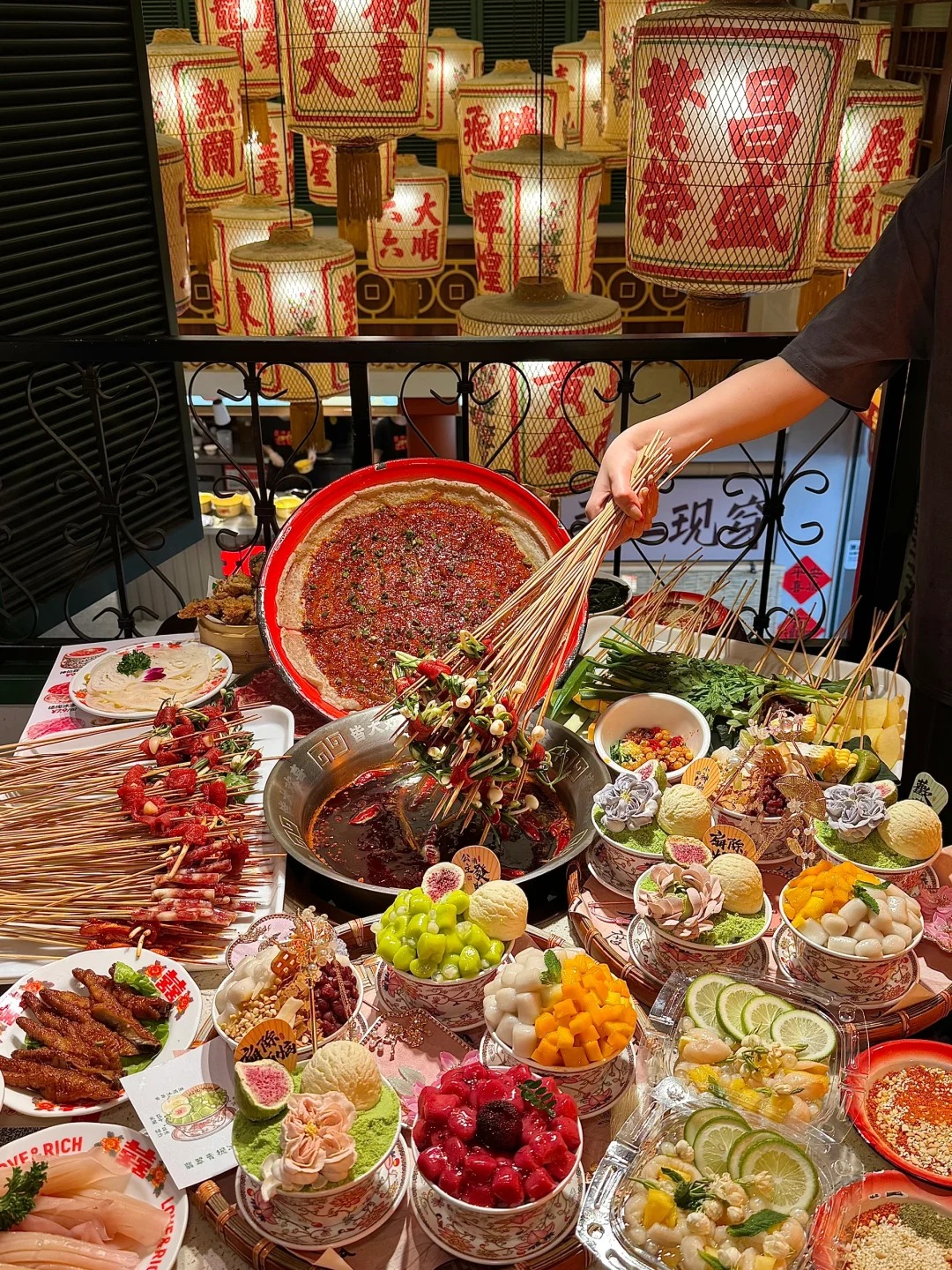
But Chengdu's genius lies in its nuance. For breakfast, I joined the queue at a fly restaurant for Dan Dan Noodles. The server assembled it in seconds: noodles, a ladle of minced pork, chili oil, Sichuan pepper, and preserved vegetables. The magic was in the mixing. Each strand became coated in a slick, fiery, nutty, and slightly sweet sauce that was utterly moreish. It was a humble dish of profound complexity.
Then came the legendary Mapo Tofu. At "Chen Mapo Tofu," a shrine to the dish, I was served a steaming clay bowl. The silken tofu cubes trembled in a sinister-looking, thick scarlet sauce laden with minced beef, fermented black beans, and, of course, layers of chili and pepper. The first spoonful over rice was a revelation. The tofu's delicate coolness melted against the sauce's aggressive, aromatic punch. It was brutally spicy yet comforting, messy yet elegant—a perfect culinary contradiction.
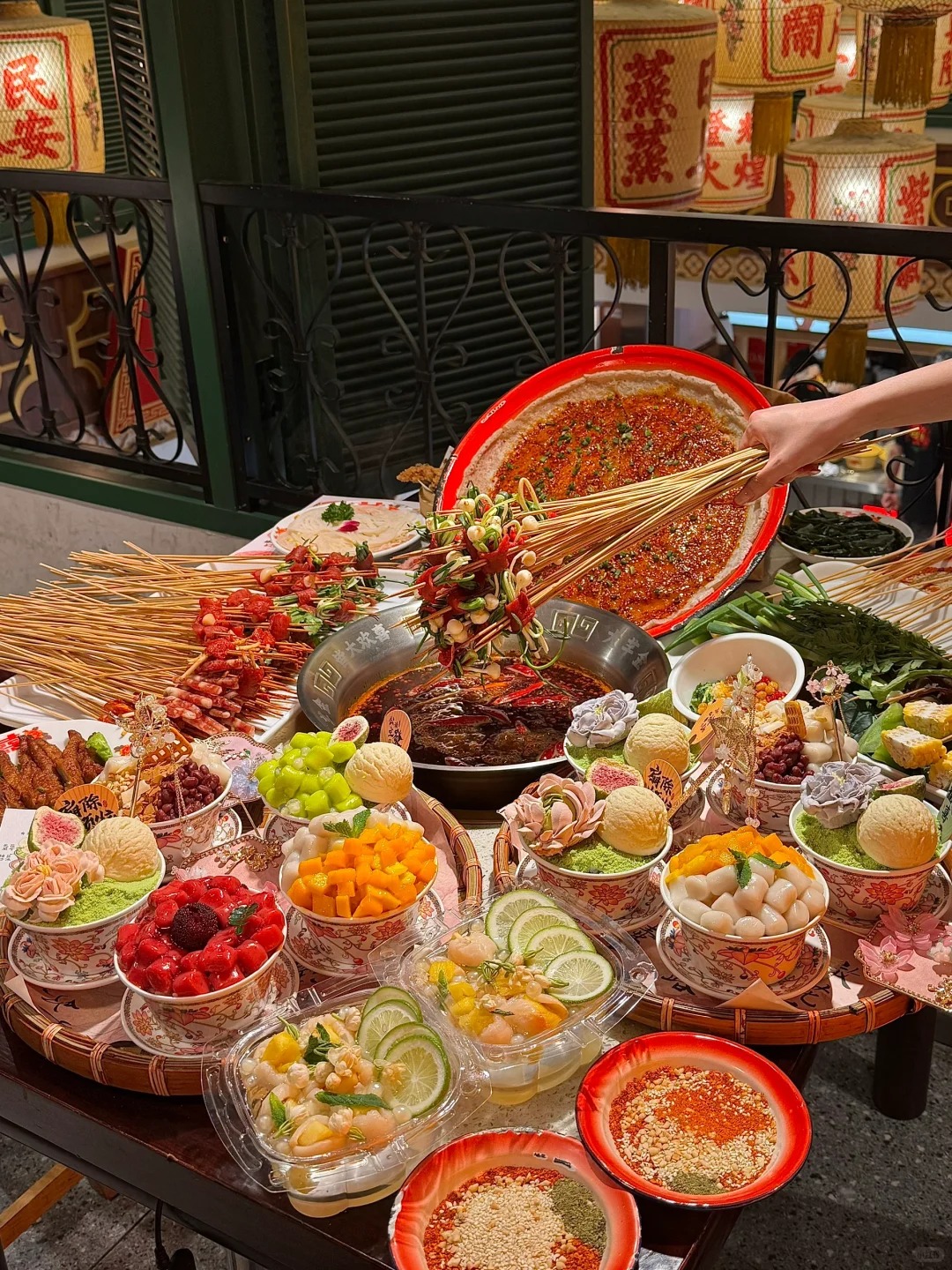
Chengdu travel isn't all fire. I found solace in "sweet water noodles" (Tian Shui Mian) and the delicate, broth-filled dumplings called Zhong Shui Jiao. And no day was complete without visiting a tea house. In People's Park, with a cup of jasmine tea, I watched the world go by, letting the mala sensation gently fade into a pleasant, lingering tingle, a culinary echo of the day's adventures.
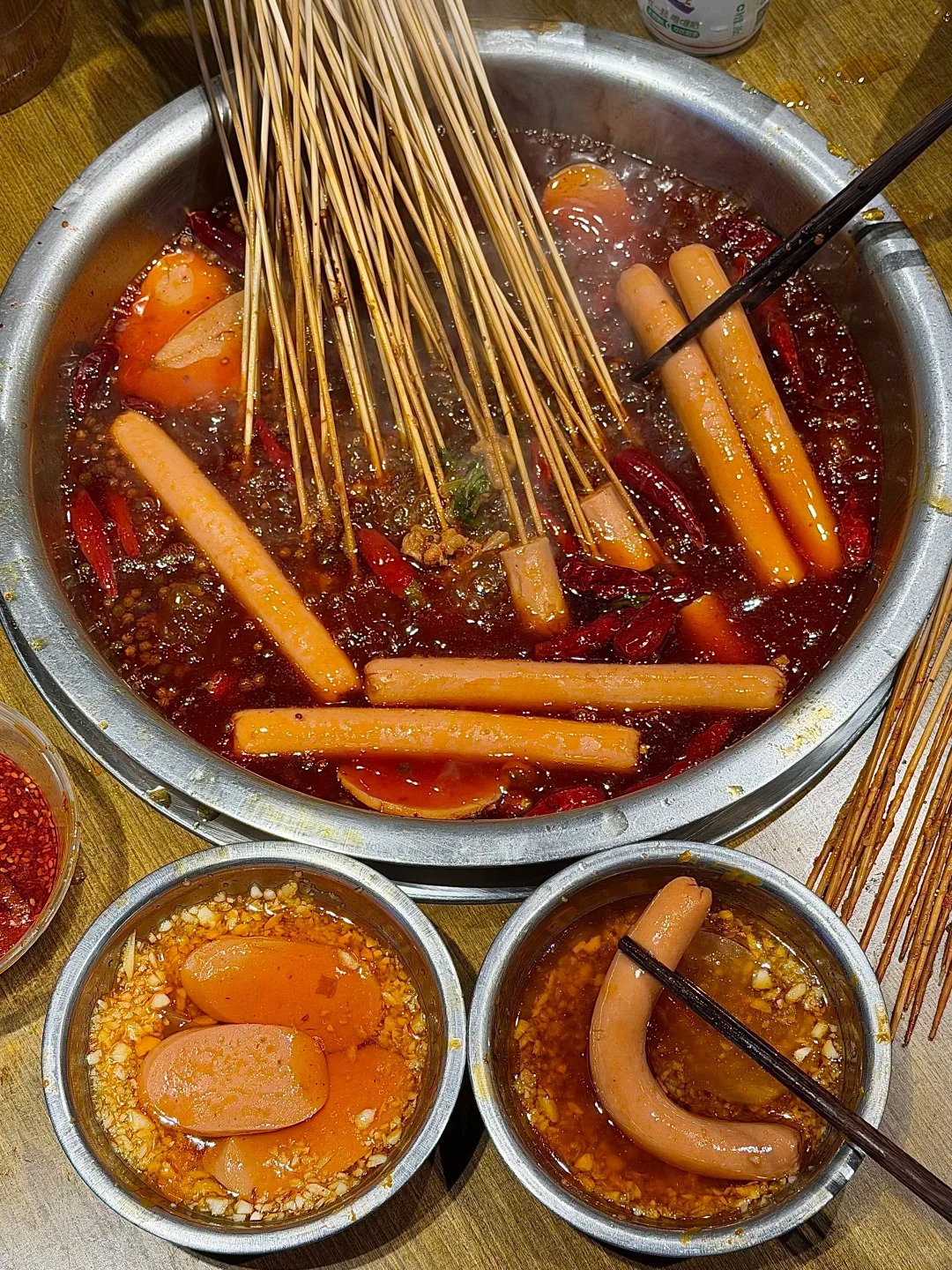
The true lesson of Chengdu's food scene is its democratic spirit. The best meals weren't in fine-dining establishments but on plastic stools, in noisy rooms where the only decoration was the evidence of a good meal—piles of discarded napkins and empty bottles. It’s a cuisine of bold contrasts, designed to be shared, discussed, and survived. To travel through Chengdu is to submit your palate to a thrilling symphony conducted with chili and peppercorn, leaving you with lips forever humming and a profound craving to return to the source.