Everyone arrives in Chengdu with a checklist. The pandas, of course, sit triumphantly at the top. I was no different. My first morning was a pilgrimage to the Chengdu Research Base of Giant Panda Breeding. Watching those fuzzy, languid creatures munch on bamboo was a delight, a tick in the box. But as I left the greenery of the base and merged back into the city’s humid, aromatic air, I realized the true Chengdu wasn't on any checklist. It existed in the rhythm between the sights—in the tea-scented pauses, the sudden gusts of chili-laden wind from an alley, and the slow, smiling exchanges in a dialect that sounded like a melody.
This is the itinerary that found me, an unfolding narrative of taste, sound, and timeless calm.

Day 1: Arrival & The Language of Heat
I dropped my bag at a quiet guesthouse within a hutong-like lane. The mission was immediate: immerse in the city's lingua franca—the language of spice. I bypassed the glamorous hotpot chains and followed the sound of sizzling oil and boisterous chatter down a narrow alley. There, I found a cavernous room filled with locals around bubbling, split-pot cauldrons. The red half, a volcanic lake of chili and Sichuan peppercorns, promised numbness (ma); the clear broth side, a sanctuary. My first bite of thinly sliced beef from the red oil was a revelation. It wasn't just pain; it was a symphony. The fiery chili (la) hit first, then the citrusy, electric numbness from the peppercorns fanned across my lips, leaving a tingling, euphoric buzz. Dinner wasn't a meal; it was an initiation.
Day 2: Whispers of History & The People’s Park
I began at the Wuhou Shrine, a serene complex dedicated to Zhuge Liang, the brilliant strategist of the Three Kingdoms era. The red walls, ancient cypress trees, and quiet pavilions offered a contemplative start. But history in Chengdu isn't always silent. Just a short walk away, the Wenshu Monastery hummed with a different energy. The scent of incense mixed with the buttery smell of its famous vegetarian pastries. I joined the queue, bought one, and ate it in a courtyard, watching monks glide past and elderly locals pray with unwavering focus.
The afternoon was for the ultimate Chengdu pastime: People’s Park. Here, time dissolves. I paid a few yuan for a bamboo chair by the artificial lake, ordered a cup of jasmine tea from a waiter with a monstrous long-spouted copper kettle, and sat. For hours. Around me, life unfolded in vignettes: parents orchestrating相亲 (xiāngqīn, marriage market) profiles for their children, groups practicing synchronized dance, old men hunched over intense games of mahjong, and the constant, gentle clink of teacup lids. This wasn't tourism; it was participation in the city's slow, steady heartbeat.

Day 3: The Poetry of Dujiangyan & A Night of Sichuan Opera
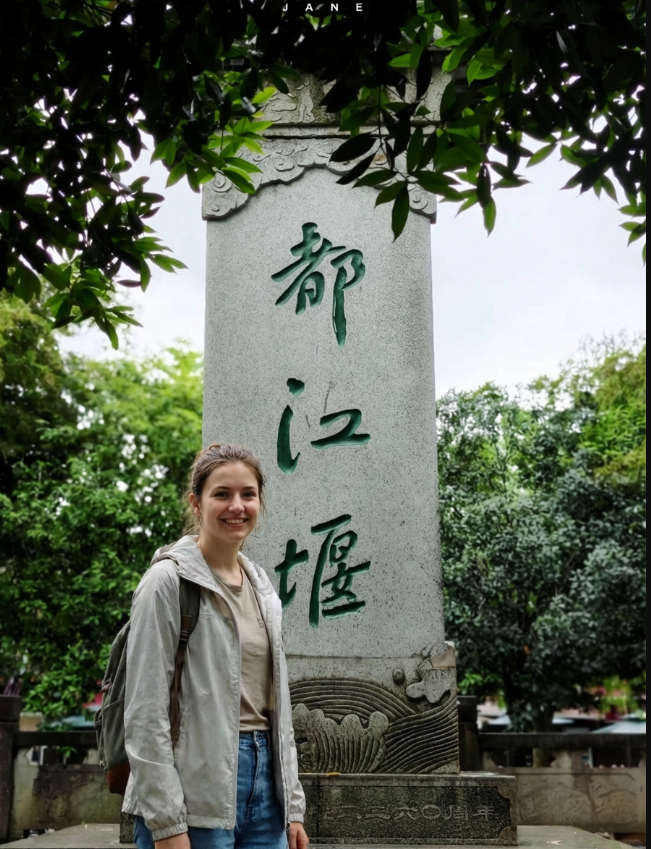
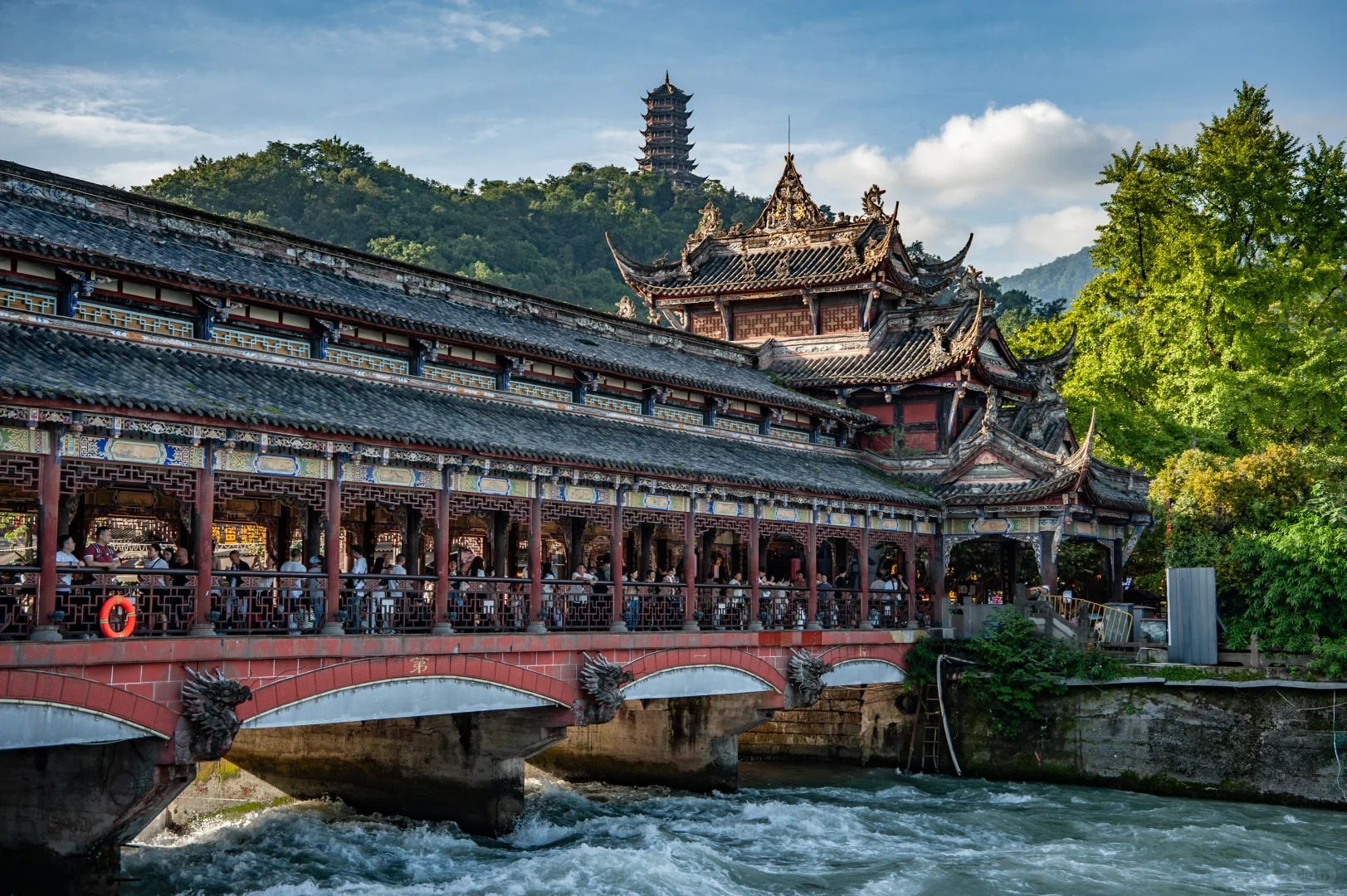
I ventured an hour outside the city to the Dujiangyan Irrigation System. This was no mere relic; it's a 2,300-year-old working masterpiece of hydraulic engineering that still tames the Minjiang River. Walking across the suspended Anlan Bridge, feeling the mist from the roaring river below, I understood the genius not through textbooks, but through the sheer force of water being wisely diverted. It was a testament to harmony with nature, a concept deeply rooted in Taoist philosophy, which I felt later that evening.
Back in the city, the Shufeng Yayun Sichuan Opera was waiting. It was more than just face-changing (Bian Lian), though the rapid, magical flick of masks was breathtaking. It was a full sensory show—the clappers, the high-pitched singing, the comedic skits, and the haunting beauty of the "fire spitting" act. The performance was a vibrant, living thread connecting the ancient to the modern.
Day 4: The Artisan’s Touch & Jinli Ancient Street
I spent the morning in the Kuanzhai Alley (Wide and Narrow Alleys) area. While the main lanes are polished for tourists, I ducked into the smaller, interconnected alleys. In a tiny, sunlit workshop, I watched a silversmith hammering intricate patterns onto a hairpin. Further on, an old man carefully painted the faces of traditional Shu embroidery puppets. These were the quiet custodians of Chengdu's craft soul.
By evening, I headed to Jinli Ancient Street as the lanterns flickered on. Yes, it was crowded and commercial, but under the glow of red lanterns, with the smell of sizzling snacks (like zhangcha duck and sweet san da pao rice balls) filling the air, it possessed a theatrical charm. It was a delicious, bustling dream of old Chengdu.
Day 5: A Culinary Deep Dive & Parting Thoughts
My final day was a dedicated food crawl. I started with dandan mian (noodles in a spicy, nutty sauce) from a stall with just five stools. For lunch, I sought out mapo tofu at the legendary Chen Mapo Tofu restaurant—the silken tofu in that fiery, numbing, bean-paste-laden sauce was a masterpiece of balance. My last meal was the simplest: a bowl of hongyou chaoshou (wontons in red oil) at a neighborhood joint, each delicate dumpling coated in a fragrant, spicy oil that lingered on the palate long after I'd finished.
As I rode to the airport, my lips still faintly tingling, I realized my Chengdu itinerary had never been about racing between points on a map. It was about the space between. It was the hour spent watching koi in a temple pond, the shared smile with a stranger over a too-spicy bite, the profound calm of a tea-filled afternoon. Chengdu teaches you that the richest travel experiences are often the unscheduled moments where you simply sink into the city’s own, wonderfully slow and flavorful rhythm. The pandas were unforgettable, but they were just the overture to a much deeper, more captivating symphony.