My fascination with Xi'an began not in a history book, but in the palpable energy of its streets. This is not merely a city on a map; it is the very heartbeat of China's ancient soul. Placed almost at the geographical center of the country, Xi'an’s location is its destiny. From here, the Qin Mountains rise to the south, and the Loess Plateau stretches to the north, forming a natural fortress that cradled dynasties.
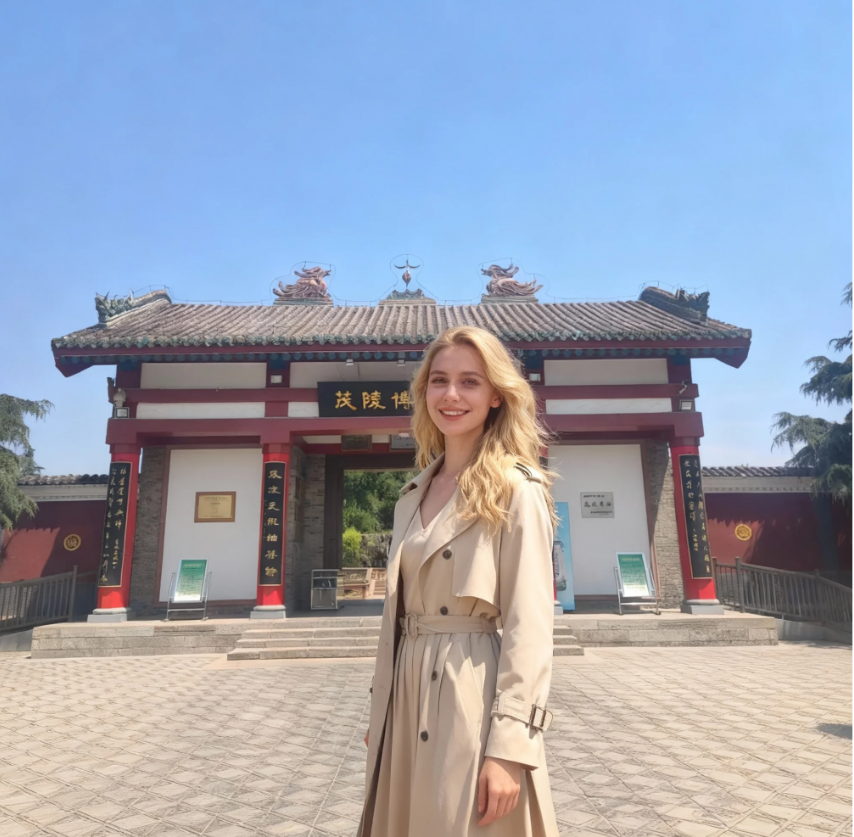
I remember standing for the first time on the massive ramparts of the City Wall, looking inward at the orderly grid of streets within and outward at the modern sprawl beyond. It was a lesson in geography and history written in stone and skyline. This city, known historically as Chang'an, was the eastern terminus of the Silk Road. From this point, camel caravans laden with silk, porcelain, and ideas embarked on their epic journeys westward, while Buddhism, Islam, and new technologies flowed in. The city's layout—with its cardinal-direction gates and central Bell and Drum Towers—was a cosmological statement, an attempt to align human order with the heavenly.
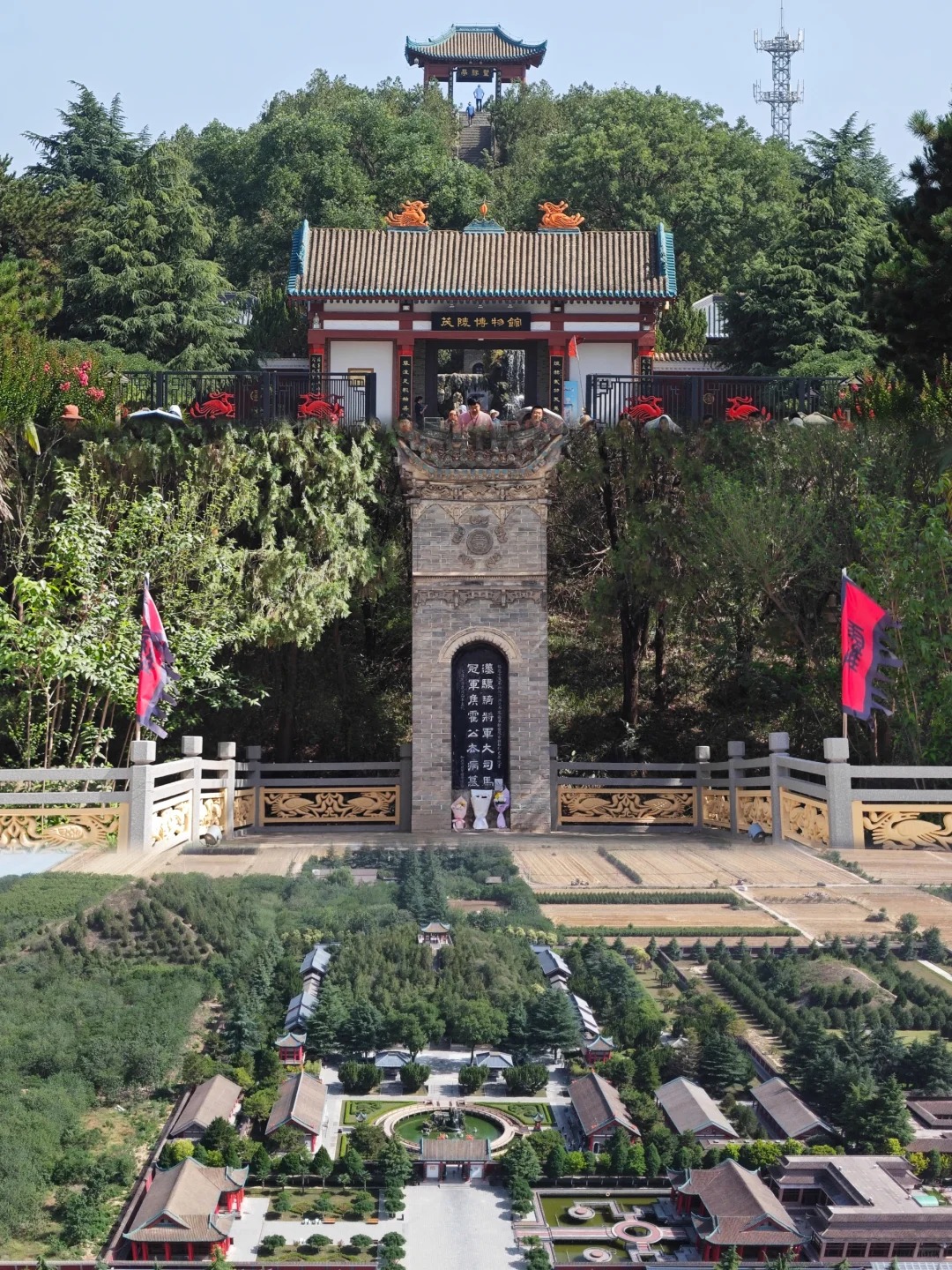
But Xi'an's geography offers more than historical context; it provides sensory adventure. One misty morning, I cycled along the winding road up to the Hanyao Ling tombs. The air grew crisp, and the city below vanished into a sea of cloud. Up here, amidst the silent burial mounds of Han emperors, you feel the profound weight of the "Middle Kingdom" concept—a civilization viewing itself as the center of the world, protected and defined by its surrounding mountains and rivers. The fertile Wei River Valley, which nourished Xi'an for millennia, spreads out like a green tapestry from this vantage point.
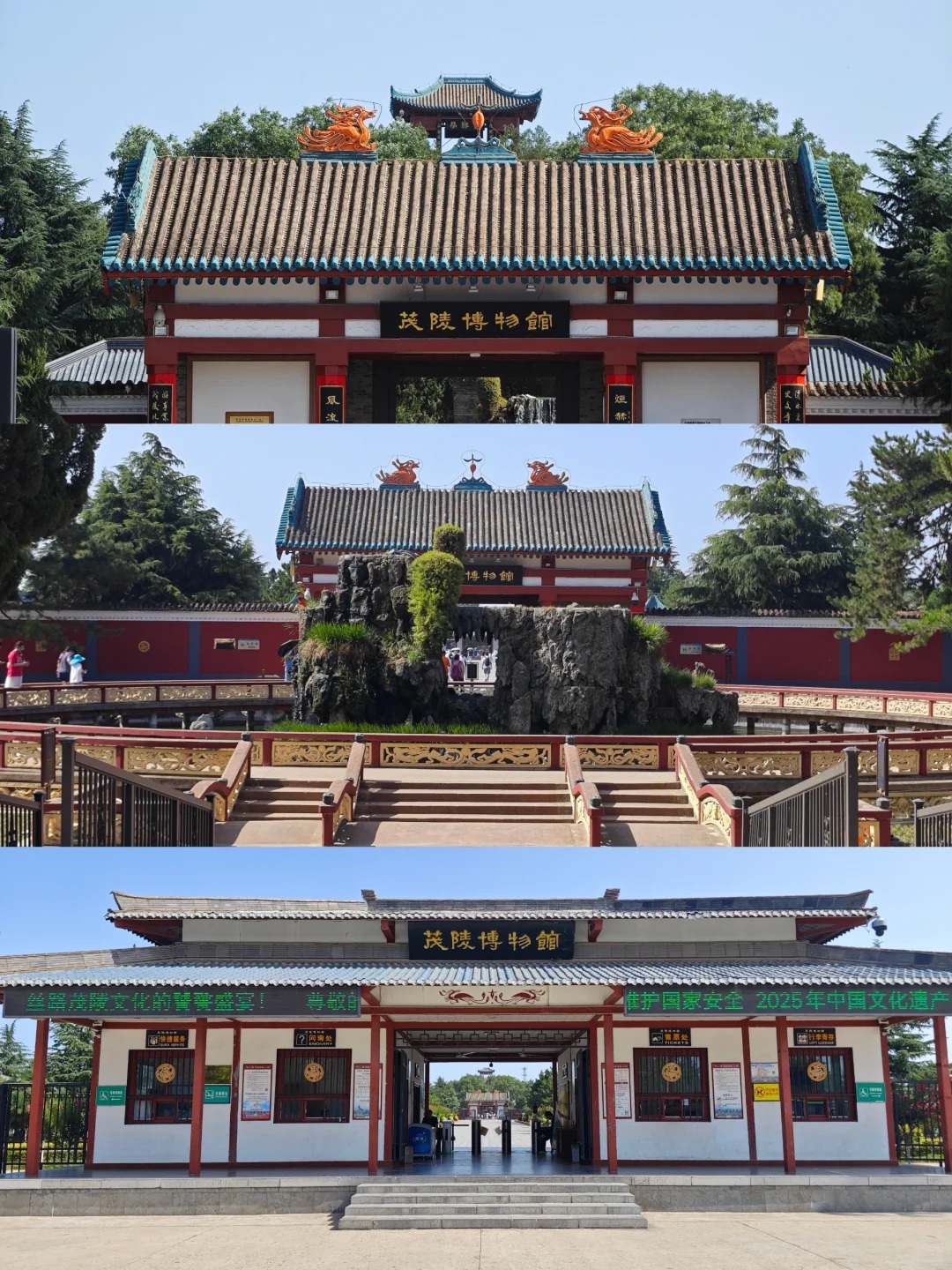
For the modern traveler, understanding Xi'an's place on the map is key to unlocking its narrative. The city serves as the perfect gateway to explore the historical tapestry of Shaanxi province, from the Yan'an revolutionary sites in the north to the serene Huashan mountains to the east. Its central location makes it a crucial transport hub, but its true significance lies in how its geography forged an empire and facilitated a dialogue between civilizations that shaped the world. Xi'an isn't just in the center of China; for centuries, it was the center.