History books can feel abstract, filled with dates and statistics. But walking through the front door of Mao Zedong’s Former Residence in Shaoshan, history suddenly becomes concrete, tactile, and incredibly human. Located in the lush green hills of rural Hunan, this modest mud-brick farmhouse is where the “Great Helmsman” of China was born and spent his childhood.

The journey to Shaoshan itself is beautiful. The road winds through terraced fields and hills dotted with bamboo. When I arrived, the first thing I noticed was the atmosphere of reverence. Despite the large number of visitors—people from all over China come here to pay their respects—there was a hushed, respectful tone as people lined up.
The house is a traditional U-shaped structure, typical of wealthy farming families in the late 19th century. As I stepped over the raised wooden threshold, the air felt cool and smelled of old wood. I walked through the kitchen. There was the traditional wood-fired stove and the giant wok. It was easy to imagine a young Mao Zedong, with his famous high forehead, sitting by the fire, listening to the stories of his parents. It was a stark reminder that the man who changed the fate of billions was once just a farm boy in rural China.
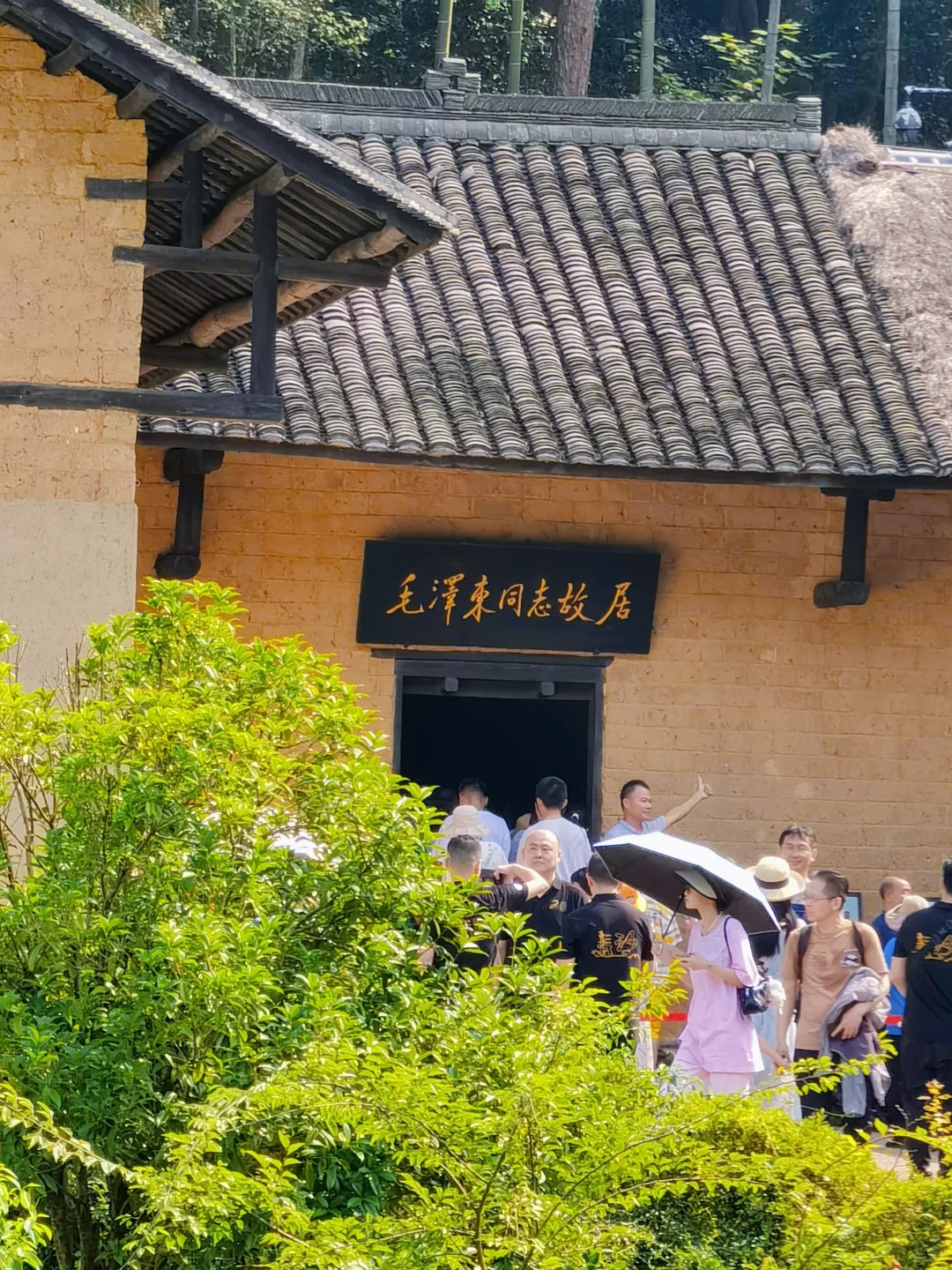
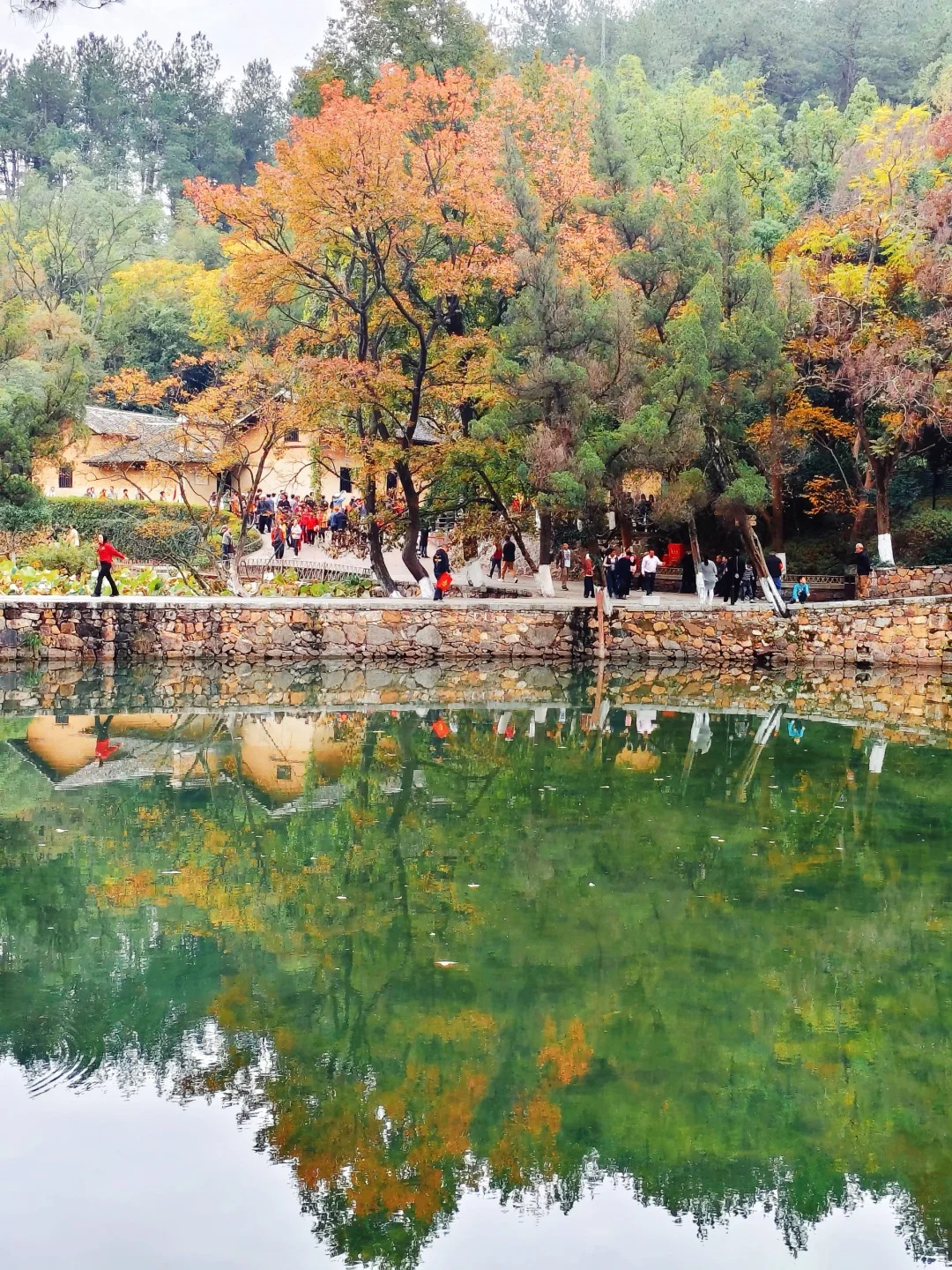
I moved into the family bedrooms. The furniture was simple, wooden, and worn. In Mao’s room, the bed was small. It was a humble beginning. Outside, the view is dominated by a lotus pond. Even though it wasn’t flowering when I visited, the green leaves floated peacefully on the water. This landscape shaped his early years.
What moved me most was watching the other visitors. I saw an old man, perhaps in his 80s, standing in the courtyard with tears in his eyes, murmuring a prayer. I saw young children placing bouquets of yellow chrysanthemums at the entrance. For the Chinese people, this isn’t just a tourist attraction; it’s a pilgrimage. It represents the roots of the modern nation.
Nearby is the Mao Zedong Bronze Statue Plaza, which is grand and monumental, but I found myself drawn back to the quiet of the house. Visiting Shaoshan is not about politics; it’s about understanding the human context of history. It allows you to see the humble origins of a colossal figure. It was a somber, educational, and surprisingly emotional experience that added a crucial layer of understanding to my travels in China.