To understand the Classical Gardens of Suzhou is to understand a language. It’s a vocabulary of rock, water, plants, and architecture, assembled over a millennium to form perfect, three-dimensional poems. Over several days, I didn’t just visit these gardens; I tried to learn to read them.

My teacher was an off-duty guide I met in the Lingering Garden. Mr. Chen was sketching a lattice window. “Look,” he said, pointing. “This pattern is the shou character for longevity. And the rockery behind it, see how its silhouette against the sky mimics the distant mountain peaks? That’s jiejing—borrowing the far-away view.” Under his quiet commentary, the garden transformed from a pretty space into a dense text.
Each garden has its own dialect. The Master-of-Nets Garden (Wangshi Yuan) is a masterpiece of miniature and illusion. Its central pond seems vast, but is cleverly constricted by bridges and rockeries to feel boundless. At night, it offers performances of Kunqu opera, the soft, melodic syllables floating over the dark water, just as they would have for the scholars who lived there centuries ago.
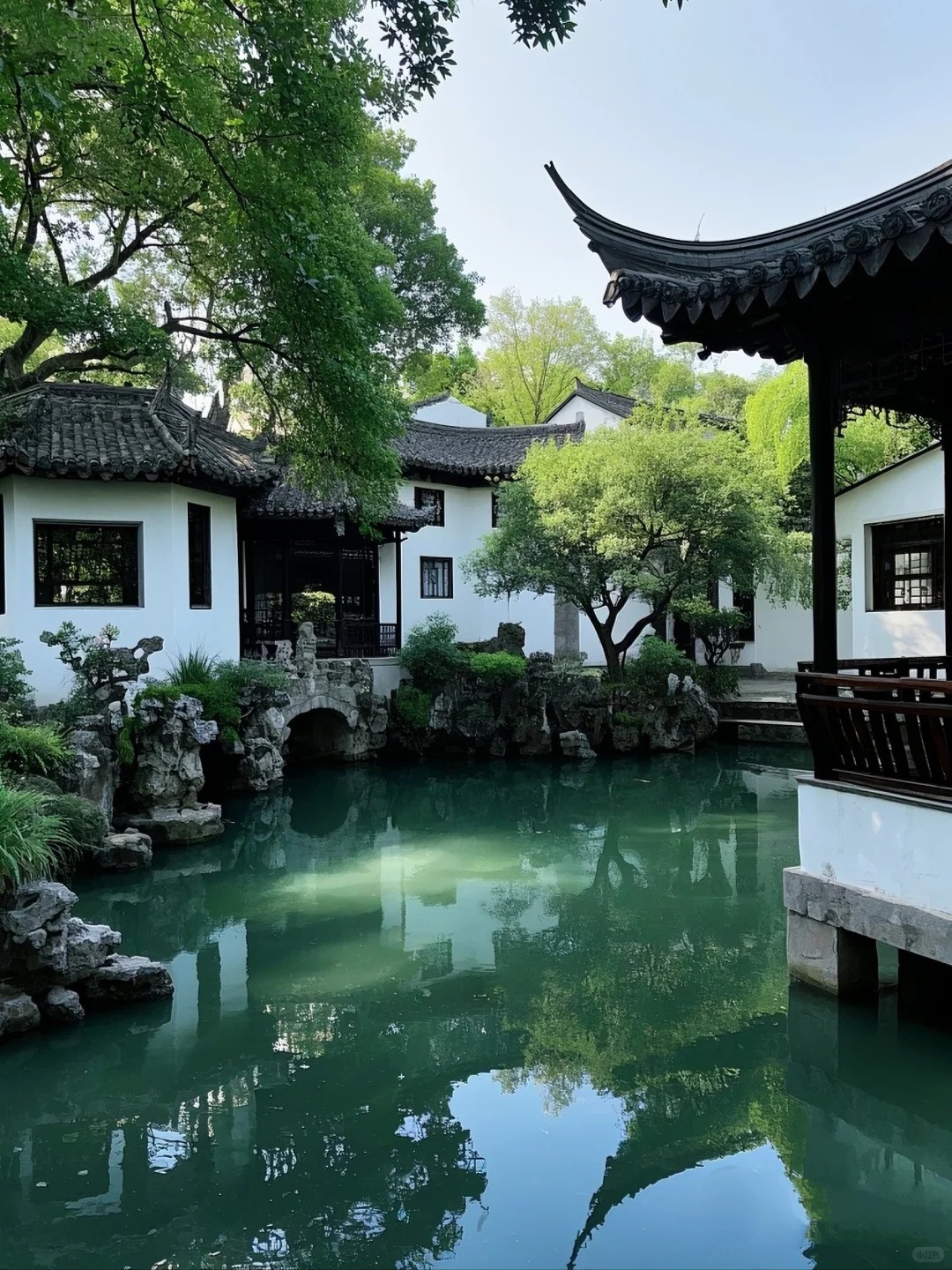
The Lion Grove Garden (Shizi Lin) speaks in the language of stone. Its labyrinth of太湖石 (Taihu Lake rocks), eroded into fantastical, writhing shapes, is meant to represent a lion’s mane or the mystical mountains of Buddhist legend. Children (and adults) giggle as they get lost in its tunnels and caves—it’s a garden that invites physical play.
The Garden of Cultivation (Yi Pu) is quieter, more scholarly. Its library and study courtyards speak of Confucian ideals. Here, the message is about self-cultivation, the bamboo outside the window a symbol of resilience and integrity.
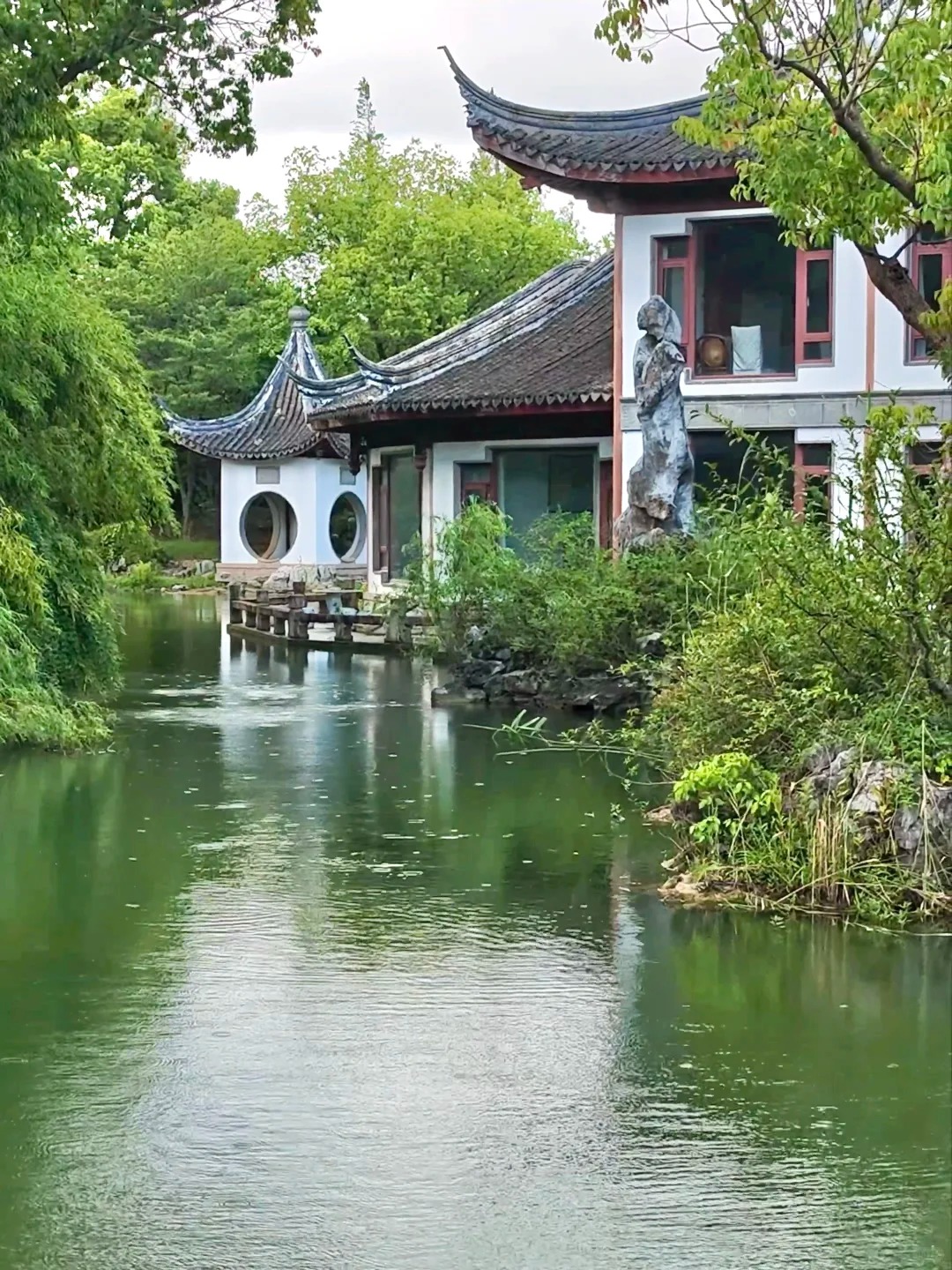
Moving between them, I began to see the grammar. Water is the lifeblood and the mirror, creating reflections that double the beauty and symbolize the unity of opposites. Rocks are the bones, representing the enduring, masculine yang principle. Plants are the flesh, the soft, changing yin. Pavilions and walkways are the eyes from which to view the composition.
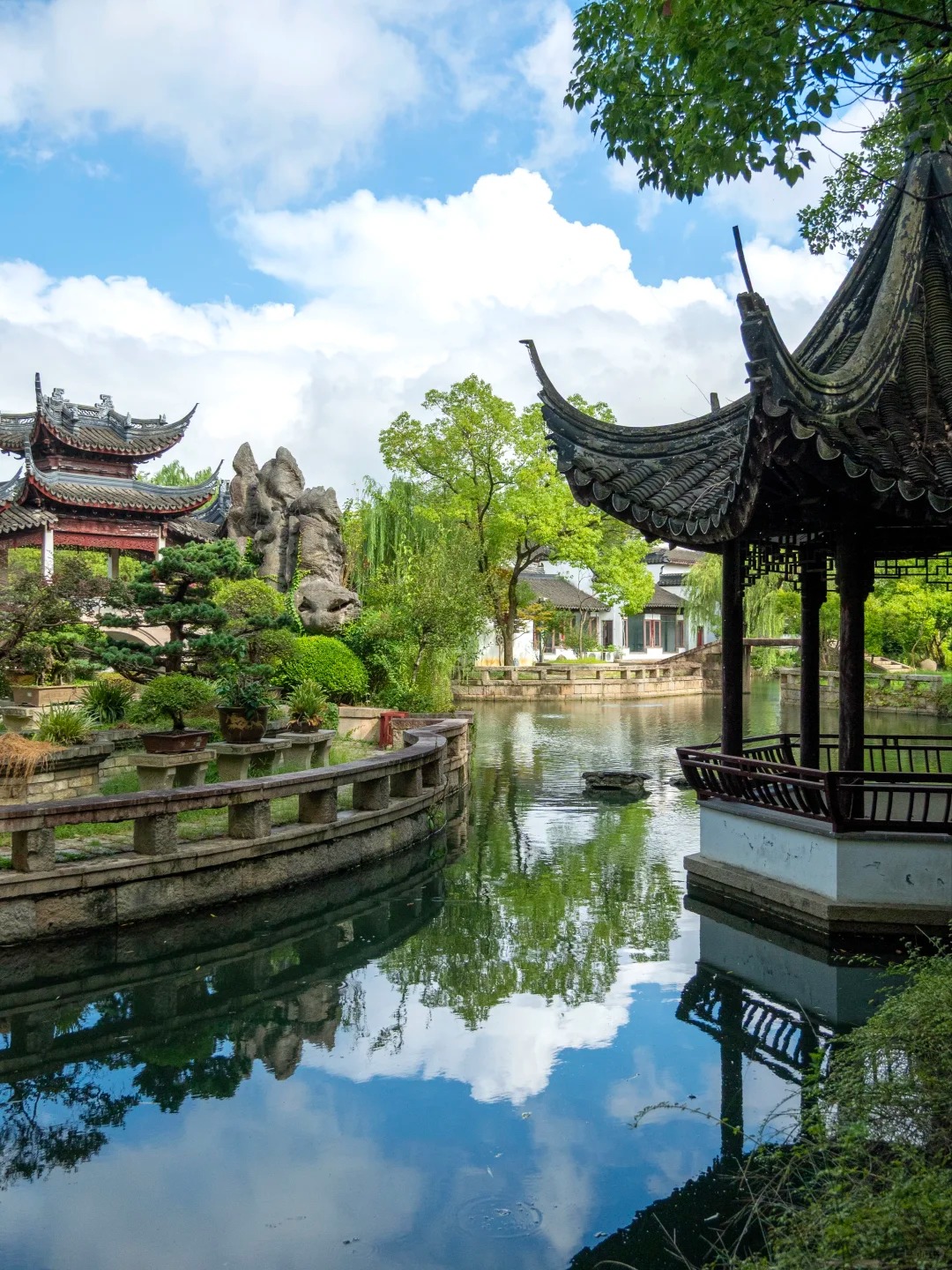
By my last garden, I was no longer just seeing ponds and pavilions. I was reading conversations between void and solid, openness and enclosure, man and nature. The gardens of Suzhou are not attractions; they are a sophisticated, visual philosophy of life, teaching balance, harmony, and the profound beauty of a perfectly framed moment.