When I told my friends I was going to Hohhot, the capital of Inner Mongolia, most of them immediately asked, “Are you going to ride a horse?” I smiled, because while the grasslands are the postcard image of this region, the city of Hohhot is a story unto itself. It is a place where the rugged, windswept spirit of the steppe meets the concrete rhythm of a modern Chinese capital. And let me tell you, it is intense, welcoming, and surprisingly delicious.
I arrived in Hohhot on a morning that felt sharper than I expected. The wind here has a personality; it doesn’t just touch your face, it grabs your coat. It’s the wind from the Gobi Desert, carrying with it a dryness that reminds you that nature here is vast and untamed. My first stop wasn’t a tourist site, but a breakfast joint. I wanted to understand the city through its stomach. In Inner Mongolia, breakfast isn’t toast and eggs—it’s a ritual of salt and tea.
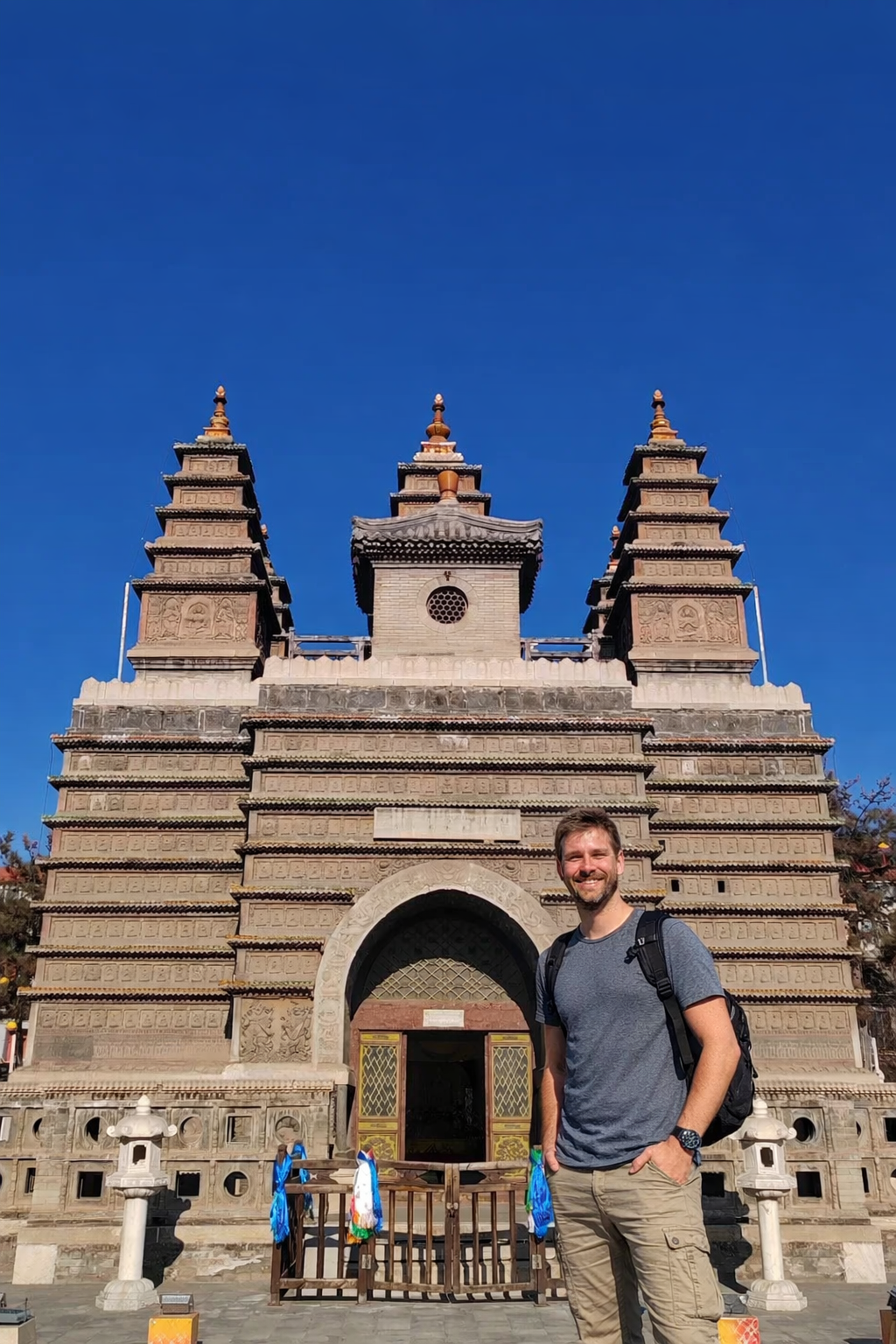
I ordered a bowl of *Suutei Tsai*, or milk tea. This isn’t the sweet, milky tea you get in a bubble tea shop. It is savory, salty, and rich, usually brewed with brick tea, fresh milk, and sometimes butter or toasted millet. The first sip was a shock to my system. It tasted of the earth and the animals. It was heavy, warming me from the inside out within minutes. To go with it, I had *Huushuur*, deep-fried meat pastries that were crispy on the outside and bursting with juicy mutton on the inside. Watching the locals—tough-looking men with weathered faces—quietly sipping their tea and dipping their bread, I realized that food here is fuel for survival, but it’s also a moment of community.
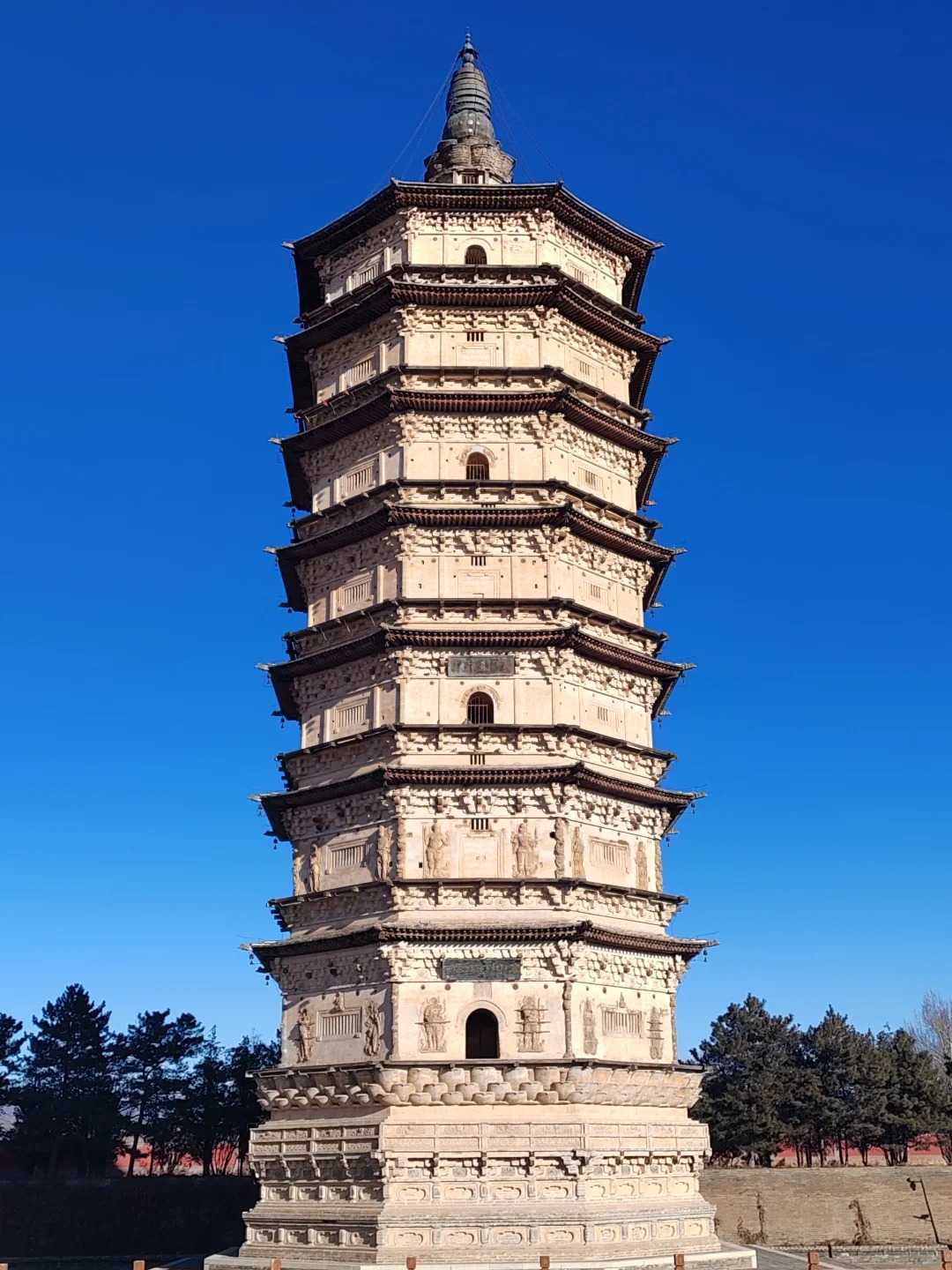
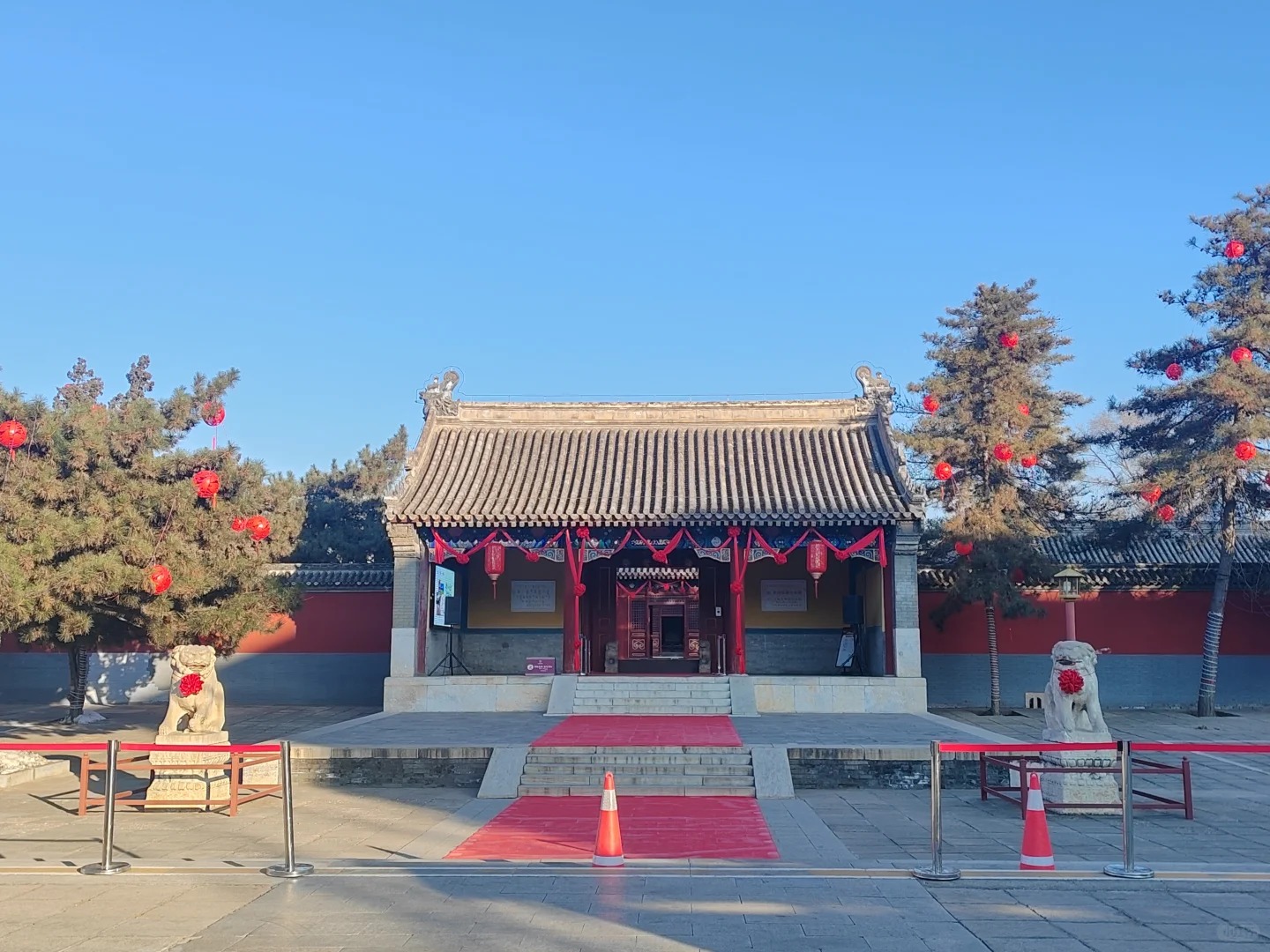
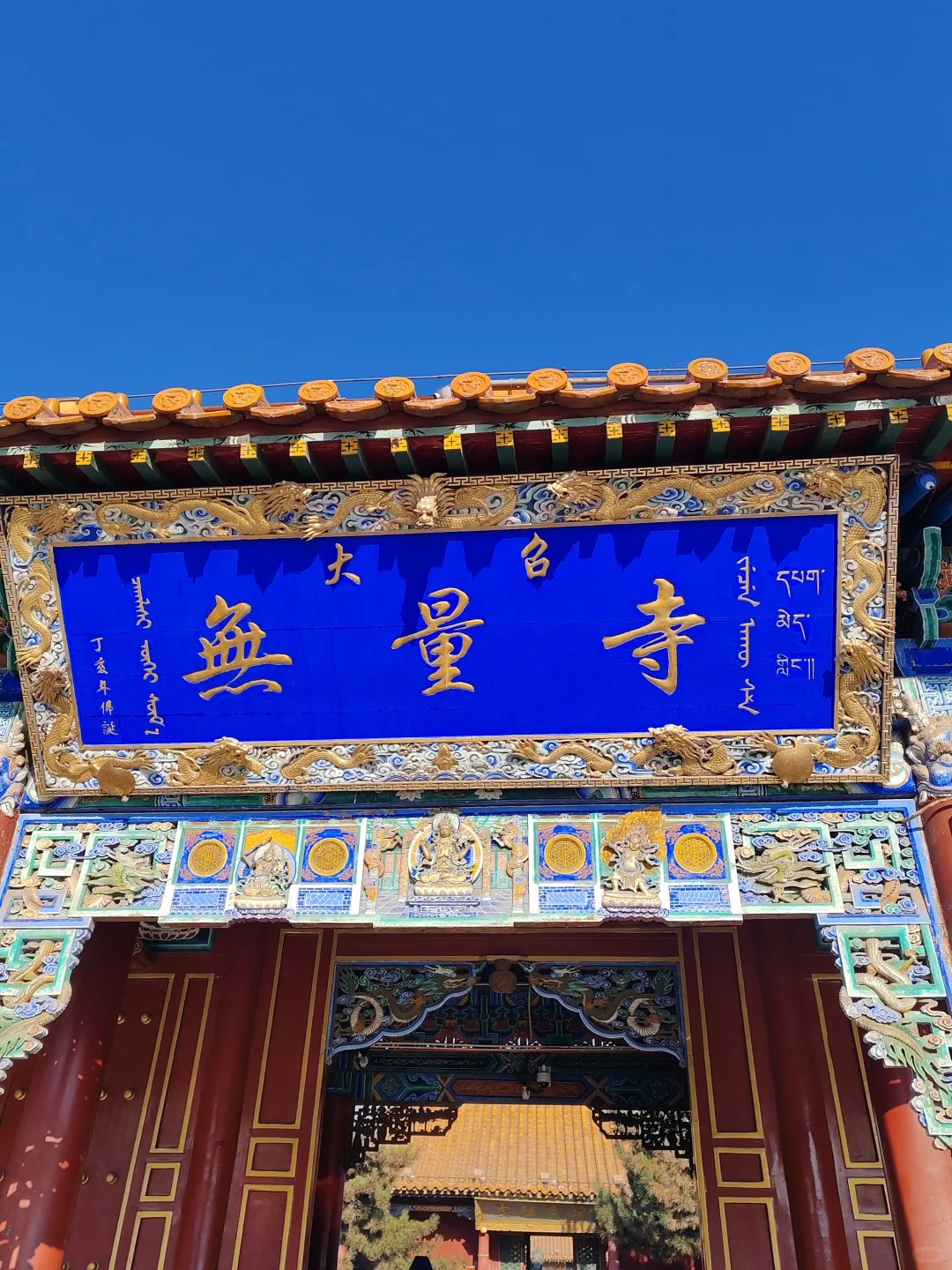
Later, I ventured to the Dazhao Temple, right in the heart of the city. It’s a place of profound silence amidst the urban noise. The smell of burning incense and yak butter candles hit me as soon as I entered. I remember staring at the silver Buddha statue, listening to the low, rhythmic chanting of the monks. The architecture is a stunning mix of Han Chinese and Tibetan styles—colorful, intricate, and ancient. Standing in the courtyard, looking up at the blue sky that seemed impossibly high, I felt a connection to the spiritual history of this land. It’s a reminder that this region has been a crossroads of cultures and religions for centuries.
But my heart truly belonged to the grasslands. Just a short drive outside the city, the landscape transforms. One minute you’re seeing billboards, the next you’re surrounded by an ocean of green. I went to the Huitengxile Grassland. It was one of the most humbling experiences of my life. The sky is so big here it makes you feel small, in a good way. I stood there, turning in a slow circle, and all I saw was grass meeting the sky. No skyscrapers, no power lines, just the wind waving the grass like a green ocean.
I stayed in a traditional yurt. It was a white, felt circle on the steppe, simple but cozy. That night, the stars came out. I’m a city person, used to streetlights drowning out the cosmos. Here, the Milky Way was a bright, bruised purple slash across the heavens, thick with stars. I sat outside, wrapped in a heavy coat, listening to the wind. It was so quiet I could hear my own heartbeat.

The people of the grasslands are the true highlight. They possess a hospitality that is almost overwhelming. I was invited into a family’s home for dinner. The host, a man with a leathery face and a booming laugh, served me the finest honor: the sheep’s eye. In Mongolian culture, this is reserved for the guest of honor. I won’t lie, I was nervous. But looking at his expectant, kind face, I knew I couldn’t refuse. It was a test of respect. I ate it. It was warm and gelatinous. The room erupted in cheers and laughter. We drank *baijiu* (Chinese white spirit) and toasted to friendship, health, and the grass. Even though we didn’t speak the same language, we understood each other perfectly through food and shared moments.
Walking back to the city the next day, I felt a sense of melancholy. Hohhot isn’t just a dot on a map. It’s a portal to a different way of life. It’s the taste of salty milk tea, the sound of the Morin Khuur (horsehead fiddle), the sight of eagles circling overhead, and the feeling of the wind on your face. It’s a place that demands you slow down and look up. If you go to Hohhot, don’t just treat it as a stopover. Look into the eyes of the herders, drink the tea, let the wind mess up your hair. It will change you, just a little bit. You’ll leave a piece of your heart in the endless green of the steppe.