My first glimpse of the Great Wall was not from a postcard or a documentary, but through the grimy window of a minibus winding its way through the craggy, apricot-tree-dotted hills of Mutianyu. It was a grey spring morning, and the mist clung to the mountain ridges like gauze. Then, through a break in the clouds, I saw it: a sinuous, stone-gray line, impossibly slender yet defiantly present, stitching its way along the spine of the world. It didn't roar with grandeur; it whispered of endurance. That moment of quiet awe defined my entire journey to this most iconic of Beijing tourist spots—a journey less about conquest and more about conversation with history, stone, and sky.

Choosing which part of the Wall to visit is the first, crucial decision. The Wall near Beijing is not a monolith but a series of personalities. Badaling is the grand, restored statesman—easiest to access, impeccably maintained, but often crowded. Mutianyu (my choice) is the robust, picturesque cousin, offering a splendid mix of restoration and wildness, with the option of a thrilling toboggan ride down. Jiankou is the untamed, crumbling adventurer, strictly for the sure-footed and experienced. Jinshanling is the long-distance hiker’s dream, offering breathtaking, rolling vistas. I chose Mutianyu for its balance: formidable enough to feel authentic, accessible enough to be enjoyed without technical gear.
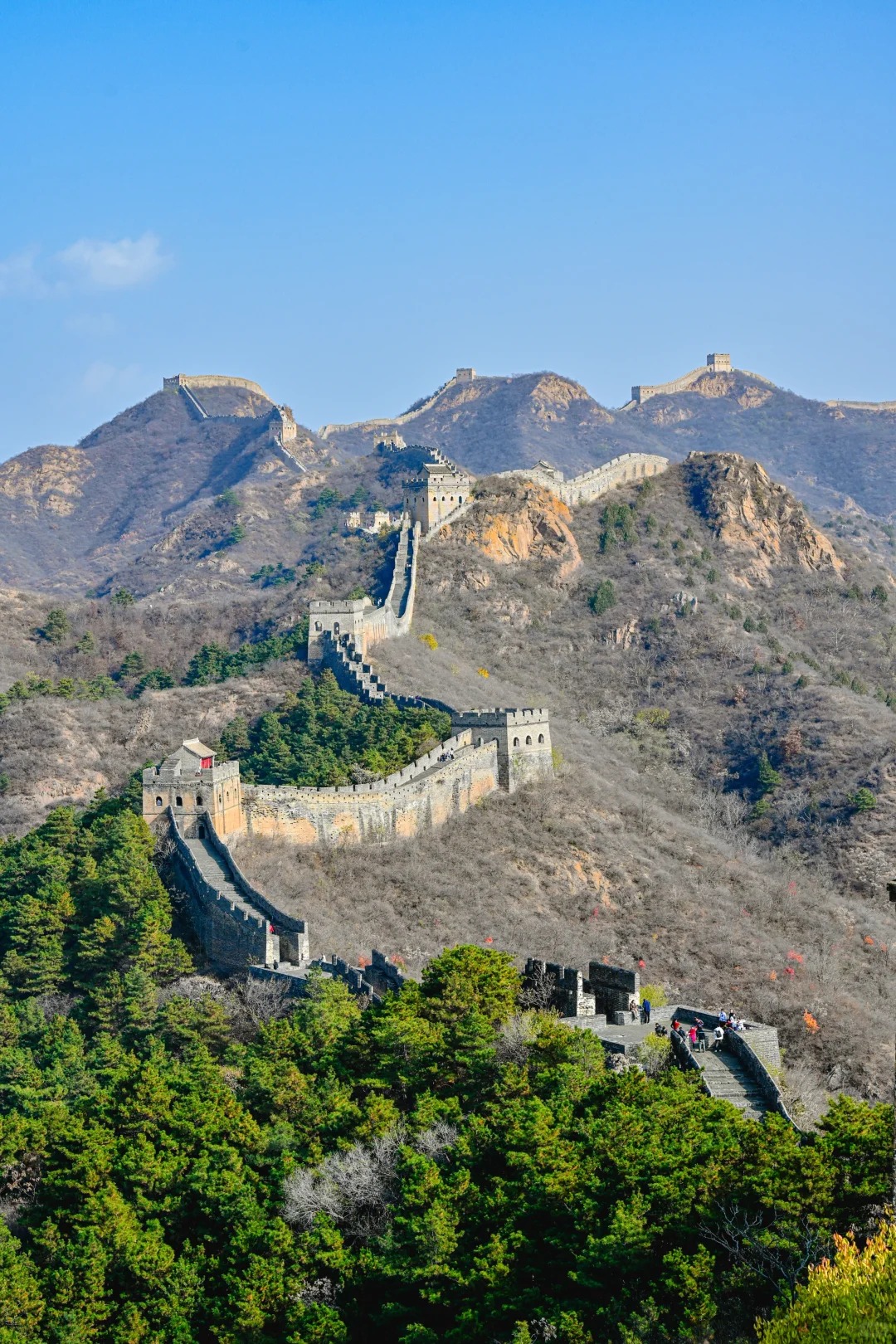
The practicalities matter. I took a tourist bus from Beijing city center, which spared me the hassle of navigating public transport to the distant suburbs. Wear sturdy shoes with excellent grip—the steps are uneven, steep, and often slick. Bring water, sunscreen, and layers; the weather can shift from warm sun to biting wind in minutes. Start early. I arrived as the gates opened, sharing the first cable car ride up with just a handful of other silent, anticipatory travelers. That early hour gifted me a precious half-hour of near-solitude on the ramparts, the only sounds being the wind and the call of distant crows.
Walking the Wall is a physical and metaphysical exercise. One moment you're climbing a near-vertical staircase, your calves burning, breath coming in short gasps. The next, you emerge onto a watchtower, the world falling away to reveal a 360-degree panorama of mountains rolling into infinity. You touch the stones, cool and rough beneath your palm. Some are original Ming-era blocks, carved with faint, mysterious markings by long-forgotten soldiers. You lean through an arrow slit and try to imagine the bone-deep cold of a sentry's winter watch, the eerie silence before a potential storm of conflict.
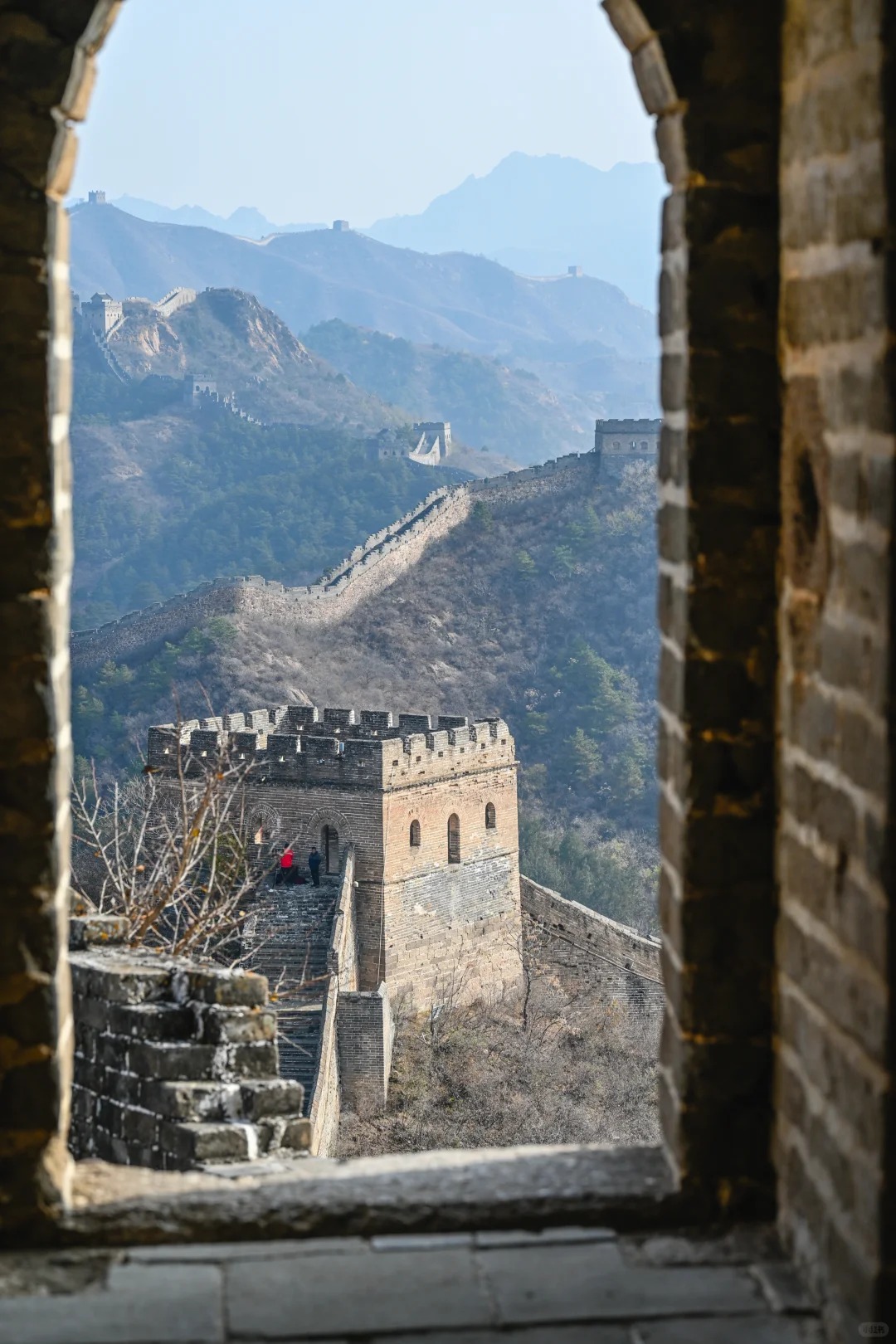
The most profound moments come in the transitions. Between the crowded, photogenic watchtowers lie stretches of quieter wall. Here, I sat on a sun-warmed step, sipped water, and simply looked. I watched the wall ahead of me disappear over a ridge, then reappear kilometers away, a testament to sheer will. I saw where careful restoration met crumbling, original battlements, a poignant dialogue between preservation and decay. It wasn't just a wall; it was a landscape architect, following the brutal, beautiful logic of the mountain terrain it was built to dominate.
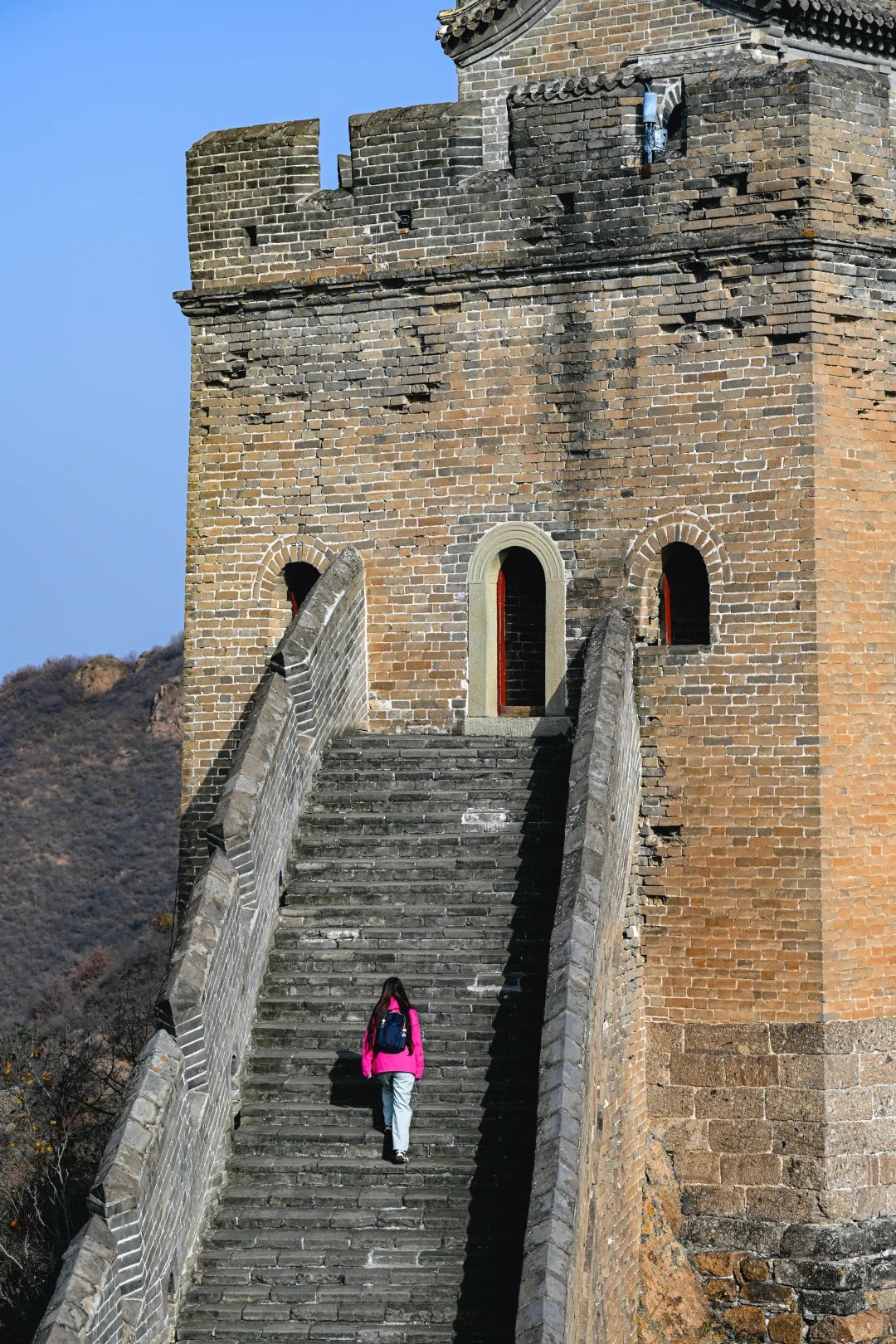
I descended as the midday crowds began to swell, their chatter and laughter a stark contrast to the morning's solitude. But I carried the silence within me. Visiting the Great Wall is not merely checking off a world wonder. It is a pilgrimage that recalibrates your sense of scale—of time, of human endeavor, of nature's power. You don't just see the Great Wall; you feel its weight, its age, and its startling, slender grace against the vastness of China's northern frontier. It is the ultimate Beijing tourist spot not for its fame, but for its unparalleled capacity to humble and inspire.