Shanghai is not a city; it is a time machine.
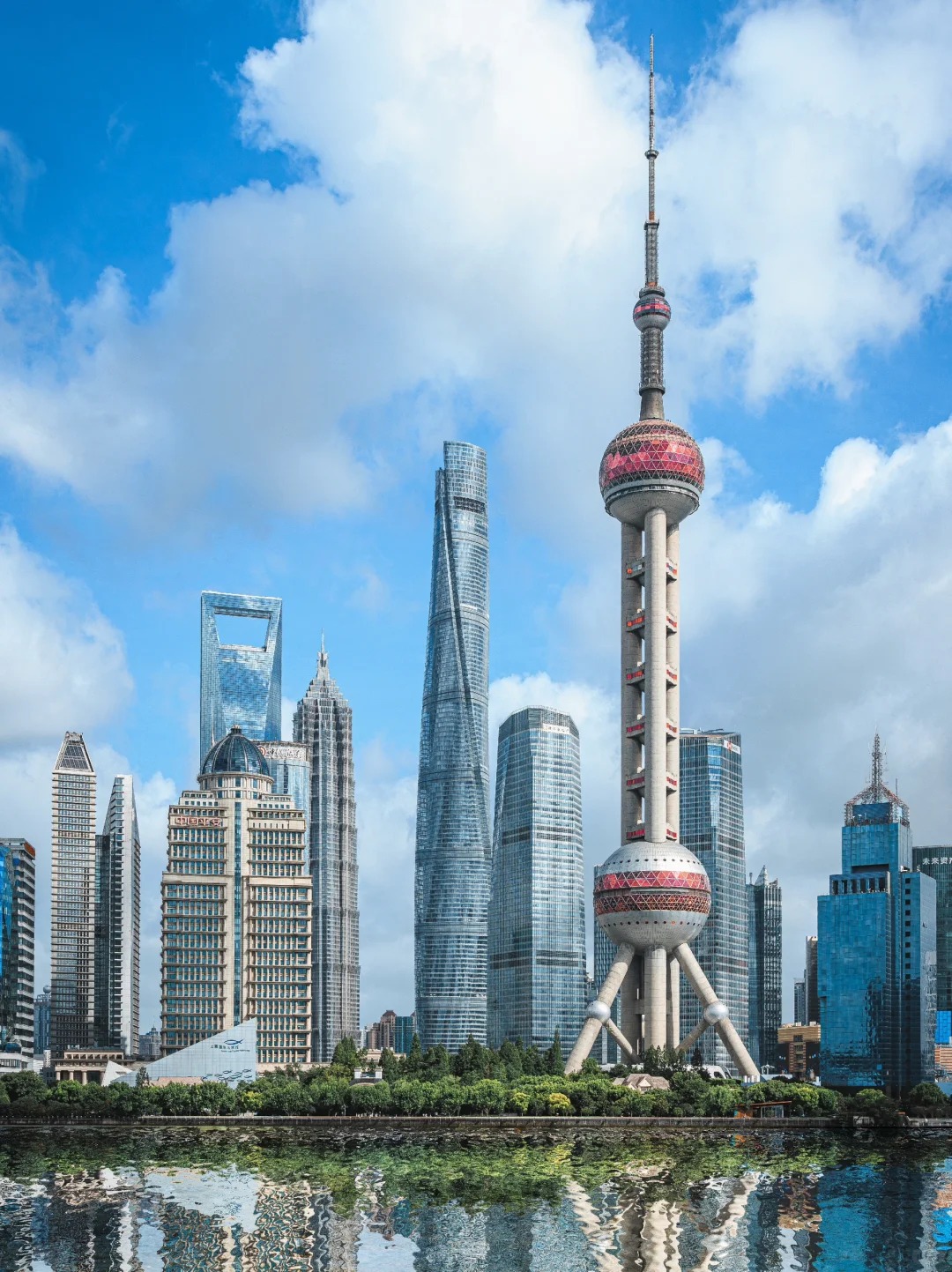
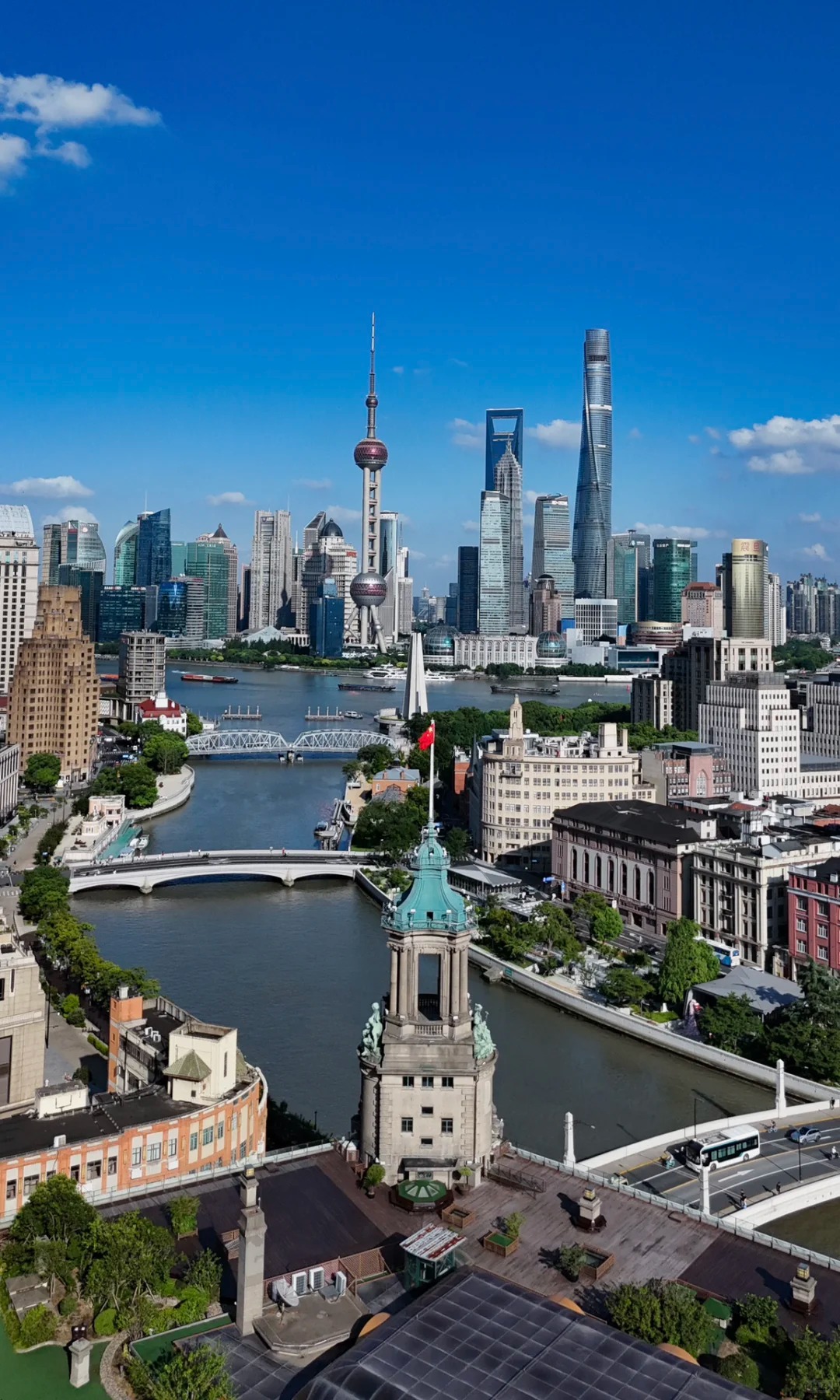
Stand on the Bund, and you are straddling two eras. Behind you lies the 1920s—a sweeping curve of neoclassical granite buildings that once housed the banks and trading houses of the colonial powers. In front of you, across the Huangpu River, lies the 21st century—the glittering, impossible skyline of Lujiazui, where skyscrapers twist and spiral into the clouds like shards of futuristic glass.
My "Shanghai trip" was a constant oscillation between these two worlds. It is a city that demands you look up, but rewards you if you look down—into the steamer baskets and the coffee cups.
The French Concession: Walking Under the Plane Trees
To find the romance of Shanghai, I headed to the Former French Concession (FFC). Here, the streets are lined with London Plane trees, their branches interlocking overhead to form a leafy green tunnel.
I spent an entire afternoon just walking. The architecture here is a mix of Art Deco apartments and "Shikumen" (stone gate) lane houses. It feels European, yet distinctly Chinese.
I stopped at a café on Wukang Road. Shanghai has the biggest coffee culture in the world, literally (most coffee shops per capita). I sat on a balcony of a renovated colonial villa, sipping a "Dirty Coffee" (cold milk topped with hot espresso), watching the fashionable youth of Shanghai pose for photos below. It felt cosmopolitan, chic, and relaxed.
The Soup Dumpling Ritual
But you don't come to Shanghai just for coffee. You come for the Xiaolongbao (Soup Dumplings).
I went to a restaurant inside the bustling Yu Garden. The queue was long, but the reward was worth it. The dumplings arrived in a bamboo steamer, delicate and translucent. You could see the soup sloshing inside.
Eating a Xiaolongbao is a dangerous sport. I followed the local technique:
Lift it gently by the knot (too hard and it breaks).
Place it on a spoon.
Bite a tiny hole in the skin.
Suck out the savory, hot pork broth.
Dip the rest in vinegar with ginger shreds and eat it whole.
The explosion of flavor—the richness of the pork, the tang of the vinegar, the heat of the soup—is addictive. I also tried Shengjianbao, the pan-fried cousin. These are thicker, with a crispy, golden bottom and a sesame seed topping. Biting into one sends a spray of hot juice across the table if you aren't careful. It’s messy, greasy, and glorious.
Lujiazui: The Cyberpunk Dream
That evening, I took the ferry across the river to Pudong. Standing at the base of the Shanghai Tower—the second tallest building in the world—is humbling. It twists as it rises, designed to reduce wind load, but looking like a DNA strand made of glass.
I took the elevator to the observation deck on the 118th floor. The elevator moves at 18 meters per second; my ears popped three times.
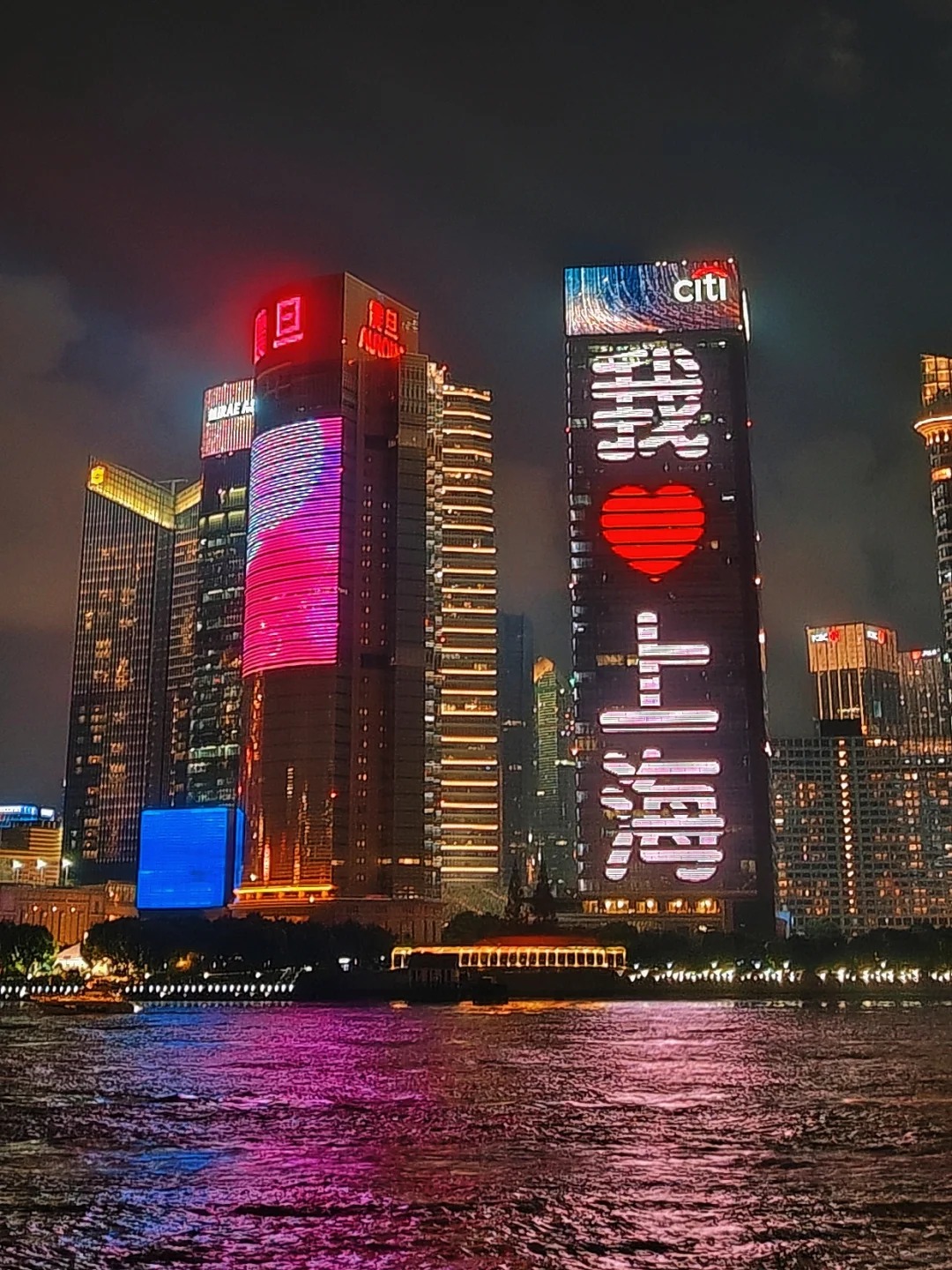
The view at night is straight out of Blade Runner. The city sprawls endlessly, a grid of orange and white lights. The Oriental Pearl Tower, with its pink spheres, looked like a retro spaceship. From this height, the cars were just pixels of light. It was a vision of raw economic power and ambition.
Old Jazz at the Peace Hotel
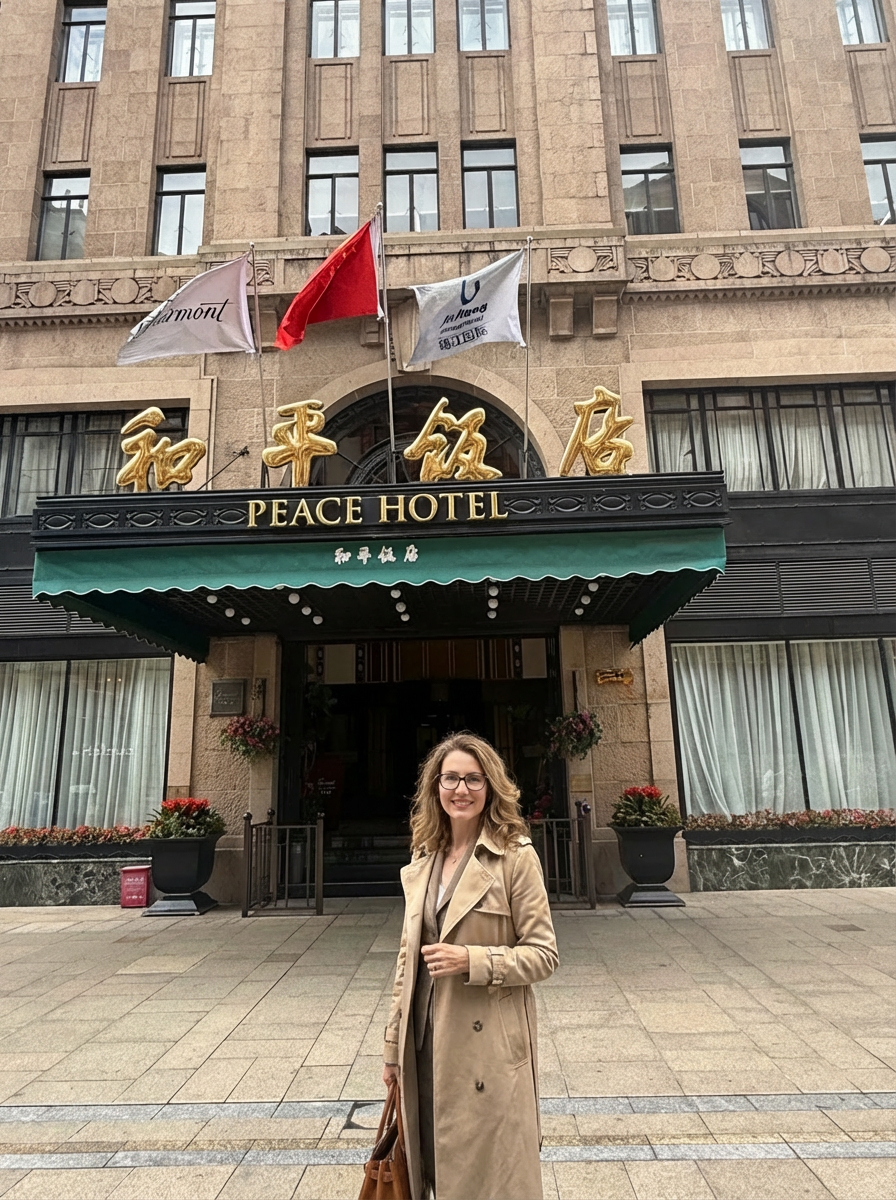
To end my night, I wanted to go back in time. I returned to the Bund and walked into the Fairmont Peace Hotel.
The lobby is an Art Deco masterpiece—Lalique glass, geometric marble floors. I headed to the Jazz Bar. The "Old Jazz Band" was playing. These musicians are in their 80s, playing the same tunes they played before the revolution.
The saxophonist closed his eyes as he played a slow, smoky rendition of "As Time Goes By." The cocktails were expensive, the lighting was low, and for a moment, I could imagine the spies and tycoons of the 1930s sitting at the next table.
Why You Must Go
A "Shanghai trip" is a sensory overload. It’s the contrast that hooks you. You can buy a Prada bag in the morning and eat a $2 bowl of scallion oil noodles for lunch. You can stand in a futuristic tower and look down at a red-tiled roof that has survived a century of change. It is the most exciting city in Asia because it refuses to be just one thing.