I have always been interested in Chinese history, especially the Qing Dynasty, the last feudal dynasty in China. So when I had the chance to visit the Eastern Qing Tombs, one of the largest and best-preserved royal mausoleum complexes in China, I was extremely excited. Located in Zunhua, Hebei Province, the Eastern Qing Tombs are the final resting place of five Qing emperors, 15 empresses, and dozens of princes and princesses. Covering an area of over 80 square kilometers, the mausoleum complex is a masterpiece of Chinese ancient architecture, combining grandeur and elegance, and is also a window into the history, culture, and customs of the Qing Dynasty. My visit to the Eastern Qing Tombs was not just a tour of a scenic spot, but a journey to explore the grandeur and mystery of a bygone era.

I arrived at the Eastern Qing Tombs on a cloudy morning. The sky was overcast, which added a sense of solemnity and mystery to the mausoleum complex. The first thing I saw when I entered the scenic area was the Grand Red Gate, the main entrance of the Eastern Qing Tombs. The gate is 12 meters high and 31 meters wide, with three archways, all painted bright red and decorated with golden patterns. Above the gate is a plaque inscribed with the words “Eastern Qing Tombs” in Manchu, Chinese, and Mongolian, which reflects the multi-ethnic integration of the Qing Dynasty. Standing in front of the Grand Red Gate, I couldn’t help but feel small in the face of this grand architecture.
Passing through the Grand Red Gate, I walked along the Sacred Way, the main road leading to the mausoleums. The Sacred Way is 6.5 kilometers long, lined with 18 pairs of stone carvings on both sides. These stone carvings include horses, elephants, lions, camels, and mythical beasts, as well as statues of civil and military officials. Each stone carving is exquisitely crafted, with vivid expressions and lifelike postures. The horses stand tall and powerful, as if ready to gallop; the elephants look calm and steady, symbolizing peace and stability; the lions are fierce and majestic, guarding the mausoleums. I walked slowly along the Sacred Way, touching the cold stone carvings, and imagining the grand scene when the emperors’ coffins were carried along this road hundreds of years ago.

My first stop was the Xiaoling Mausoleum, the mausoleum of Emperor Shunzhi, the first emperor of the Qing Dynasty to be buried in the Eastern Qing Tombs. Xiaoling is the largest and most important mausoleum in the complex. The mausoleum is surrounded by a wall, and inside the wall are a series of buildings, including the Memorial Archway, the Divine Kitchen, the Divine Warehouse, and the Hall of Eminent Favor. The Hall of Eminent Favor is the main building of the mausoleum, with a roof covered with yellow glazed tiles, which is a symbol of imperial power. Inside the hall, there are statues of Emperor Shunzhi and his empresses, as well as exhibits of imperial artifacts, such as jade carvings, porcelain, and gold and silver vessels. The walls of the hall are painted with colorful murals depicting scenes from Emperor Shunzhi’s life and important historical events of the early Qing Dynasty. The murals are well-preserved, with bright colors and exquisite details.
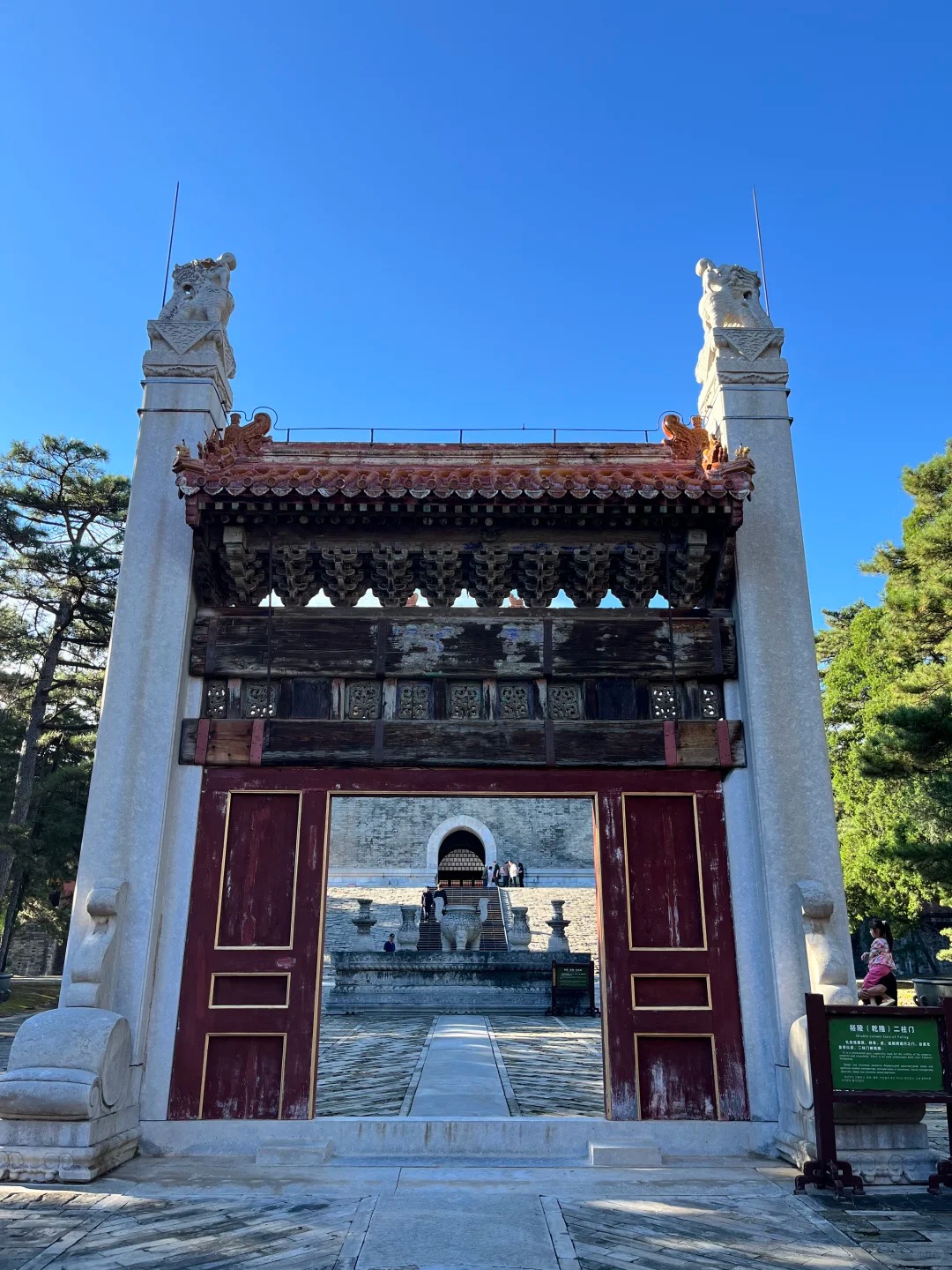
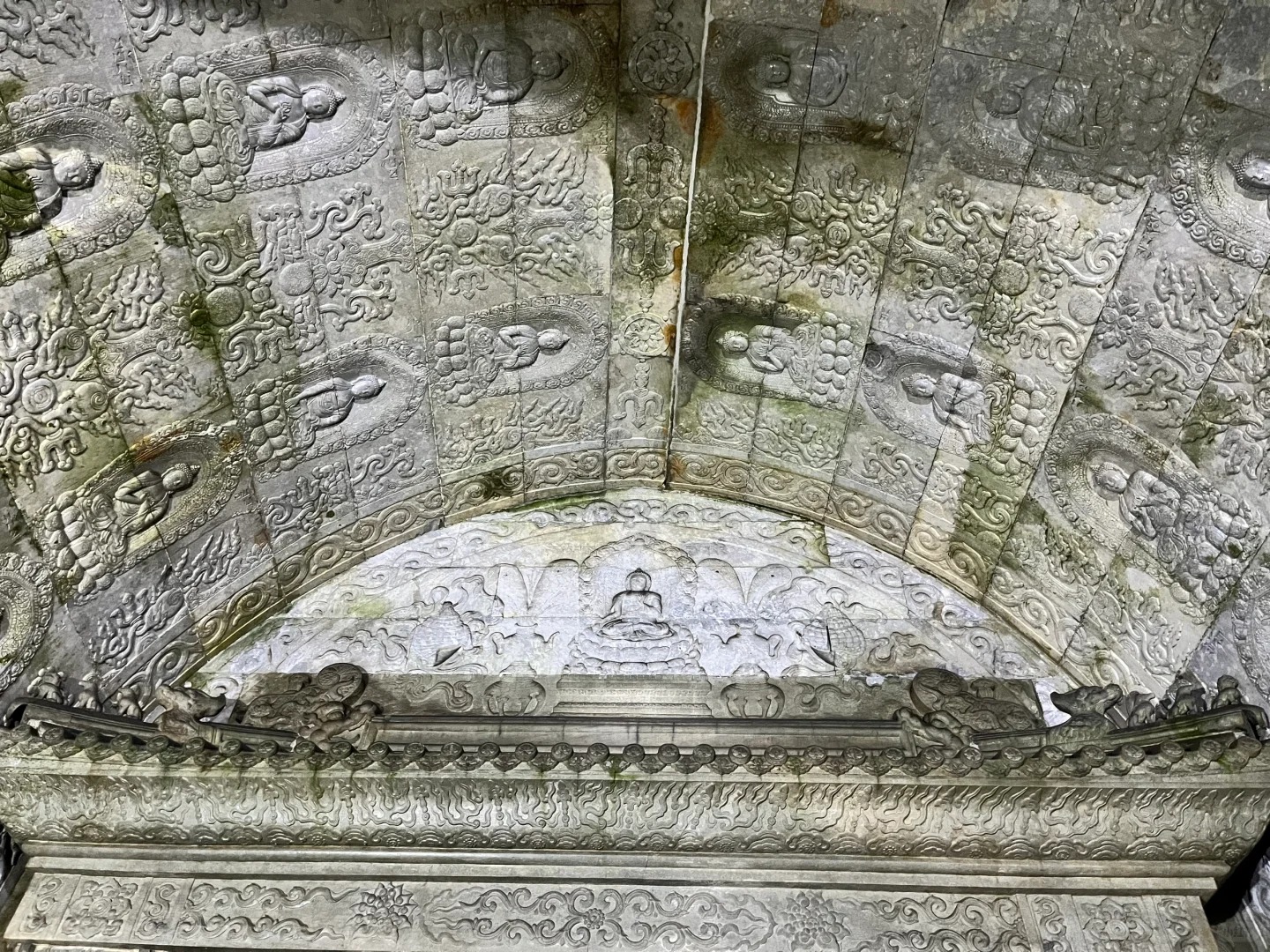
Next, I visited the Ding Mausoleum, the mausoleum of Emperor Guangxu and his empress Longyu. Unlike the other mausoleums, the underground palace of Ding Mausoleum has been excavated and is open to the public. This was the part I was most looking forward to. The underground palace is 27 meters deep, with a total area of over 300 square meters. It is composed of three main halls: the Front Hall, the Middle Hall, and the Rear Hall. The walls and ceilings of the underground palace are made of white marble, and the floor is paved with black marble. In the Rear Hall, there are three sarcophagi, which are the final resting places of Emperor Guangxu, Empress Longyu, and Consort Zhen. The sarcophagi are made of white marble, carved with exquisite patterns. Looking at these sarcophagi, I couldn’t help but think about the tragic life of Emperor Guangxu, who was controlled by the Empress Dowager Cixi all his life and failed to realize his ambition of reform. The underground palace was cool and quiet, and the sound of my footsteps echoed in the empty space, making me feel a sense of awe and sadness.
In the afternoon, I visited the Yuling Mausoleum, the mausoleum of Emperor Qianlong, one of the most famous emperors in the Qing Dynasty. Yuling is known for its exquisite architecture and rich cultural relics. The Hall of Eminent Favor of Yuling is even more magnificent than that of Xiaoling, with more exquisite carvings and murals. The beams and columns of the hall are carved with dragons and phoenixes, which are lifelike. The murals on the walls depict the “Twenty-Four Filial Exemplars,” a classic theme in Chinese traditional culture, which promotes filial piety and respect for elders. I also visited the underground palace of Yuling, which is not open to the public, but I could see its grandeur from the outside. According to the guide, the underground palace of Yuling is decorated with a large number of jade and gold, and is known as the “Underground Palace of Jade.”
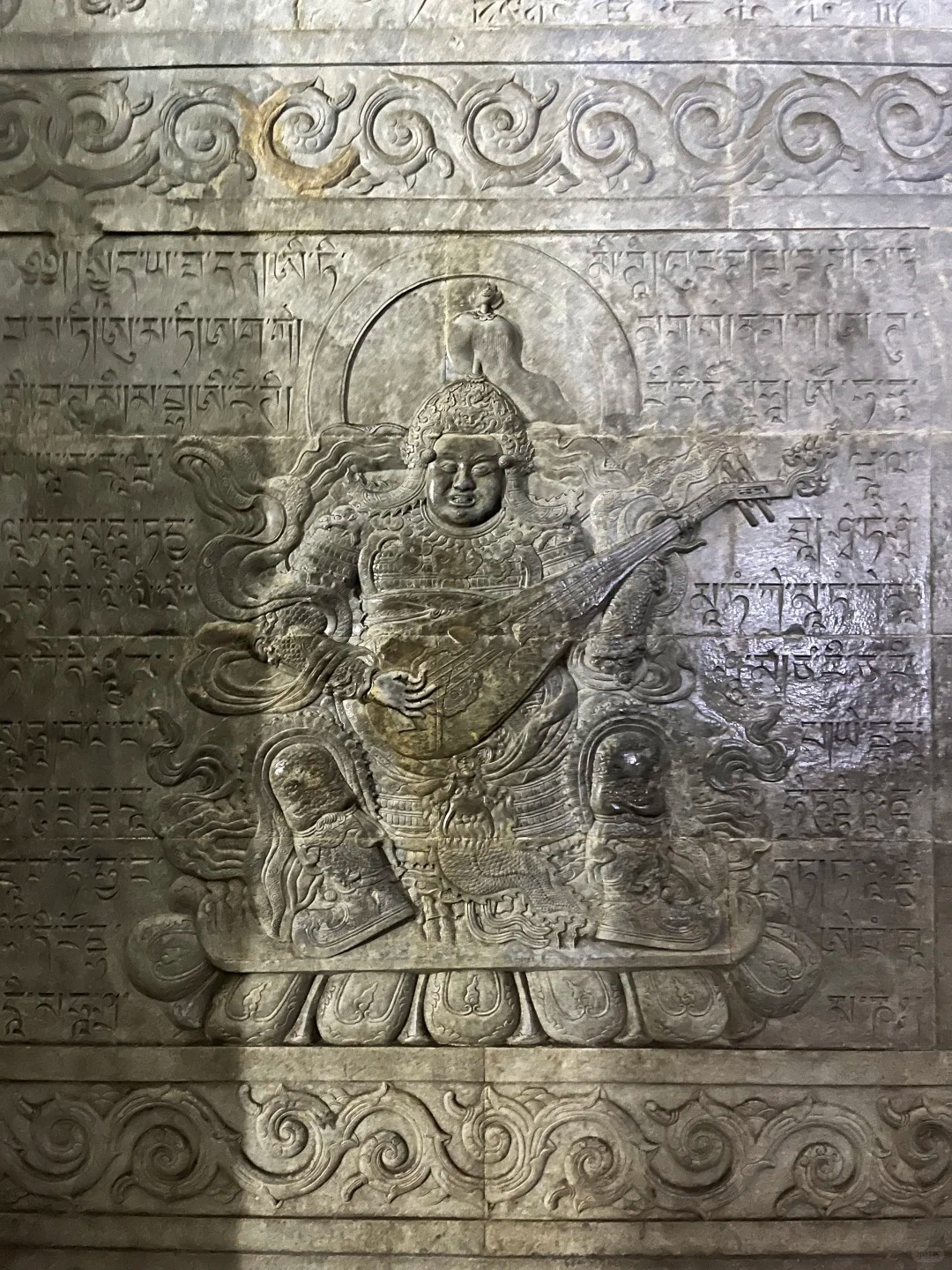
During my visit, I was accompanied by a professional guide who told me a lot of interesting stories and historical facts about the Eastern Qing Tombs. He told me that the location of the Eastern Qing Tombs was chosen by Emperor Shunzhi himself, who was attracted by the beautiful scenery and the “favorable feng shui” here. He also told me about the strict funeral customs of the Qing Dynasty royal family, such as the use of yellow glazed tiles only for imperial mausoleums, and the number of stone carvings on the Sacred Way which was strictly regulated according to the status of the deceased. The guide also pointed out some hidden details in the architecture, such as the difference in the number of dragon claws on the carvings (emperors’ carvings have five claws, while princes’ have four), which reflected the strict hierarchy of the Qing Dynasty.
I also had the chance to try some local snacks near the Eastern Qing Tombs. The most famous one is “royal cake,” which is said to have been a favorite snack of the Qing emperors. The cake is made of flour, sugar, and sesame seeds, and is baked until golden brown. It’s crispy on the outside and soft on the inside, with a sweet and fragrant flavor. I also tried a bowl of “millet porridge” with pickles, which was simple but delicious, and reminded me of the simple life of the local people.
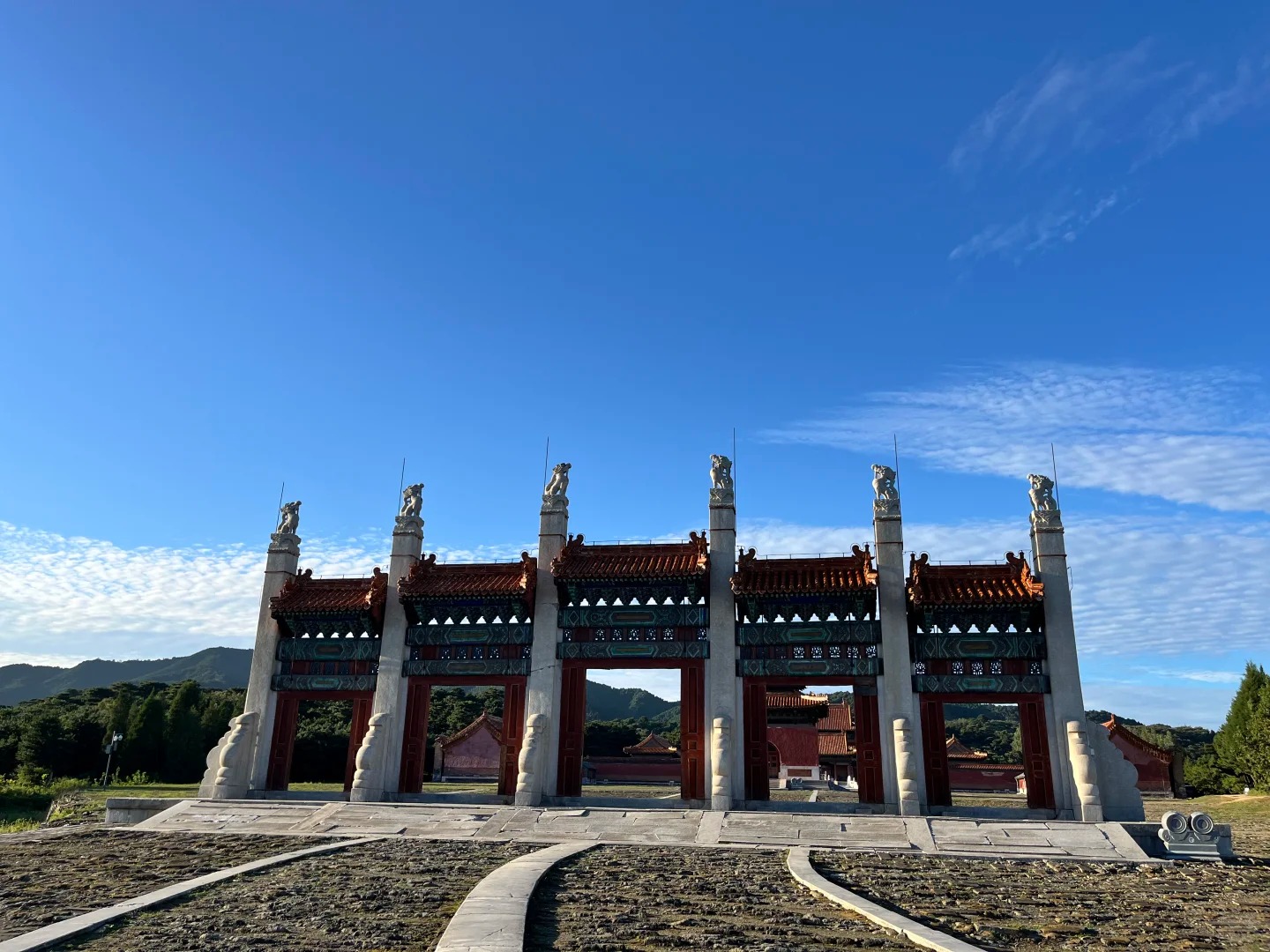
As the sun was setting, I left the Eastern Qing Tombs. Looking back at the grand mausoleum complex, which was now bathed in the golden light of the setting sun, I felt a deep sense of respect for the history and culture of the Qing Dynasty. The Eastern Qing Tombs are not just a collection of buildings; they are a treasure trove of Chinese history and culture. They tell the story of the rise and fall of the Qing Dynasty, the grandeur of imperial power, and the wisdom of ancient Chinese architects. If you are interested in Chinese history and ancient architecture, the Eastern Qing Tombs are definitely a must-visit destination.