Southeast of Harbin, where the land begins to fold toward the Korean border, lies a masterpiece of water and stone. Jingpo Lake, China's largest barrier lake, was formed over 10,000 years ago when volcanic lava flows dammed the Mudan River. The result is not a placid pond, but a 45-mile-long, deep-blue ribbon cradled within a dramatic canyon of hexagonal basalt cliffs—a landscape of serene power that feels worlds away from anywhere.
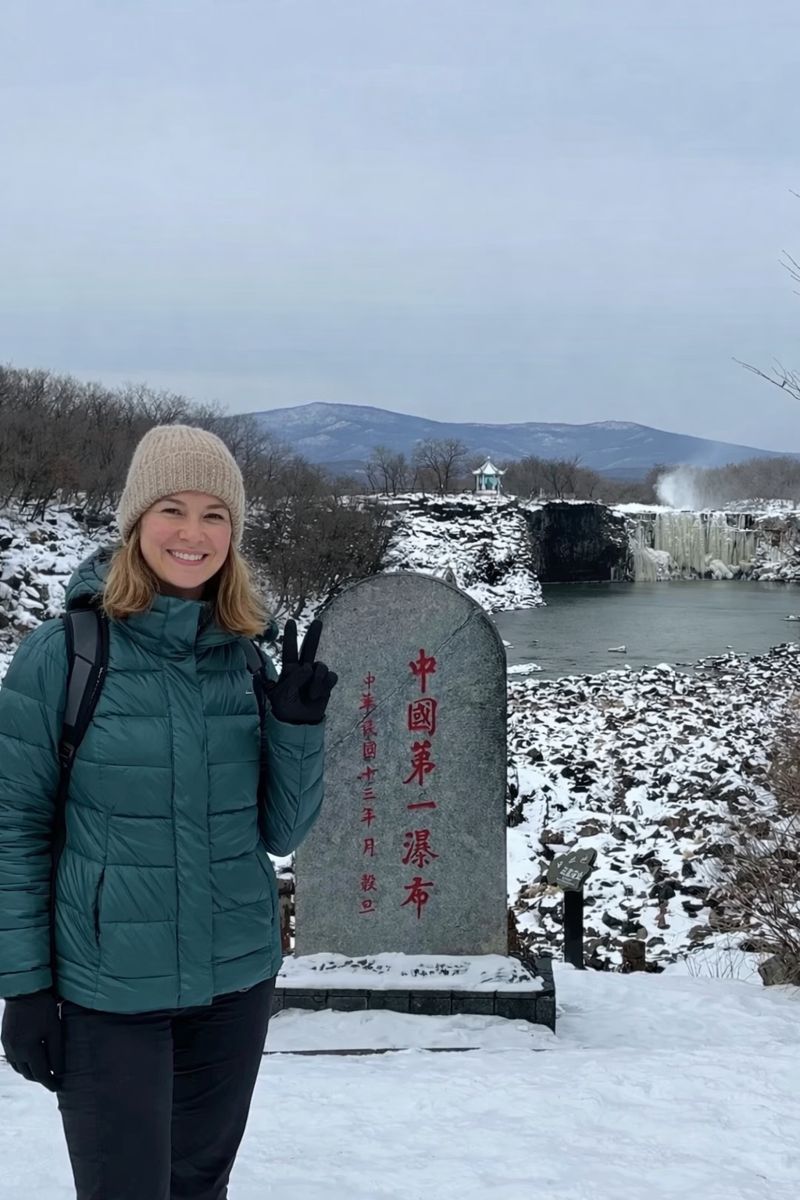
I visited in deep winter, a time when the lake dons its most magical cloak. My destination was the Diaoshuilou Waterfall, where the Mudan River tumbles into the lake. In summer, it's a thunderous curtain of water. In January, it was a surreal sculpture. The falls were partially frozen, creating a cascading architecture of blue ice pillars and curtains, while torrents of unfrozen water still roared through the center, sending up clouds of mist that instantly froze on the surrounding pine trees. These trees, cloaked in thick, feathery rime ice, stood like silent, glittering sentinels. It was a scene of breathtaking, almost supernatural beauty.

In the summer, during a previous trip, the experience was one of tranquil mirror-like perfection. I took a slow boat from the dock. As we entered the "Natural Great Wall," a 20-kilometer stretch where those iconic basalt columns rise vertically from the deep water, the world changed. The water was so still it became a perfect mirror, doubling the height of the cliffs. The hexagonal pillars, formed by the slow cooling of ancient lava, looked like the organ pipes of some giant submerged cathedral. The boat glided silently through this mirrored corridor, and the only sound was the occasional cry of a waterbird. It felt less like tourism and more like a meditation.
The lake's ecology is rich. Its clear, cold waters are home to the prized "Mandarin Fish." I enjoyed it simply steamed at a lakeside restaurant, its flesh sweet and firm. The surrounding forest is a mix of Korean pine and broadleaf trees, home to deer and hundreds of bird species. You can hike along parts of the shore for different perspectives.
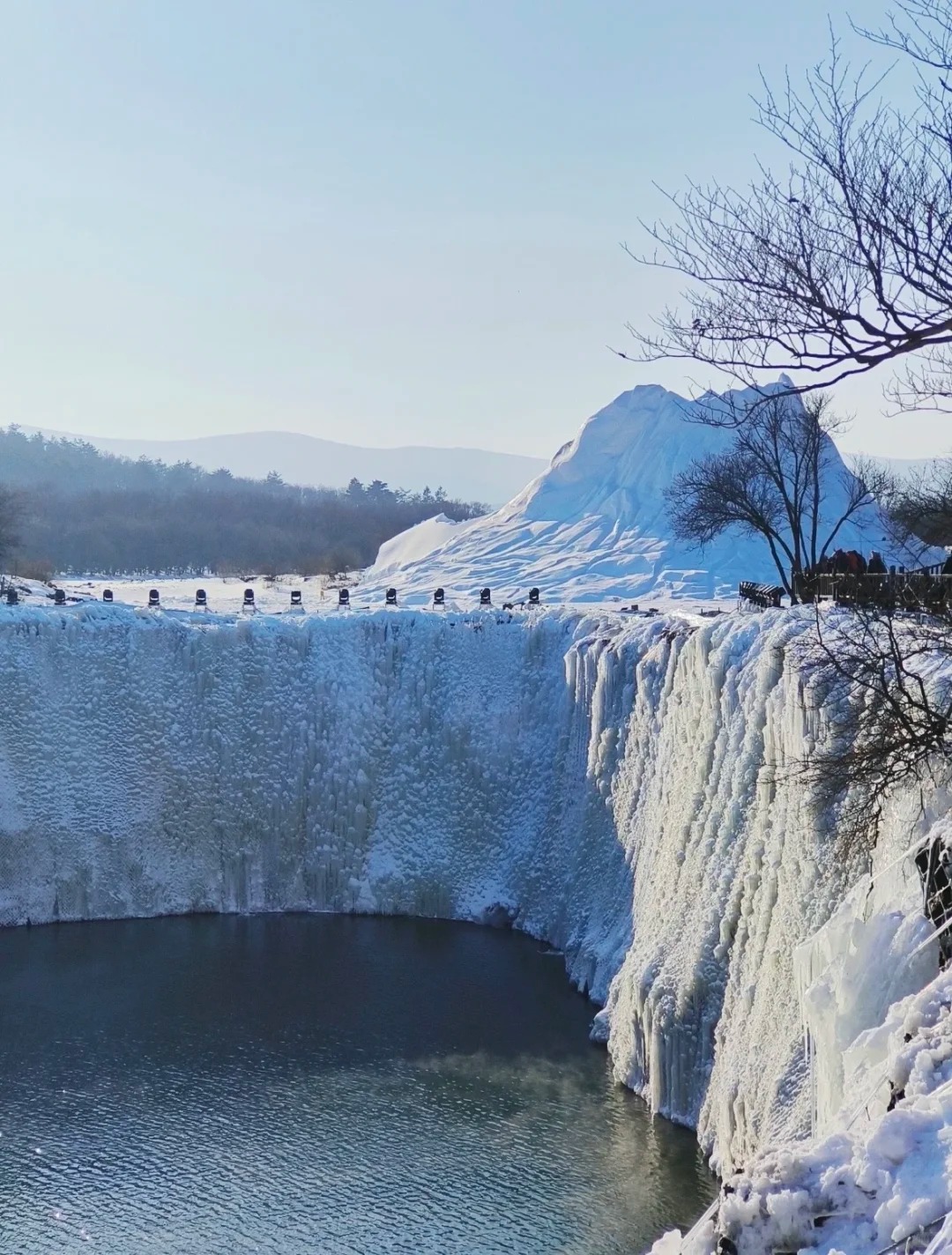
Jingpo Lake doesn't shout. It doesn't have neon lights or grand festivals. Its beauty is geological, ancient, and profoundly peaceful. Whether you witness the frozen fury of its winter waterfall or the perfect double-world of its summer reflection, it offers a sense of scale and stillness that is increasingly rare. It’s a place that reminds you of nature's patient, monumental artistry—a quieter, but no less essential, chapter in the story of Northeast China's volcanic legacy.