“Jiu Hua Shan” – the name rolled off the tongue of the local I met in Chizhou City, and the way he said it, with a soft smile, made me curious. “It’s not just a mountain,” he told me. “It’s a place where your heart can rest.” I’d planned to spend just one day there, but by the end of the first hour, I knew I’d stay longer. Jiu Hua Shan has that kind of pull—quiet, gentle, and impossible to rush.
Located in Anhui Province, Jiu Hua Shan stretches over 120 square kilometers, with 99 peaks that rise like lotus petals through the mist. It’s one of China’s four great Buddhist mountains, but even if you’re not religious, you can feel the spirituality here—it’s in the air, in the slow pace of the people, in the way the mist clings to the temples. My first stop was Fahua Temple, at the foot of the mountain. It’s a small, old temple, surrounded by pine trees that are so tall they block out the sun. As I walked in, I heard the sound of a monk playing a wooden fish, the tapping rhythm slow and steady. I sat down on a stone step and closed my eyes, letting the sound calm me.

A young monk noticed me sitting there and came over to talk. He told me about the temple’s history—how it was built over a thousand years ago, how monks have lived here through wars and famines, how the temple has always been a place of refuge for the poor. “Jiu Hua Shan is about kindness,” he said. “Kindness to others, kindness to yourself.” We walked around the temple together, and he showed me a small garden with a stone fountain. “Drink from the fountain,” he said. “It’s from the mountain, and it will bring you peace.” I cupped my hands and drank—cold, clear water that tasted like freedom.

The hiking trail up Jiu Hua Shan was well-worn but not crowded, which was a relief. I started early, before the mist lifted, and walked slowly, taking in every detail. The trail wound through a bamboo forest first, the bamboo stalks creaking in the wind, and then through a pine forest, where the air smelled like pine resin. Along the way, I passed small streams, their water gurgling over smooth stones, and strange rocks that looked like animals—a monkey, a lion, a turtle. The locals had given them names, and as I walked, I found myself pointing them out, smiling at how vivid they were.
Halfway up, there’s a small pavilion with a view of the valley. I stopped there to rest, and a group of elderly pilgrims joined me. They were from Shanghai, and they told me they come to Jiu Hua Shan every year. “We walk up the mountain slowly,” one of them said. “It’s not about reaching the top; it’s about the journey.” They offered me a piece of rice cake, sweet and chewy, and we talked about life—about family, about work, about what makes us happy. One of the women said, “In the city, we’re always in a hurry. Here, we can breathe.” She was right. On that mountain, time felt different—slower, softer.
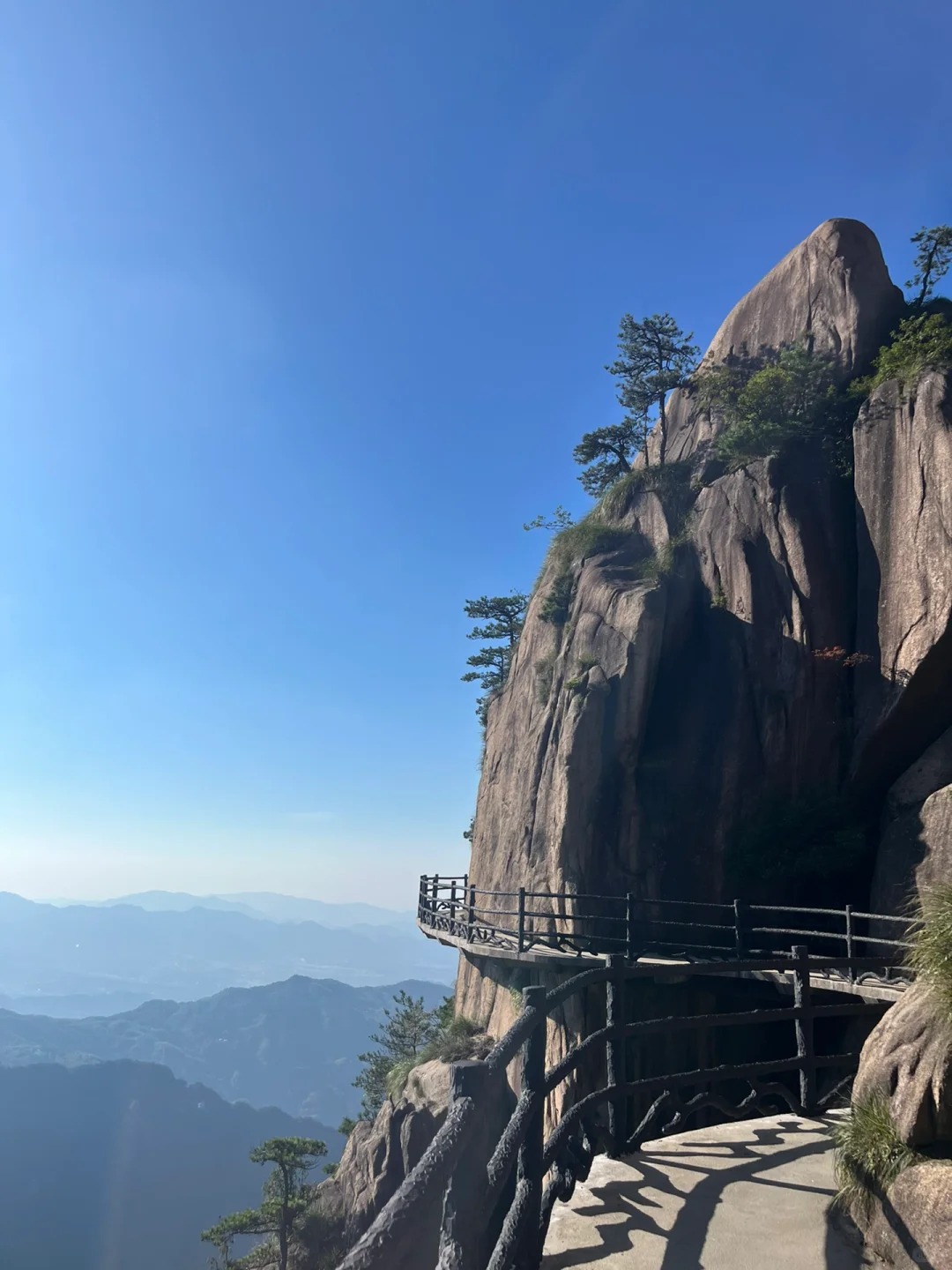
The sunset from Tianzhu Peak was the most beautiful thing I’d ever seen. I climbed the last stretch of steps as the sun was starting to set, my legs aching but my heart racing. When I reached the top, I found a spot on a rock and sat down. The sky turned pink, then orange, then red, and the sun sank slowly behind the peaks. The mist in the valley turned golden, and the mountains looked like they were on fire. A couple from France sat next to me, and we didn’t say a word—we just watched, our jaws dropped. Sometimes, there are no words for beauty. When the sun finally disappeared, the stars started to come out, bright and clear, and I felt like I was sitting on top of the world.
The food on Jiu Hua Shan is simple, but it’s full of flavor. Most of the dishes are vegetarian, made with ingredients picked from the mountain that morning. At a small restaurant near the pavilion, I had stir-fried bamboo shoots—crispy, tender, and seasoned with just a little salt and garlic—and tofu with mushroom sauce, the tofu so soft it melted in my mouth. The owner, a middle-aged woman, told me she learned to cook from her mother, who learned from her grandmother. “These are the flavors of Jiu Hua Shan,” she said. “Simple, honest, like the mountain itself.” I also tried sweet potato balls, fried and dusted with sugar—perfect for a quick energy boost after hiking.
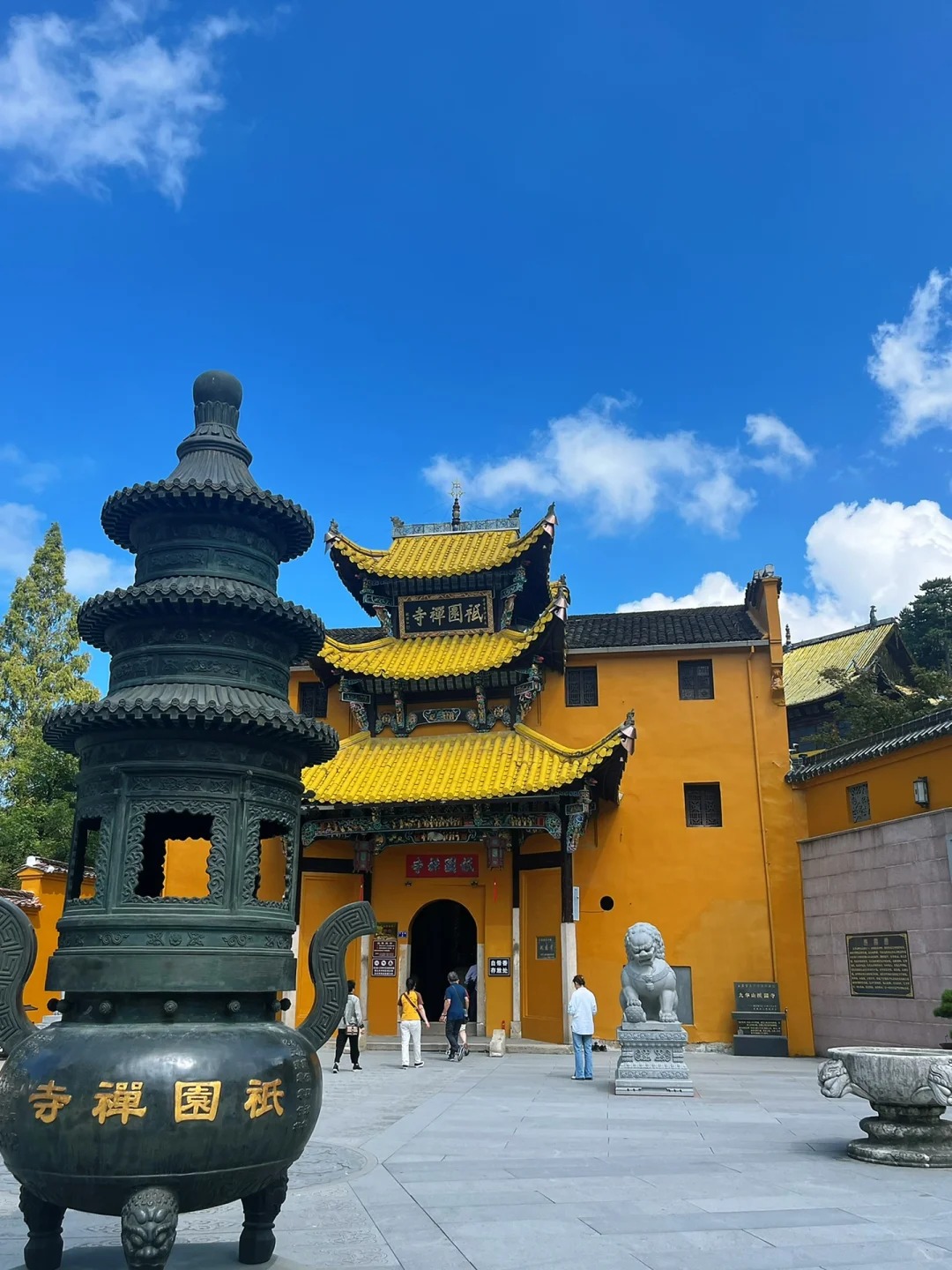
I stayed in a small inn near the mountain, run by a family with a young daughter. The inn was cozy, with wooden floors and beds with thick quilts. The mother cooked breakfast every morning—porridge with pickled vegetables, steamed buns, and hot tea. The daughter, a shy little girl of six, would bring me a flower from the garden every morning, her face lighting up when I thanked her. One evening, the father took me for a walk around the village, pointing out the old houses and telling me stories about the villagers. “Everyone here takes care of each other,” he said. “It’s the Jiu Hua way.”
On my last day, I visited the Jiuhua Mountain Scenic Area Museum. It’s a small museum, but it’s full of treasures—ancient Buddhist scriptures, statues of Buddha, paintings of the mountain from different dynasties. I learned that Jiu Hua Shan got its name from the nine peaks that look like lotus flowers, and that it became a sacred place during the Tang Dynasty. There’s also a section on the mountain’s natural history, with exhibits on the plants and animals that live here. A museum guide told me that Jiu Hua Shan is a “living museum”—it’s not just about the past; it’s about the present, too.
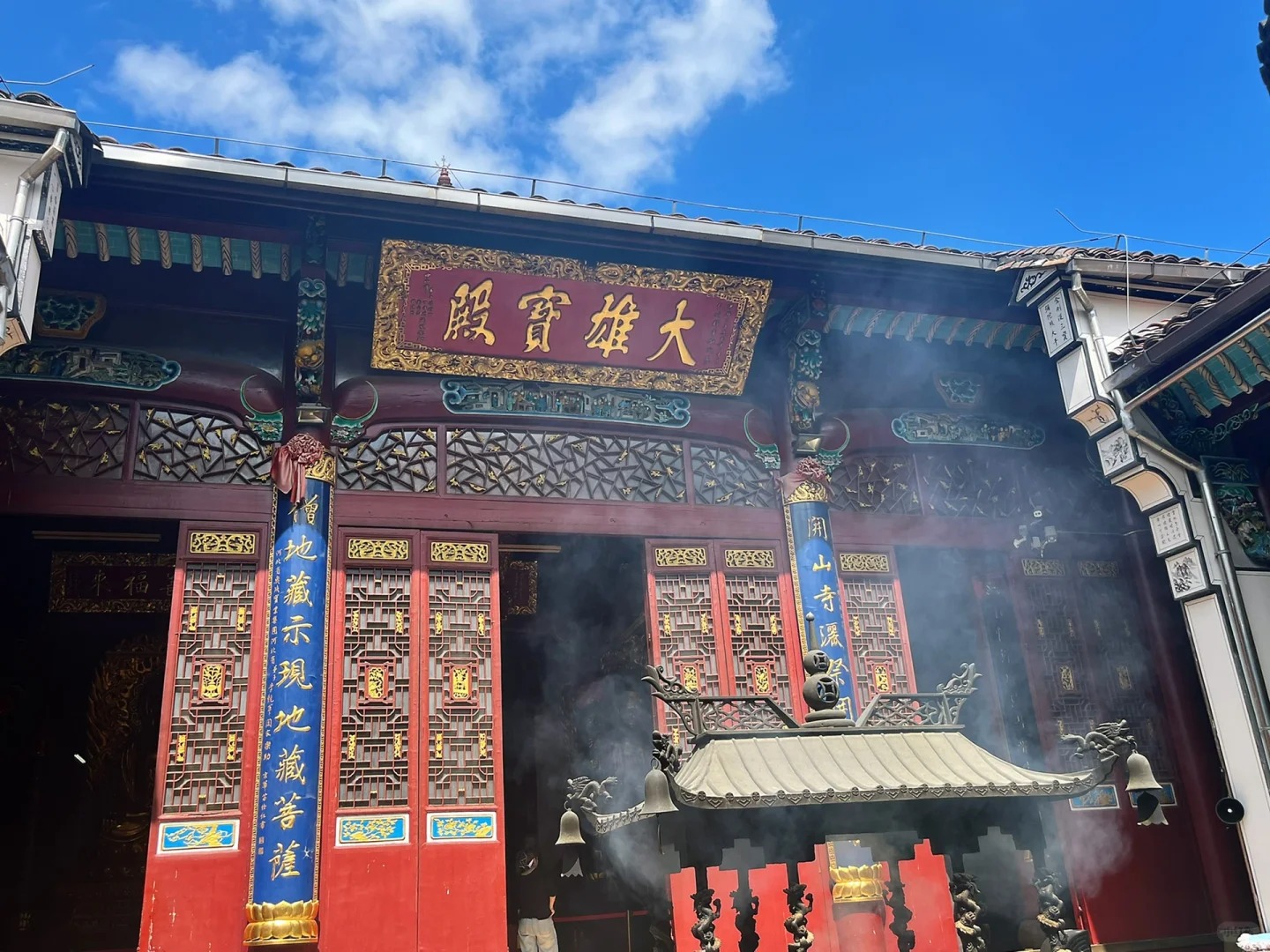
Leaving Jiu Hua Shan was hard. I stood at the foot of the mountain, looking up at the peaks, and felt a lump in my throat. I’d come looking for a day of hiking, but I’d found so much more—peace, kindness, connection. The local was right: Jiu Hua Shan is a place where your heart can rest. It’s not the kind of mountain that shouts for attention; it whispers, and you have to listen. But if you do, it will change you. I left with a pocket full of flowers from the little girl, a bag of local tea, and a heart full of memories. And I know I’ll be back—because once you’ve felt the warmth of Jiu Hua Shan, you can’t stay away.