Yinchuan is a city that shouldn’t exist, yet it thrives. Nestled between the vast, unforgiving Tengger Desert and the majestic Helan Mountains, it is an oasis carved out of sheer determination and the silty waters of the Yellow River. I went to Yinchuan expecting sand and silence, but what I found was a vibrant collision of ancient civilizations and modern resilience. It’s a place that feels like the edge of the world, but in the best possible way.
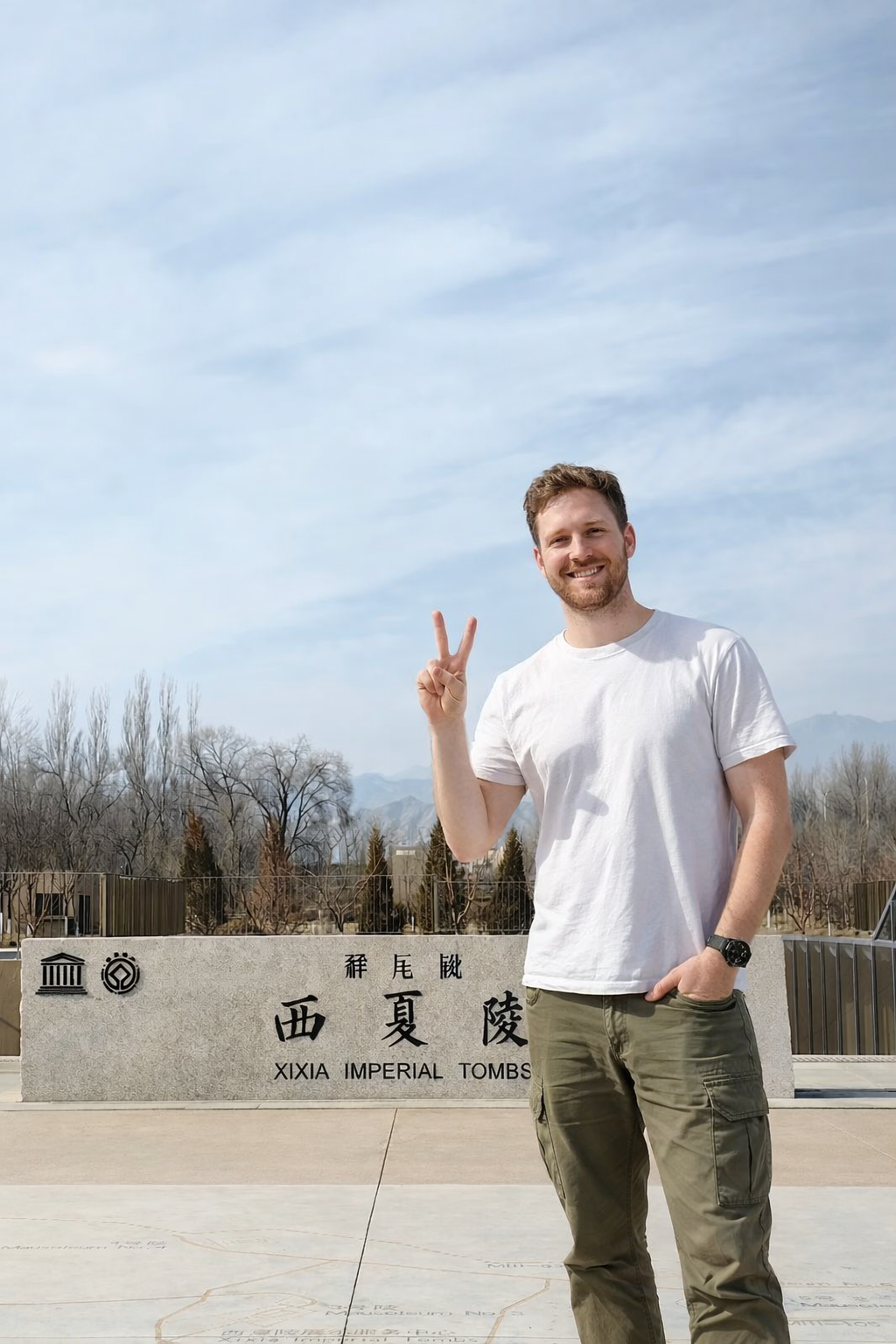
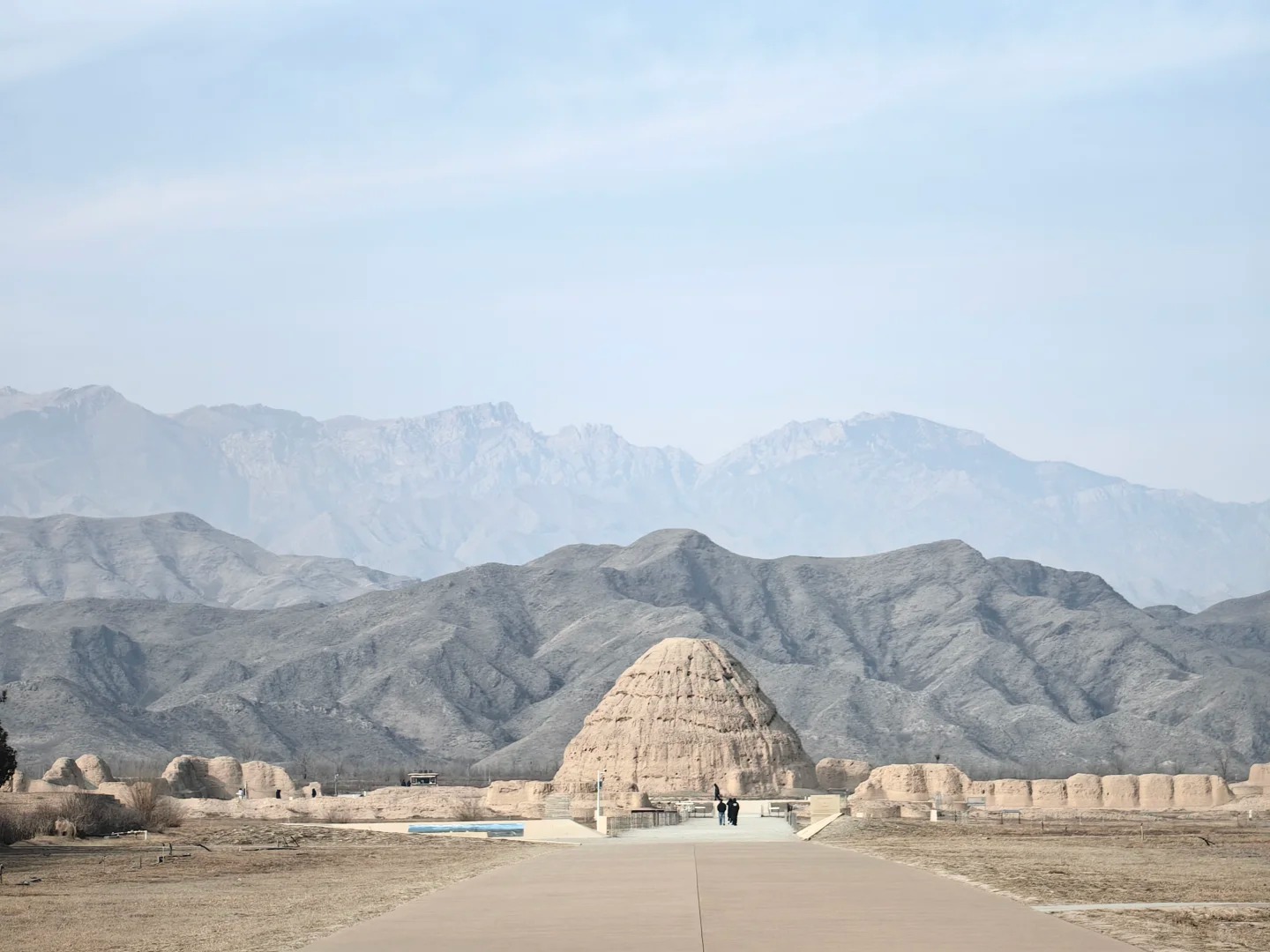
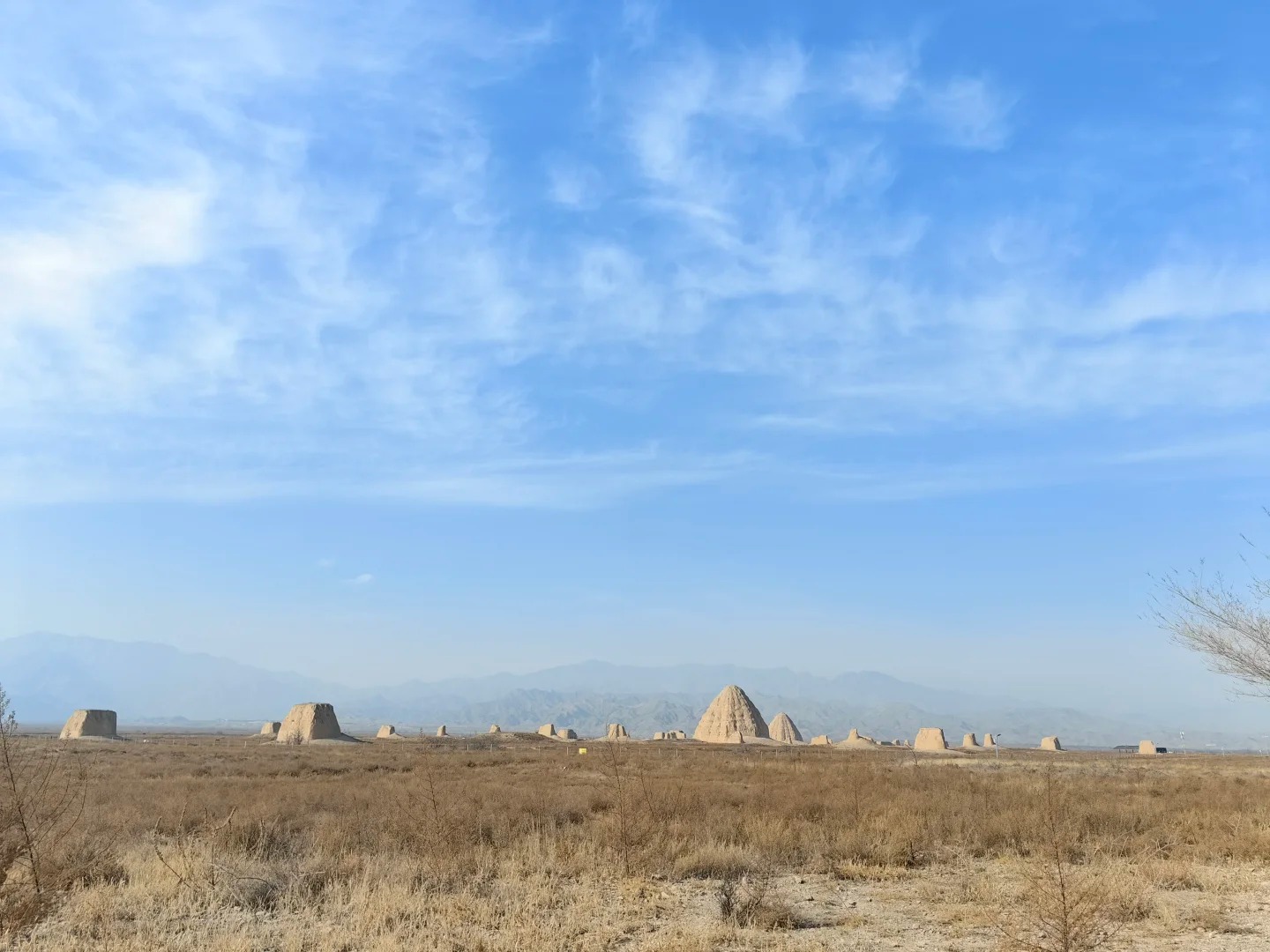
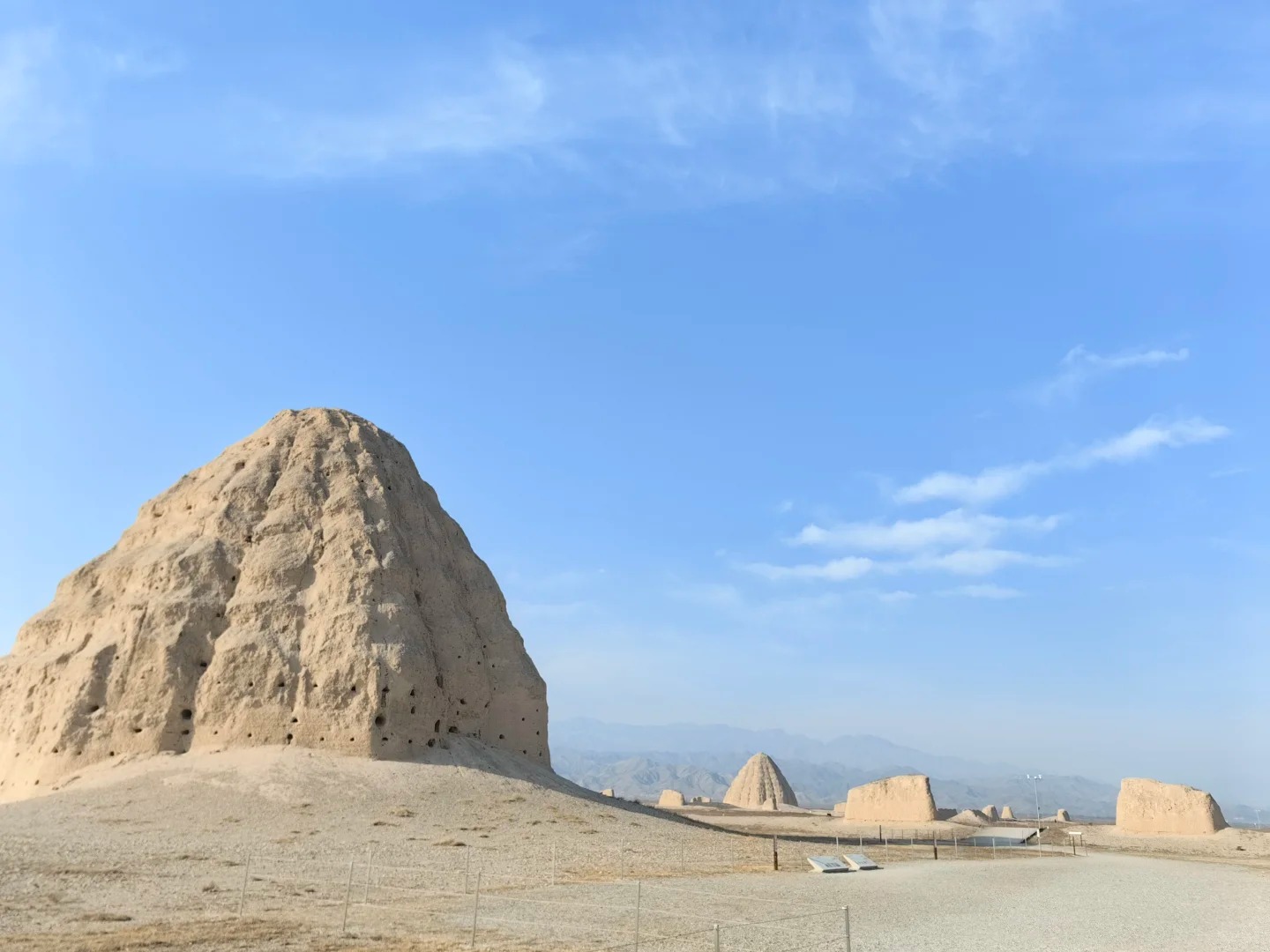
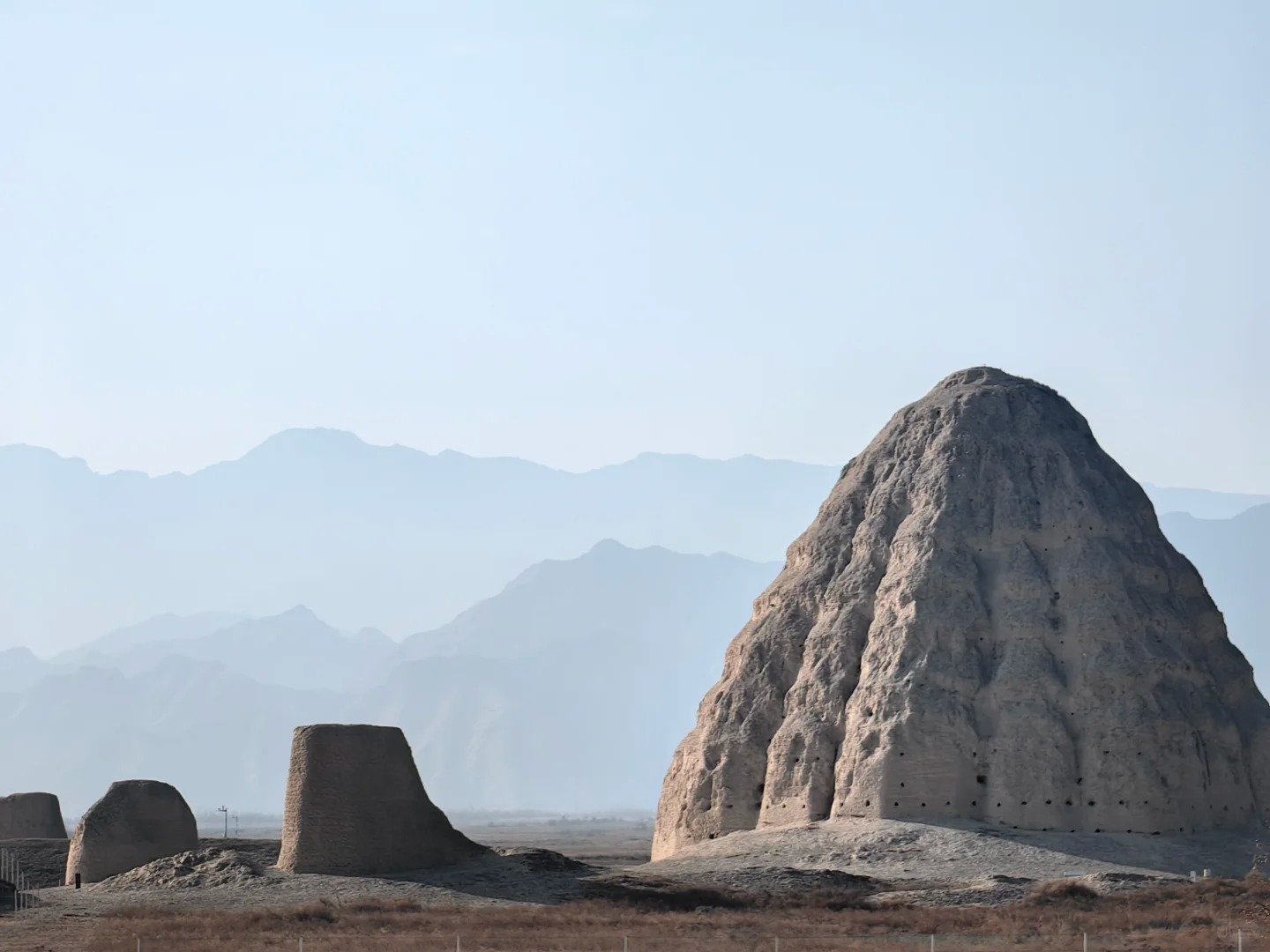
My journey began at the Western Xia Tombs. I remember standing in front of these strange, mud-brick pyramids jutting out of the stark landscape. They are known as the “Oriental Pyramids.” The Western Xia Dynasty was a mysterious kingdom that vanished almost entirely from history, leaving behind these silent sentinels. Walking among them, I felt a deep sense of solitude. The wind howled through the Helan Mountains behind me, carrying sand that stung my cheeks. I tried to imagine the people who built these structures, speaking a language that is now lost to time. It wasn’t just a history lesson; it was a ghostly encounter with a forgotten empire. The silence there is heavy; it forces you to listen to the past.
But Yinchuan is not just a museum of the dead; it is very much alive. I spent a day at the Sand Lake, which perfectly encapsulates the city’s duality. Imagine reed marshes teeming with birds, merging seamlessly into towering golden dunes. I took a hovercraft across the water, the engine roaring, spraying mist, until we hit the sand. Then, silence again. I climbed the dunes, slipping and sliding with every step. When I reached the top, the view was surreal. On one side, the blue water; on the other, an ocean of gold stretching into infinity. I saw people sliding down the dunes on sand sleds, laughing uncontrollably. It was pure joy. I stripped off my shoes and let the sand run through my toes. It was fine and warm, heated by the fierce sun. It felt like being a child again, playing in a giant sandbox.
The Helan Mountains are another character in this story. They act as a massive shield, blocking the sand and creating a microclimate that is surprisingly fertile. This is where the legend of Yinchuan’s wine comes from. Yes, wine in the middle of the desert. I visited a vineyard nestled at the foot of the mountains. The contrast was striking—rough, craggy peaks in the background, and neat rows of green vines in the foreground. I tasted a Cabernet Gernischt there. It was bold, with a smoky finish that seemed to carry the flavor of the soil itself. The winemaker told me the sunlight here is intense and the nights are cold, giving the grapes a unique acidity. Sipping that wine, watching the sun dip behind the mountains, painting the sky in shades of violet and orange, was one of the most peaceful evenings of my life.
However, the soul of Yinchuan, for me, was found in a bowl of noodles. I woke up early one morning and went to a small shop that was already packed with steam and people. I ordered *Yangza Pianmian*—mutton offal slices with noodles. It’s a dish that tests your adventurousness. The broth was milky and rich, simmered for hours with sheep bones and intestines. It smelled pungent, spicy, and meaty. I took a bite. It was… incredible. The offal was tender, not rubbery, and the broth had a depth of flavor that woke up every taste bud. The locals around me were slurping loudly, a sign of enjoyment in China. I joined in. It was warming, filling, and undeniably real. This wasn’t food for tourists; this was the fuel that powers the people of Ningxia.
I also visited the Shuidonggou site, known as the “cradle of prehistoric civilization.” It’s amazing to think that 30,000 years ago, humans were living here, carving out a life in this harsh environment. I walked through the ancient Great Wall that snakes through the area. It’s made of tamped earth, not stone, eroding slowly back into the dust from which it came. It looked like a scar on the landscape, a testament to human stubbornness.
Yinchuan left a mark on me. It is a city of resilience. It’s about people carving vineyards out of the desert, about history that refuses to be forgotten, and about a landscape that is both beautiful and terrifying. It’s not the easiest place to get to, and the wind will definitely mess up your hair, but that is the point. It’s real. It’s raw. Standing at the edge of the desert, watching the sun set over the Yellow River, I felt incredibly small, but also incredibly alive. If you want to see a side of China that is wild, historical, and utterly unexpected, go to Yinchuan. Drink the wine, eat the noodles, and let the desert silence fill your soul.