I’ve seen many beautiful landscapes in my travels, but nothing prepared me for the breathtaking beauty of the Longji Rice Terraces. Located in the mountains of Longsheng County, Guangxi, these terraces are a masterpiece of human ingenuity—carved into the mountainsides by the Zhuang and Yao people over 2,300 years ago. When I arrived in late September, the terraces were covered in golden rice, ready for harvest, and the mountains looked like they were wearing a cloak of gold. It was a sight that took my breath away.
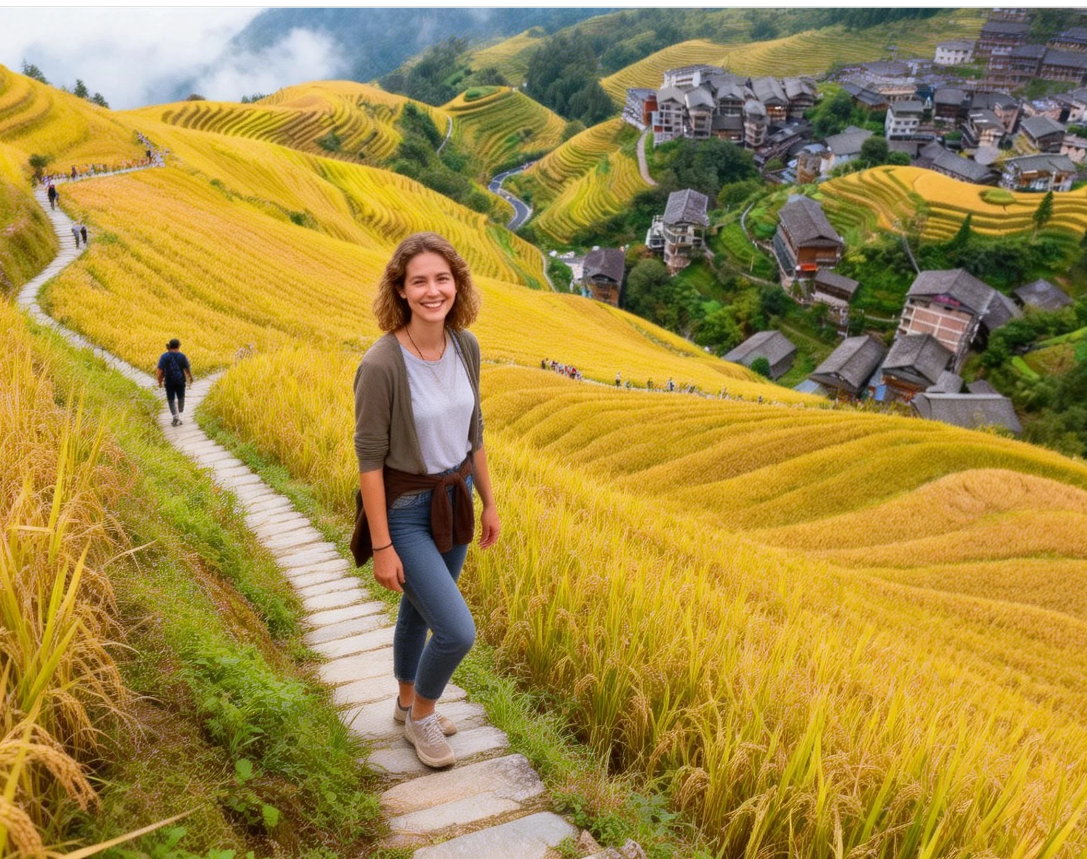
I stayed in a Zhuang village guesthouse located at the foot of the terraces. The guesthouse was run by a local Zhuang family, who welcomed me with open arms. The mother of the family, Auntie Wang, cooked me a delicious dinner of bamboo rice, braised chicken, and stir-fried vegetables. “The rice in the bamboo is from the terraces,” she said proudly. “It’s the best rice you’ll ever taste.” She was right—the rice was fragrant and fluffy, with a hint of bamboo flavor. After dinner, Auntie Wang told me about the history of the terraces. She said that her ancestors began carving the terraces over 2,000 years ago, using only hand tools and their own strength. “It was hard work,” she said. “But they knew that the terraces would provide food for their families for generations.”
The next morning, I woke up at dawn to watch the sunrise over the terraces. I climbed to a nearby viewpoint, where I joined a small group of photographers. As the sun rose, the golden light hit the terraces, making them glow. The mist hovered over the mountains, creating a dreamlike atmosphere. I watched as the locals began their day’s work—women carrying baskets of fertilizer on their backs, men using sickles to harvest the rice. It was a scene of perfect harmony between humans and nature.

After the sunrise, I began hiking through the terraces. The paths are narrow and winding, carved into the mountainsides between the terraces. As I walked, I passed by local farmers who greeted me with smiles. One old farmer stopped to show me how to harvest rice, handing me a sickle and teaching me the proper technique. It was hard work—my back ached after just a few minutes—but it was also incredibly rewarding. I felt a deep respect for the farmers who have worked these terraces for generations, enduring hard work and harsh weather to provide for their families.
My hike took me to several different villages, including Ping’an Village and Jinlong Village. Each village has its own unique charm—traditional Zhuang and Yao houses with wooden floors and thatched roofs, colorful murals on the walls, and small markets selling local crafts and food. In Ping’an Village, I visited a Zhuang embroidery workshop, where local women were creating beautiful embroidered pieces using traditional techniques. They showed me how to thread the needle and make basic stitches, and I even made a small embroidered keychain as a souvenir.
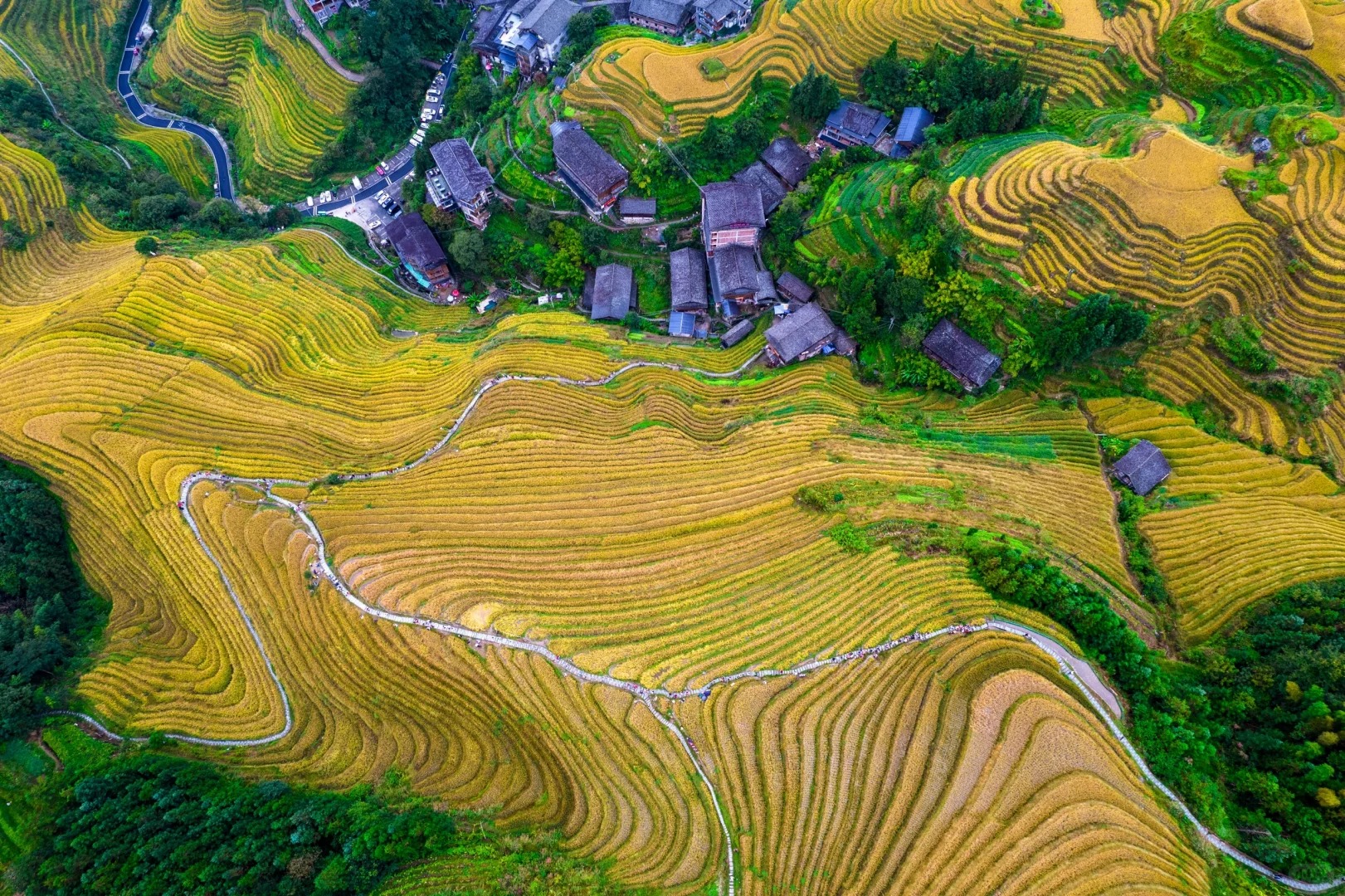
By midday, the sun was hot, so I stopped at a small tea house in Jinlong Village for a break. I ordered a cup of Longji tea, a local specialty grown on the mountainsides. The tea was fragrant and refreshing, with a slightly sweet aftertaste. The tea house owner told me that the tea is picked by hand, and that the best tea is picked in the early morning when the leaves are still damp with dew. As I drank my tea, I watched the farmers continue their work in the terraces, and felt a sense of peace and contentment.
In the afternoon, I visited the Longji Rice Terraces Museum, which tells the story of the terraces and the people who built them. The museum has exhibits on the history of the terraces, the tools used to build them, and the traditional farming methods. I learned that the terraces are not just a beautiful landscape, but also an important agricultural system that helps to prevent soil erosion and conserve water. It’s a testament to the wisdom of the Zhuang and Yao people, who have lived in harmony with nature for thousands of years.
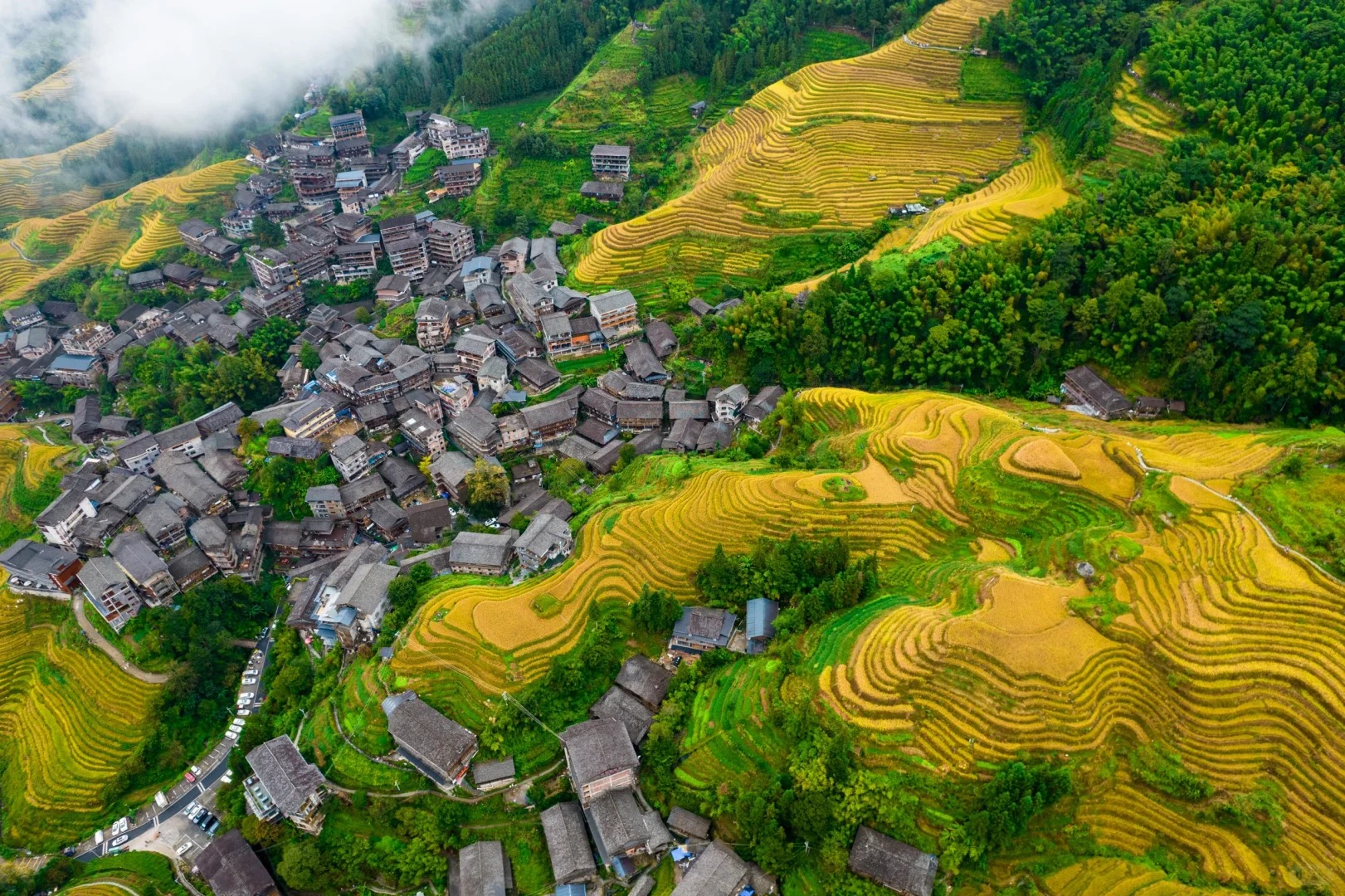
As the sun began to set, I climbed back to the viewpoint to watch the sunset. The sky turned pink and orange, and the terraces were bathed in golden light. The mist returned, wrapping around the mountains like a soft blanket. I stood there, watching the sunset, and felt a deep sense of awe. The Longji Rice Terraces are more than just a scenic spot; they’re a living museum, a reminder of the ingenuity and hard work of the Chinese people. They’re a place where you can connect with nature, learn about local culture, and experience the simple joy of rural life.
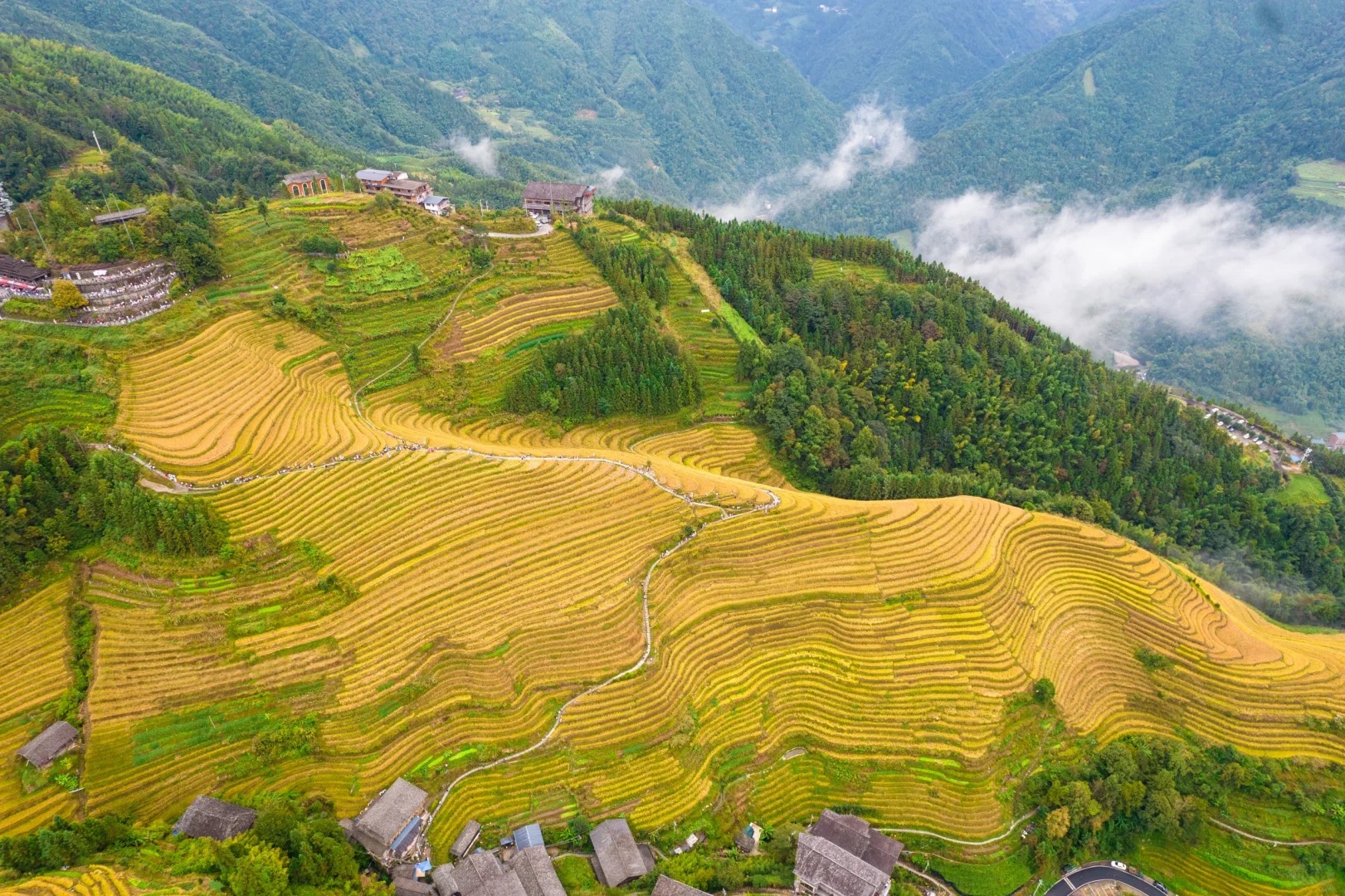
When I left Longji, I took with me not just photos and souvenirs, but also a newfound appreciation for the hard work and wisdom of the farmers who have shaped this landscape. The Longji Rice Terraces are a true wonder of the world, and one that everyone should see at least once in their lifetime. Whether you’re a nature lover, a culture enthusiast, or just someone who appreciates beauty, Longji will leave you spellbound.