There are places on this planet that feel like they belong to another world, and then there are places that feel like they belong to no world at all. The Urho Ghost City, or *Wuerhe Ya Cheng*, is one such place. Located in the Junggar Basin of northern Xinjiang, it is a vast, sprawling expanse of aeolian landforms known as yardangs. It is a place where the wind is the only artist, and the rock is its canvas.
I arrived in Urho in the late afternoon. The sky was overcast, a heavy blanket of grey that pressed down on the desert floor. This was the perfect setting for what I was about to see. As the tour bus entered the scenic area, the landscape began to change. The flat salt-encrusted earth gave way to bizarre, jagged shapes rising from the ground. It looked like the ruins of a massive, ancient metropolis that had been destroyed by a wrathful god.
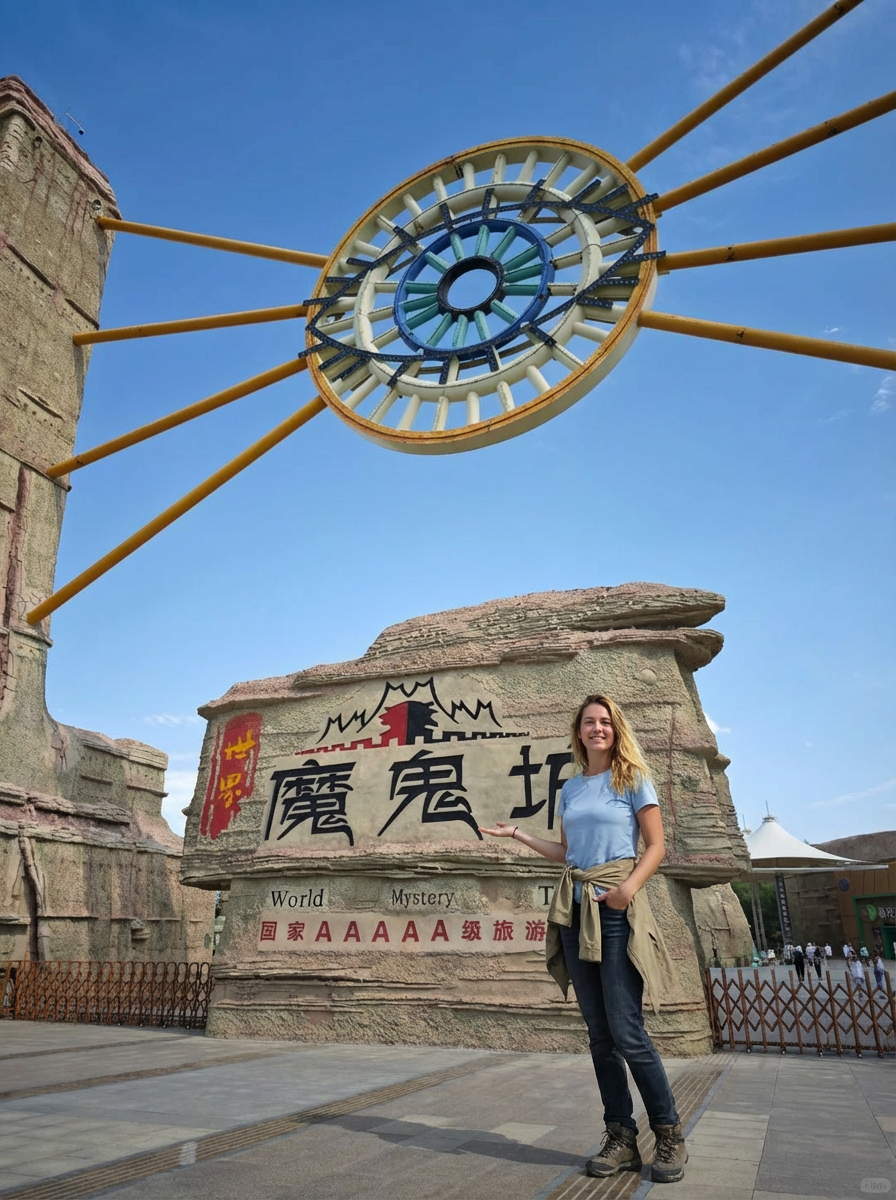
The wind was the first thing I noticed. It wasn’t a gentle breeze; it was a constant, howling force that seemed to come from all directions at once. It grabbed at my clothes and whipped the sand against my legs. This is the “Wind City,” after all. The local Uighur legend says that this place was once a grand castle, but a demon cast a spell on it, trapping the castle and its inhabitants in a storm of sand and turning them into stone.
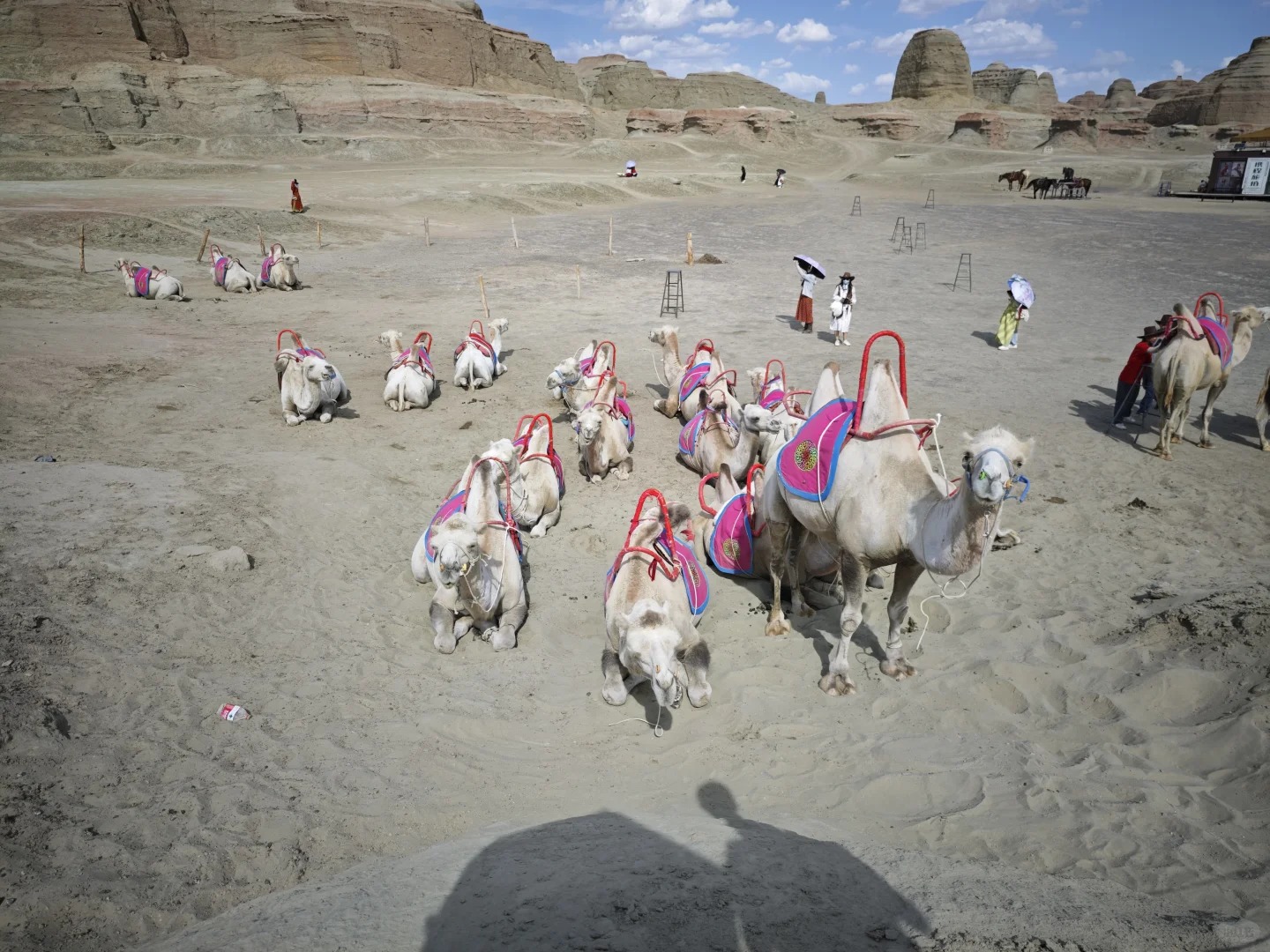
Walking through the alleyways formed by these towering rock formations, I could almost believe the legend. The rocks have been sculpted into shapes that look startlingly like architectural structures. I saw “castles” with turrets, “pagodas” with tiered roofs, and “animals” caught in mid-stride. There is a structure known as the “Peacock looking at the Sea” and another called the “Eagle spreading its wings.” The more I looked, the more my imagination filled in the gaps. It was a game of pareidolia, played on a geological scale.
But as the sun began to set, the Ghost City revealed its true magic. The heavy grey clouds broke, and beams of golden light pierced through, hitting the yellow and grey sandstone. The contrast was dramatic. The rocks turned a burning red-orange, glowing from within against the darkening sky. This is the “Golden Hour” of the Urho Ghost City, and it is a spectacle unlike any other I have witnessed in China.
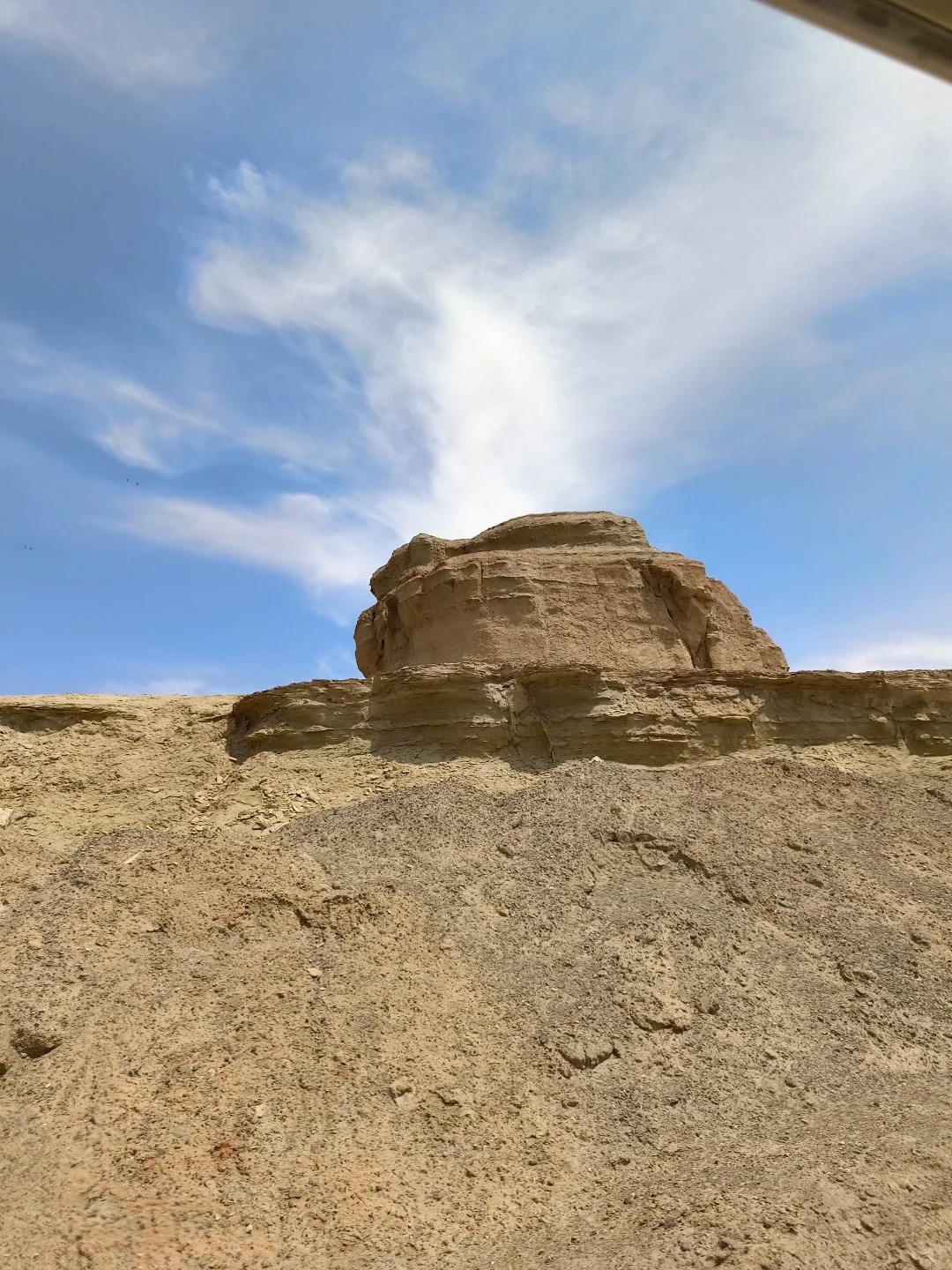
I wandered away from the main viewing platforms, seeking solitude among the stone pillars. The silence here is deceptive. The wind creates sounds that mimic human voices. It howls through the crevices with a high-pitched whine, sometimes sounding like a scream, other times like a low moan. It is easy to see how superstitious travelers in the past could have believed this place was haunted by spirits and demons. Standing there, alone, with the wind screaming around me, I felt a primal fear. I felt like an intruder in a forbidden realm.
The geological history of Urho is fascinating. It was formed by the joint action of wind and water over millions of years. The area was once a huge freshwater lake. As the climate dried up, the lake bed was exposed. The wind, blowing across the Junggar Basin, acted like a sandblaster, carving the soft layers of rock while leaving the hard layers standing. The result is this incredible labyrinth of ridges and valleys, aligned perfectly with the direction of the prevailing winds.
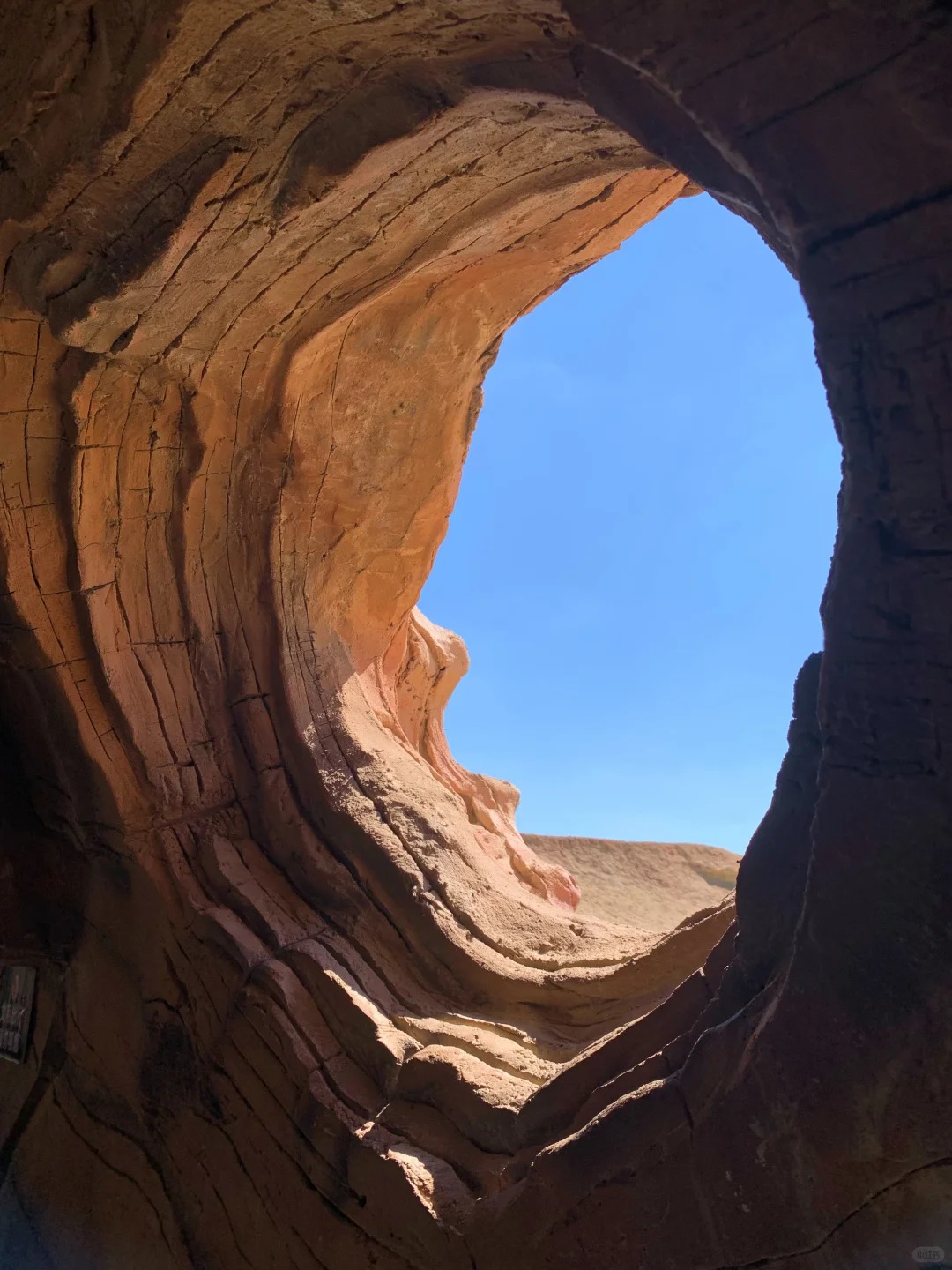
I sat on a ridge and watched the sunset fade into twilight. The colors shifted from gold to purple, and finally to a deep, bruised blue. The shapes of the rocks became more menacing in the dark, turning into silhouetted monsters guarding the secrets of the desert.
One cannot talk about Urho without mentioning the oil. This area is the heart of Karamay’s oil fields. Driving towards the Ghost City, you pass countless nodding donkey pumps, working tirelessly day and night. It is a jarring juxtaposition—the ancient, wind-sculpted ruins and the modern, industrial thirst for energy. It highlights the duality of Xinjiang: a land of untamed beauty and rich resources.
I visited the Urho World Devil City Tourist Center, which offers multimedia displays explaining the geology and the legends. It is a modern facility that contrasts sharply with the raw nature outside. But I preferred the raw nature. I preferred the wind and the rocks.
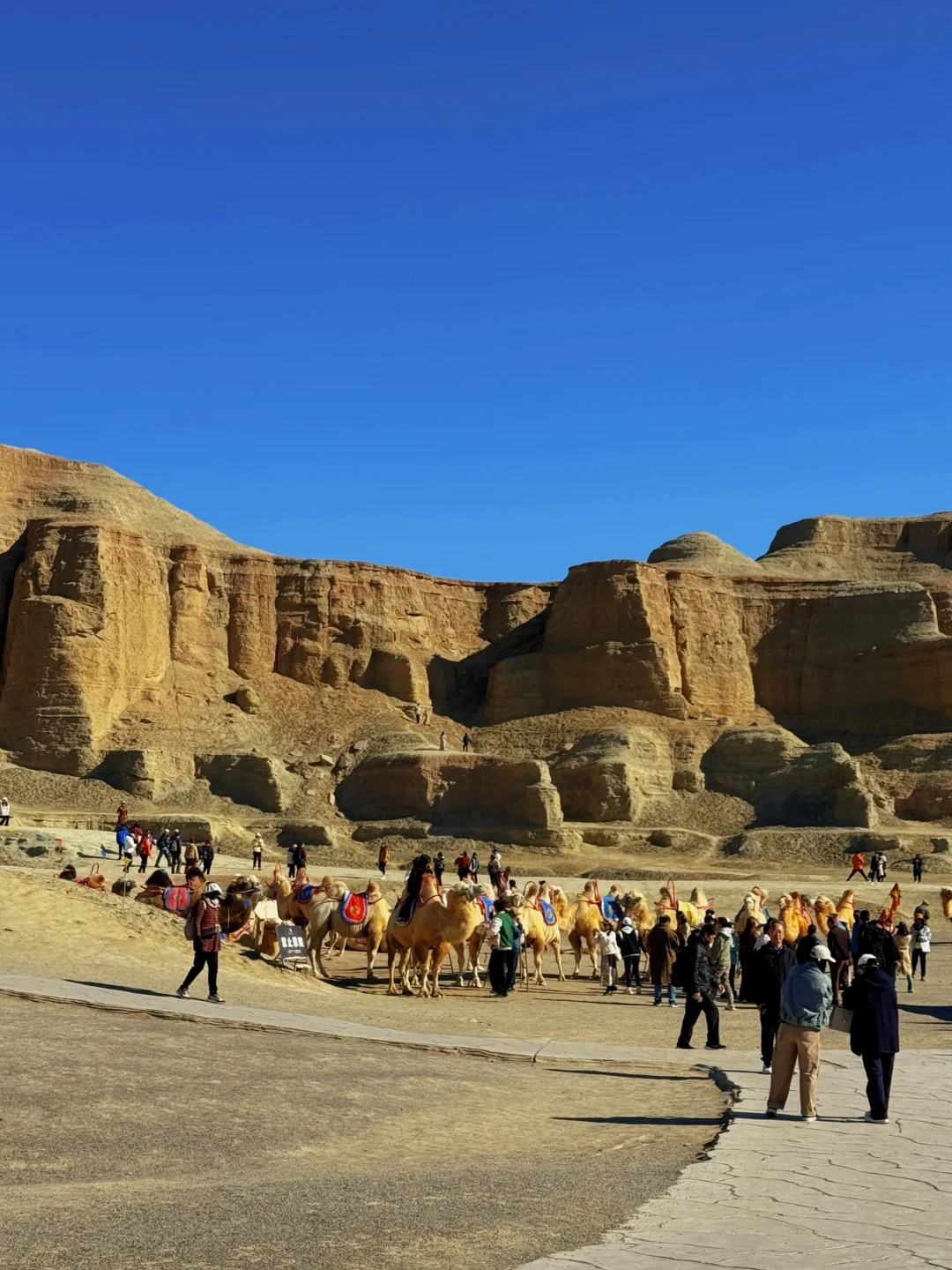
Leaving the Ghost City after dark was an eerie experience. The wind was howling louder than ever, rattling the windows of the van. I looked back at the receding silhouettes of the stone castles. They looked like they were waking up, preparing for the night’s festivities in the dark.
The Urho Ghost City is not a place for comfort. It is a place of harshness and desolation. But it is precisely this harshness that makes it so beautiful. It strips away the illusion of safety and reminds you of the raw power of nature. It is a place where you can feel small, insignificant, and absolutely alive.
If you find yourself in northern Xinjiang, take the time to visit Urho. Do not just look from the distance. Walk into the maze of stones. Listen to the wind scream. Let your imagination run wild. For a few hours, you can step into a fantasy world, a world sculpted by the breath of the earth. It is an experience that will haunt your dreams long after you have left the desert.