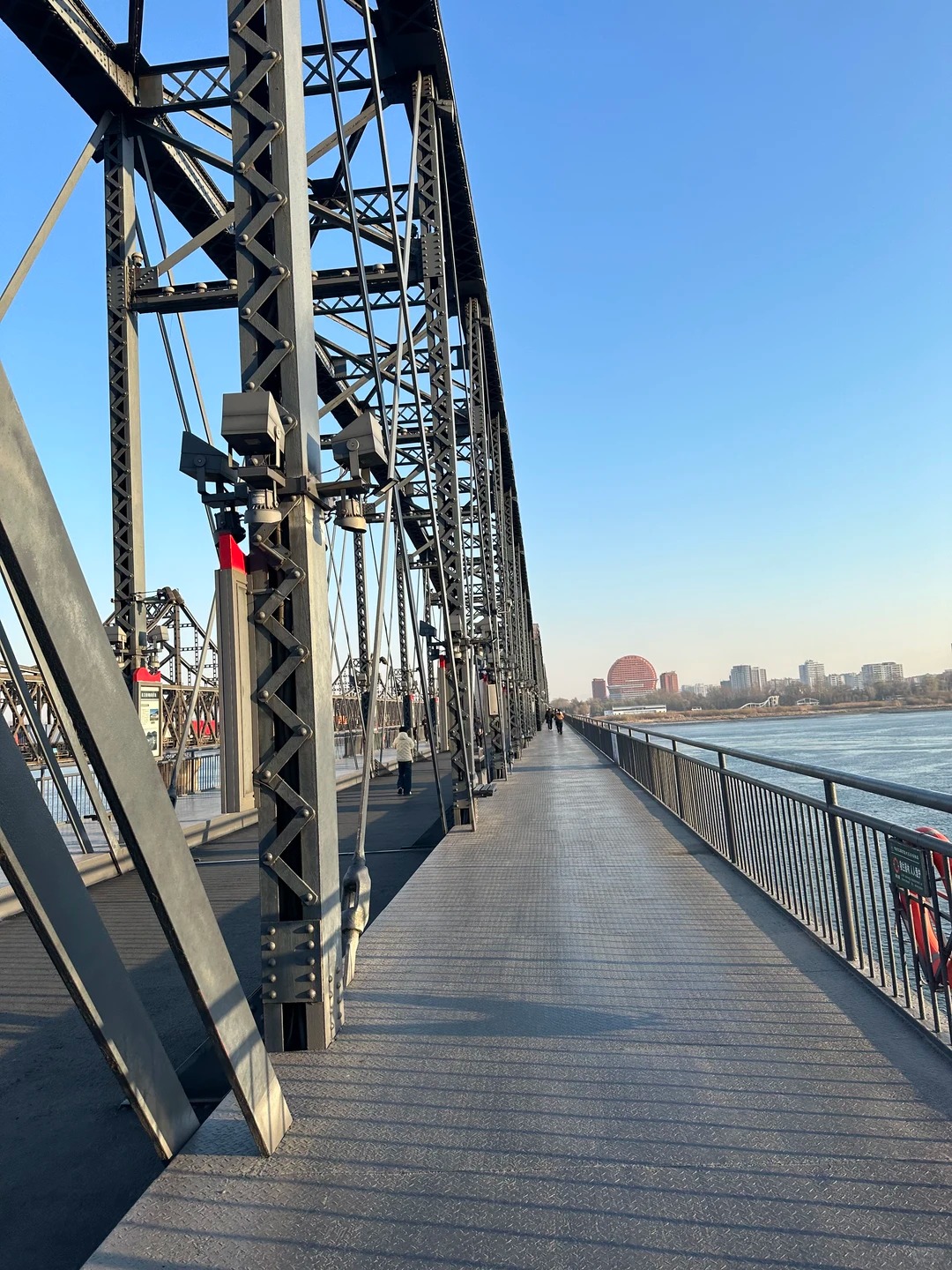
Standing on the banks of the Yalu River in Dandong, I gazed across the water at the Broken Bridge, its rusted steel frame stretching halfway across the river before ending abruptly in the current. The bridge, which once connected China and North Korea, is more than just a structure—it’s a silent witness to decades of history, from the chaos of war to the warmth of friendship between the two nations. As I walked onto the bridge, the wind blew gently, carrying the sound of the river rushing below, and I felt a sense of reverence for the stories that this broken structure holds.
The Broken Bridge, officially known as the Yalu River Railway Bridge No. 1, was built in 1909 by the Japanese during their occupation of Northeast China. It was originally a dual-purpose bridge for trains and pedestrians, and it played a crucial role in connecting the two sides of the Yalu River. During the War to Resist U.S. Aggression and Aid Korea (1950-1953), the bridge became a vital supply line for Chinese volunteer soldiers and materials heading to North Korea. However, in 1951, U.S. warplanes bombed the bridge, destroying the section that spanned the middle of the river and leaving only the Chinese side intact. Today, the broken end of the bridge stands as a stark reminder of the hardships and sacrifices of that era.
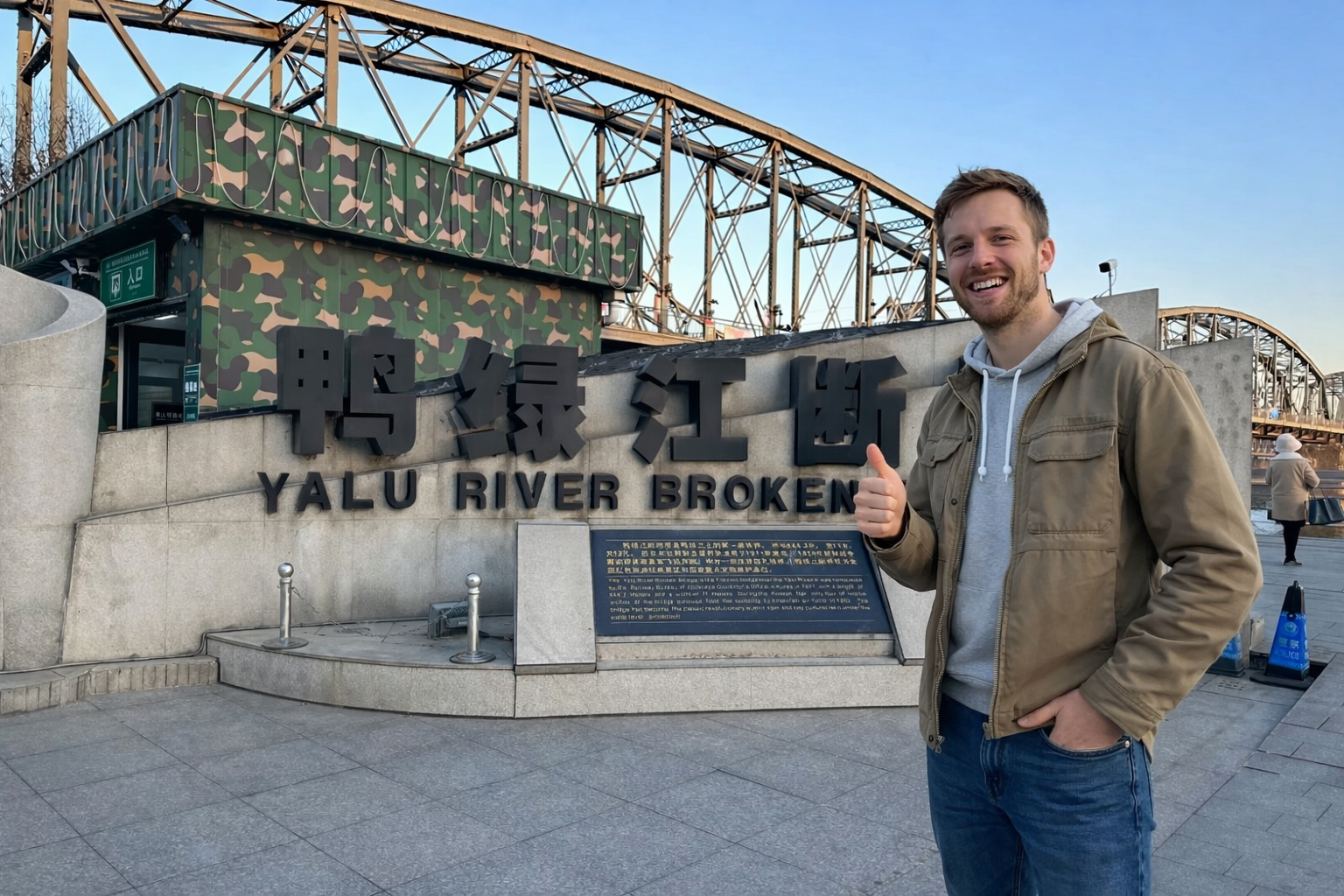
As I walked along the bridge, I passed by several exhibition boards that displayed old photos and historical documents about the bridge’s history. One photo showed the bridge in its prime, with trains and pedestrians crossing back and forth, and another showed the aftermath of the bombing, with smoke rising from the broken steel beams. There were also photos of Chinese volunteer soldiers marching across the bridge, their faces determined as they headed to the battlefield. Looking at these photos, I could almost feel the tension and urgency of that time, and I gained a deeper understanding of the role that the bridge played in the war.
Halfway along the bridge, I reached the broken end. Looking out at the river, I could see the North Korean side clearly—the buildings, the trees, and even the people walking along the riverbank. It was a strange feeling, standing there on the edge of two nations, separated only by the width of the Yalu River. The water below was calm, but the history of the bridge made the moment feel heavy with significance. I noticed several locks hanging on the steel frame of the bridge, left by couples and friends as a symbol of their love and friendship. It was a touching contrast to the bridge’s war-torn past, a sign that even in the face of conflict, human connection and hope endure.
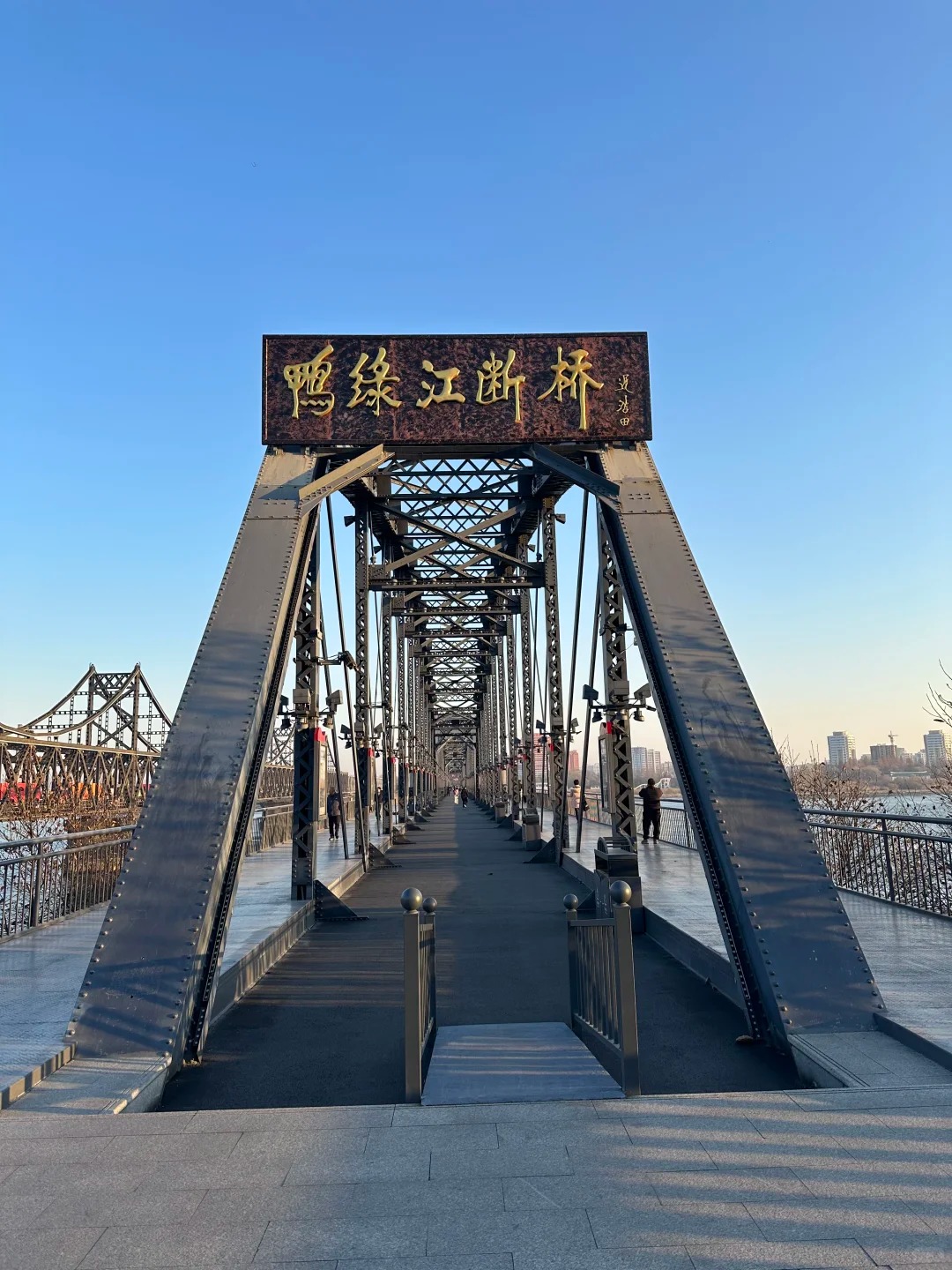
One of the most moving parts of my visit was the Memorial Hall at the entrance of the bridge. The hall houses a collection of artifacts from the war, including weapons, uniforms, and personal items of the volunteer soldiers. There’s also a large-scale diorama that recreates the scene of the bridge being bombed, with sound effects and lighting that make you feel as if you’re right there in the middle of the action. I spent a long time in the hall, reading the stories of the soldiers and their families. One story in particular stuck with me: a young soldier who wrote a letter to his mother before heading to the battlefield, telling her that he would fight bravely to protect his country and that he hoped she would be proud of him. It was a powerful reminder of the human cost of war.
As I walked back to the Chinese bank, I noticed a group of elderly veterans visiting the bridge. They were wearing their military uniforms, and some of them had medals pinned to their chests. They stood at the broken end, looking across the river, and I could see tears in their eyes. One of the veterans told me that he had crossed this bridge as a young soldier during the war, and returning here brought back many memories. It was a humbling moment, and it made me appreciate the peace and prosperity that we enjoy today.
After leaving the bridge, I wandered around the nearby Yalu River Park. The park is a popular spot for locals and tourists alike, with benches where you can sit and watch the river, and stalls selling local snacks and souvenirs. I tried a bowl of cold noodles, a local specialty, and it was refreshing and delicious. As I sat on a bench, watching the boats sail up and down the river, I thought about the bridge and its history. It’s easy to see the Broken Bridge as just a tourist attraction, but it’s so much more than that. It’s a symbol of courage, sacrifice, and friendship, a reminder of the past and a hope for the future.
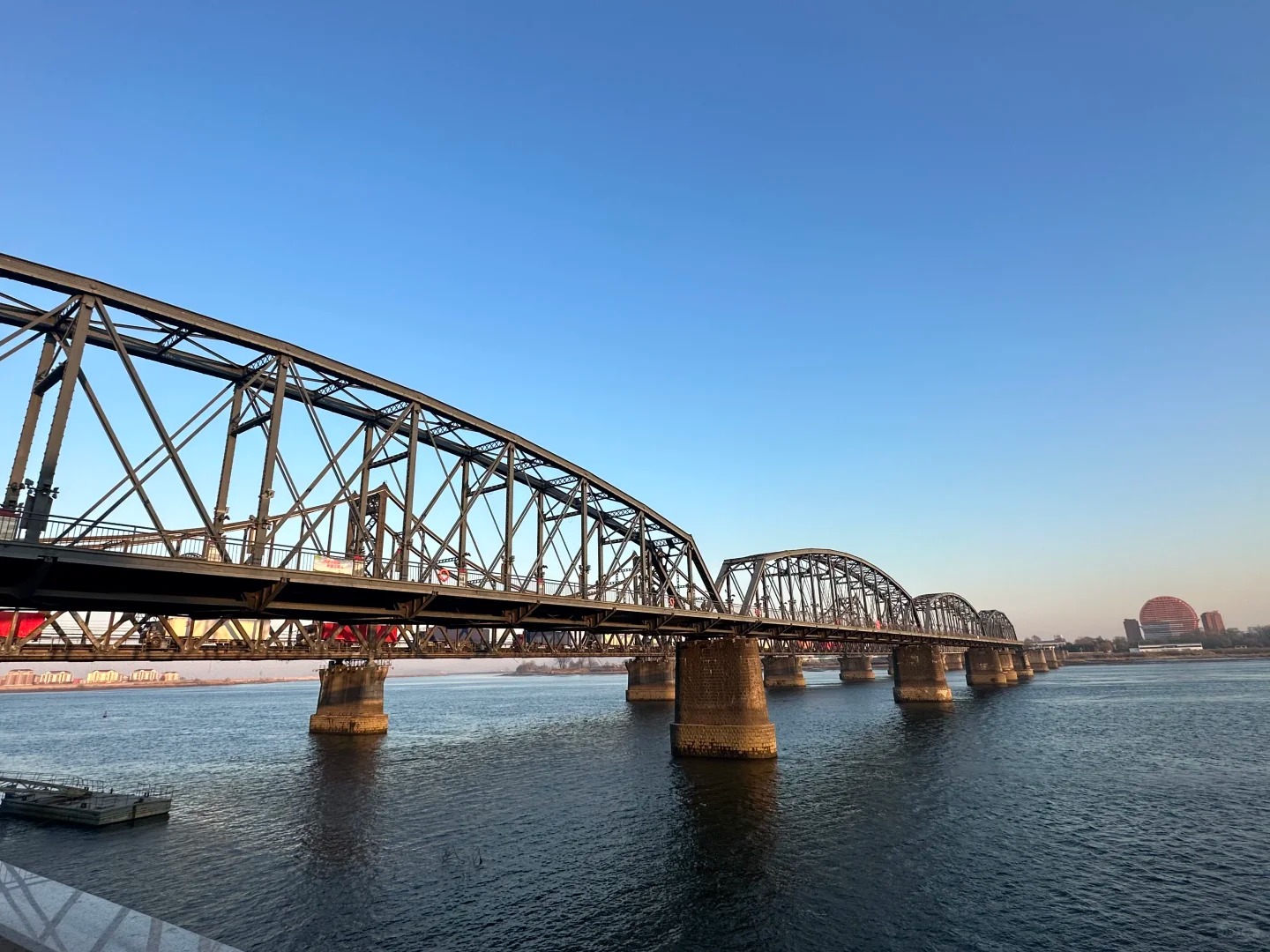
As the sun set, the sky turned pink and orange, and the bridge was bathed in golden light. I took one last photo of the broken structure, standing tall against the sunset, and I knew that this was a place I would never forget. The Broken Bridge on the Yalu River is not just a bridge—it’s a piece of living history, a testament to the strength and resilience of the Chinese people, and a symbol of the enduring friendship between China and North Korea. If you ever visit Dandong, make sure to take the time to walk across this bridge. It’s an experience that will touch your heart and leave you with a deeper understanding of history.