On a sweltering July afternoon in Beijing, when the heat radiates off the pavement in shimmering waves, the city can feel overwhelming. That was exactly how I felt—sticky, tired, and desperate for an escape—when I hailed a taxi and directed the driver towards the northwest suburbs. My destination was the *Yiheyuan*, or the Summer Palace. I knew it was a royal retreat, but I was unprepared for the sheer scale of tranquility that awaited me. It wasn’t just a garden; it was a world unto itself.
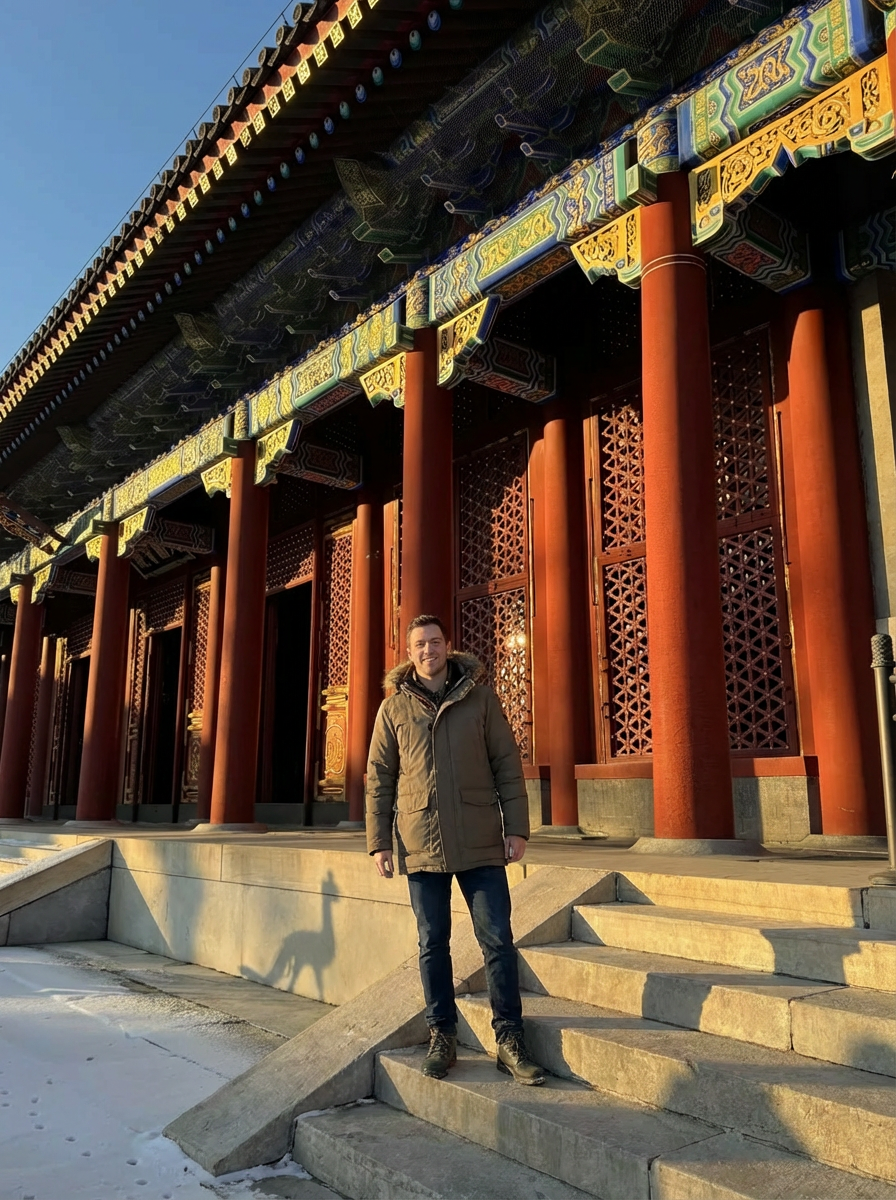
Entering through the East Palace Gate, the noise of the modern city instantly faded away, replaced by the rustle of weeping willows and the gentle lapping of water. The first thing that strikes you about the Summer Palace is the dominance of Kunming Lake. It is massive, a man-made expanse of water that mirrors the sky, designed to look like the West Lake in Hangzhou. I stood on the marble bridge for a long time, watching dragonflies dart over the lotus leaves. The lotus flowers were in full bloom—vibrant pinks and whites standing tall against the green pads, looking like painted ladies from a centuries-old scroll.
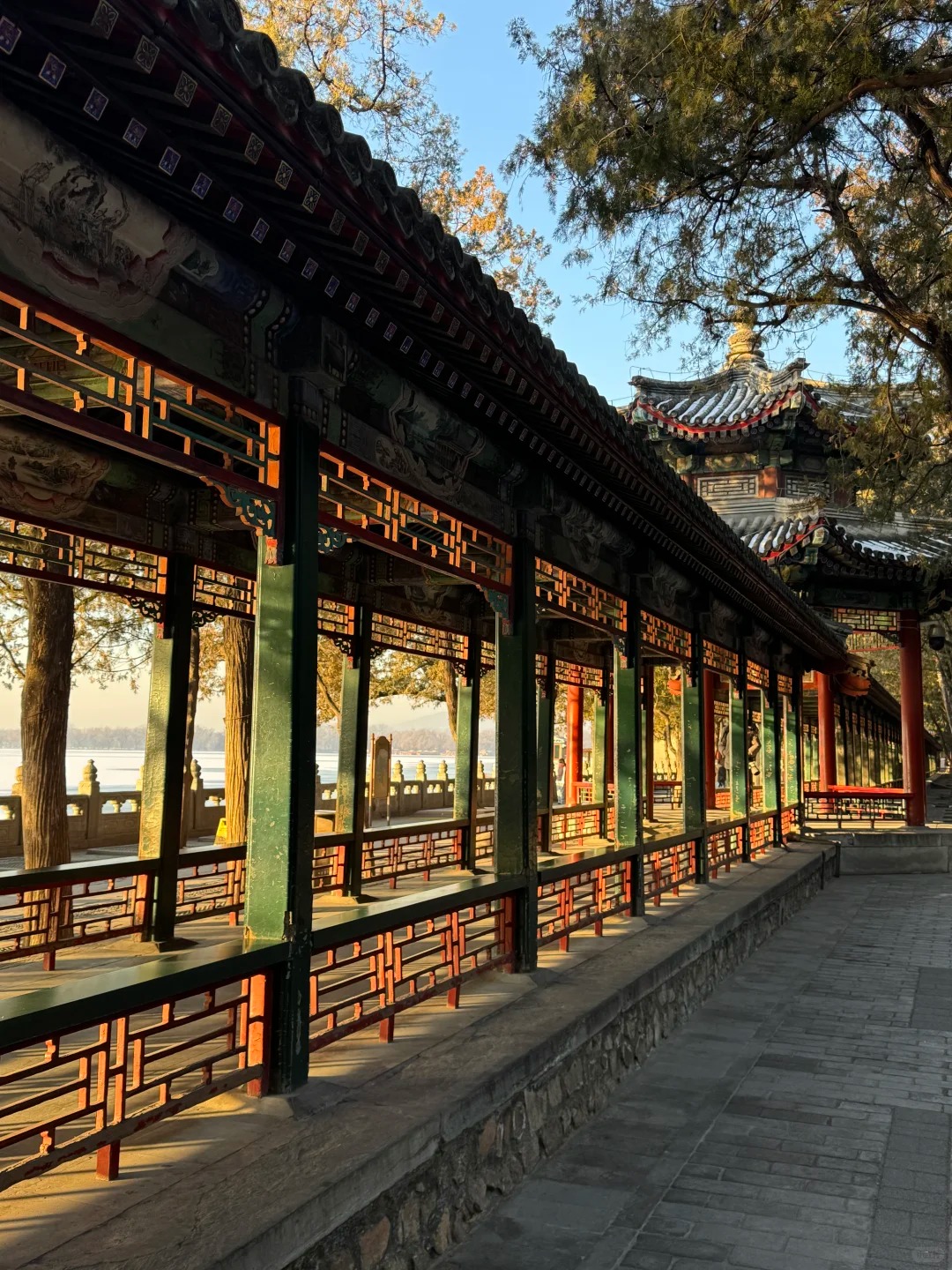
I began my walk along the Long Corridor, a structure that sounds pedestrian in description but is breathtaking in reality. It stretches over 700 meters, covered from end to end in intricate wooden paintings. As I walked, I tried to decipher the stories depicted on the beams—tales from the *Journey to the West* and the *Romance of the Three Kingdoms*. It felt like walking through a comic book from the Qing Dynasty. I wasn’t just walking; I was being educated, entertained, and shaded all at once.
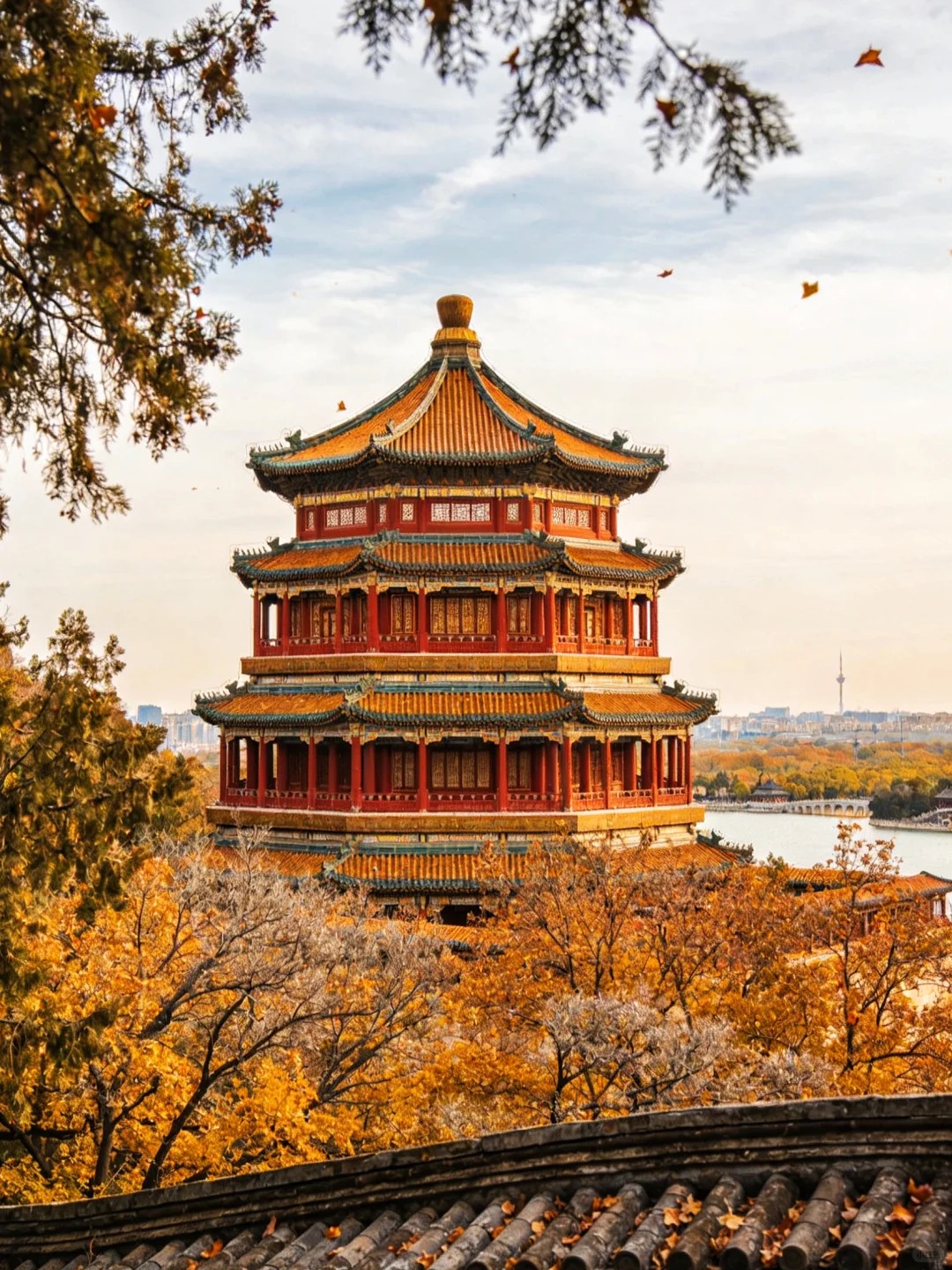
The crowds thinned out as I made my way up Longevity Hill (*Wanshou Shan*). The climb is steep, shaded by ancient cypress trees that smell like resin and rain. Reaching the Tower of Buddhist Incense at the summit was the highlight of the day. From here, the true genius of the imperial architects reveals itself. Looking down, you see the perfect harmony of the layout: the Seventeen-Arch Bridge spanning the water like a rainbow, the Nanhu Island sitting like a jade pendant, and the distant hills framing the whole scene. Empress Dowager Cixi, who famously restored this palace with funds intended for the navy, certainly knew how to pick a view. Standing there, looking out over the domain she once ruled, I felt a strange empathy for the woman who wanted to escape the suffocating Forbidden City for this open air.
My favorite moment, however, was not at the grand viewpoints but in the quieter corners of the back lakes. I rented a wooden electric boat, putt-puttering across the water at a leisurely pace. There is a unique perspective of China from the middle of a lake. You see the people painting on the banks, the elderly flying kites that look like eagles, and the families having picnics under the trees. It feels like a Sunday in the park, multiplied by a thousand years.
Back on dry land, I wandered towards the Western Bank, an area designed to resemble rural Suzhou. Here, the architecture changes from grand imperial yellow tiles to simple grey brick and white wash. It feels more intimate, more like a scholar’s retreat. I sat on a stone bench near a small shop and watched an old man write calligraphy on the ground with a giant brush dipped in water. The characters evaporated in the sun within minutes, a beautiful metaphor for the fleeting nature of life.
As the sun began to dip, casting a golden “magic hour” light over the hills, I made my way to the Marble Boat. It’s a strange, somewhat ostentatious structure—a boat made of stone that cannot sail. It was meant to symbolize the stability of the Qing Dynasty, an empire that would never be overturned by the waves of time. Of course, history proved that irony wrong, but the boat remains, floating in silence, a monument to ambition and denial.
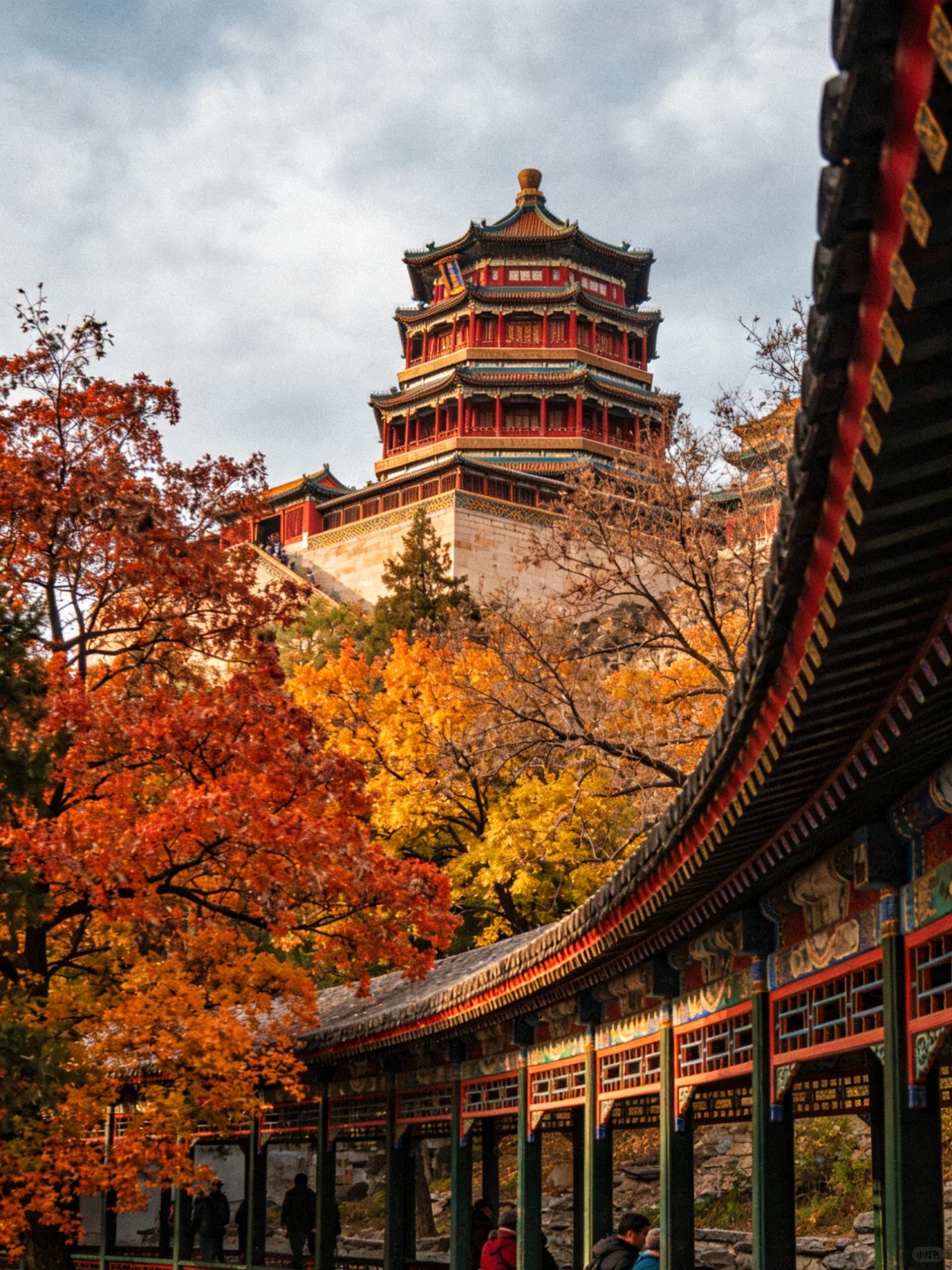
I left the Summer Palace as the gates were closing, my legs tired but my spirit completely reset. It wasn’t just the beauty of the scenery; it was the atmosphere. It was seeing how modern Beijingers still utilize this imperial playground—kite flyers, Tai Chi practitioners, singers in the pavilions. The Summer Palace is not a dead museum; it is a living, breathing lungs of the city. It taught me that in the midst of a bustling metropolis, there is always a sanctuary if you know where to look. It was a masterclass in finding peace, just as the emperors intended, centuries ago.