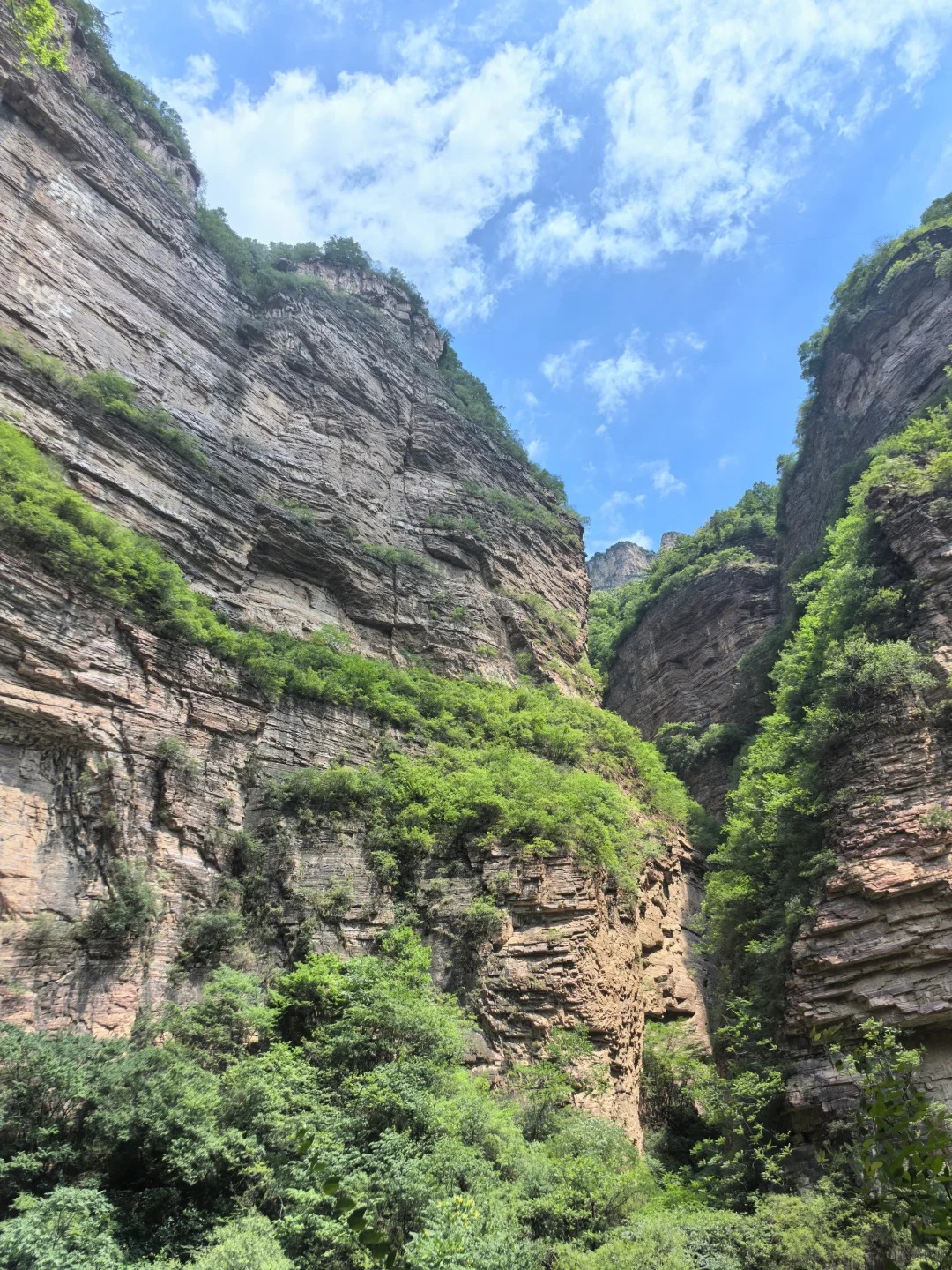
I have always been drawn to places that make me feel small. In our modern cities, surrounded by skyscrapers, we trick ourselves into thinking we dominate the landscape. But the Taihang Grand Canyon, sprawling across the borders of Shanxi and Henan, does not allow for such arrogance. It is a place of sheer, overwhelming verticality, where red sandstone cliffs rise like the walls of a fortress, piercing the sky.
My adventure began with a drive that tested my nerves. I rented a car in Linfen and headed south towards the Hongtong section of the canyon. The “Sky Road” here is famous among Chinese drivers for its thrilling hairpin turns. As I wound my way up the mountain, clinging to the edge of the precipice, the mist cleared to reveal a view that took my breath away. It wasn’t just a valley; it was a massive scar in the earth’s crust, revealing layers of red rock millions of years old.

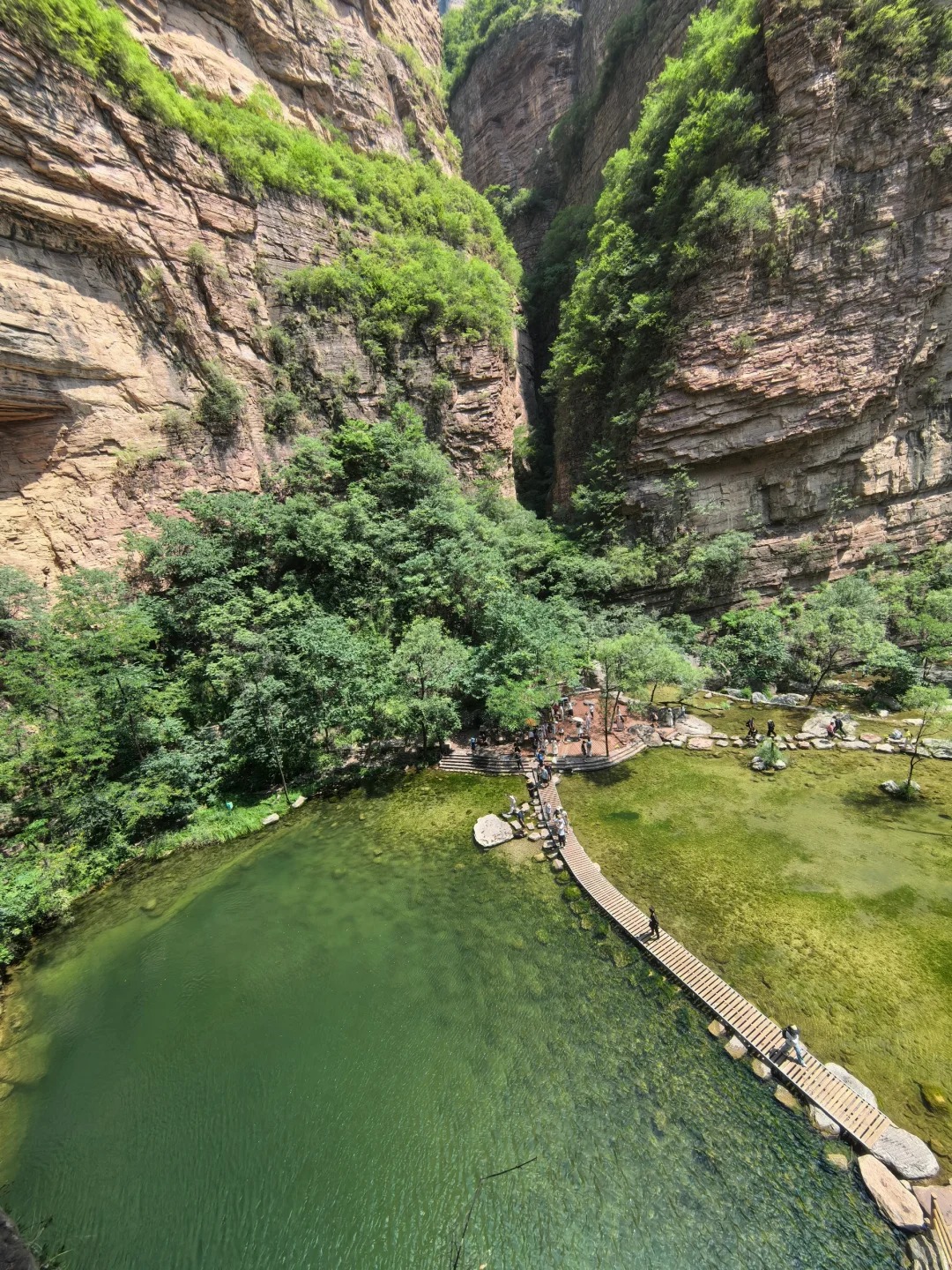
I parked at the entrance to the Peach Blossom Valley (Taohuagu). Despite the name suggesting a gentle spring walk, the valley is rugged and wild. As I descended into the gorge, the temperature dropped immediately. The air was damp and smelled of wet moss and running water. The walls of the canyon here are so narrow that at midday, the sun only penetrates to the bottom for a brief hour. I walked along a wooden boardwalk suspended over a rushing stream. The sound of the water was deafening—a chaotic roar as it tumbled over smooth boulders.
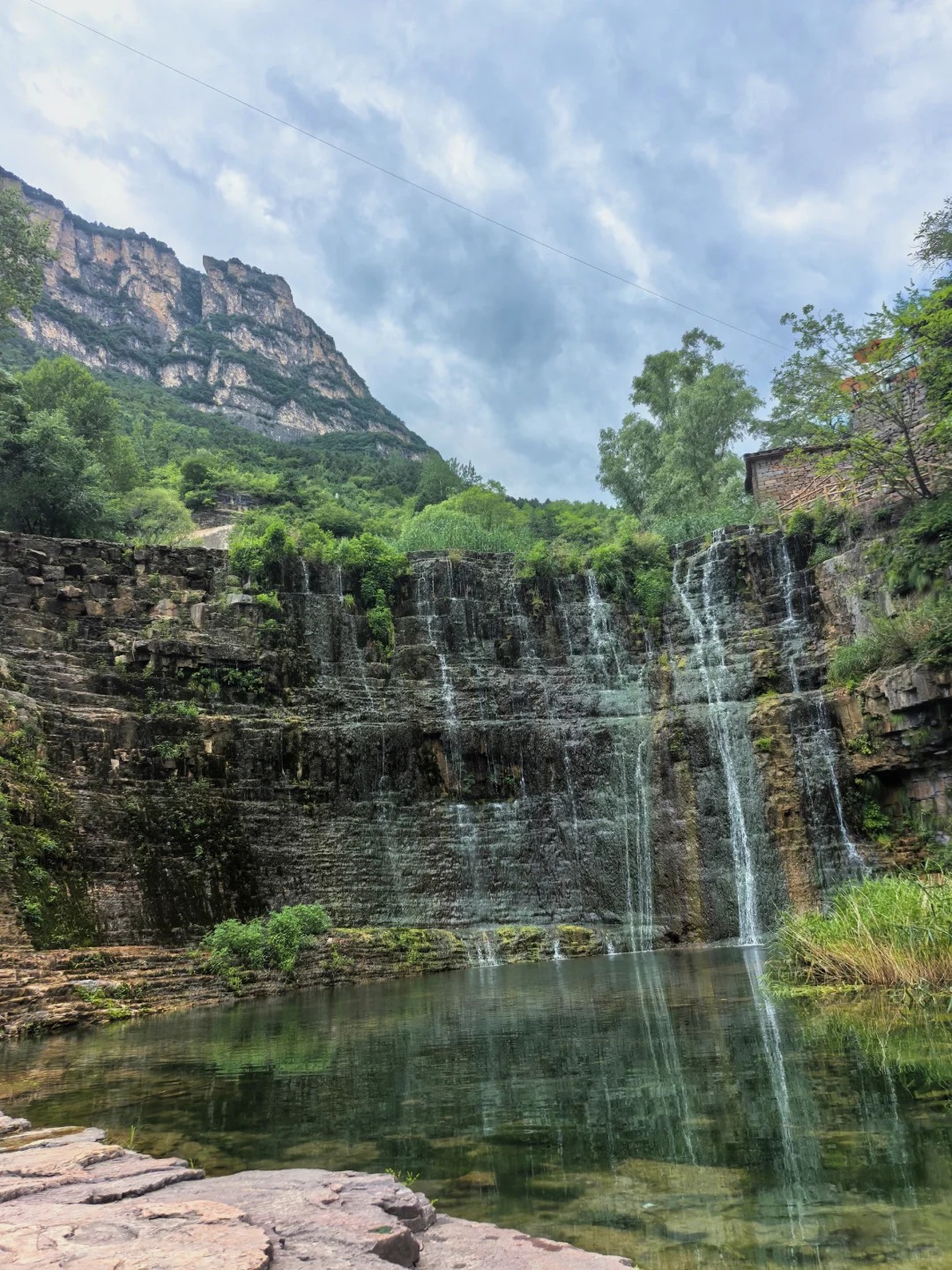
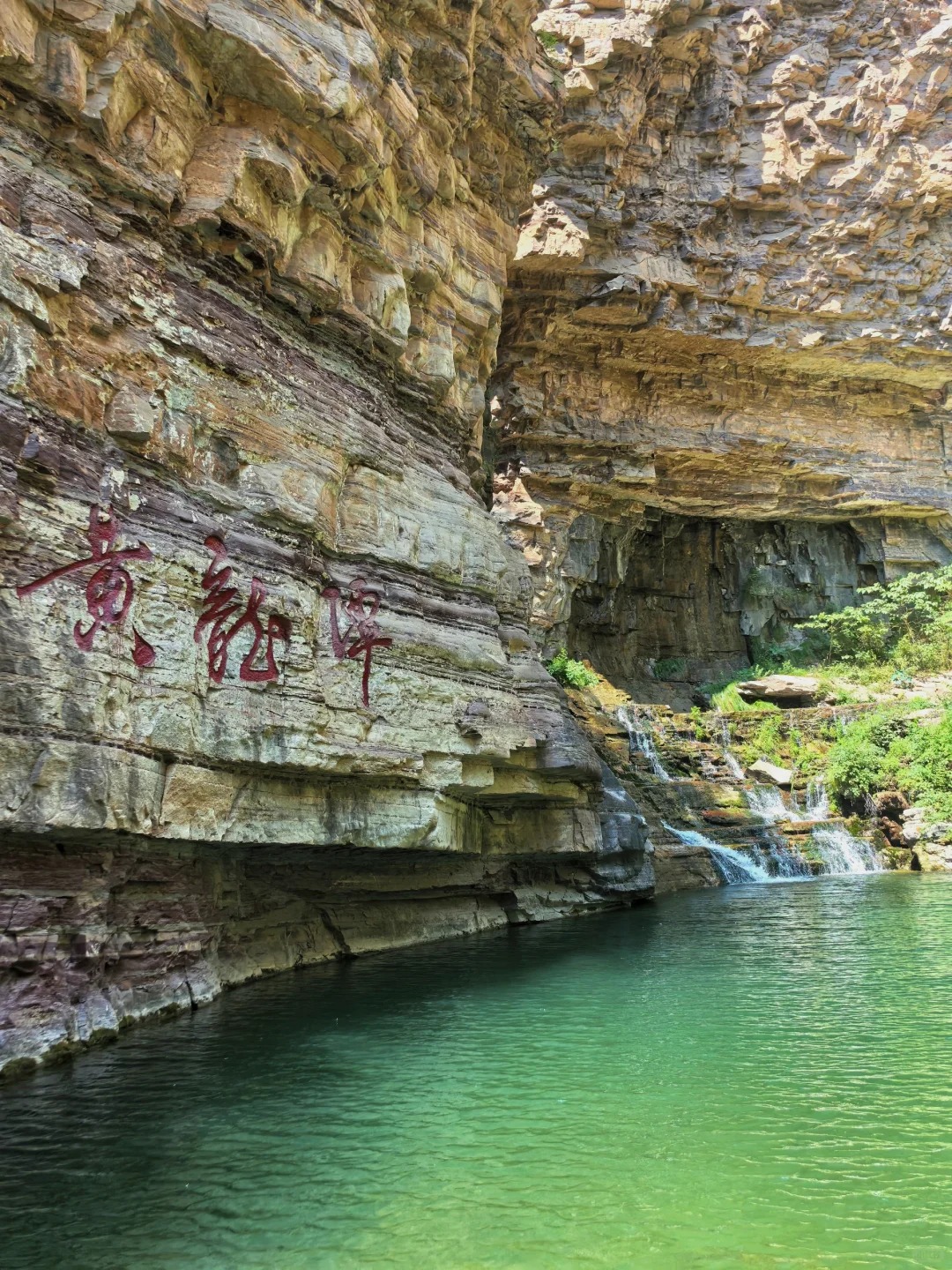
What struck me most about Taihang was the color. The rock is a deep, oxidized red, contrasting violently with the vibrant green of the vines and ferns clinging to the cliff faces. It felt like walking inside a painting. I stopped at a spot called the “Dragon’s Throat,” where the river narrows into a churning whirlpool. I stood there for twenty minutes, just watching the water battle against the rock. It was a reminder of the persistence of nature.
Midway through the hike, I met a local artist painting the scenery on a small easel. He was an older man with a grey beard, dressed in a faded blue jacket. “The light changes every second,” he told me, gesturing with his brush. “You have to paint fast.” He offered me a sip of tea from his thermos. It was jasmine tea, sweet and floral, a comforting contrast to the wild energy of the canyon.
Leaving the valley floor, I took the cable car up to the Yunv Peak (Goddess Peak). This is where the true scale of the Taihang Mountains hits you. The cable car ride is an experience in itself—you are suspended in a glass box, floating over a thousand meters of nothingness. I watched hikers on the ridge trail below, looking like tiny ants. When I reached the top, the wind was ferocious. It whipped my clothes and stung my face. But the view… oh, the view. To the north, south, east, and west, range after range of mountains rolled out like a stormy sea. There were no other tourists on the peak at that moment. It was just me and the mountain. I felt a primal urge to shout, to let the wind carry my voice away. So I did. It felt incredibly liberating.
For lunch, I stopped at a small farmhouse restaurant perched on a ridge. The specialty here is “Taihang Donkey Meat,” a local delicacy known for its high protein and fine texture. The owner, a jovial woman with sun-weathered skin, served me a bowl of donkey meat stew with chili oil. It was spicy, savory, and incredibly tender—the perfect fuel after a morning of hiking.
I spent the afternoon hiking the “Sky Trail,” a narrow path cut into the face of a vertical cliff. It is not for the faint of heart. In some sections, the path is barely wide enough for one person, with a sheer drop of hundreds of meters on one side and a solid rock wall on the other. My hands were sweating as I gripped the iron chain railing. But with every terrifying step came a reward: a new angle, a new vista, a new appreciation for the sheer audacity of the people who built this trail.
As the sun began to set, the red cliffs turned a deep purple. I made my way back to the car, exhausted but buzzing with adrenaline. The Taihang Grand Canyon is not a place you simply “see”; it is a place you survive. It is raw, untamed, and majestic. It reminds you that the earth is ancient, and we are just passing through.