History is often found in museums, behind glass cases. But in Turpan, history is found in the open air, baking under the merciless sun. Jiaohe Ancient City is the oldest and largest earth-structure city in the world. As I stood on the edge of the cliff looking down at the ruins, I felt a profound sense of melancholy. This was once a bustling metropolis, the capital of the Cheshi Kingdom. Today, it is a skeleton of mud and wood, telling the story of a civilization that vanished into the dust.
The city is built on a natural plateau shaped like a willow leaf, situated on an island in the middle of a river. Two rivers carved the deep valleys on either side, creating a natural fortress. It is a strategic location that made the city impregnable for centuries.
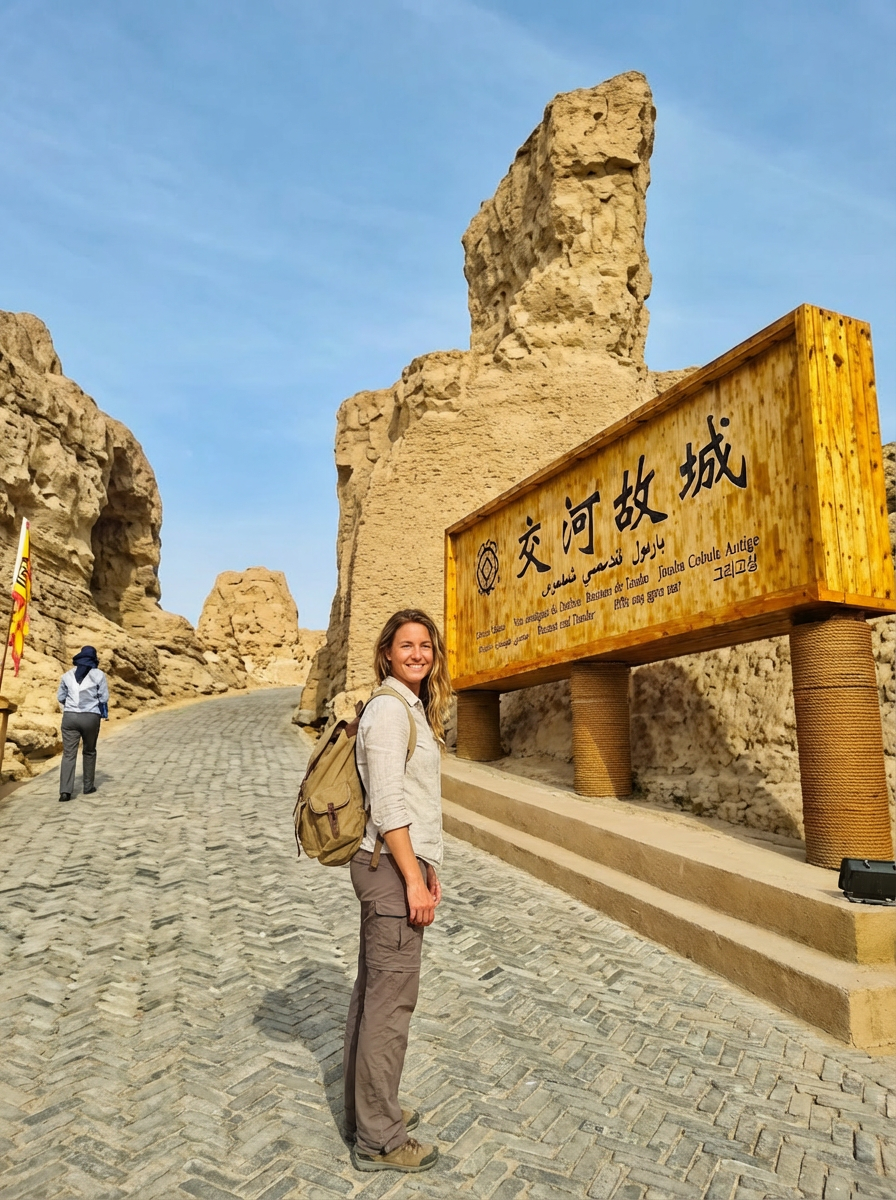
I descended the steep path into the ruins. The silence was heavy. There were no vendors, no restaurants, just the wind whistling through the empty streets. The layout of the city is still clearly visible. It is like a giant, empty maze.
I walked along the main street, which cuts through the center of the city from north to south. The ground was uneven, littered with potsherds and crumbling bricks. I stopped to pick up a piece of clay. It was rough, sun-baked. I wondered who made it. Whose hands molded this brick? Whose house did it build?
The residential area is a labyrinth of alleys. Most of the houses were dug directly into the earth. The walls are low, but you can still see the layout of the rooms—the hearths, the storage pits. It was a dense, crowded city. I tried to imagine the sounds of the past—the chatter of merchants, the crying of children, the braying of donkeys. Now, only the wind remains.
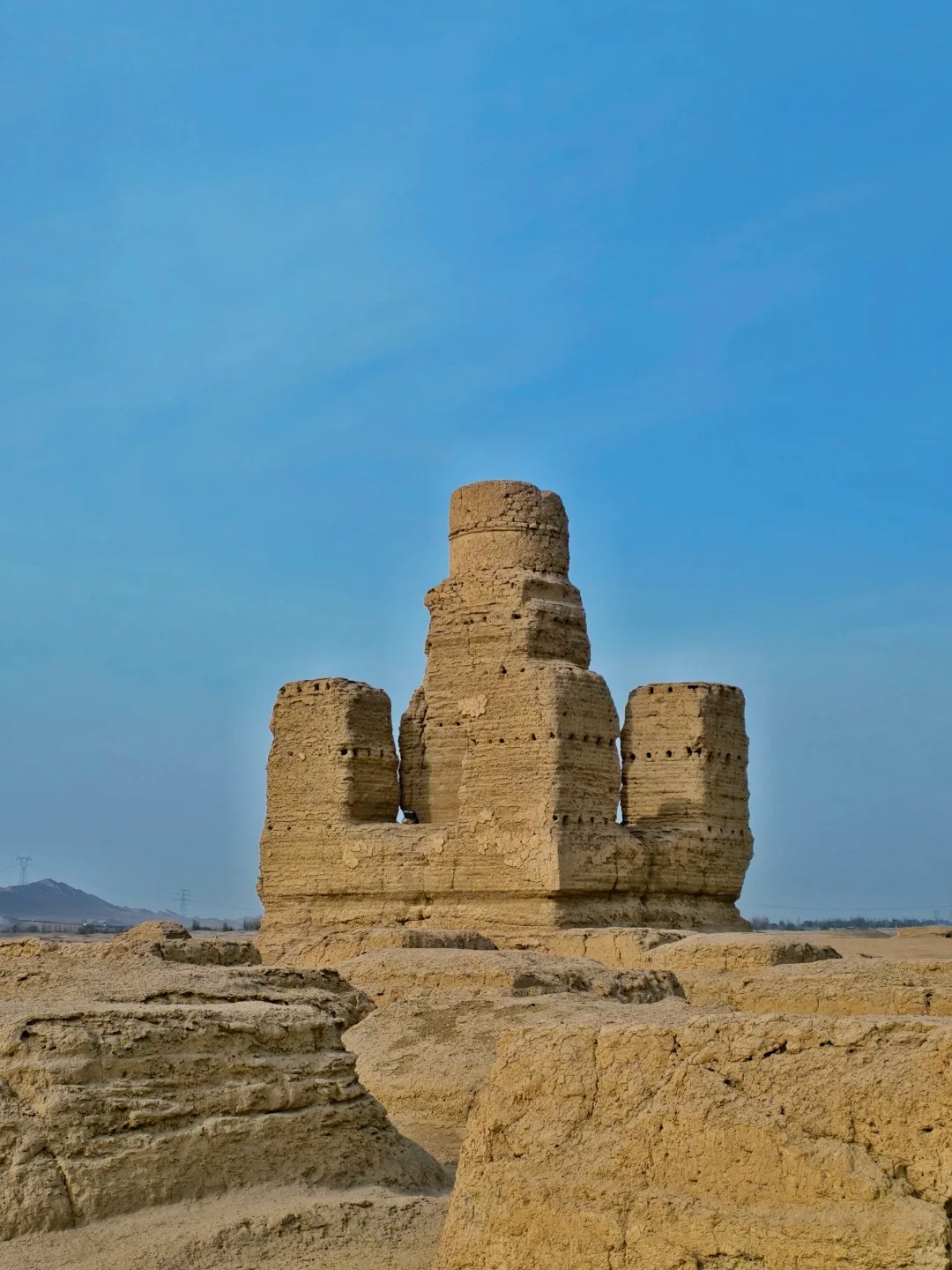
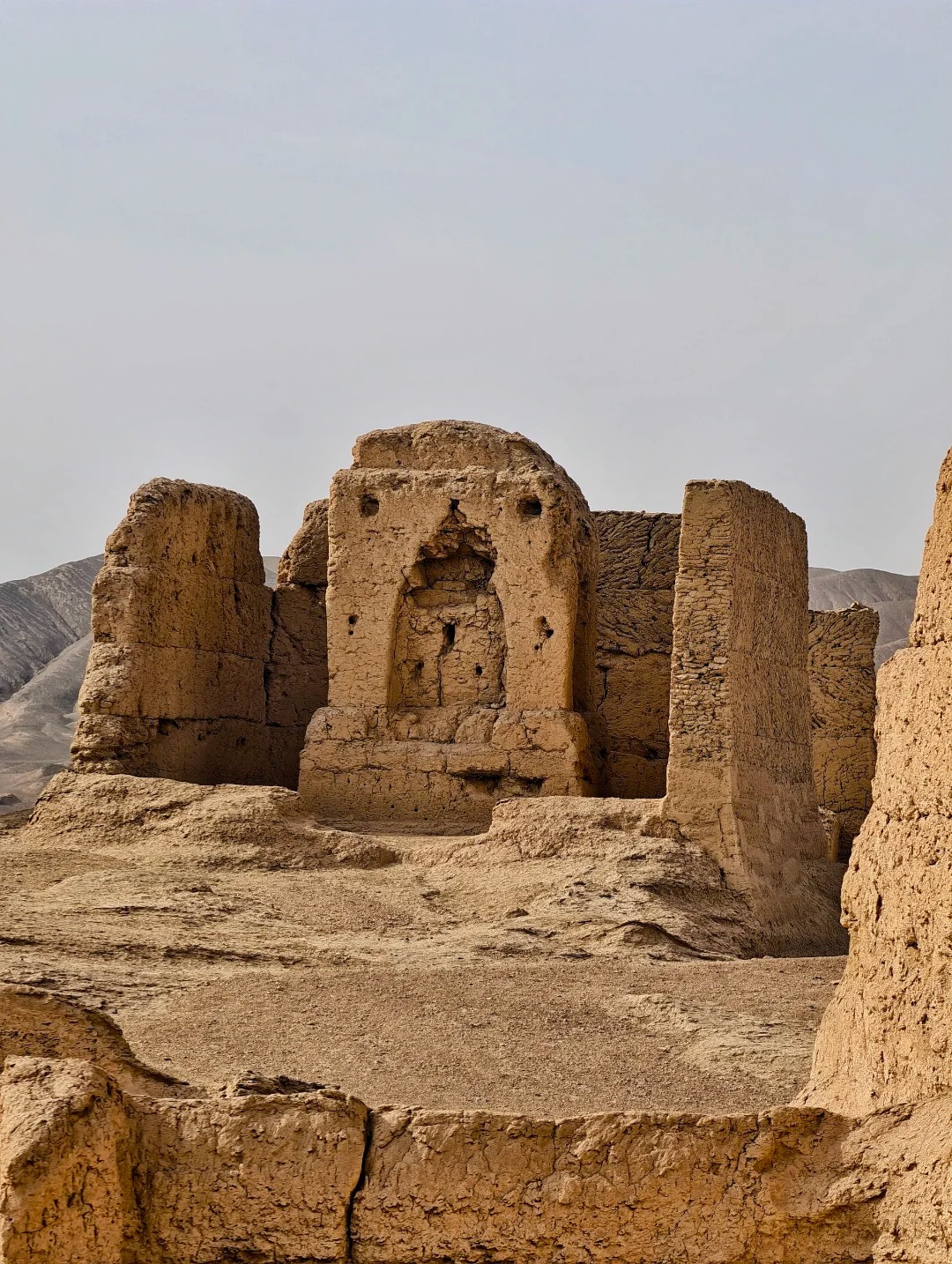
I made my way to the administrative center. Here, the ruins are taller and more imposing. The foundations of the Great Temple and the smaller temples are still standing. The Great Temple is the largest building in Jiaohe. I stood in the courtyard, looking up at the ruined walls. It must have been a magnificent sight when it was whole, filled with monks and worshippers. Now, the sky is its roof.
One of the most poignant spots is the “Stupa Forest.” A row of stupas (Buddhist pagodas) stands on a high platform. They are worn down by the elements, their features smoothed away, but their form is still distinct. It is a sacred place, even in its ruin. I sat on the ground near the stupas and meditated for a while. The wind seemed to carry the prayers of the past.
The resilience of the architecture is amazing. These structures are made of loess (silt), hardened by the sun and wind. They have withstood earthquakes, sandstorms, and the march of time for over 2,000 years. Yet, they are fragile. I watched a tourist climb on a wall, causing a chunk of it to crumble and fall. It felt like a sacrilege. This is a living museum, but it is also a dying one. Every year, a little more of Jiaohe returns to the dust.
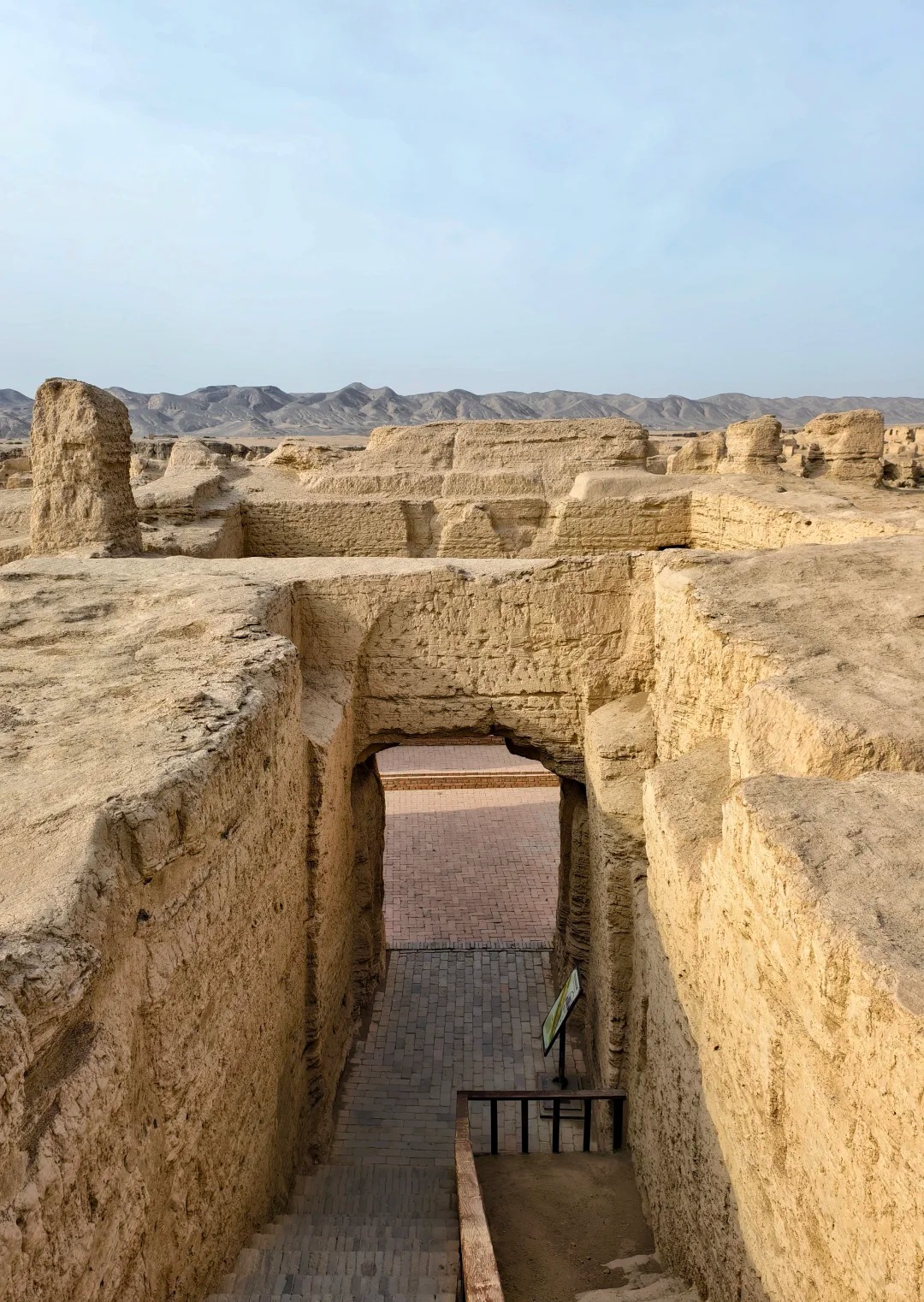
I hiked to the southern end of the island, where the cliff drops steeply to the river below. The view is breathtaking. The two rivers are like silver ribbons protecting the city. The surrounding greenery of the vineyards contrasts sharply with the brown, dusty ruins. It is a beautiful, tragic scene.
I met a local guide who was explaining the history to a group of tourists. He spoke of the city’s destruction by Genghis Khan’s army. “They burned it,” he said. “But it was the wind and the rain that finished the job.” It is a reminder of the fragility of human achievement. Empires rise and fall, but the earth remains.
As the sun began to set, the ruins turned a deep gold. The long shadows stretched out, making the city look like it was waking up from its sleep. It was the “Golden Hour,” and it gave the ruins a sense of nobility they lacked in the harsh midday light.
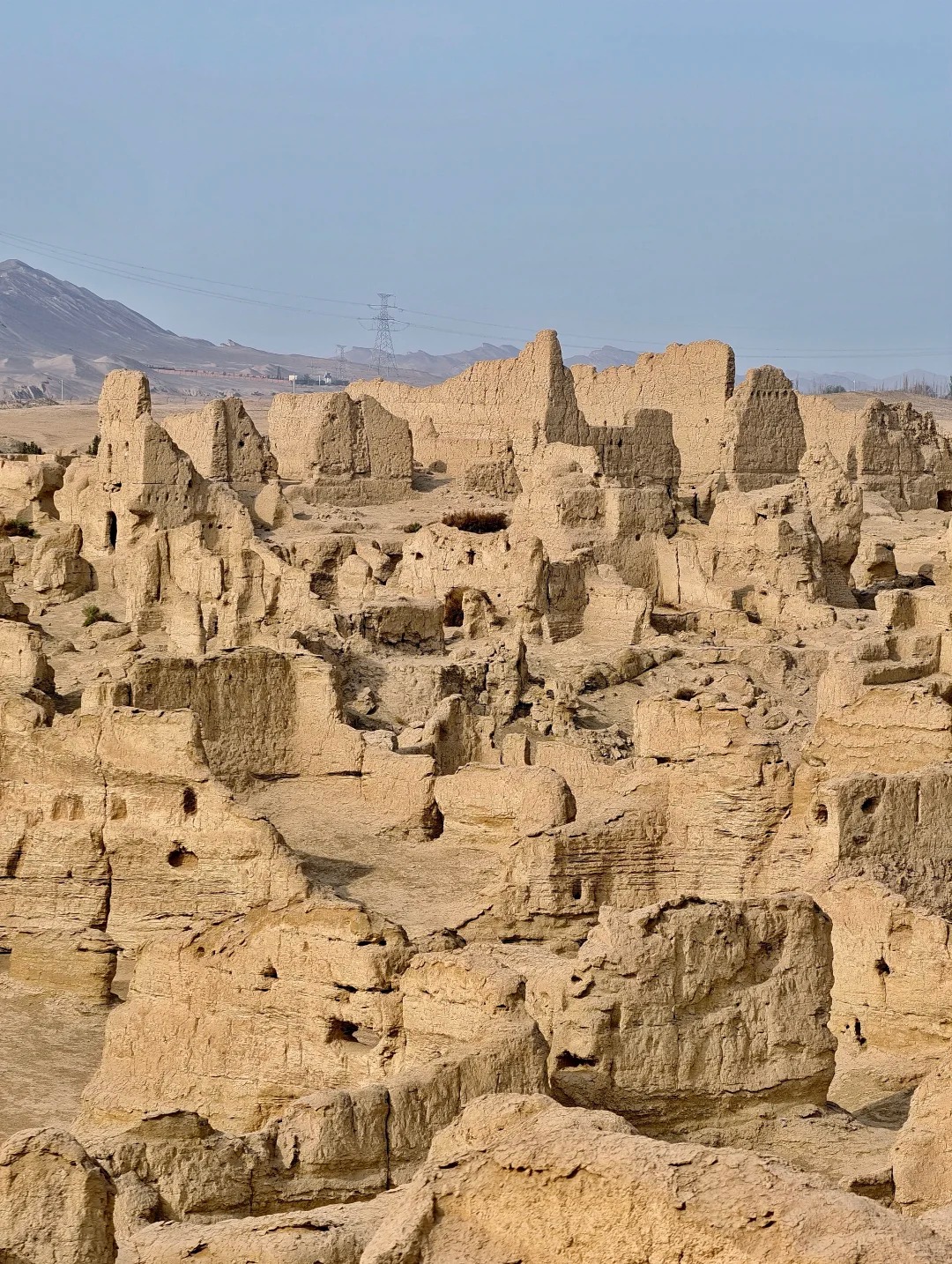
Walking back up the cliff, I looked back one last time. Jiaohe Ancient City looked like a ghost ship stranded on an island of time. It is a haunting place, but it is also a place of peace.
Jiaohe is not just a pile of rocks. It is a testament to the people who lived here. It is a story written in mud. To visit Jiaohe is to walk through the pages of a history book, to feel the presence of those who are gone, and to reflect on the impermanence of our own lives.
If you visit Turpan, do not skip Jiaohe. Take your time. Walk the alleys. Touch the walls. Listen to the wind. You will leave with a deeper understanding of the Silk Road and a respect for the civilizations that flourished in this harsh land.