Most visitors to Harbin in winter make a beeline for the glittering ice of the Ice and Snow World. But across the frozen, wind-whipped expanse of the Songhua River lies its quieter, more contemplative sibling: Sun Island. In summer, it’s a leafy retreat. From December to February, it undergoes a metamorphosis into the venue for the International Snow Sculpture Art Expo—a gallery where the medium is snow, and the scale is monumental.

My journey began with a brisk walk across the solid river ice, following a path trodden by hundreds of bootprints, the city skyline shrinking behind me. The first glimpse of the expo grounds stopped me in my tracks. It wasn’t a collection of sculptures; it was a city of snow. White, colossal forms rose against the pale winter sky—a 30-meter-long sleeping dragon, its every scale defined; a rendition of a classical Greek temple, complete with intricate pediments; a fantastical castle with staircases spiraling into nothingness.
The silence here is different from the buzzy excitement of the ice park. It’s a hushed, reverent quiet, broken only by the crunch of snow underfoot and the distant sound of sculptors at work, fine-tuning a curve with a small hand tool. The snow, compacted to a density closer to ice, has a soft, matte finish that absorbs sound and diffuses light. Under the flat, white light of a winter noon, the sculptures look austerely majestic. In the golden hour before sunset, they glow with a warm, ethereal light, shadows deepening in the carved grooves to reveal stunning detail.
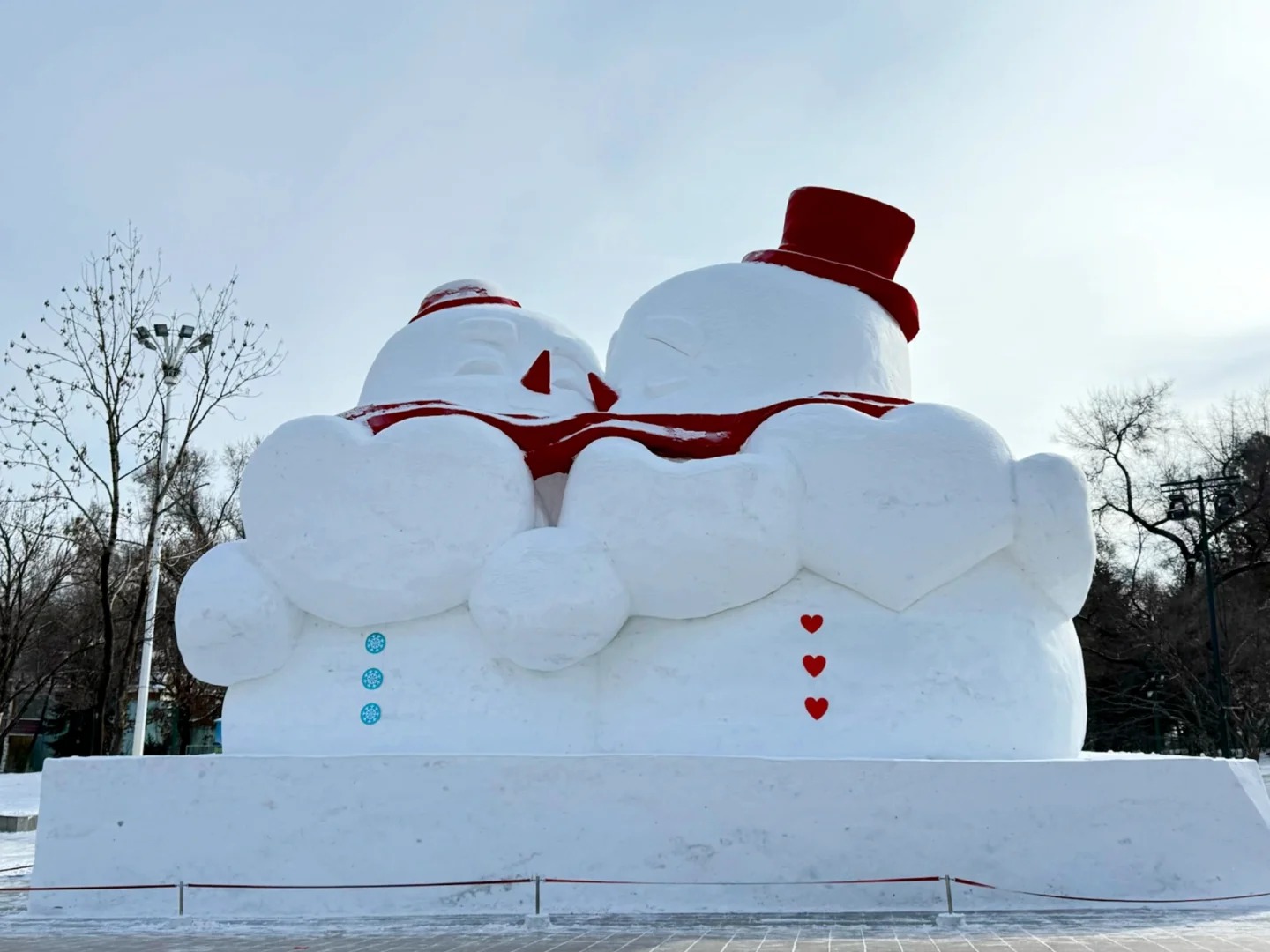
I spent hours simply wandering. One masterpiece depicted a scene from Journey to the West, the Monkey King’s face alive with mischievous intelligence. Another was a stunning abstract piece, a swirling vortex of snow that seemed to defy gravity. The artistry is mind-boggling. Teams from across the globe work for days, using everything from traditional sculpting tools to customized heated metal forms to create these temporary giants. There’s a poignant beauty in their impermanence. They stand exposed to the sun and wind, slowly eroding, their shapes softening day by day until, come spring, they return to water.
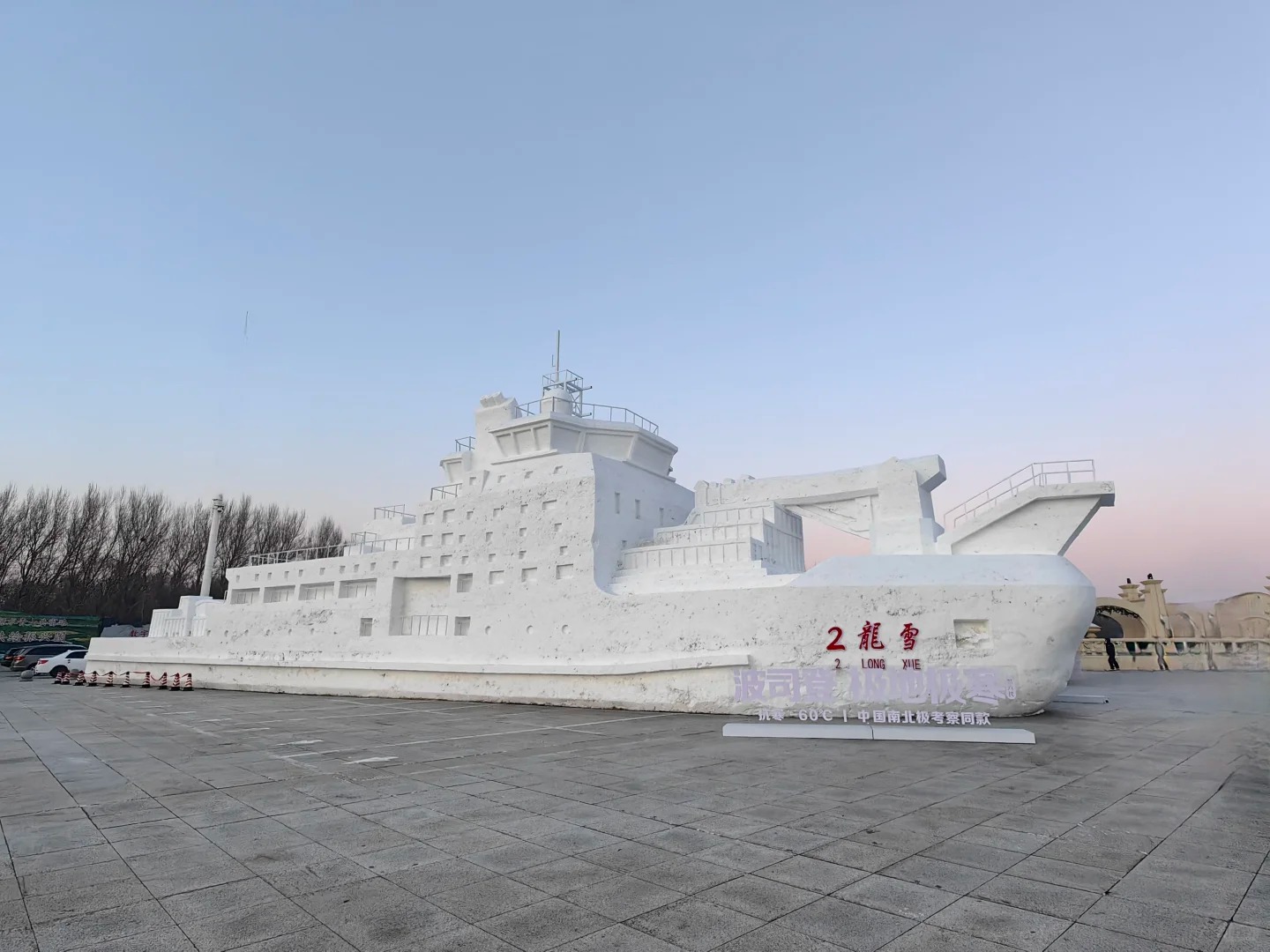
Beyond the competition area, Sun Island offers wintery peace. I rented a snow bicycle and pedaled along quiet paths between frosted pines. I warmed up in the Russian-style villa, now a small museum, sipping hot chocolate and looking at historical photos of old Harbin. The island provides a more immersive, natural winter experience compared to the high-tech spectacle across the river. It’s a place for slow appreciation, for marveling at the patience and vision required to transform millions of kilograms of snow into ephemeral art.

Leaving as the blue dusk settled, I looked back at the snow sculptures, now tinged with blue shadow. They looked like ancient, weathered monuments from a lost civilization. Sun Island doesn’t dazzle with colored lights; it impresses with pure, silent mass and artistry. It’s the soulful, poetic counterpart to the Ice World’s electric symphony—an essential chapter in the story of Harbin’s winter.