I have seen many caves in my life, but Tenglong (Soaring Dragon) Cave is not a cave; it is a hollowed-out mountain.
Standing at the entrance in Lichuan, I felt like an ant standing in the mouth of a whale. The entrance is 74 meters high—tall enough to fly a helicopter into. And that’s exactly the kind of scale this place operates on.
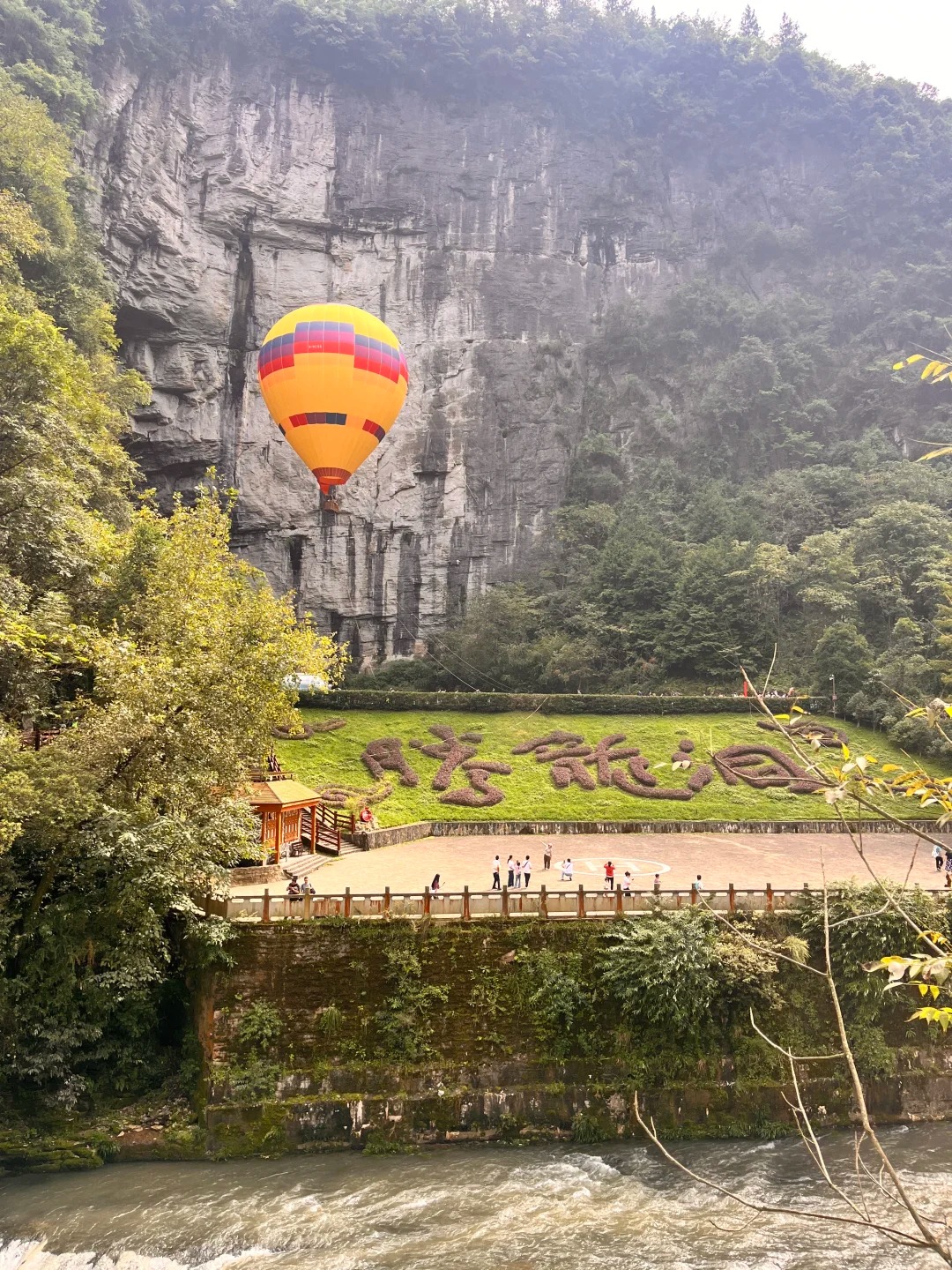
The darkness inside was absolute, swallowed only by the artificial lights of the tour. But the strangest thing wasn't the stalactites; it was the hot air balloon. Yes, a hot air balloon. Tethered near the cavernous entrance, the colorful balloon looked surreal against the jagged gray rock ceiling. I climbed into the basket. We floated up, not into the sky, but towards the roof of the cave. It was a disorienting, dreamlike perspective, hovering in the cool, damp air, looking down at the underground river rushing below.
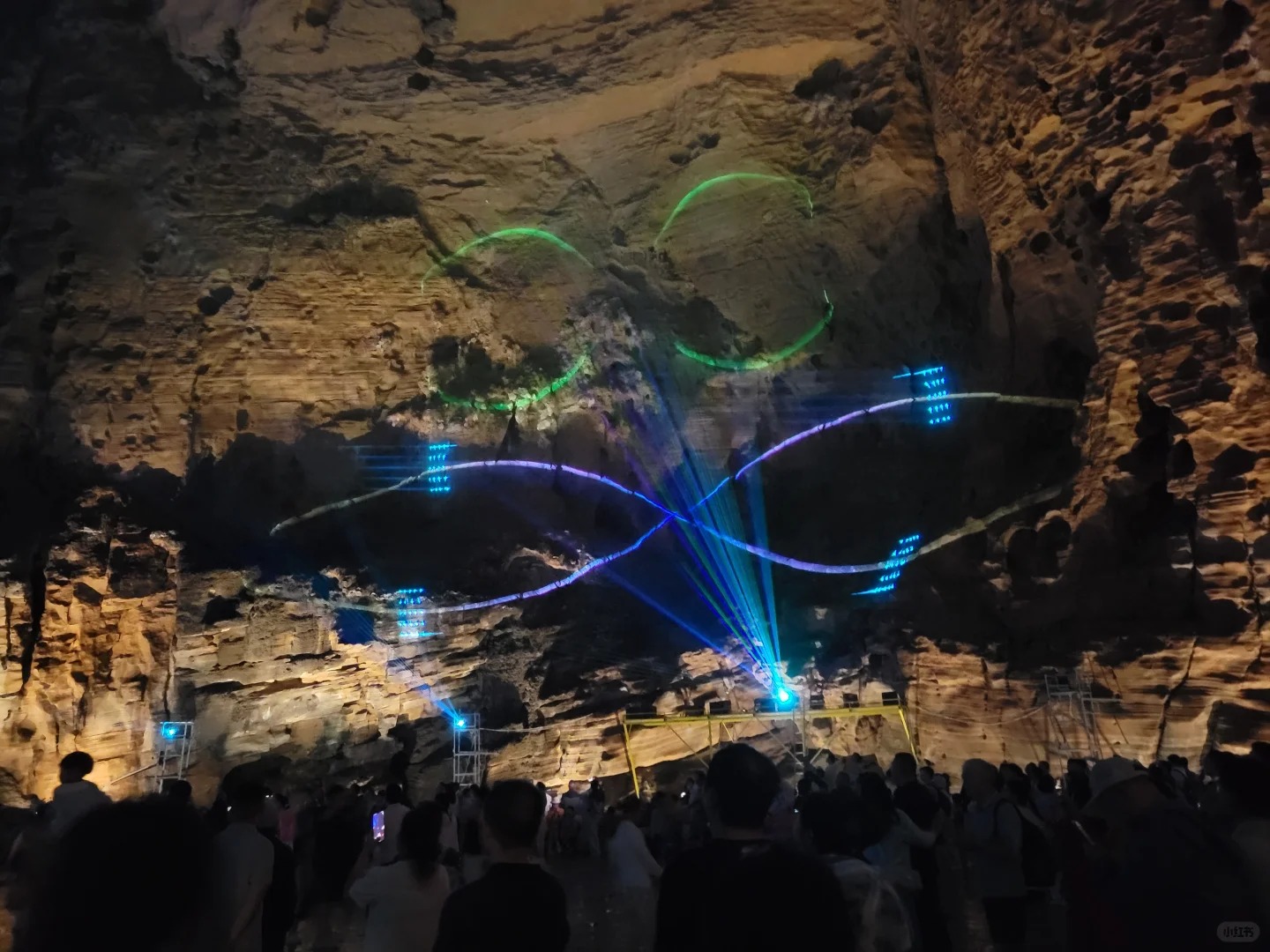
Deeper inside, the cave opened up into a massive amphitheater. I sat down on a stone bench, not knowing what to expect. Suddenly, music boomed—a mix of traditional folk songs and techno. Lasers sliced through the darkness, painting dragons and phoenixes on the cave walls. Dancers in Tujia ethnic costumes appeared on a stage that seemed to float on water.

It was a "Tujia Spirit" performance, a high-tech laser show inside a millions-of-year-old geological formation. It was gaudy, loud, and utterly fantastic. The clash of the ancient geology and the modern laser technology was jarring in the best way possible. It felt like a secret rave in the underworld.
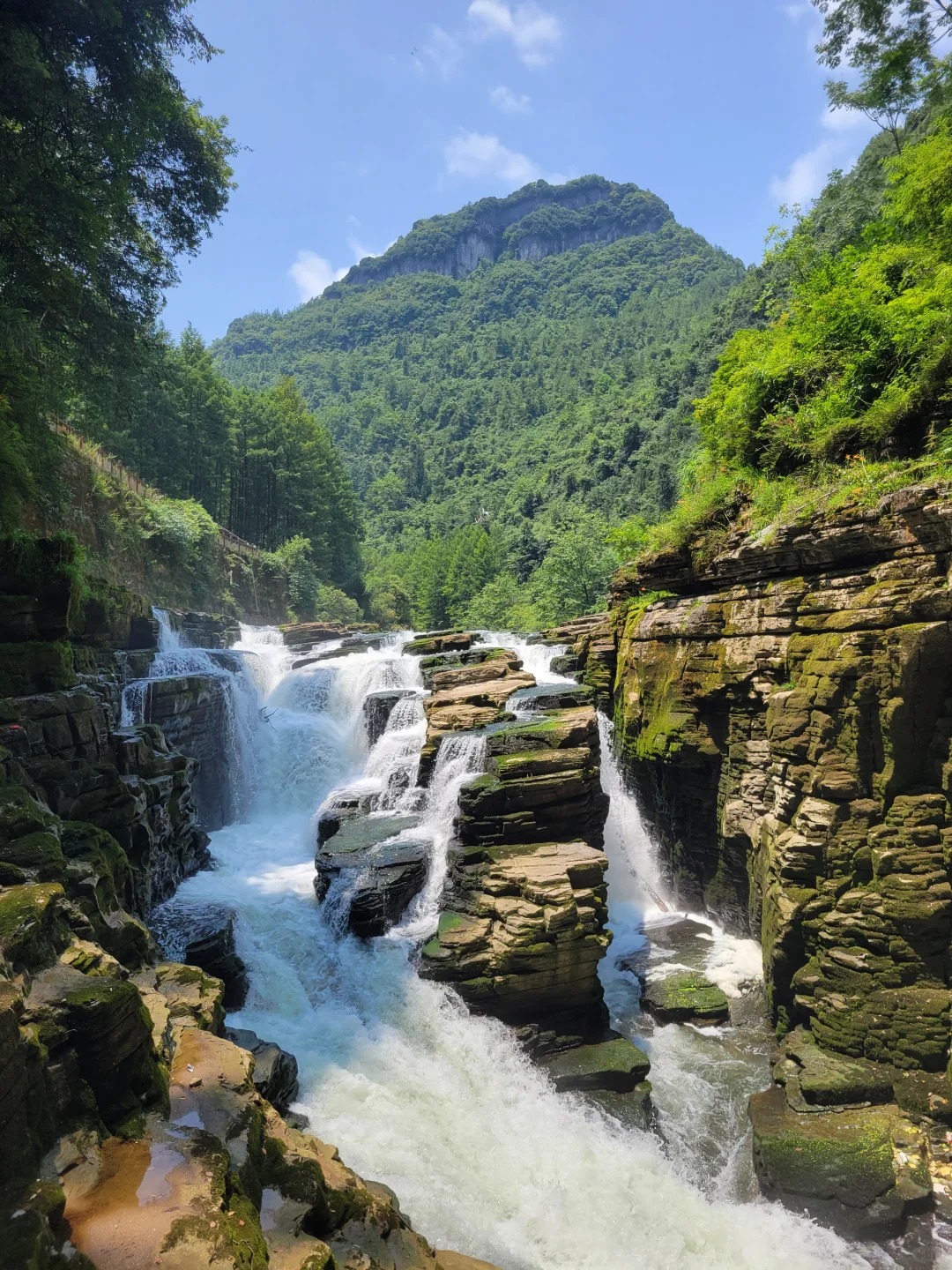
Walking out, blinking in the harsh daylight, I felt like I had returned from a journey to the center of the earth. Tenglong Cave isn't just about geology; it's about the Chinese audacity to turn a hole in the ground into a stage for the spectacular.