The silence is what strikes you first. A football stadium-sized hangar, cool and dimly lit, housing an army of over 6,000 silent figures. Then, the scale overwhelms. Row upon row of life-sized warriors—infantry, archers, charioteers, cavalry—each with a uniquely sculpted face, stand in battle formation, eternally guarding the tomb of China's first emperor, Qin Shi Huang. Visiting the Terracotta Army is less a tourist activity and more an audience with history itself.

I visited on an autumn morning, the mist from Mount Li clinging to the landscape. As I descended into Pit 1, the largest and most impressive, the sheer logistical audacity of the project unfolded. This was not merely art; it was an act of absolute power and profound belief. Emperor Qin, who first unified China in 221 BCE, sought to replicate his imperial guard for the afterlife. The craftsmanship is breathtaking. Kneeling archers have soles of their shoes detailed with tread patterns for grip. Cavalrymen have trimmer physiques to fit their horses. General figures stand with a palpable, serene authority. Their individualized faces—some broad and stoic, others delicate and youthful—suggest they were modeled on real soldiers of the era.

Yet, the most poignant details are the traces of their creation. On many figures, you can still see the fingerprints of the artisans pressed into the clay over 2,200 years ago—a sudden, intimate connection across millennia. I stood before one infantryman, his armor plates meticulously rendered in clay, his hair tied in a precise topknot, and imagined the unknown sculptor carefully shaping his expression, unknowingly sending a message to the future.
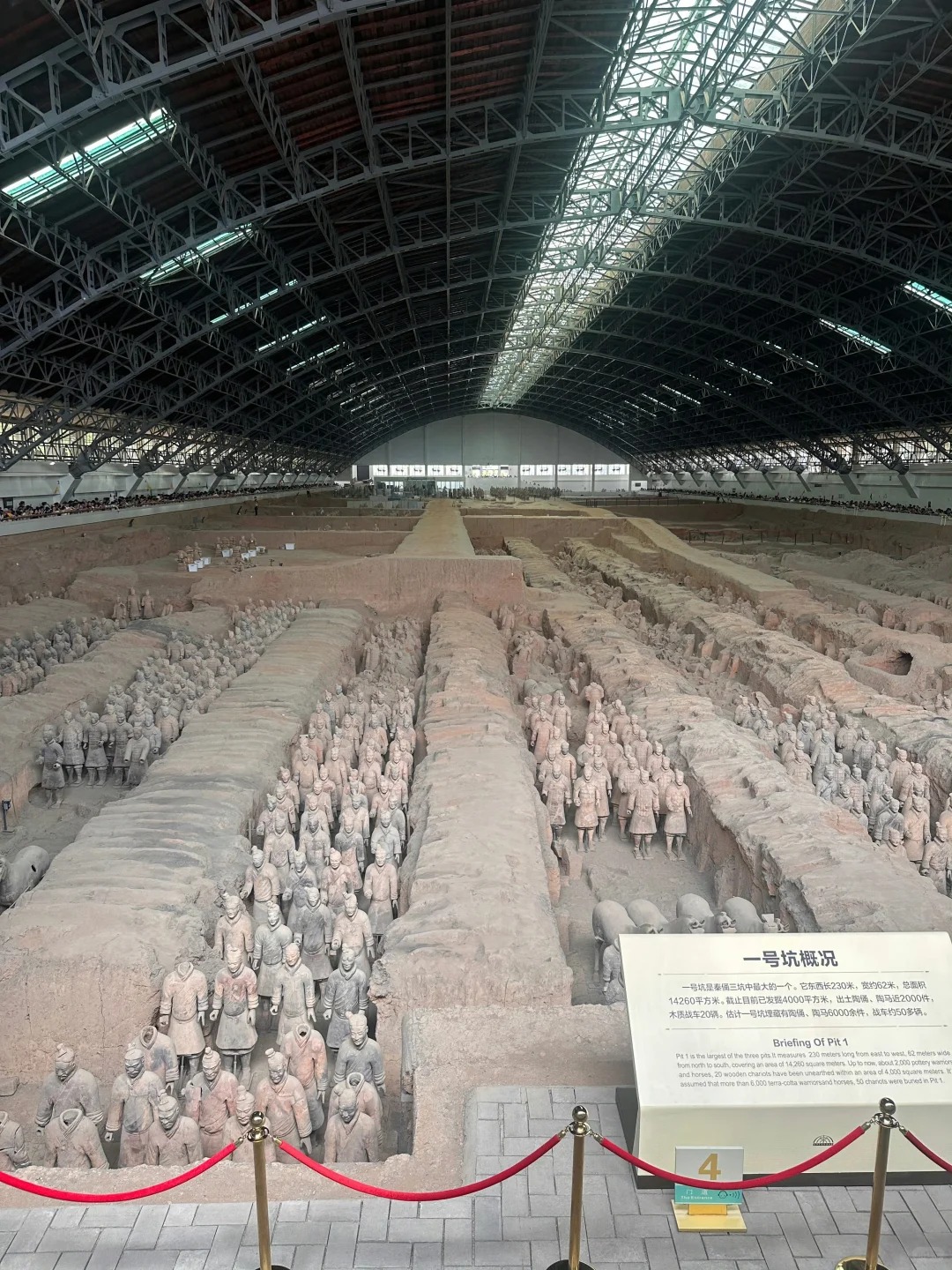
The site is a testament to both incredible human achievement and profound loss. Many figures were found shattered, victims of a rebellion after the Qin Dynasty's collapse. The painstaking restoration work continues, with fragments laid out like archaeological puzzles. This duality is key: the army represents the birth of a unified Chinese state, with standardized scripts, weights, and measures, but also the fleeting nature of even the most absolute power.
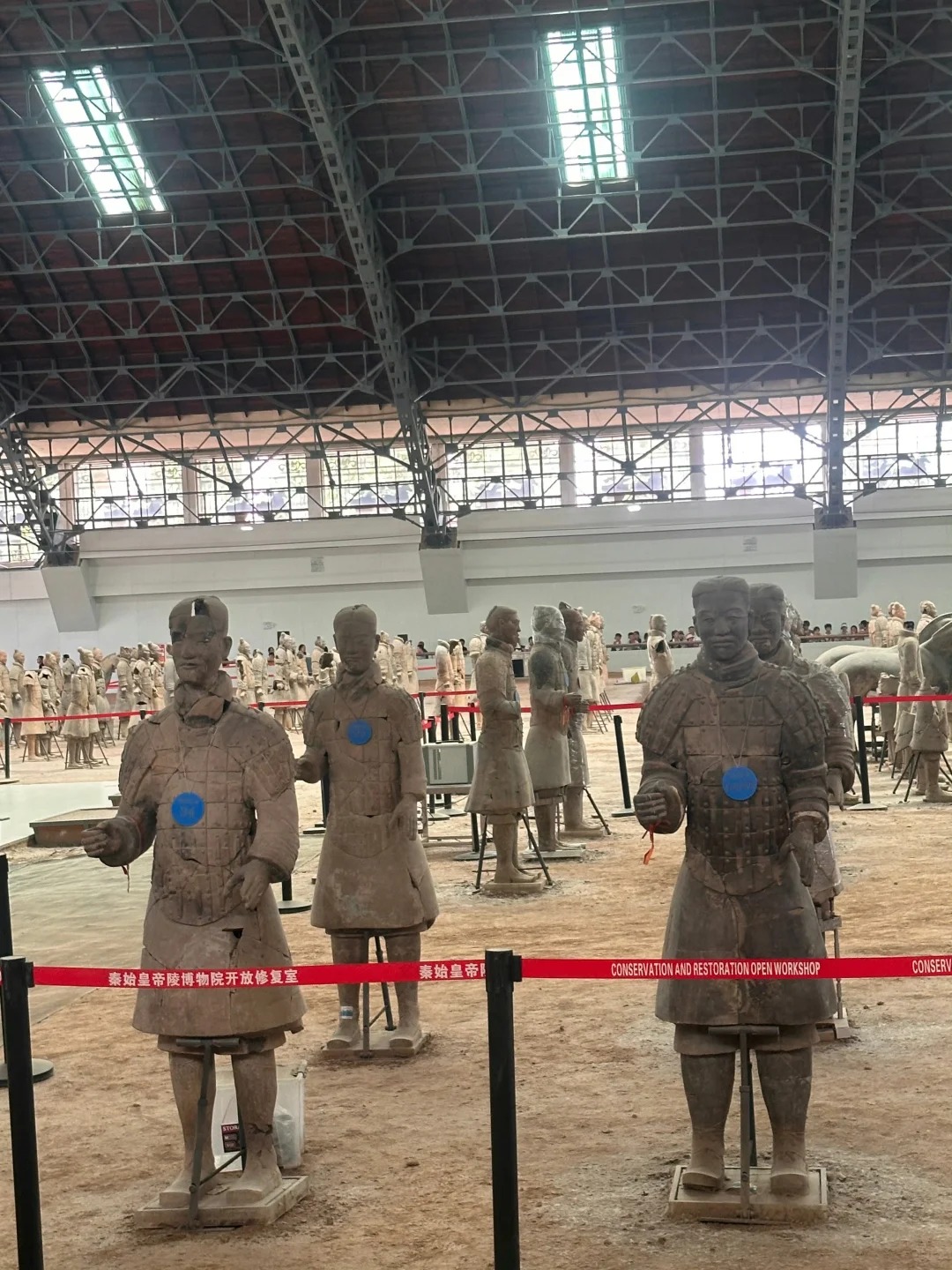
Leaving the vault, the modern world rushed back in. But the faces of those silent warriors stayed with me. They are more than clay; they are the very embodiment of a pivotal moment when "China" as a unified entity was forged. They whisper not of war, but of order, ambition, and the timeless human desire to defy mortality.